

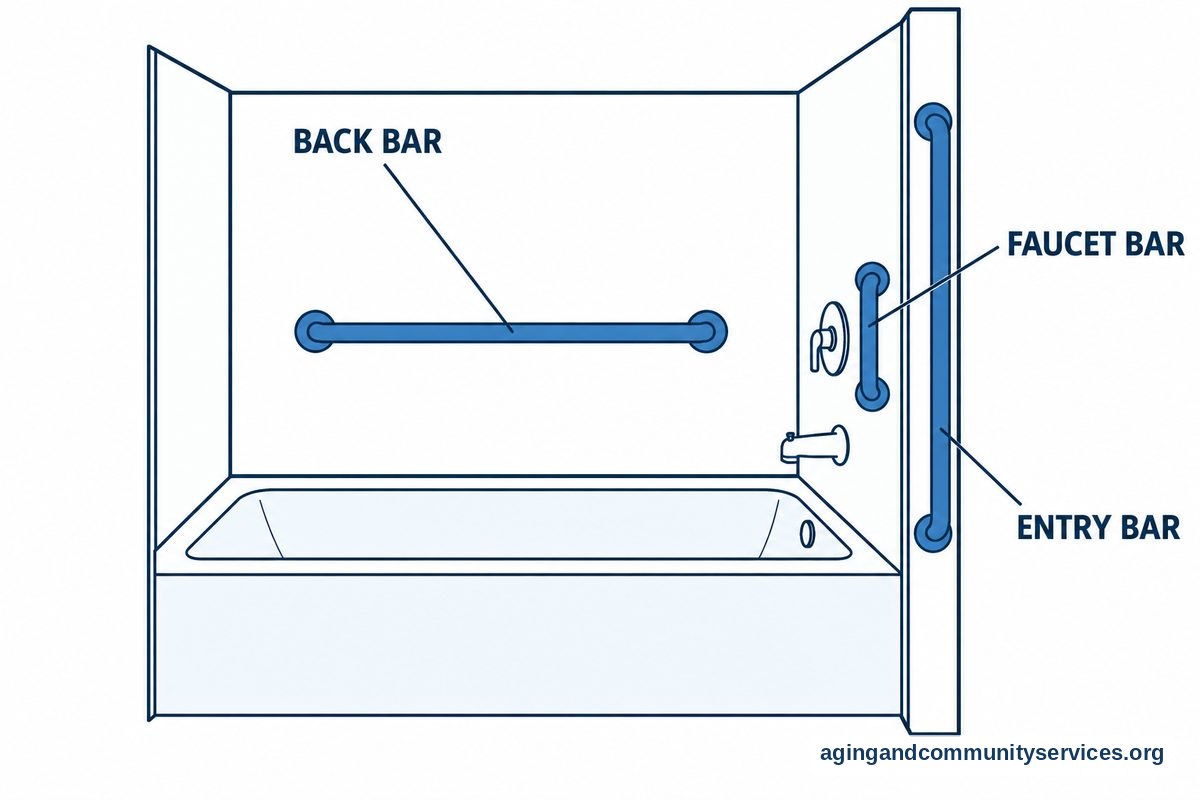
Grab bar placement in bathtub areas works best when the bars support the main movements: stepping in, standing, sitting, turning, and getting out. In most tub spaces, that means one bar on the long back wall, one bar near the entry side, and sometimes a third bar near the faucet wall if it helps with balance.
The right placement depends on the tub shape, wall framing, faucet location, and how the person bathes. The goal is simple: put strong, easy-to-reach bars where a hand naturally goes during each movement, without blocking the shower controls or the tub entry.

How to Place Grab Bars in a Bathtub
- Watch the normal bathing routine first. Before choosing exact spots, notice where hands reach when stepping into the tub, lowering to a seat, standing, or turning toward the shower spray. This helps you place bars for real use, not just for looks.
- Place a horizontal bar on the long back wall. A common setup is a straight bar along the long wall of the tub, set around waist height for the person using it. It should be reachable while standing in the tub and while using a shower chair or tub bench.
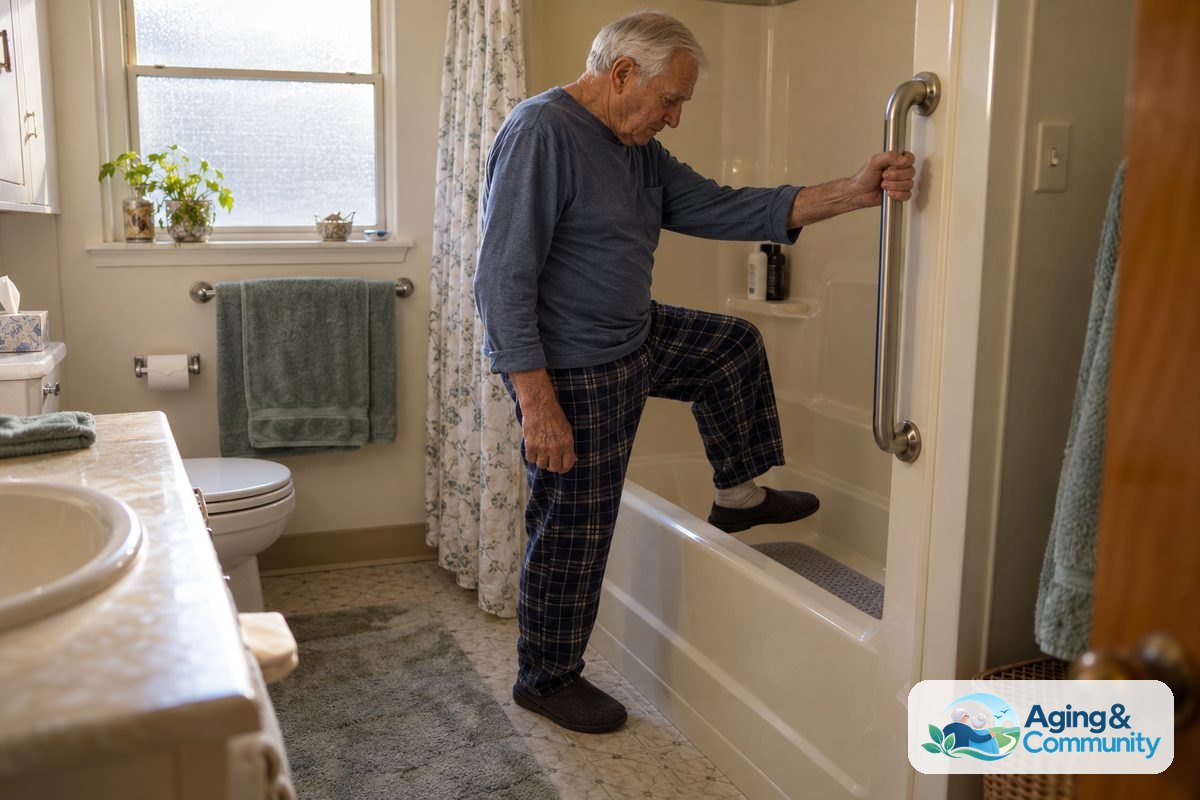
- Add a vertical or angled bar at the entry side. The entry side is where many people need a steady handhold while lifting one leg over the tub wall. A vertical bar near the outside edge of the tub is often easier to grip at different heights.
- Consider a bar near the faucet wall. If the person turns toward the controls, adjusts water, or stands near that end of the tub, a shorter vertical or horizontal bar may help. Keep it far enough from the faucet so it does not get in the way.
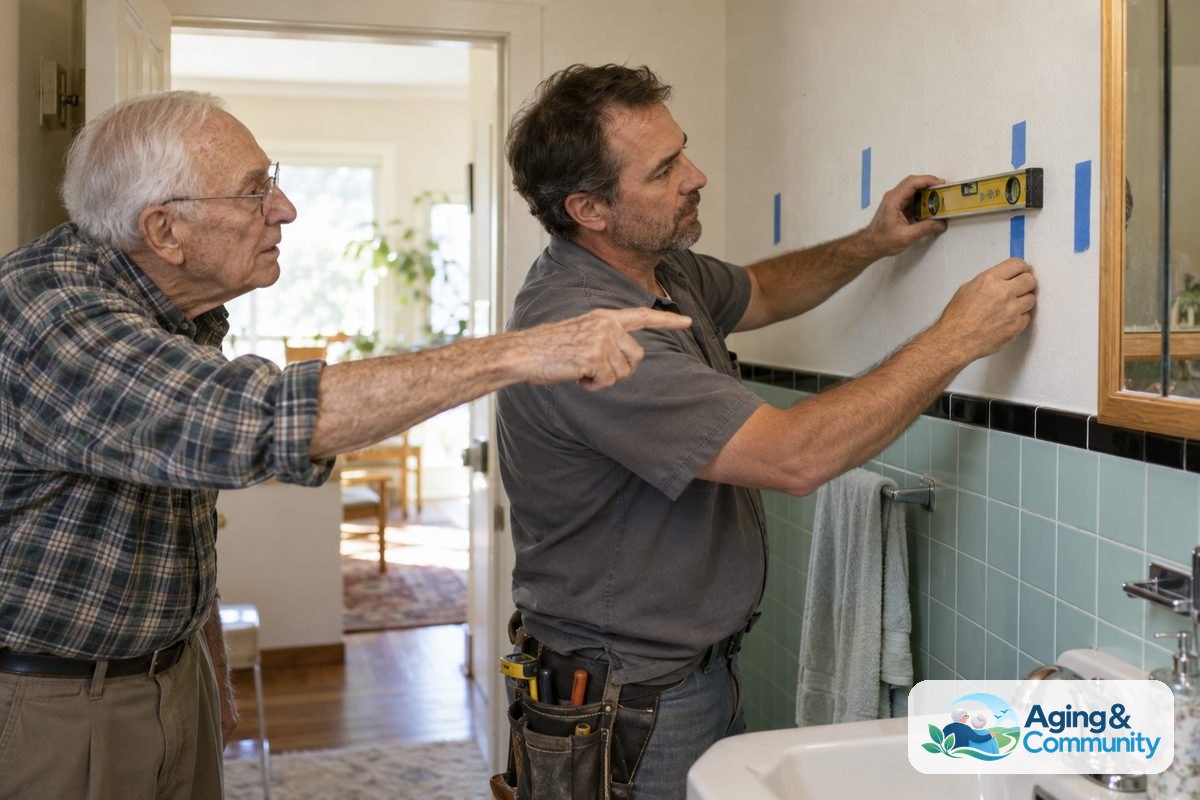
- Match the height to the person, not a guess. Have the person stand outside and inside the tub, if safe, and mark the natural hand positions with painter’s tape. If they use a seat, mark hand positions from the seated height too.
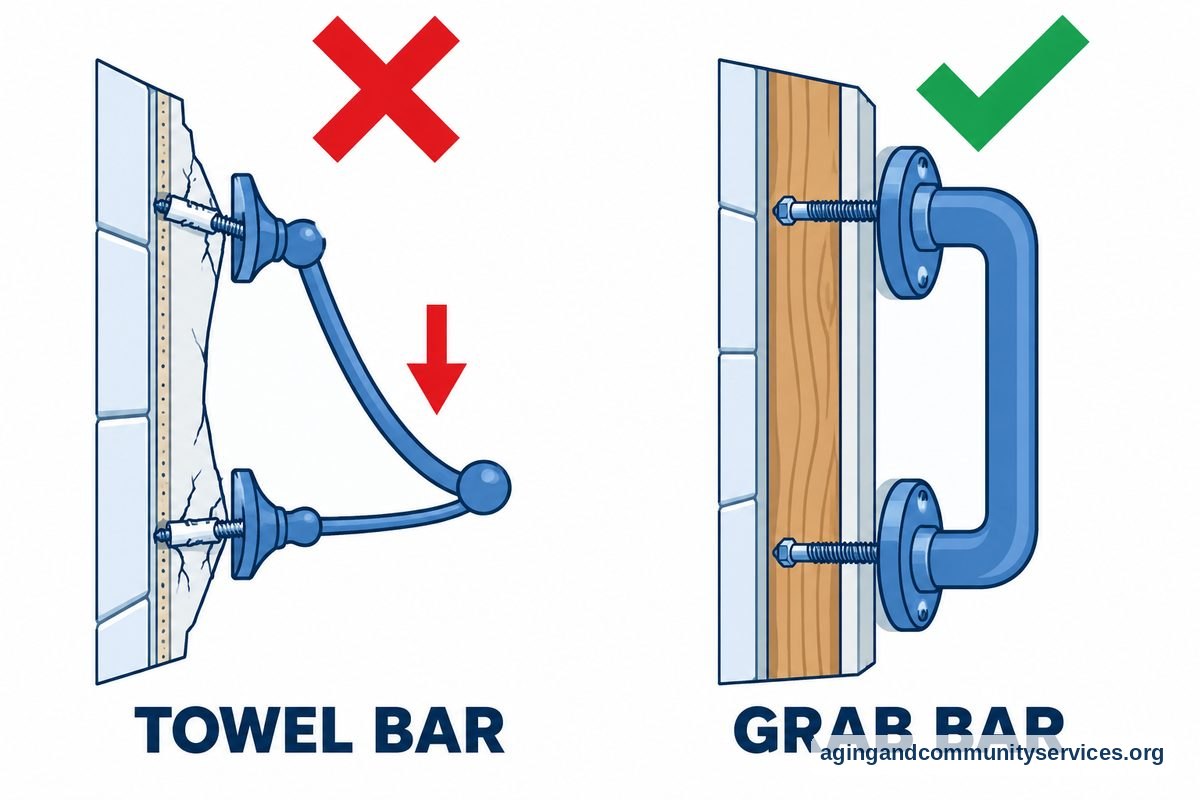
- Fasten bars into solid support. Grab bars should be mounted into wall studs or with approved blocking or anchors made for the wall type. Towel bars, suction handles, and light-duty hardware are not a substitute for properly installed grab bars.
- Check reach from every key spot. The person should be able to reach a bar before stepping in, while standing inside, while turning, and before stepping out. If any movement has no steady handhold, adjust the plan before drilling.
- Keep the tub floor clear and simple. Grab bar placement works better when paired with a stable standing surface. A secure bath mat can help reduce slipping risk, and our guide to non-slip bath mats explains what to look for.
Common Mistakes to Avoid
- Using a towel bar as a grab bar. Towel bars are not built to hold body weight. They can pull away from the wall when someone needs support most.
- Putting bars only where they look neat. A bar should match the user’s hand path. A pretty placement that is too high, too low, or too far away may not help.
- Skipping the entry point. Many bathtub movements happen at the side wall, where the person steps over the tub edge. A bar on the back wall alone may not be enough.
- Blocking faucets or soap storage. Bars should not force awkward reaching around shower controls, shelves, doors, or curtains. Keep daily tasks easy.
- Relying on suction bars for support. Suction handles may loosen on textured tile, grout lines, or damp surfaces. Use them only as light balance cues if the product directions allow, not as weight-bearing support.
- Forgetting the person may sit to bathe. If a chair or bench is used, check hand reach from the seated position. The best standing height may not be the best seated height.
When to Call for Help or Professional Advice
Call a licensed contractor, handyman with grab bar experience, or bathroom safety installer if you are unsure where the studs are, if the wall is tile, fiberglass, stone, or damaged, or if the tub has an unusual layout. Tell them the tub type, wall material, bar lengths you are considering, and whether the person steps over the tub wall, sits on a bench, or showers while standing.
It can also help to speak with a doctor, physical therapist, or occupational therapist if the person has trouble stepping over the tub edge, standing long enough to shower, or rising from a seated position. They can suggest safer movement patterns and may recommend changes such as a bench, handheld shower, or different bar height based on the person’s needs.
The National Institute on Aging notes that home changes can lower the risk of falls, and its information on falls and prevention can help families think through the whole bathroom. For broader home planning, the National Institute on Aging also shares practical aging in place ideas.
If you need local help finding home safety services, the Eldercare Locator can connect families with nearby resources. When you call, describe the bathroom layout, the person’s main concern, and whether you need an installer, an in-home assessment, or general guidance.
Grab Bar Placement for Tub Shower Combos
A tub shower combination needs support for both bathing and showering. The person may step over the tub wall, stand under the shower, turn toward the controls, reach for soap, and step back out while the surface is wet.
For grab bar placement in tub shower spaces, start with the entry side. A vertical bar near the outside edge of the tub is often useful because the hand can slide to the right height while stepping in or out. If there is a shower door, make sure the bar does not block the door track or handle.
Next, add a horizontal bar on the long wall. This bar supports standing, turning, and steadying while facing the shower spray. If the tub is used with a shower chair, place the bar so it can be reached from the chair without leaning too far.
A third bar near the faucet wall may help if the controls are hard to reach or if the person naturally turns that way. Keep enough space around the handle and spout so the water can be adjusted without bumping the bar. If the shower head is high or fixed, a handheld shower can make bathing easier from a seated position.
For a separate shower stall, the placement can be different because there is no tub wall to step over. If your home has both types, compare this guide with our page on grab bar placement in shower areas so each space is planned for how it is used.
Choosing the Right Bars for Bathtubs
Grab bars for bathtubs placement should begin with the wall and the user, then the bar style. Straight bars are common on the long wall because they give a clear, steady handhold. Vertical bars are often useful near the tub entry because they work for different heights and hand positions.
Angled bars can help in some cases, especially when the person moves from sitting to standing. They must be placed carefully so the hand does not slide down the bar during use. If you are unsure, ask an occupational therapist or experienced installer to review the movement pattern.
Choose bars with a comfortable diameter, a grippy surface, and enough wall clearance for the hand to wrap around. The bar should feel natural to hold, even with wet hands. Avoid sharp edges, decorative shapes that are hard to grip, or placements that make the person twist.
Some tubs are used with transfer benches. In that setup, the person may sit outside the tub, slide across, and then lift legs into the tub. Grab bar placement for bathtub use with a bench should support the sitting, sliding, and standing points, and our guide to tub transfer benches can help you understand how the bench affects the layout.
If you are still choosing the hardware, review the main types of bathroom grab bars before buying. A simple bar in the right place is usually more helpful than a fancy bar in the wrong place.
Helpful Placement Guide by Tub Area
| Tub Area | Common Bar Style | Main Use |
|---|---|---|
| Long back wall | Horizontal bar | Standing, turning, and reaching while inside the tub |
| Entry side wall | Vertical bar | Stepping in and out over the tub wall |
| Faucet wall | Short vertical or horizontal bar | Steadying while using controls or turning |
| Near a bath seat | Horizontal or angled bar | Sitting down, standing up, or sliding from a bench |
This table is a starting point, not a rule for every home. Wall strength, body size, reach, and the way the tub is used should guide the final placement. If several family members use the same tub, place the main bars where the person who needs the most support can reach them well.
Good bathroom safety is not only about bars. Lighting, mats, clutter, soap storage, and water temperature controls all matter. For a wider checklist, see our guide to bathroom safety basics.
Frequently Asked Questions
What is the best grab bar placement in tub areas?
The best grab bar placement in tub areas usually includes a horizontal bar on the long wall and a vertical bar near the entry side. This supports the main movements of stepping in, standing, turning, and stepping out.
How is grab bar placement for bathtubs different from showers?
Bathtubs have a side wall to step over, so the entry point is very important. Showers without tubs often need more focus on the shower entrance, controls, and standing space instead.
Where should grab bars for bathtubs placement start?
Start with the person’s normal hand positions. Mark the spots where a hand naturally reaches during entry, bathing, sitting, standing, and exit, then match bar style and height to those movements.
What grab bar placement in tub shower spaces works well?
In a tub shower, use a vertical bar near the entry side, a horizontal bar along the long wall, and, if needed, a bar near the controls. Make sure each bar can be reached without twisting or leaning too far.
Can grab bar placement for bathtub use include a bench?
Yes. If a tub bench is used, place bars so the person can reach them while sitting, sliding, and standing. Check the bench position before installing the bars.
Should grab bar placement for shower tub areas be professionally installed?
Professional installation is a good idea when you are dealing with tile, fiberglass, hidden studs, or uncertain wall strength. A secure mount matters as much as the location of the bar.