

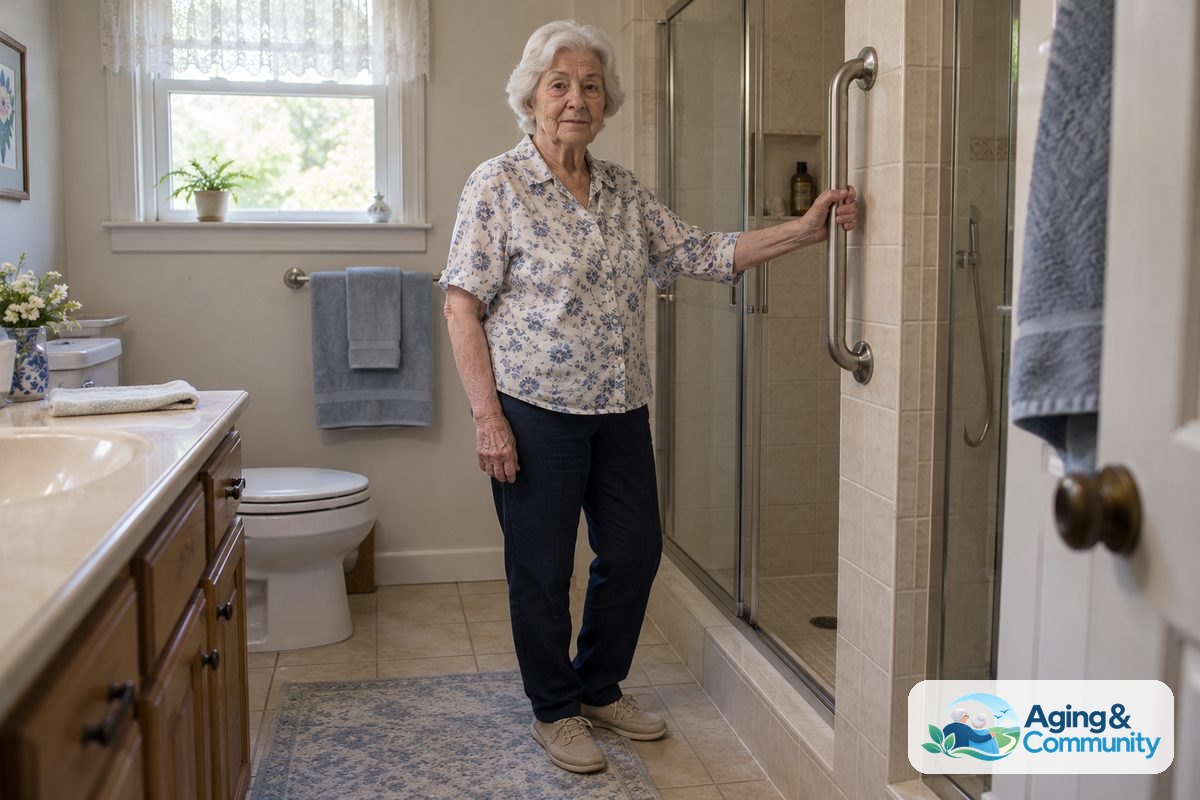
Bathroom safety bars for seniors are sturdy grab bars placed in key spots, such as the shower, bathtub and toilet area, to give a steady handhold during daily routines. They are not just for emergencies. The right bars can make bathing, standing and turning feel more secure and less tiring.
For many homes, the goal is simple: add support where a person naturally reaches, steps or changes position. A good plan looks at the person, the bathroom layout and how the bars are installed, not just the bar itself.
What Bathroom Safety Bars Do
Bathroom safety bars give a firm place to hold while moving in a wet or narrow space. They are most helpful near places where people sit, stand, step over an edge or turn around.
The National Institute on Aging notes that home changes, including grab bars, can lower the risk of falls when they are part of a broader safety plan. If balance, pain, weakness or dizziness is a concern, it is wise to ask a doctor, physical therapist or occupational therapist for personal guidance.
Safety bars are different from towel bars. A towel bar is made to hold fabric, not body weight. A true grab bar is built and installed to provide steady support when someone pulls, pushes or leans on it.
- In the shower: Bars can help with stepping in, standing and turning.
- Beside the tub: Bars can help during the step over the tub wall.
- Near the toilet: Bars can help with sitting down and standing up.
- Near the sink: Bars may help if someone needs a steady point while washing hands or grooming.
Types of Safety Bars Bathroom for Elderly Homes May Need
There are several kinds of bathroom safety bars, and each one fits a different need. The safest choice depends on the wall, the person’s reach and the task being supported.
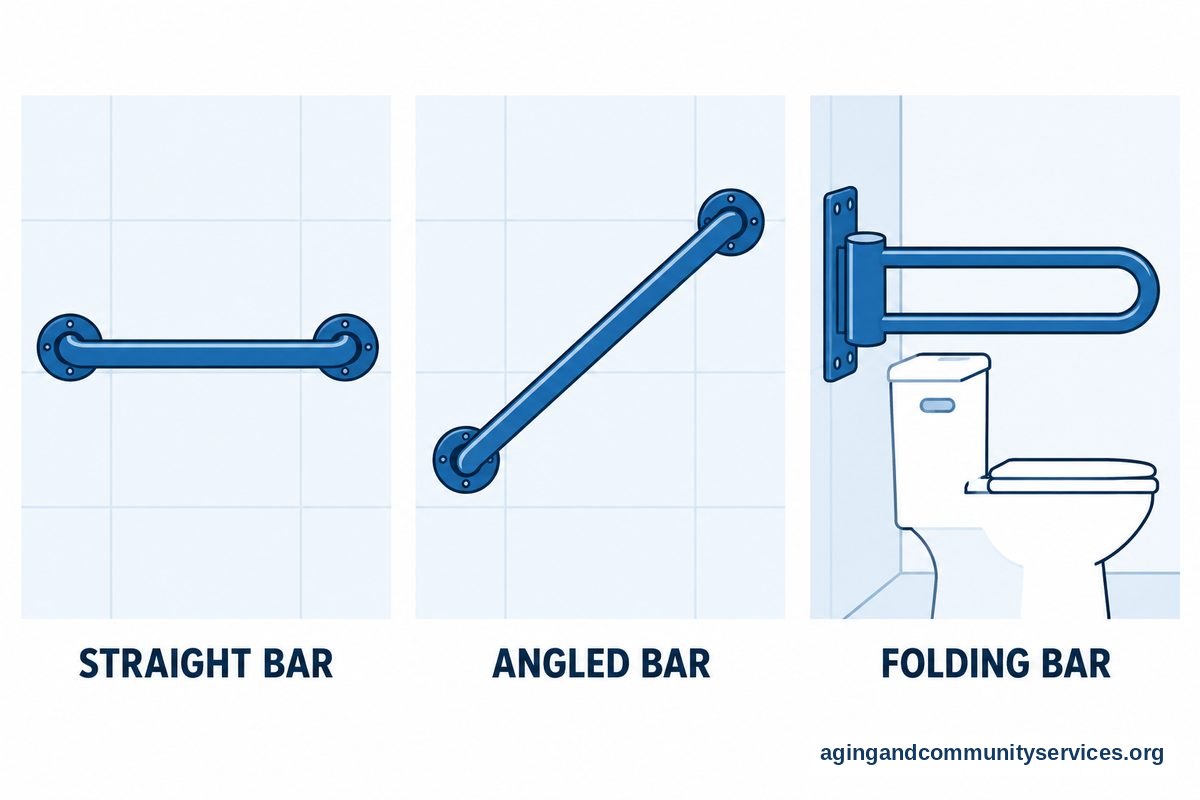
Straight wall mounted bars are common in showers, tubs and toilet areas. They come in different lengths and can be placed flat, upright or at an angle. A straight bar is often the most flexible choice because it can support many movements.
Vertical bars are often useful near shower entries or tub edges. They give a handhold for stepping in or out. Horizontal bars may help with standing balance once inside the shower or next to the toilet.
Angled bars may feel natural for some people when rising from a seat or moving along a wall. The angle should match the way the person moves, not just the way it looks. If you are unsure, an occupational therapist can help choose the right height and angle.
Flip up bars are often used beside toilets when wall space is limited. They can move out of the way when not needed. These should be installed with extra care because they take a lot of force when someone pushes down to stand.
Suction grab bars may look simple, but they are not the same as properly mounted grab bars. They may be useful as a light balance cue on a clean, smooth surface, but they should not be trusted for full body weight unless the maker clearly says so and the surface is suitable. For main support, fixed installation is usually the safer choice.
If you are comparing product styles, a guide to bathroom grab bars can help you see common shapes and uses before choosing.
Where to Place Bathroom Safety Bars
Placement matters as much as the bar itself. A strong bar in the wrong spot may not help when it is needed. The best location is where the person naturally reaches during a real movement.
Start by watching the routine. Notice where the person steps into the tub or shower, where they turn, where they sit and where they reach for support. Do not ask someone to pull on a towel rack, faucet or shower door to show you. Just observe the movement slowly and safely.
For general planning, a page on grab bar placement can help you think through common locations around the bathroom. Each home still needs its own plan because wall layout, door swing and fixture placement vary.
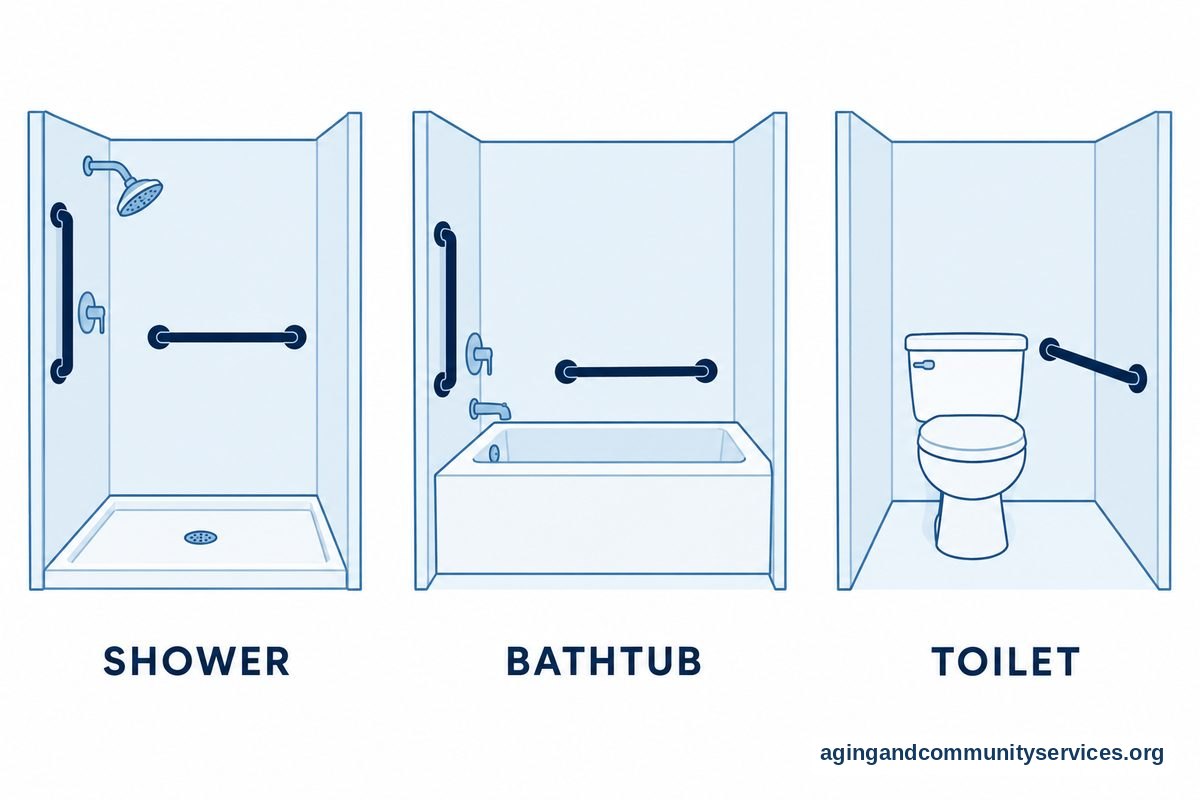
In a shower, bars are often placed near the entrance and along the side wall. A vertical bar near the entry may help with stepping in. A horizontal or angled bar on the side wall may help while standing, turning or reaching for soap.
For more detailed shower planning, review shower grab bar placement before you decide where to drill. Shower walls can hide studs, plumbing or empty space, so measuring carefully is important.
In a bathtub, the high tub wall changes the movement. A person may need support before stepping in, while stepping over and after both feet are inside. A vertical bar near the outside edge and another bar on the inside wall may be useful, depending on the person’s height and reach.
If the main concern is a tub, a guide to bathtub grab bar placement can help you plan for the step over point and the bathing area. A tub transfer bench may also be worth discussing with an occupational therapist if stepping over the wall is hard.
Near a toilet, bars should support sitting and standing without forcing the person to twist. A side wall bar, rear wall bar or flip up bar may be considered. The right choice depends on wall strength, toilet location and whether help is given by a family member or caregiver.
How to Choose Bars That Feel Secure
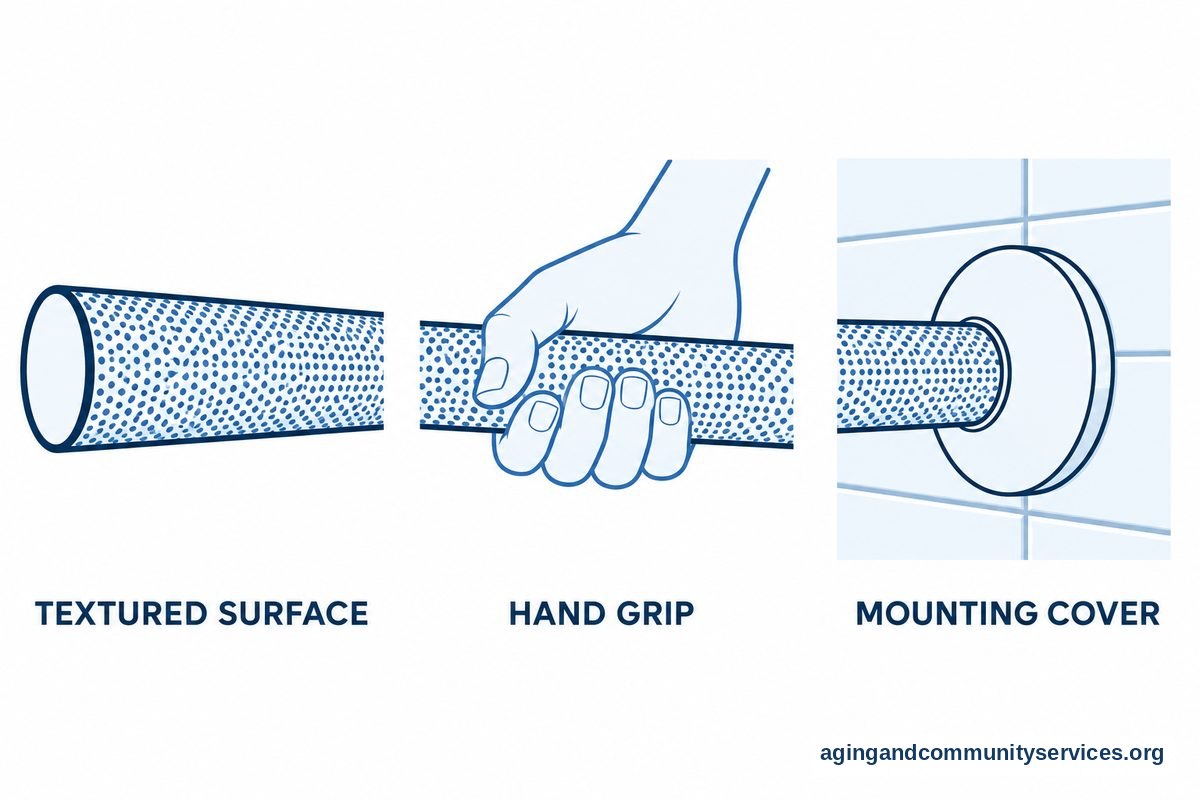
Look for bars made for bathroom support, not general household use. The surface should be easy to grip, even when wet. Many people prefer a textured or peened finish because it feels less slippery than a smooth polished bar.
Diameter matters too. A bar that is too large may be hard to hold. A bar that is too small may not feel steady. Many people do well with a size that allows the fingers to wrap around comfortably, but hand size and grip strength vary.
Length should match the task. A short bar may work at a shower entry. A longer bar may be better along a shower wall or next to a bathtub. More length can give more hand positions, but only if the wall can support the full installation.
Color and contrast are easy to overlook. A bar that blends into the wall may be harder to see. A finish that stands out from the tile or wall color can make the bar easier to find quickly.
Think about cleaning as well. Bathrooms collect soap film and moisture. Bars with simple shapes and sealed mounting covers are usually easier to keep clean than bars with many grooves or hard to reach edges.
| Feature | Why It Matters |
|---|---|
| Textured grip | Helps the hand feel steady when the bar is wet. |
| Proper length | Gives support in the area where the person actually moves. |
| Strong mounting | Keeps the bar secure during pulling, pushing or leaning. |
| Good contrast | Makes the bar easier to see against the wall. |
| Comfortable diameter | Helps the hand wrap around the bar without strain. |
If you want to compare broader options for different rooms or needs, a resource on grab bars for seniors may help you decide which styles fit your home.
Installation and Safety Checks
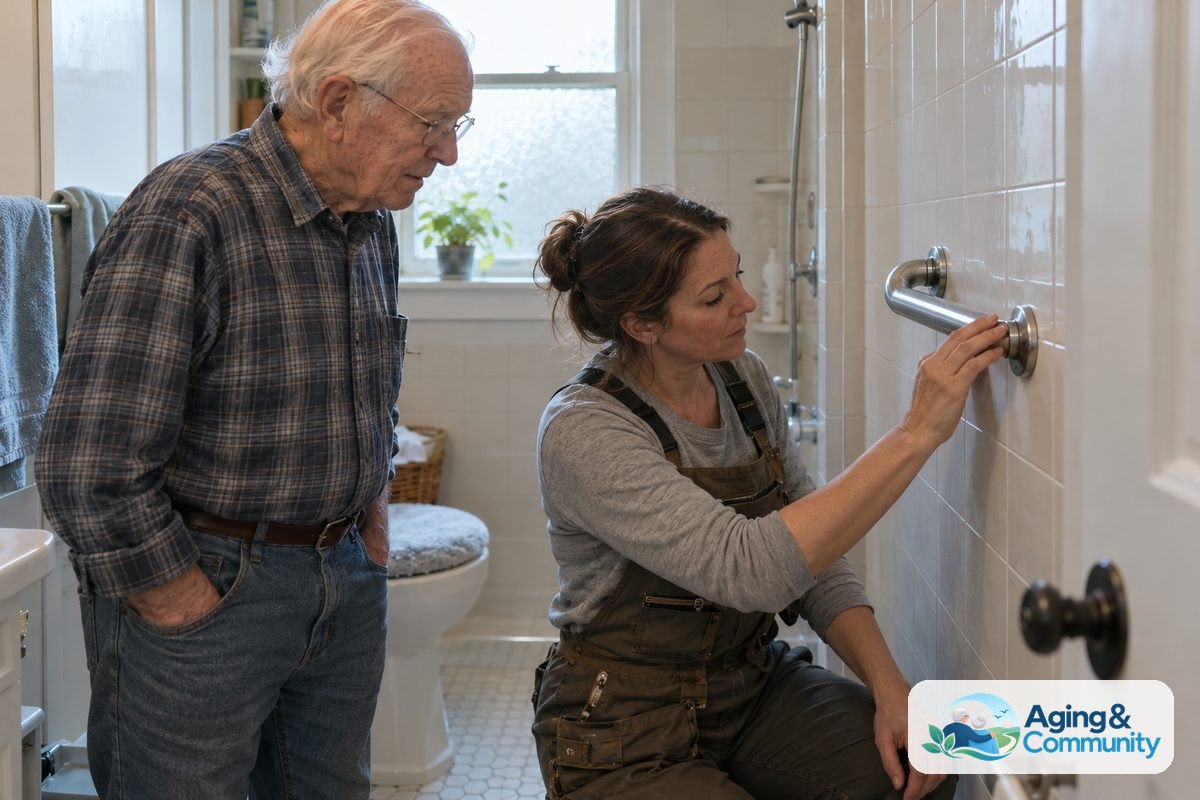
Installation is the part that deserves the most care. A grab bar should be fastened into wall studs or installed with hardware made for the wall type. Tile, drywall and fiberglass surrounds each need the right method.
If you are not comfortable finding studs, drilling tile or choosing anchors, consider hiring a qualified handyman, contractor or home modification professional. A poorly installed bar can feel secure at first and then loosen over time.
Before drilling, check what may be behind the wall. Plumbing, wiring and pocket doors can affect where a bar can go. This is one reason a simple bathroom project may need a skilled installer.
After installation, the bar should not wiggle, rotate or pull away from the wall. Test it gently at first, then check it again during regular cleaning. If screws, covers or wall surfaces change, stop using the bar for support until it is inspected.
Also look at the rest of the bathroom. A grab bar works better when paired with simple changes such as good lighting, a non slip bath mat outside the tub, clear walking space and easy to reach soap and towels. The National Institute on Aging has practical ideas for aging in place that can help families look beyond one fixture.
What You Can Do Next
Start with a slow walk through the bathroom at a calm time of day. Look at the route from the door to the toilet, sink, shower and tub. Write down the moments when the person reaches for a wall, towel bar, counter or helper.
- Map the routine: Note where sitting, standing, stepping and turning happen.
- Choose priority spots: Start with the shower, bathtub or toilet area if those feel hardest.
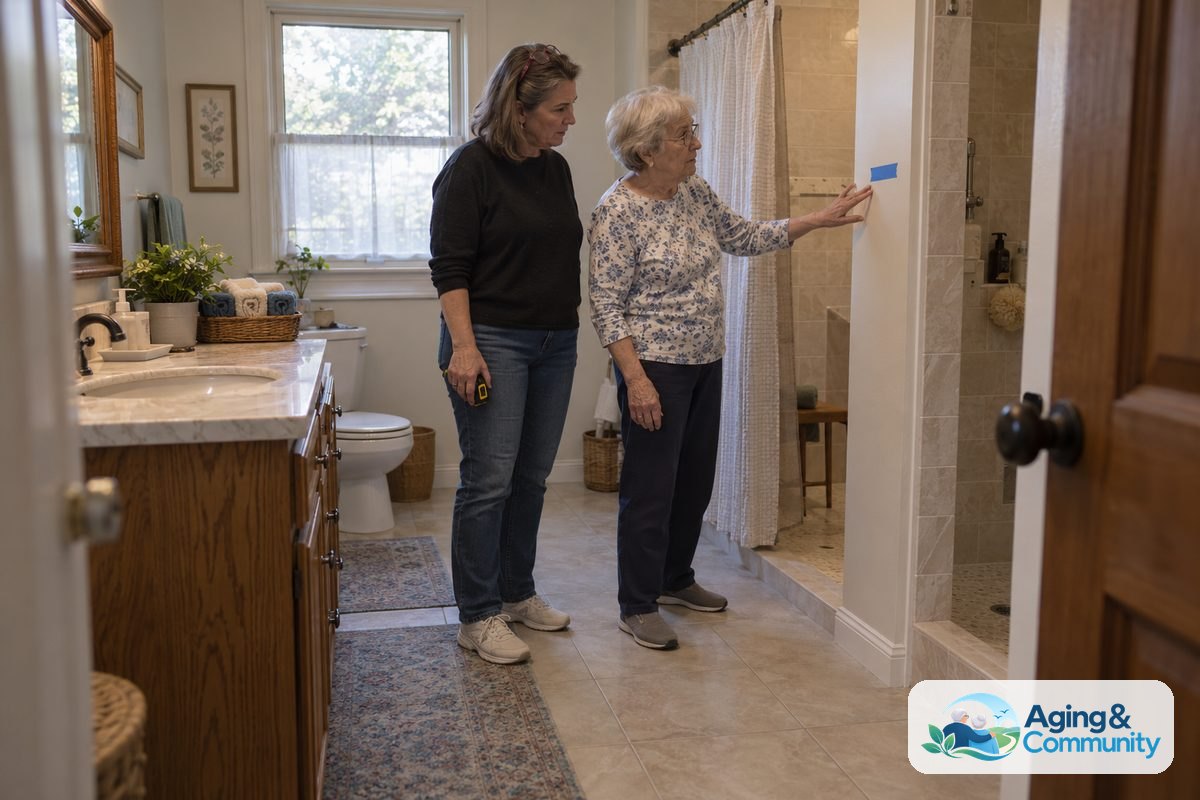
- Measure carefully: Mark likely bar locations with painter’s tape before buying anything.
- Ask for input: If movement is difficult, talk with a doctor, physical therapist or occupational therapist.
- Plan the install: Use the right hardware for the wall, or hire someone who does this work often.
- Check often: Make sure bars stay tight, dry and easy to grip.
If cost, local services or home help are concerns, the Eldercare Locator can help connect families with local aging resources. You can also ask a local senior center, area agency on aging or primary care office about home safety support in your area.
Keep the plan practical. One well placed bar is often more useful than several bars placed without thought. The goal is to make daily bathroom routines steadier, simpler and easier to manage.
Frequently Asked Questions
What are bathroom safety bars for elderly family members?
Bathroom safety bars for elderly family members are grab bars designed to give a firm handhold in places like showers, tubs and toilet areas. They should be made for support and installed into strong backing or with hardware that matches the wall.
They are not the same as towel bars. A towel bar may bend or pull loose if someone uses it for support.
Where should safety bars bathroom for elderly use be installed?
Common spots include the shower entrance, shower side wall, bathtub edge and beside the toilet. The right spot depends on how the person moves through the bathroom.
Use painter’s tape to mark possible locations, then have the person reach toward them while standing safely. If the movement is hard or uneven, ask a physical therapist or occupational therapist for advice.
Are suction safety bathroom bars for elderly people safe?
Suction bars may help as a light balance cue on a smooth, clean surface, but they are not usually the right choice for main support. They can loosen if the wall surface is textured, damp or not fully sealed.
For a main support point, choose a fixed grab bar that is installed with the correct hardware. Always follow the maker’s instructions.
How many bathroom safety bars for elderly users are needed?
There is no single number that fits every bathroom. Many homes start with one or two bars in the highest use area, such as the shower or toilet area.
It is better to place a few bars well than to add many in places that do not match the person’s routine. Watch the daily movements first, then choose.
Can a family member install safety bars in a bathroom?
A family member with the right tools and experience may be able to install them, especially on a simple wall with clear studs. Tile, fiberglass and unusual wall layouts can be harder.
If there is any doubt, hire a qualified installer. The bar should not shift, twist or pull away from the wall after installation.