

Why is fall prevention important for older adults? It matters because a fall can affect comfort, confidence, daily routines, and the ability to stay active at home and in the community.
Fall prevention is not about blame or worry. It is about noticing common hazards, building safer habits, and getting the right support when balance, strength, vision, medicines, or home layout may make movement harder.
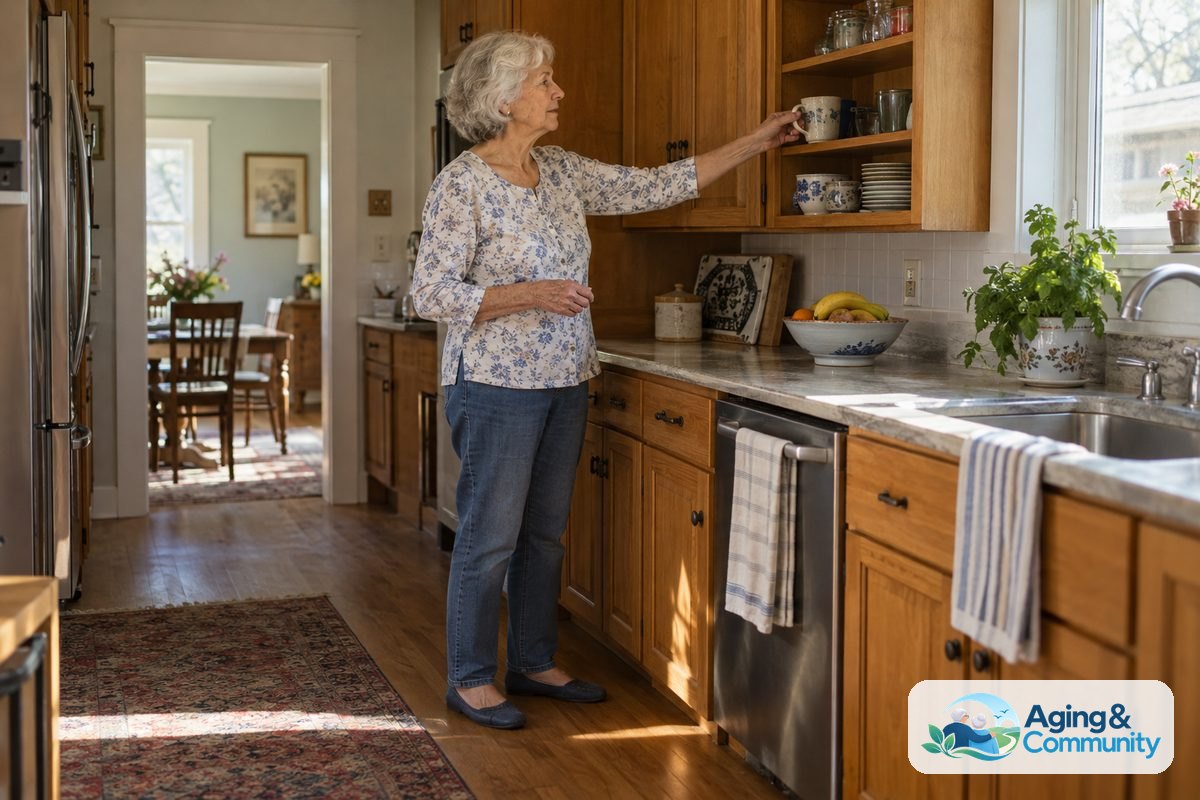
Falls Can Change Daily Life in Small and Big Ways
A fall may lead to soreness, bruising, fear of moving around, or a need for extra help with daily tasks. Even when there is no major injury, a person may start avoiding stairs, showers, walks, or visits with friends.
That change can make life feel smaller. A person may move less, spend more time sitting, and lose some confidence. Taking simple safety steps can help people keep doing the things that give their days meaning.
Fall prevention also supports family caregivers. When the home is easier to move through and routines are clearer, everyone may feel more prepared. A practical home fall checklist can make it easier to spot changes one room at a time.
Many Fall Risks Are Easy to Miss
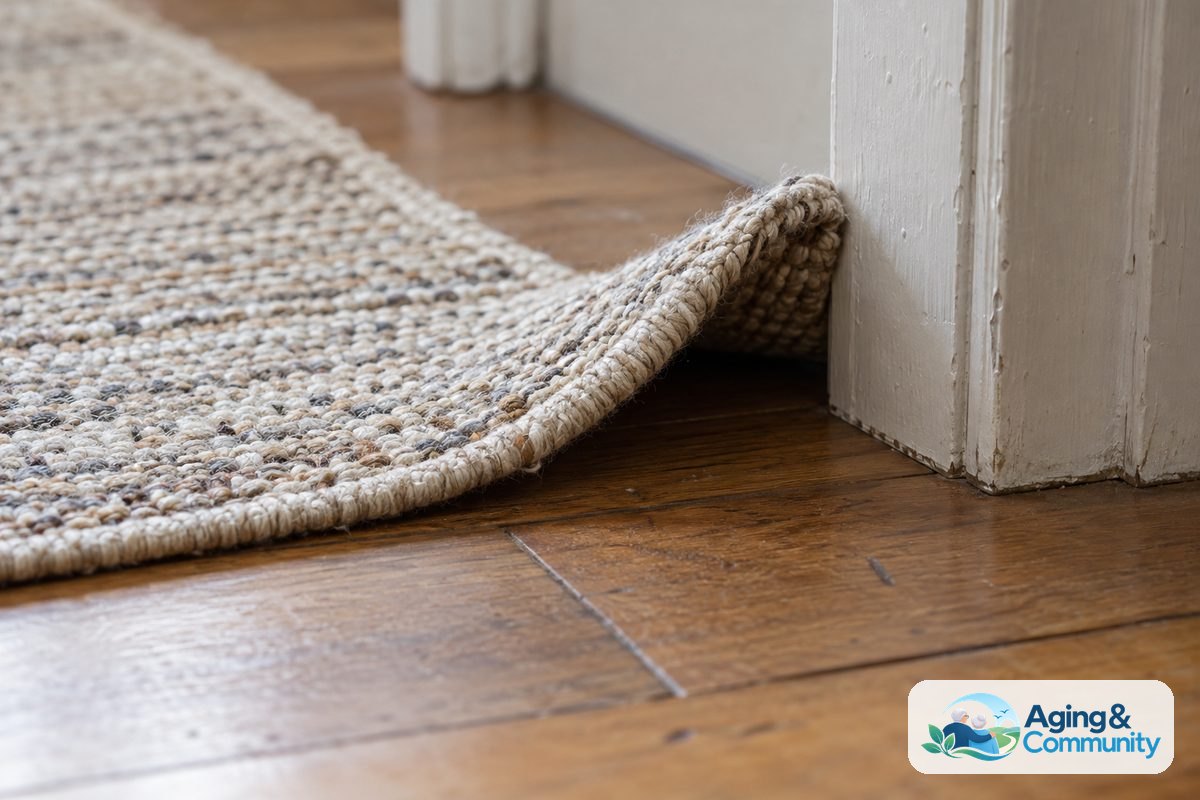
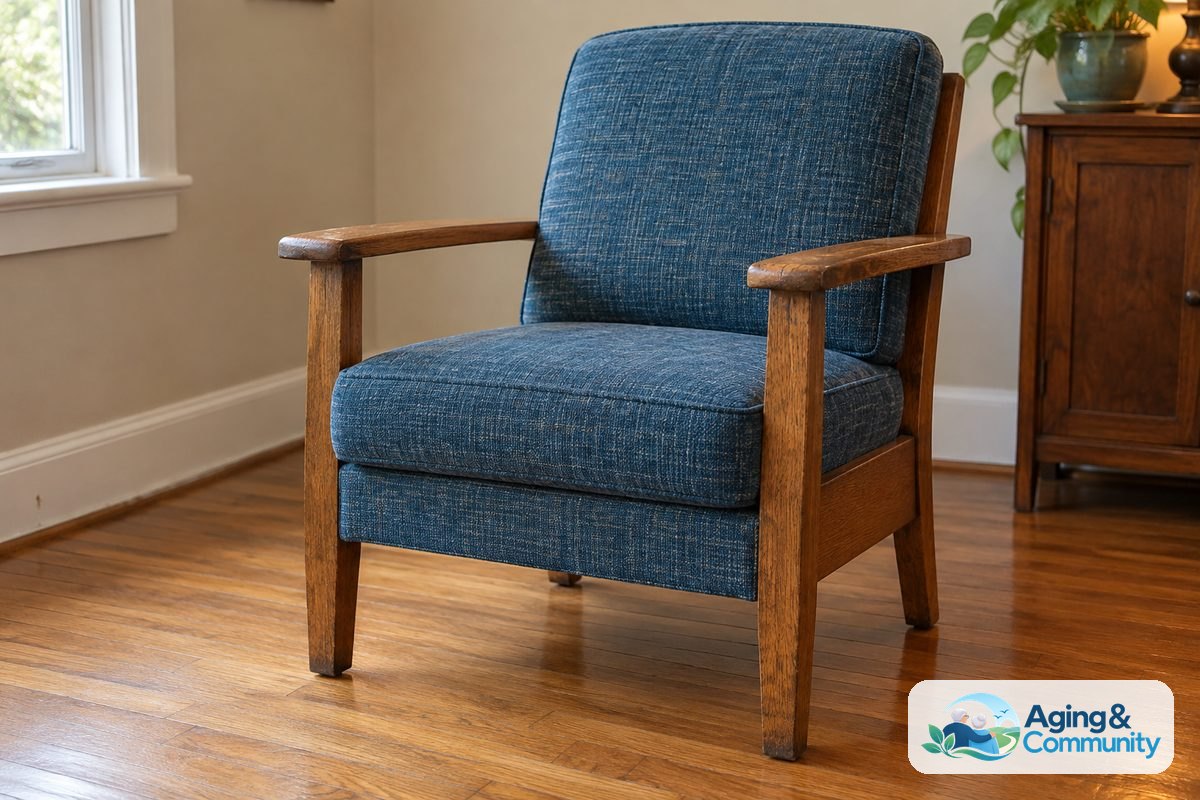
Fall risks are not always obvious. A hallway rug may seem harmless until it curls at the corner. A favorite chair may be too low. A lamp may not give enough light for safe walking at night.
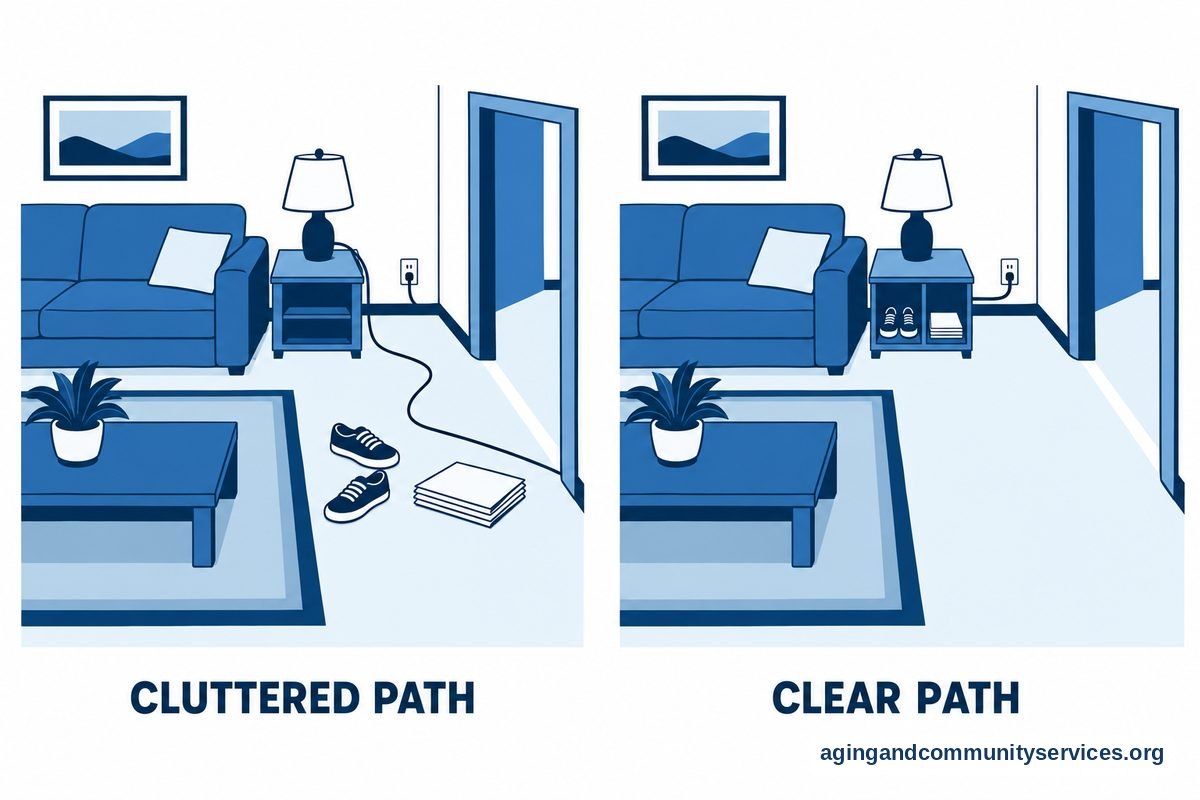
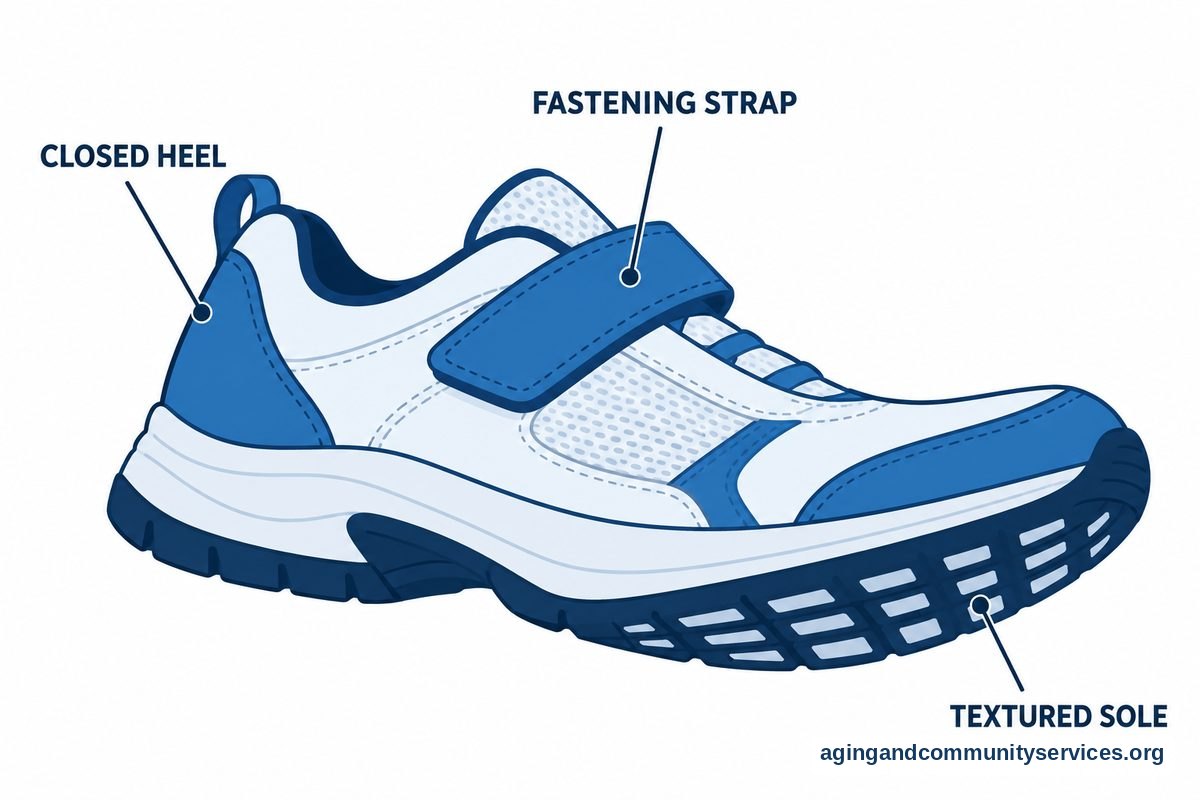
Common things that can add risk include clutter, loose cords, slippery floors, poor lighting, uneven steps, and hard-to-reach items. Shoes without firm backs or non-slip soles can also make walking less steady.
Health and daily routine can matter too. Changes in vision, hearing, sleep, strength, balance, or foot comfort may affect how someone moves. Some medicines can cause dizziness or sleepiness, so it is wise to ask a doctor or pharmacist to review them if there are concerns.
If you are trying to understand the reasons falls happen, a guide on why people fall can help you look beyond the obvious and see patterns in daily life.
Fall Prevention Helps Protect Independence
Independence often depends on everyday movement. Getting out of bed, walking to the bathroom, cooking a meal, picking up the mail, and visiting others all require steady steps.
When a person feels safer moving around, they may be more willing to stay active. That can support strength, balance, mood, and social connection. The goal is not to remove every risk from life. The goal is to make normal routines easier and safer.
The National Institute on Aging explains that steps such as exercise, home safety changes, and health checkups can lower the risk of falls. You can read more in its guide to falls and fall prevention.
For many households, the most helpful changes are simple. Move often-used items to easy-to-reach shelves. Add brighter bulbs where needed. Keep walkways clear. Use a stable chair with arms. Ask for help with tasks that require climbing.
A Safer Home Can Support Confidence
Home is where many daily movements happen without much thought. That is why small home changes can be so helpful. The best place to start is often the path used most often, such as the route from the bed to the bathroom or the kitchen to the living room.
Look for anything that makes a person slow down, step over, twist, stretch, or rush. These moments are worth improving because they happen again and again.
- Clear newspapers, shoes, bags, and cords from walking paths.
- Secure or remove loose rugs that slide or curl.
- Use night lights in halls, bedrooms, and bathrooms.
- Keep a phone within reach in often-used rooms.
- Place frequently used items between waist and shoulder height.
- Consider grab bars near the toilet and shower, installed by someone who can do it safely.
A room-by-room home safety checklist can help families work through the house without feeling rushed. If there are concerns about bathroom safety, stairs, or mobility equipment, an occupational therapist can suggest practical home changes.
Movement, Strength, and Balance Matter
Staying active can support steadier movement, but the right activity depends on the person. Some people may do well with walking, gentle strength work, or balance practice. Others may need guidance because of pain, dizziness, a recent fall, or a health condition.
Before starting a new exercise routine, it is wise to ask a doctor or physical therapist what is safe. A physical therapist can check balance, walking pattern, strength, and how a person gets in and out of chairs or uses stairs.
Useful movement goals may include:
- Standing up from a chair with control.
- Turning slowly instead of pivoting fast.
- Practicing safe steps in good lighting.
- Using a cane or walker the way it was fitted.
- Taking breaks before getting too tired.
If exercise is part of the plan, a guide to fall prevention exercises can give ideas to discuss with a professional. The National Council on Aging also notes that evidence-based programs and practical steps can lower fall risk in its overview of falls prevention facts.
Health Checkups Can Find Helpful Clues
Fall prevention is not only about the house. It is also about noticing changes in the body and daily habits. A person who feels dizzy when standing, has foot pain, struggles to see at night, or feels unsteady after a medicine change should speak with a health professional.
Helpful checkups may include vision care, hearing care, foot care, medicine review, and a balance or walking assessment. These visits do not need to be dramatic. They are a practical way to ask questions and adjust routines.
It can help to bring notes to an appointment. Write down when unsteadiness happens, what shoes were worn, what medicines were taken, and whether it happened after standing, turning, using the bathroom, or walking outside.
Questions to ask may include:
- Could any medicines make dizziness or sleepiness more likely?
- Would a physical therapy visit be useful?
- Should vision, hearing, or feet be checked?
- Is a cane, walker, or other device needed or adjusted?
- Are there activities that should be changed for now?
What You Can Do Next
You do not need to fix everything at once. Start with the areas used every day and choose changes that are simple, respectful, and realistic. If you are helping a parent or loved one, include them in each decision when possible.
- Walk through the home slowly. Look for clutter, loose rugs, dim lights, cords, and hard-to-reach items.
- Focus on night paths. Make the route to the bathroom clear and well lit.
- Check shoes and slippers. Choose footwear that fits well, stays on the foot, and has a non-slip sole.
- Talk about recent slips or near falls. Ask what happened without blame, then look for a pattern.
- Schedule a medicine review. Ask a doctor or pharmacist about dizziness, sleepiness, or balance concerns.
- Ask about therapy support. A physical therapist can help with strength and balance. An occupational therapist can help with home setup and daily tasks.
If you want a broader plan, a guide to fall prevention basics can help you organize next steps. Keep the tone calm and practical. Small changes, made with care, can support safer movement and more confidence at home.
Frequently Asked Questions
Why do falls happen more often with age?
Falls can happen for many reasons. Balance, strength, vision, hearing, foot comfort, medicines, clutter, lighting, and uneven surfaces can all play a role. Often, more than one factor is involved.
If falls or near falls are happening, it is helpful to speak with a doctor, physical therapist, or occupational therapist. They can look for patterns and suggest next steps that fit the person.
What is the most important first step for fall prevention?
A good first step is to clear the main walking paths and improve lighting. These changes are simple and can help right away in the places used most often.
After that, review shoes, bathroom safety, stairs, and any recent changes in health or medicine. If balance feels less steady, ask a doctor whether physical therapy may help.
How can family members talk about fall risk without upsetting someone?
Use a respectful, practical tone. Instead of saying, “You are not safe,” try saying, “I noticed this rug slides. Would it be okay if we move it or secure it?”
Offer choices whenever possible. Many people are more open to changes when they feel included and respected.
Are grab bars and walkers always needed?
No. The right support depends on the person, the home, and how they move. Some people need better lighting and fewer trip hazards. Others may benefit from grab bars, a cane, a walker, or therapy guidance.
A doctor, physical therapist, or occupational therapist can help decide what may be useful. Devices should fit well and be used correctly.
What should someone do after a fall?
If there is pain, dizziness, confusion, trouble walking, or any concern, contact a health professional. Even if the person feels fine, it is worth sharing the fall with a doctor so possible causes can be reviewed.
Write down where it happened, what time of day it was, what the person was doing, and whether anything felt different before the fall. These details can help guide safer next steps.