

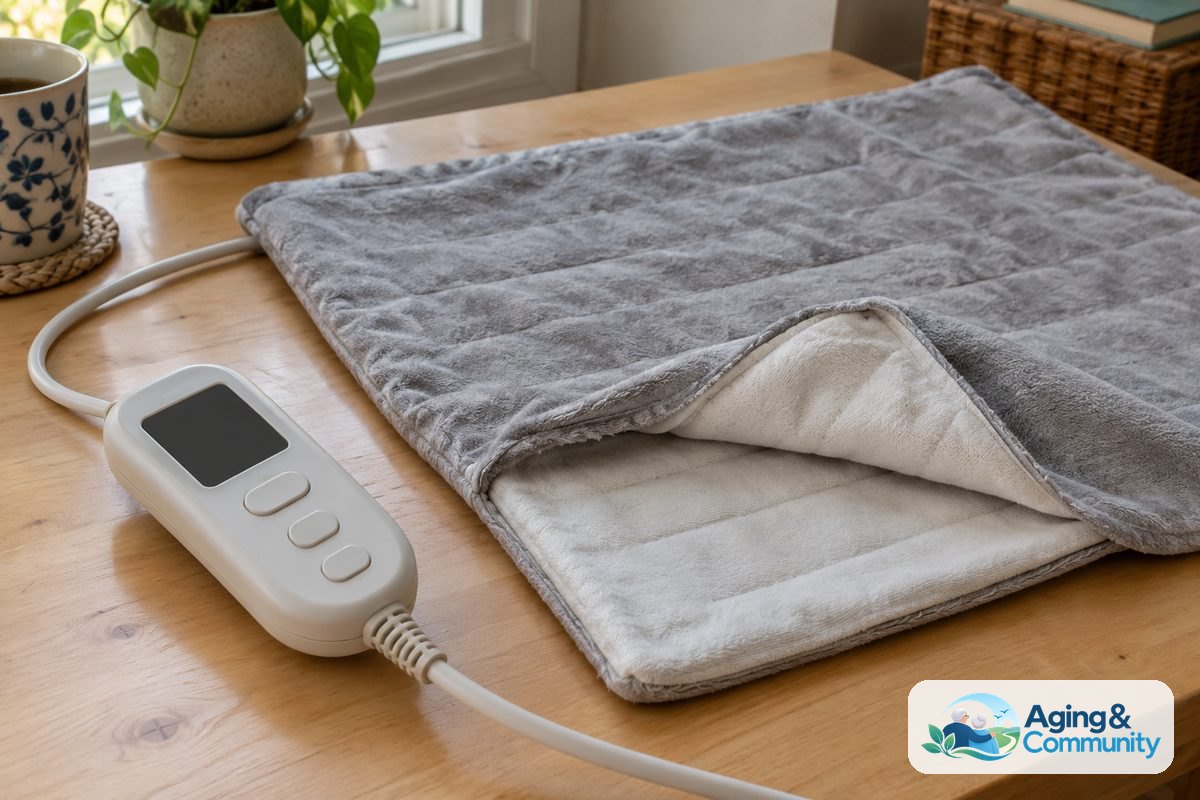
Safe heating pads for elderly comfort can be a helpful home item when they are chosen and used with care. The safest options are usually easy to control, shut off on their own, and are used for short periods while the person is awake and able to notice heat.
A heating pad should feel warm, not hot. If there is numbness, fragile skin, memory trouble, diabetes, poor circulation, or a recent injury, it is wise to ask a doctor, physical therapist, or occupational therapist before using one.

What Makes a Heating Pad Safer to Use
The safest heating pad is not always the strongest one. It is the one that is simple to use, easy to check, and hard to leave on by mistake. Look for features that reduce guesswork and make daily use calmer for the person and the caregiver.
- Automatic shutoff: This turns the pad off after a set time, which can lower the chance of overheating if someone forgets it is on.
- Low heat settings: A gentle setting is often enough for comfort and is easier to manage than very hot settings.
- Clear controls: Large buttons, simple labels, and lights that are easy to see can help reduce mistakes.
- Soft cover: A washable cover adds a layer between the skin and the heat source.
- Flexible size: A pad that fits the area well is easier to place safely than one that must be folded.
- Good cord condition: The cord should be smooth, firm, and free from cracks, fraying, or loose parts.
Avoid using a heating pad that has a damaged cord, a strange smell, scorch marks, or uneven heating. If the pad feels too hot in one spot, stop using it. Do not try to repair an electric heating pad at home.
Some people also compare heating pads with warming blankets. If the goal is whole body warmth rather than a small area of comfort, an article on electric blankets for elderly use may help explain the difference.
How to Use a Heating Pad More Safely
Safe use matters as much as the product itself. A heating pad should be used while the person is awake, alert, and able to say if it feels too warm. It should not be used during sleep or under heavy blankets, pillows, or body weight.
Start with the lowest setting. Place the pad over clothing or over its cover, not directly on bare skin. Check the skin after a short time, especially if the person has delicate skin or does not feel temperature changes clearly.
- Use the lowest comfortable setting.
- Keep each session short unless a clinician gives different guidance.
- Do not lie on top of the pad.
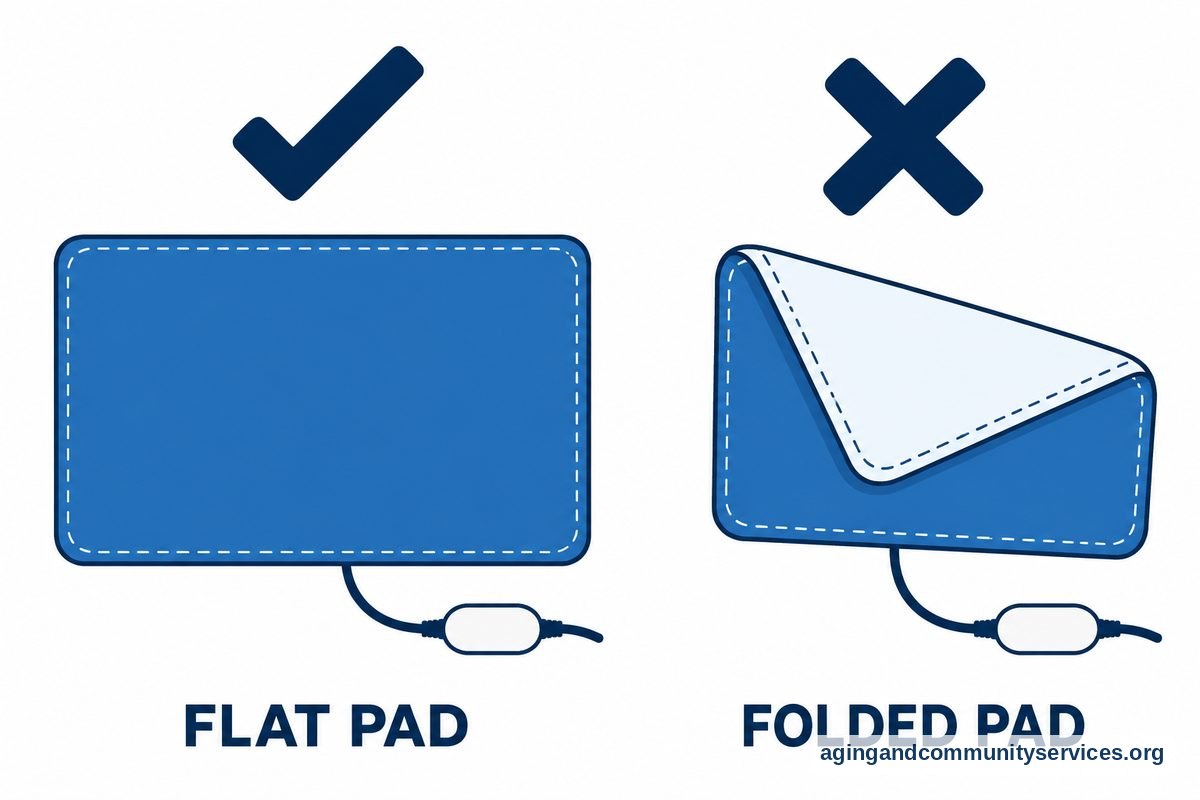
- Do not fold, bunch, or pin the pad.
- Keep the control where it can be reached easily.
- Unplug the pad when the session is done.
If the skin looks very red, blotchy, irritated, or uncomfortable, stop using the pad. If there is pain, swelling, open skin, or a new health concern, speak with a doctor or other qualified clinician before using heat again.
For people using heat for stiff joints or everyday comfort, it can also help to read about heating pads for arthritis pain, while remembering that product choices should still fit personal health needs.
Who Should Ask a Clinician First
Some people need extra care with heat. This does not mean they can never use a heating pad. It means they should get personal guidance before making it part of a routine.
Ask a doctor, physical therapist, or occupational therapist first if the person has reduced feeling in the skin, diabetes, poor circulation, fragile skin, memory changes, limited movement, or trouble removing the pad without help. It is also wise to ask before using heat after surgery, after a fall, or on a new injury.
Heat should not be placed over open skin, irritated skin, swelling, or areas where the person cannot clearly feel hot and cold. If the person uses creams, patches, or topical products, ask a pharmacist or clinician whether heat is safe to use with them. Some products can make skin more sensitive to heat.
Family members can help by making a simple plan. Write down where the pad may be used, the setting to choose, how long to use it, and where to store it afterward. A short written routine can make use more consistent and less stressful.
Room Temperature and Heat Safety at Home
A heating pad is only one part of staying comfortable. Room temperature, clothing layers, hydration, and air flow also matter. Too much heat in the room, combined with a heating pad, can make someone feel unwell before they notice what is happening.
The National Institute on Aging explains that heat safety for adults includes paying attention to indoor heat, medicines, and health conditions. That guidance is about hot weather, but the same careful thinking can help at home when using personal warming products.
Keep the room comfortable rather than very warm. If the person is using a heating pad, avoid adding several other heat sources at the same time, such as a space heater very close by or a heavy blanket over the pad. A heating pad should never be used as a substitute for safe home heating.
For more help with indoor comfort, see this guide to safe room temperature for elderly homes. In cold weather, broader steps from a winter safety for seniors guide may also help with clothing, walkways, and home routines.
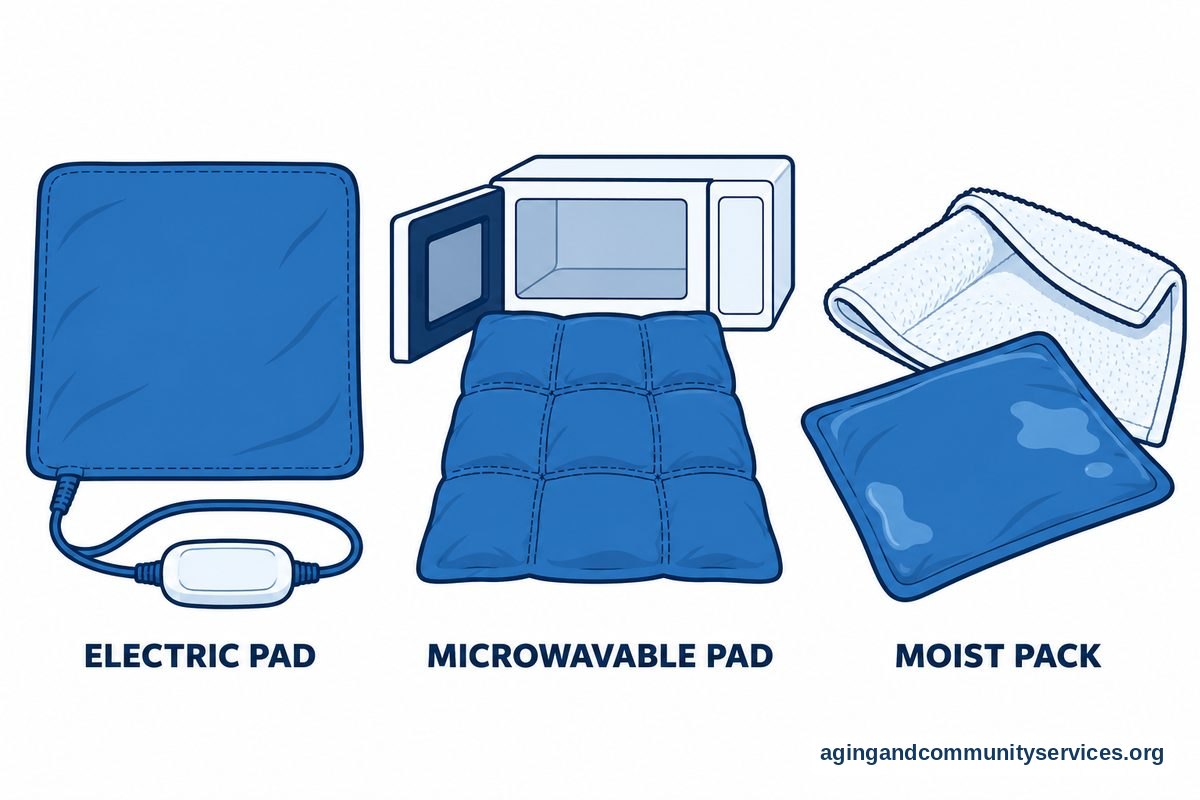
Choosing Between Electric, Microwavable, and Moist Heat Pads
There are several types of heating pads. Each has benefits and limits. The safest choice depends on the person using it, how much help they have, and how easy the product is to manage.
| Type | Possible Benefit | Safety Notes |
|---|---|---|
| Electric heating pad | Steady warmth with adjustable settings | Choose automatic shutoff, use low heat, and unplug after use |
| Microwavable pad | No cord during use | Can overheat in the microwave, so follow directions closely and check temperature before placing on skin |
| Moist heat pad | Some people prefer the feel of damp warmth | Use only as directed and avoid wet electric parts unless the product is made for that use |
| Disposable heat wrap | Portable and simple for some people | May stay warm for a long time, so check skin and avoid use during sleep |
Electric pads are common because they offer steady warmth and simple controls. They also need the most attention to cords, settings, and shutoff. A pad with a clear timer and low heat setting is often easier for daily routines.
Microwavable pads can be useful when cords are a problem, but they can heat unevenly. Shake or knead the pad if the directions allow it, then test it with your hand before use. If it feels hot rather than warm, let it cool first.
Moist heat pads should be used only as the maker directs. Do not add water to an electric pad unless the product is specifically made for that. Water and electricity should never be mixed outside the product instructions.
What Caregivers Can Do Next
A simple setup can make heating pad use easier and safer. You do not need a complex system. A few practical steps can help the person enjoy warmth while lowering avoidable risks.
- Check the heating pad: Look for frayed cords, cracks, scorch marks, broken controls, or uneven heat.
- Choose one location: Use the pad in a chair or spot where the person is awake and comfortable.
- Set a timer: Use the pad’s automatic shutoff and add a kitchen timer or phone reminder if helpful.
- Write simple instructions: Note the heat setting, where to place the pad, and when to unplug it.
- Keep skin checks gentle: Look for redness or irritation after use, especially during the first few sessions.
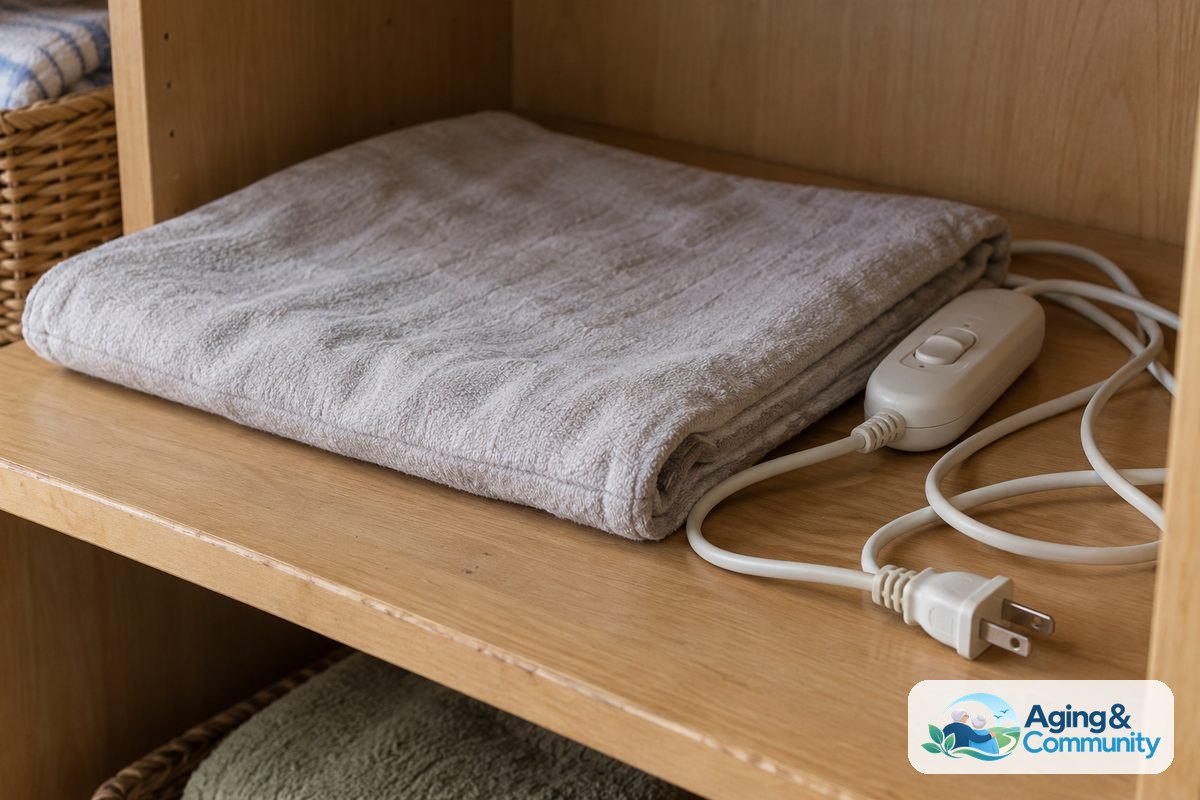
- Store it safely: Let the pad cool, unplug it, and place it flat or loosely rolled as directed.
If the person lives alone and needs help with home safety, local support may be available through the Eldercare Locator. They can help connect families with services in their area.
If you are unsure whether heat is a good fit, ask a doctor, physical therapist, or occupational therapist. They can suggest safe placement, timing, and other comfort options based on the person’s health, movement, and skin sensitivity.
Frequently Asked Questions
Are heating pads safe for elderly people?
Heating pads can be used more safely when the person is awake, can feel temperature well, and can remove the pad without trouble. Choose a pad with automatic shutoff, use the lowest comfortable setting, and avoid placing it directly on bare skin. If there are health concerns such as reduced feeling, diabetes, poor circulation, or memory changes, ask a clinician first.
How long should an elderly person use a heating pad?
Use short sessions unless a doctor, physical therapist, or occupational therapist gives different guidance. The person should stay awake and alert the whole time. A timer can help, even if the pad has automatic shutoff.
Can someone sleep with a heating pad on?
No. A heating pad should not be used during sleep. When someone is asleep, they may not notice that the pad is too warm, folded, trapped under the body, or left on longer than planned.
Should a heating pad go on bare skin?
It is better to keep a layer between the heating pad and the skin. Use the pad’s cover, light clothing, or a thin towel if the directions allow it. The heat should feel warm and comfortable, never hot.
What is the safest heating pad setting?
The lowest setting that feels comfortably warm is usually the safest place to start. Higher settings can be harder to judge, especially for someone with sensitive skin or reduced feeling. If low heat is not enough, ask a clinician for guidance before using stronger heat often.
When should a heating pad not be used?
Do not use a heating pad on open skin, irritated skin, swelling, or an area that cannot clearly feel hot and cold. Avoid using it with heat creams, patches, or topical products unless a pharmacist or clinician says it is okay. Stop use if the skin looks irritated or the person feels discomfort.