

A safe room temperature for elderly people is usually a steady, comfortable indoor range that does not feel too hot, too cold, or damp. Many homes feel safest when living areas stay around the low to mid seventies during warm weather, with bedrooms kept comfortable for sleep. Older adults may not feel heat or cold as quickly, so it helps to check the room, the person, and the weather together.
There is no single number that fits every home or every person. Health conditions, medicines, clothing, activity level, humidity, and the type of home all matter. If someone has heart, lung, kidney, diabetes, memory, or mobility concerns, ask a doctor what indoor temperature range is right for them.
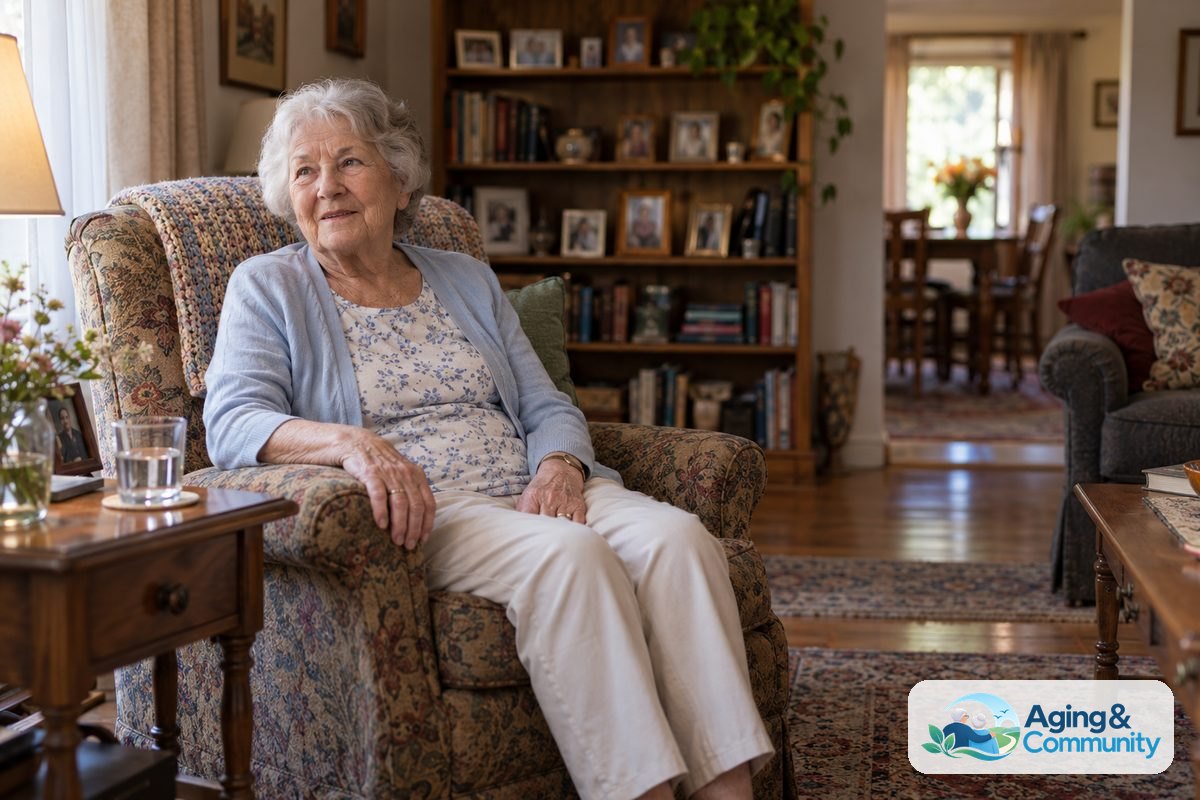
What Is a Safe Home Temperature for Elderly People?
A safe home temperature for elderly family members is one that keeps the body from working too hard to cool down or warm up. In hot weather, a room can feel risky even before it feels extreme, especially when humidity is high. In cold weather, a room can feel acceptable at first but become uncomfortable after a long time sitting still.
Use the thermostat as a guide, not the only answer. A person who is sweating, flushed, dizzy, chilled, confused, or unusually tired may need attention even if the number on the wall looks normal. A simple room thermometer can help if the thermostat is in a hallway, near a vent, or in direct sun.
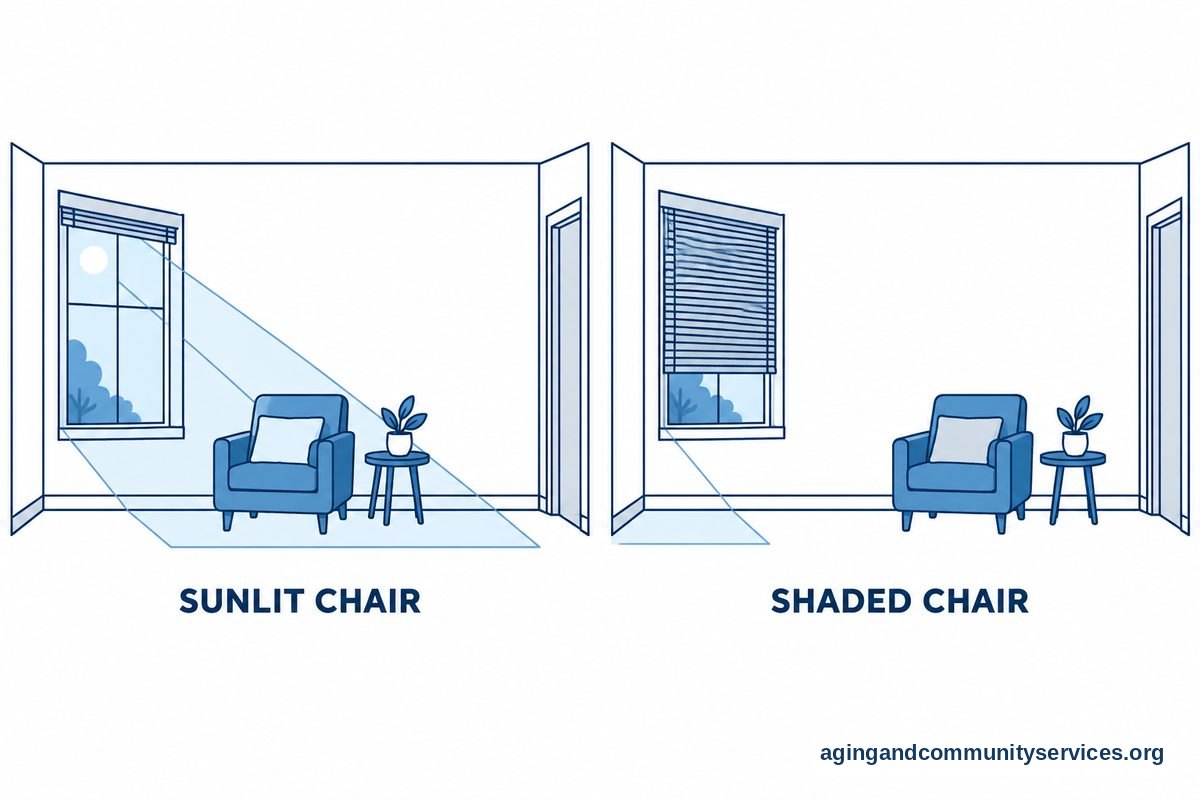
Pay special attention to the rooms used most: bedroom, bathroom, kitchen, and favorite chair area. These spaces can be very different from the thermostat reading. A sunny bedroom or a closed bathroom may heat up quickly, while a basement room may stay cool and damp.
- Keep air moving gently with a fan when it feels comfortable.
- Close curtains during the hottest part of the day.
- Open interior doors so air can move through the home.
- Check upstairs rooms, which often get warmer than lower floors.
- Ask a clinician about safe temperature ranges if health needs are complex.
Why Heat and the Elderly Need Extra Attention
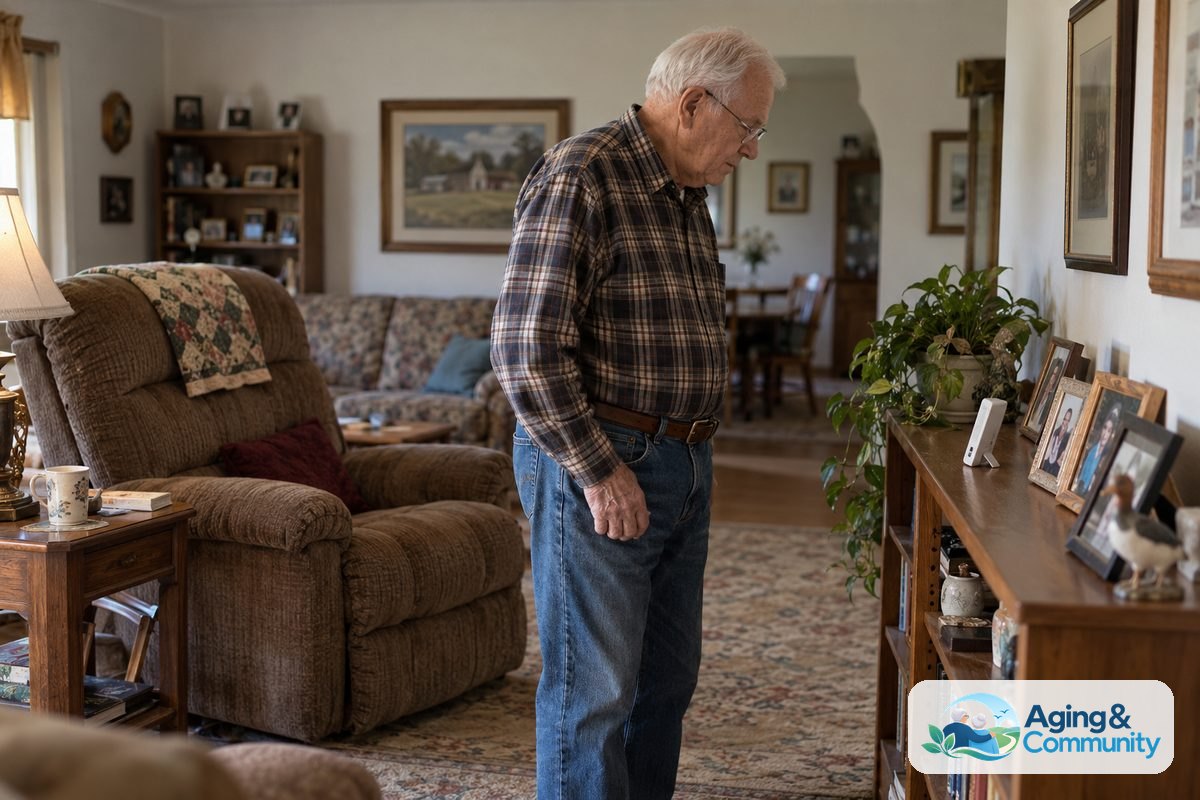
Heat and the elderly can be a difficult mix because the body may adjust more slowly with age. Some medicines can also affect thirst, sweating, balance, or energy. That does not mean every hot day is an emergency, but it does mean small changes can help.
Humidity matters because sweat does not cool the body as well when the air is heavy. A room that is only moderately warm may feel much harder to handle when it is humid. If the person says the air feels thick, sticky, or tiring, take that seriously.
Daily routines can also add heat. Cooking, laundry, hot showers, sunlight through windows, and sitting near electronics can make one area of the home warmer. Try to shift warm tasks to cooler parts of the day when possible.
For more seasonal planning, a dedicated guide to heat safety for seniors can help families think through errands, hydration, clothing, and home checks. If cooling costs or access are a concern, information on heat assistance for seniors may be useful.
Signs a Room May Be Too Hot
A room may be too hot if the person cannot get comfortable after lighter clothing, cool drinks, shade, and rest. Watch for changes from their usual behavior. The goal is not to guess a diagnosis, but to notice when support is needed.
Possible signs of heat strain can include heavy sweating, weakness, headache, nausea, muscle cramps, fast pulse, dizziness, or feeling faint. Some people may have dry skin instead of sweating. Others may seem confused, unusually quiet, irritable, or unsteady.
If symptoms are new, severe, or do not improve after moving to a cooler place, call a medical professional or local emergency services. If the person has chest pain, trouble breathing, fainting, or severe confusion, seek urgent help right away.
Use a simple check pattern during hot spells. Look at the thermostat, feel the air in the room, ask how the person feels, and offer water unless a clinician has limited fluids. Then check again later, especially in the afternoon and evening.
| What You Notice | Practical Step |
|---|---|
| Room feels stuffy or still | Use a fan, open a door, or move to a cooler room. |
| Sun is heating the room | Close blinds or curtains on sunny windows. |
| Person feels weak or dizzy | Have them sit, offer fluids if allowed, and call for medical advice if it does not ease. |
| Bedroom stays warm at night | Use lighter bedding and check whether another sleeping area is cooler. |
Heat Safety for Seniors Without AC
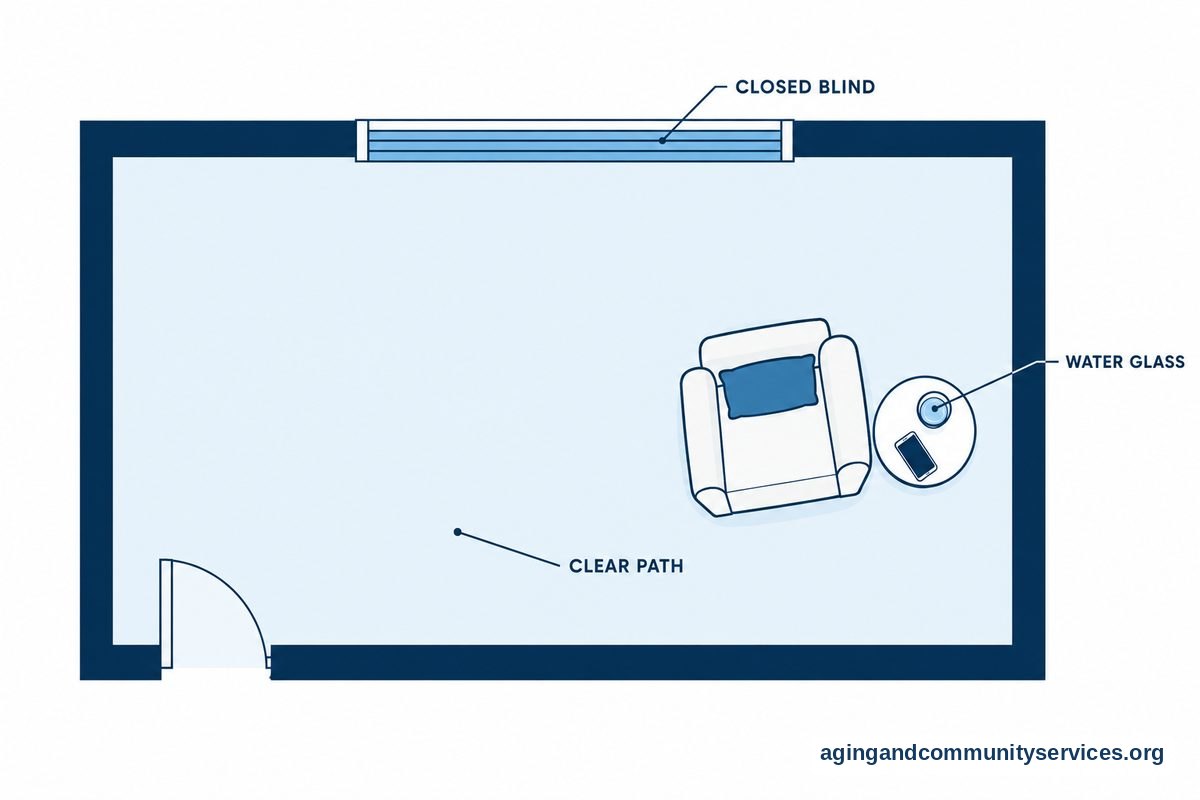
Heat safety for seniors without AC starts with making the coolest part of the home easier to use. This may be a shaded room, lower floor, or room with the least sun. Set up a chair, water, phone, light snack, and needed items there before the hottest hours.
Fans can help when the air is not too hot, but they may not be enough during very high heat. If a fan makes the room feel like hot air is blowing on the person, try shade, cool cloths, lighter clothing, and a cooler location instead. A shower or sponge bath with comfortably cool water may also help the person feel better.
When the home stays hot, consider safe places nearby during the warmest part of the day. These may include a library, community center, mall, faith community, or a relative’s home. The Eldercare Locator can help connect families with local aging services.
Keep routines simple. Cook without the oven when possible, limit heavy chores, and plan errands for early morning. If the person uses a walker, cane, oxygen, or other equipment, make sure any cooling plan still supports safe movement.
- Use light, loose clothing.
- Keep drinking water within reach, unless fluids are restricted.
- Place a cool cloth on the neck or wrists.
- Rest during the hottest hours.
- Check in by phone or in person at least daily during heat waves.
Cold Rooms Matter Too
Safe home temperature for elderly people is not only about heat. A room that is too cold can make it harder to relax, sleep, or move safely. Cold bathrooms, drafty bedrooms, and long periods of sitting can be especially uncomfortable.
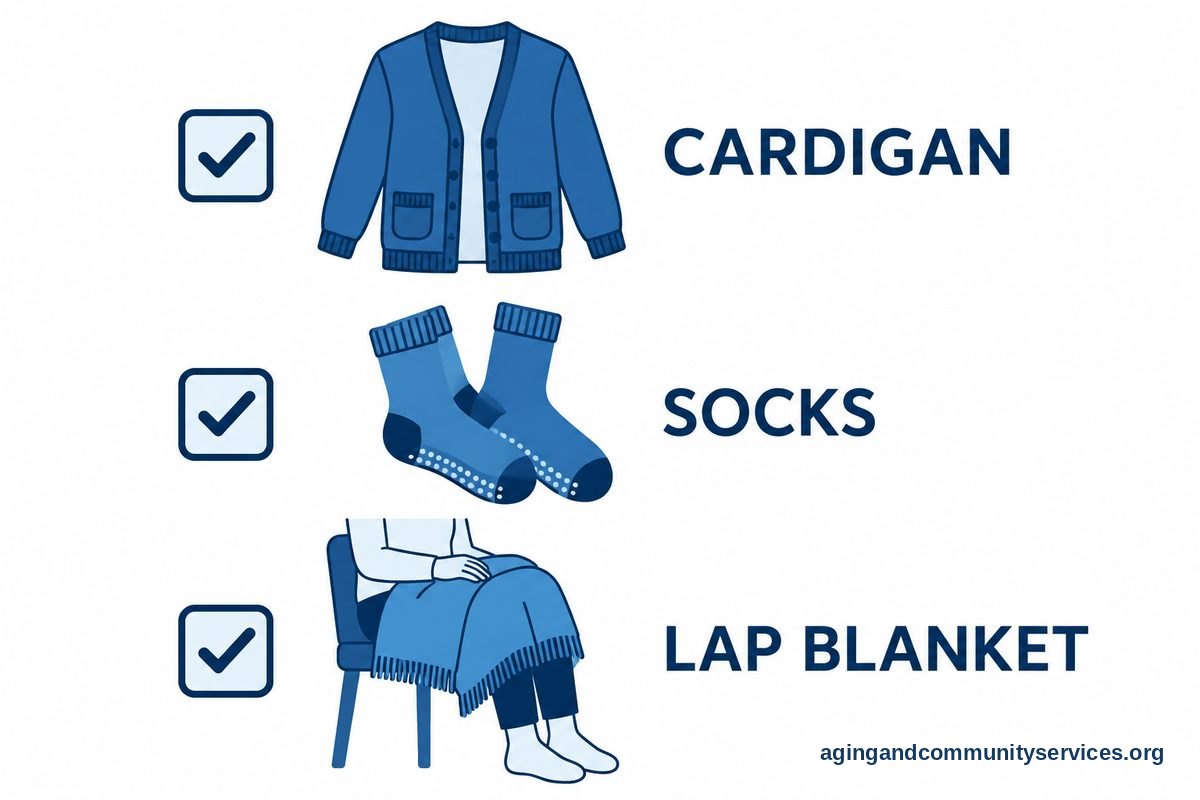
Layered clothing, warm socks, lap blankets, and closing drafts can help. Space heaters need extra care. Keep them away from bedding, curtains, papers, and walking paths, and follow the device instructions.
Cold weather can also affect balance and home safety. Stiff joints, bulky clothing, and poor lighting may make movement harder. The National Institute on Aging offers practical advice on falls and falls prevention, which can be helpful when rooms, floors, or entryways are harder to navigate.
For a seasonal plan beyond room temperature, review winter safety for seniors and make sure heating, lighting, footwear, and emergency contacts are easy to manage.
How to Check the Home Room by Room
A room by room check can show problems that the main thermostat misses. Walk through the home at different times of day. Notice sun, drafts, closed vents, dampness, and rooms that feel much warmer or colder than others.
Start with the bedroom. Sleep can be affected when a room is too hot, too cold, or stuffy. Keep bedding easy to adjust, and avoid heavy blankets that are hard to move if the person has weakness or pain.
Next, check the bathroom. It can heat up after showers and become chilly afterward. Use good ventilation, dry floors, and keep towels and clothing within reach so the person does not rush.
Then look at the kitchen and living area. Cooking can warm the kitchen fast, while a favorite chair may sit in direct sun. A simple home safety checklist can help families look at temperature, lighting, clutter, and fall risks at the same time.
- Place a thermometer in rooms used often.
- Move favorite seating away from sunny windows when needed.
- Keep pathways clear around fans, cords, and heaters.
- Make sure windows and doors can open and close safely.
- Write down problem rooms so repairs are easier to plan.
What You Can Do Next
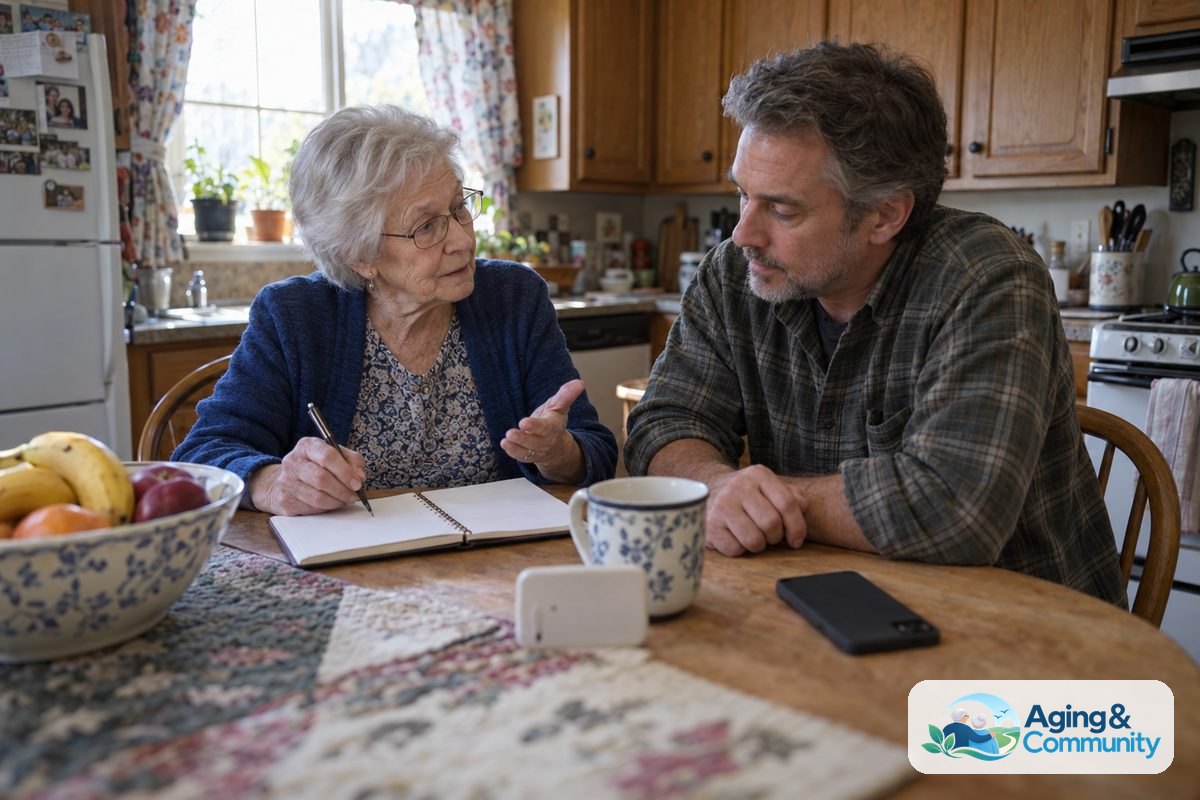
Start with one small step today. Check the room where the person spends the most time, then ask if they feel warm, cool, thirsty, tired, or comfortable. Write down the room temperature and the time of day.
If the home is too warm, lower shades, move to a cooler room, offer fluids if allowed, and reduce heat from cooking or laundry. If the home is too cold, add layers, block drafts, and check that heating equipment is working safely.
Make a short contact plan. Include family, neighbors, building staff, primary care office, pharmacy, and local aging services. If the person lives alone, agree on check in times during heat waves, cold snaps, or power outages.
Talk with a doctor, physical therapist, or occupational therapist if temperature changes affect balance, breathing, sleep, thinking, or daily routines. They can help match advice to the person’s health, medicines, and home setup. If aging at home is the goal, the National Institute on Aging has guidance on aging in place.
- Put a room thermometer in the main living space.
- Check the bedroom and bathroom next.
- List any rooms that are hard to cool or warm.
- Set up a cooler or warmer backup place.
- Ask a clinician about personal temperature needs.
Frequently Asked Questions
What is heat exhaustion in seniors?
Heat exhaustion in seniors is a common search term for symptoms that may happen when the body is under heat strain. Signs can include heavy sweating, weakness, dizziness, headache, nausea, or feeling faint. Because symptoms can overlap with other health issues, call a medical professional if you are unsure or if symptoms do not improve in a cooler place.
What helps with heat safety for seniors without AC?
Use the coolest room, block sun, run fans only when they make the person feel better, and plan time in a cooler public or family space if the home stays hot. Keep water nearby unless a doctor has limited fluids. Check in more often during long hot spells.
What is the main heat danger for elderly people at home?
The main heat danger for elderly people at home is that the room can become too warm before anyone notices. Humidity, medicines, limited movement, and closed rooms can add to the problem. Watching comfort, behavior, and room temperature together gives a clearer picture.
How are heat and the elderly affected by humidity?
Humidity can make a room feel hotter because sweat does not cool the body as well. A mildly warm room may feel tiring when the air is damp. A dehumidifier, fan, shade, or moving to a different room may help comfort, depending on the home.
What is a safe home temperature for elderly people at night?
A safe home temperature for elderly people at night is one that supports comfortable sleep without sweating, chills, or heavy bedding that is hard to move. Check the bedroom itself, not just the hallway thermostat. Ask a doctor for a personal range if health conditions or medicines affect temperature comfort.