

Grab bar weight capacity means how much force a grab bar is designed to hold when it is installed the right way. The number on the package matters, but the wall, fasteners, and placement matter just as much.
Most people are not using a grab bar to hang their full body weight for a long time. They use it for steady support while stepping, turning, sitting, or standing. A secure grab bar should feel solid, not wiggle, and should be installed according to the maker’s directions and local building rules when they apply.

What Grab Bar Weight Capacity Usually Means
When a grab bar lists a weight capacity, it is usually talking about the load the bar and mounting system are rated to handle under certain conditions. Those conditions may include the type of wall, the screws used, and how the bar is attached.
A rating is not a promise that every installation will hold the same amount. A strong bar can fail if it is mounted into weak material, placed with the wrong anchors, or installed with screws that are too short.
Weight capacity also depends on how force is applied. A steady pull is different from a sudden grab, a sideways pull, or a person slipping and putting quick force on the bar. That is why installation quality is the main issue, not just the number on the label.
If you are comparing options, start with products made for safety support, not towel bars. A towel bar is not made for body support. For a broader look at styles and uses, a guide to grab bars for seniors can help you understand common choices.
What Affects How Much a Grab Bar Can Hold
A grab bar works as part of a system. The bar, wall, fasteners, and user all affect how safe and steady it feels.
- Wall structure: A bar mounted into wood studs is usually stronger than one mounted only into drywall.
- Fasteners: Screws, bolts, anchors, and mounting plates must match the wall type and the maker’s instructions.
- Bar material: Stainless steel and other sturdy materials are common for permanent grab bars.
- Bar size: Longer bars may need more mounting points, and each point must be secure.
- Direction of pull: Pulling straight down is different from pulling out or sideways.
- Wall condition: Loose tile, crumbling plaster, water damage, or thin panels can reduce support.
Bathrooms deserve special care because moisture can weaken walls over time. If tile moves, grout is cracked, or the wall feels soft, the area should be checked before installing a bar.
The National Institute on Aging notes that home changes such as grab bars and better lighting can be part of falls and falls prevention planning. For personal advice about mobility, balance, or transfer needs, it is wise to speak with a doctor, physical therapist, or occupational therapist.

Permanent Grab Bars, Suction Bars, and Fold Down Bars
Different grab bars have different uses. The safest choice depends on where the bar will go and how much support the person needs.
Permanent wall mounted grab bars are often the strongest choice when installed into studs or with approved blocking and hardware. These are common near toilets, tubs, and showers. They are meant to stay in place.
Suction grab bars attach with suction cups and do not use screws. They may help with light balance support on a smooth, clean, flat surface, but they are not the same as a permanent bar. They should not be trusted for full weight support unless the maker clearly says so and the surface is suitable. If you are considering one, read about suction grab bars before choosing.
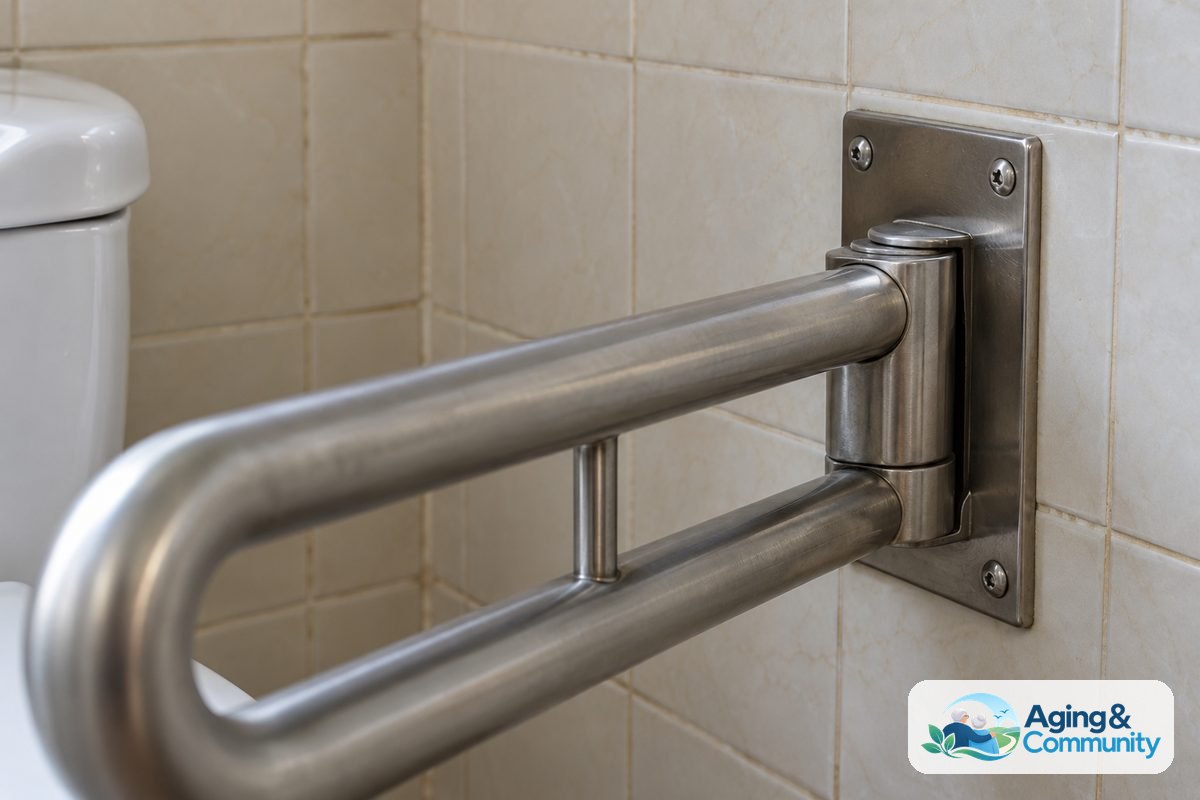
Fold down grab bars are often used near toilets when a wall beside the toilet is not available. These bars need very strong backing because they may place extra leverage on the wall. Professional installation is often a good idea.
Clamp on tub rails attach to the side of a tub. They can help some people step in and out, but the tub wall must be strong enough and the clamp must fit correctly. They are not right for every tub.
For bathing areas, it helps to compare options made for wet spaces. A page on bathroom grab bars can give more context on common designs and where they are used.
Why Installation Matters More Than the Label
A grab bar with a high weight rating still needs the right support behind it. The label is only one part of the decision. The real question is whether the bar is anchored into something strong enough to hold the expected force.
In many homes, the strongest place to attach a grab bar is into wall studs. Studs are the vertical wood or metal supports behind the wall surface. A stud finder can help locate them, but tile, plaster, and older walls can make this harder.
If studs do not line up with the best location, a qualified installer may use approved anchors, wall blocking, or a mounting system made for grab bars. The exact method depends on the wall. Drywall alone is usually not enough for a support bar.
Good installation also includes correct screw length, tight mounting plates, sealed holes in wet areas, and no movement after the bar is attached. A bar that wiggles, clicks, pulls away, or shifts should not be used until it is checked.
If you rent, ask the landlord or property manager before installing a permanent bar. Some areas have housing programs or local services that may help with home changes. The National Institute on Aging offers general guidance on aging in place, including planning for a safer home setup.

Where Weight Capacity Matters Most
Weight capacity matters in every location, but some spots place more demand on a grab bar. These are places where a person may shift weight, turn, or move between sitting and standing.
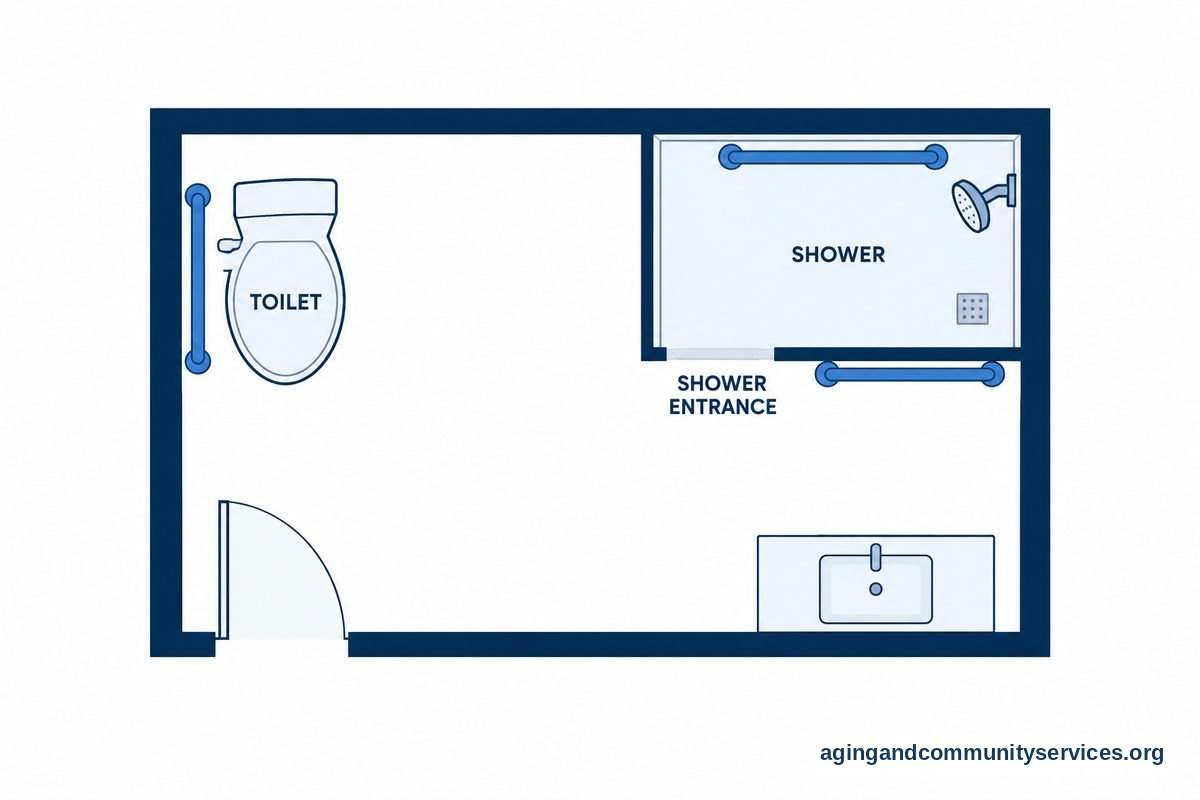
- Beside the toilet: The bar may be used to lower onto the seat or push up from sitting.
- At the shower entrance: The bar may be used while stepping over a curb or turning on a wet floor.
- Inside the shower: The bar may support balance during washing, reaching, or turning.
- Near a bathtub: The bar may help with stepping in and out, which can place angled force on the bar.
- Along a hallway or stair landing: The bar may help with steadying during a turn or pause.
Placement affects both comfort and strength. A bar that is too far away may cause awkward reaching. A bar that is too low or too high may not give steady support. For more help with location, see this guide to grab bar placement.
Inside a shower, think about how the person actually moves. The best place is often not the same for everyone. A guide to shower grab bar placement can help you plan before drilling into tile.
How to Read Product Labels and Instructions
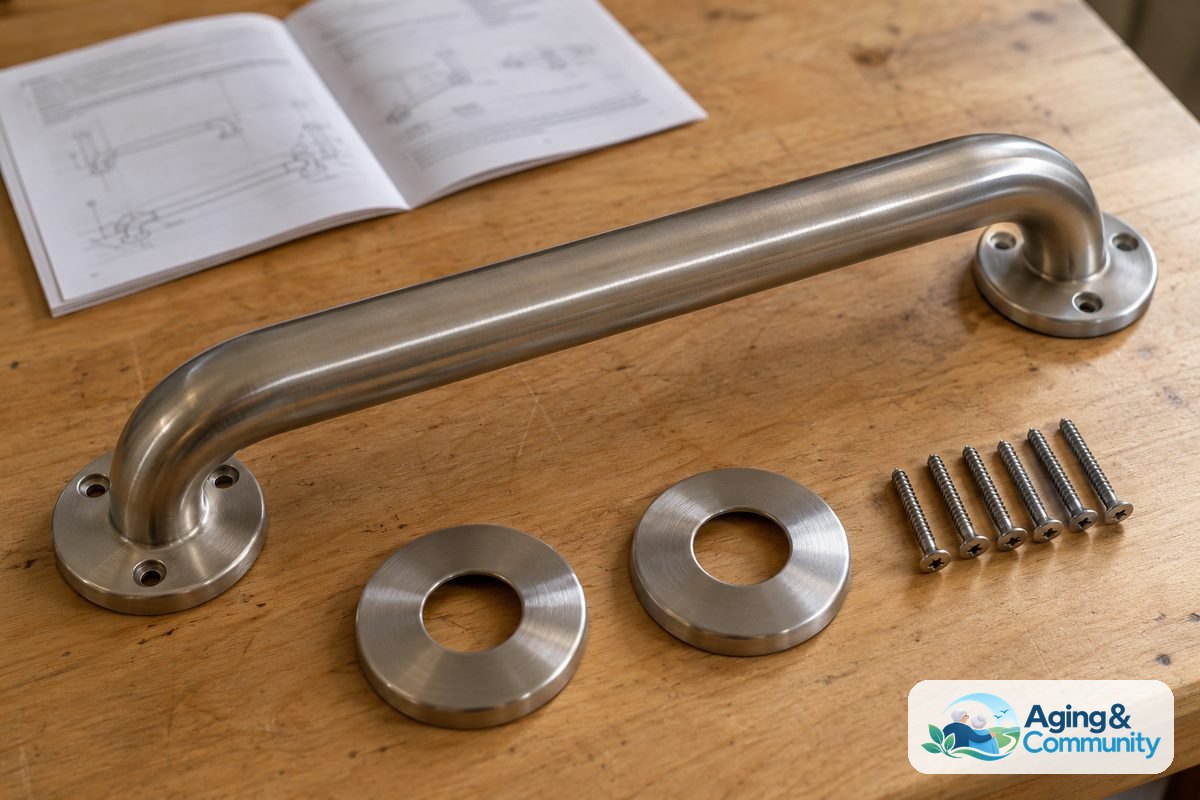
Before buying a grab bar, read the product details carefully. Look for the stated weight capacity, approved wall types, included hardware, and any limits listed by the maker.
Some bars include hardware only for certain walls. Others may require separate anchors or special mounting kits. If the instructions say the bar must be attached to studs, do not assume basic wall anchors are enough.
Useful label details may include:
- Rated capacity: The listed amount the bar is designed to support under proper installation conditions.
- Mounting type: Stud mounted, wall anchor mounted, suction mounted, or clamp mounted.
- Approved surfaces: Tile, fiberglass, drywall with studs, concrete, or other surfaces.
- Hardware included: Screws, anchors, plates, washers, or none.
- Care instructions: Cleaning and checking steps that keep the bar in good condition.
Also check the grip. A bar should be easy to hold with wet hands. Some have a textured surface, while others are smooth. The right diameter depends on hand size and comfort.
If the instructions are unclear, contact the maker or ask a qualified installer. Guessing is not a good plan when the bar is meant for body support.
What You Can Do Next
Start by deciding where support is needed most. Watch the daily routine, if the person is comfortable with that. Notice where they reach for a towel bar, sink, door frame, or wall. Those habits can show where a real grab bar may help.
- Choose the location first. Pick the exact spot based on how the person enters, turns, sits, stands, or steps.
- Check the wall. Look for studs, tile condition, water damage, loose panels, or other concerns.
- Choose the right bar type. Use permanent bars for strong support needs. Use suction bars only for light balance support if they are suitable for the surface.
- Follow the instructions. Use the hardware and wall type required by the maker.
- Consider a professional. A handyman, contractor, or licensed installer may be helpful, especially for tile, fiberglass, fold down bars, or unclear wall structure.
- Ask for personal guidance. A physical therapist or occupational therapist can suggest placement based on height, reach, strength, and daily routines.
After installation, check the bar often. It should stay tight, dry around the mounting points, and free of rust or sharp edges. If anything moves, stop using it for support until it is repaired or replaced.
If you need help finding local resources, the Eldercare Locator can connect families with services in their area.
Frequently Asked Questions
How much weight should a grab bar hold?
There is no single answer for every home. The right capacity depends on the person’s needs, the bar type, and how it is installed. Many permanent grab bars list a rated capacity, but that rating applies only when the bar is mounted as directed.
If the bar may be used during transfers, standing, or stepping into a shower, choose a sturdy permanent bar and install it into proper support. If you are unsure, ask a qualified installer or occupational therapist.
Can a grab bar hold full body weight?
Some permanent grab bars are designed for strong support when installed correctly. Still, the wall and fasteners must be able to handle the force. The bar alone does not decide this.
A suction bar or towel bar should not be treated as a full body support bar. If full support may be needed, use a product made for that purpose and follow the installation instructions closely.
Are suction grab bars safe for weight support?
Suction grab bars may be useful for light balance support on clean, smooth, flat surfaces. They can lose grip if the surface is textured, wet behind the suction cup, dirty, or slightly curved.
They are usually not the best choice when someone needs to pull hard, push up, or rely on the bar for major support. Always read the label and check the suction before each use.
Does a grab bar have to be installed into studs?
Stud mounting is often preferred because studs provide strong backing. Many permanent grab bars are designed to be screwed into studs or other solid support.
If studs are not in the right place, there may be other approved options, such as special mounting plates, blocking, or anchors made for grab bars. The right choice depends on the wall and the product instructions.
How do I know if a grab bar is installed correctly?
A correctly installed grab bar should feel firm with no wobble, gap, clicking, or shifting. The mounting plates should sit flat, and screws should be tight. In wet areas, the mounting points should be sealed as directed.
If the wall flexes, tile cracks, or the bar moves, do not use it for support until it is checked. A professional installer can inspect the bar and wall if you are not sure.
What is the best grab bar placement for support?
The best placement depends on the person’s height, reach, routine, and the layout of the room. A bar should be close enough to use without leaning too far or twisting awkwardly.
Common spots include beside the toilet, at the shower entrance, inside the shower, and near the tub. For a personal setup, an occupational therapist can suggest locations based on how the person moves at home.