

A wearable safety device for elderly adults is a small tool that lets someone call for help in an urgent situation. These items come as wristbands, pendants, or watches that connect to family or trained response teams at the press of a button. They provide everyday reassurance so people can live safely in their own homes.

How a Wearable Safety Device Works
Most safety tools rely on simple technology to keep you in touch with assistance. When you press the main help button, the unit sends a signal through a cellular network or a landline connection. That signal immediately dials a twenty-four-hour monitoring center or calls designated family members.
Many modern options include two-way speakers right inside the unit. This feature allows you to speak directly with an operator without needing to reach a telephone. The operator can assess the situation, contact emergency services, or call a neighbor on your contact list.
Some units are designed only for home use and connect to a tabletop base station. Other models include built-in cellular service and GPS tracking. These mobile units work anywhere there is adequate cell coverage, which allows you to run errands or take walks around the neighborhood with confidence.
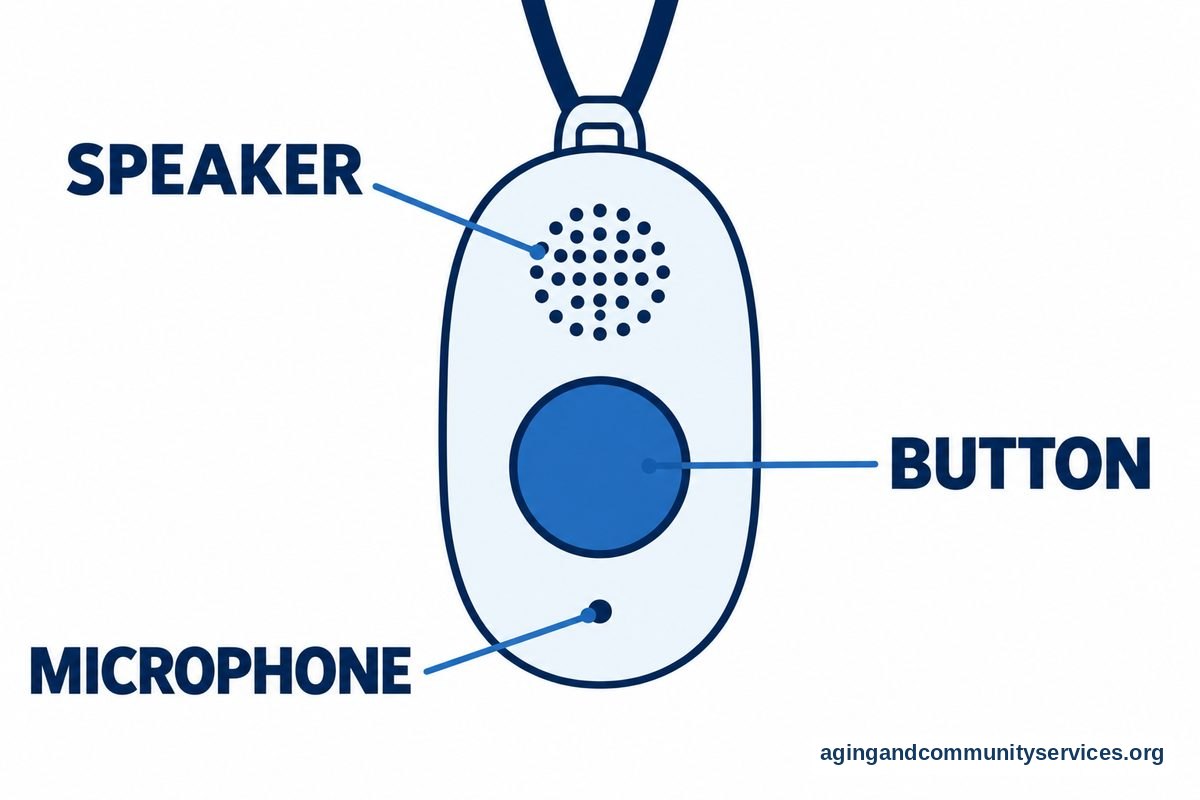
Common Types of Wearable Safety Devices
Safety devices come in a few distinct styles to suit different daily routines and personal preferences. Choosing a style that feels comfortable ensures it gets worn every single day.
- Neck Pendants: Lightweight buttons worn on a lanyard around the neck. They are easy to tuck inside a shirt and remain accessible while resting in bed.
- Wristbands: Simple bands worn like a traditional watch. They stay secure on the arm, making them convenient for chores and hand washing.
- Smartwatches: Modern digital watches that combine safety features with daily tools. You can explore a smart med alert watch if you want something that tracks daily steps and tells time alongside emergency tools.
If you prefer a classic style that focuses strictly on protection, a traditional wearable medical alert for seniors often provides the longest battery life and easiest setup.

Key Features to Consider
Not every device offers the same tools, so it helps to think about your daily habits before selecting one. Here are the primary features to review with your family.
Fall Detection Capabilities
Automatic sensors can notice sudden downward movements followed by an impact. When triggered, the system calls for help even if you cannot push the button yourself. You can learn more about elderly fall alert devices to see how these sensors work during daily routines.
While these tools are very helpful, no sensor detects every type of event. It is always wise to press the manual button whenever possible. The National Institute on Aging: Falls and Falls Prevention page offers helpful guidance on how environmental adjustments can lower the risk of accidents around the home.
Water Resistance
Bathrooms are common spots for slips and accidents. Look for a unit that has an official water-resistant rating so it can be worn in the shower or tub. Devices should never be removed before washing, as that is when help might be needed most.
Battery Life and Charging Ease
A safety tool is only useful if it has power. Simple in-home buttons often have batteries that last several years without recharging. Mobile devices with GPS and cellular chips usually require charging every few days or even every night. Look for charging cradles that are easy to use for hands with arthritis or reduced dexterity.
GPS and Location Tracking
For individuals who leave the house often, GPS tracking is essential. It allows operators to locate the user accurately if an emergency occurs away from home. Families caring for someone with memory concerns also appreciate location tracking for added peace of mind.

Comparing Traditional Alert Pendants and Smartwatches
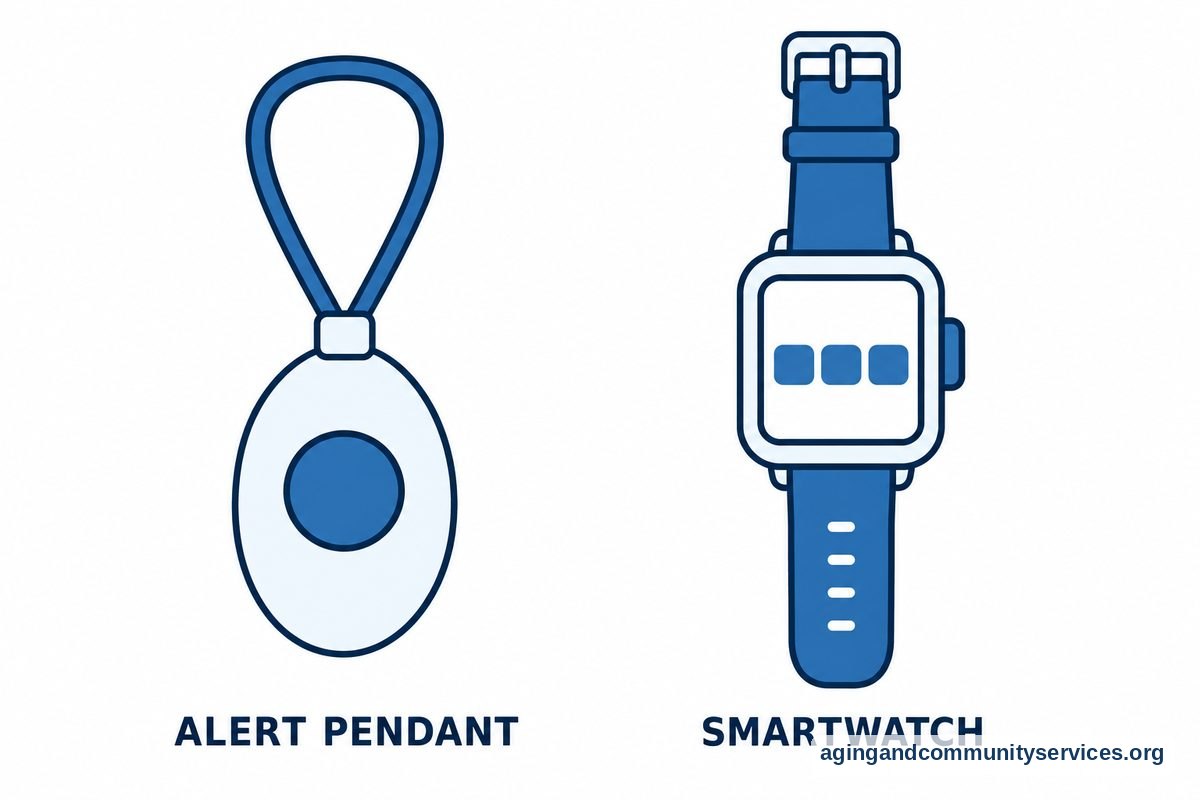
Today, many families weigh the choice between a dedicated alert pendant and an all-in-one watch. A dedicated pendant is simple, has one large button, and rarely causes confusion. It does one job and does it reliably.
On the other hand, many people like the discreet appearance of a digital watch. A medical alert smartwatch with fall detection looks like regular consumer technology while keeping help close at hand. These watches often include step counters, weather updates, and heart rate indicators, which can make them enjoyable for active users.
| Feature | Traditional Alert Pendant | Safety Smartwatch |
|---|---|---|
| Appearance | Simple emergency button | Modern digital wristwatch |
| Battery Life | Several months to years | One to three days |
| Ease of Use | Very simple single button | Touchscreen navigation |
| Daily Extras | None | Step counting, clock, weather |
| Water Safety | Usually safe for showers | Often water-resistant |
What You Can Do Next
Choosing and using a safety system does not have to feel overwhelming. Taking a few organized steps will help you pick the right match without stress.
- Discuss daily routines: Talk about where you spend the most time. If you stay home, an in-home base unit works well. If you love gardening or running errands, look at mobile cellular options.
- Audit the home environment: Check hallways, rugs, and bathrooms for loose items or poor lighting. You can find excellent practical ideas on the National Institute on Aging: Aging in Place resource page.
- Speak with professionals: Ask your doctor, physical therapist, or occupational therapist for recommendations. They can evaluate balance and suggest the right wearable style for your mobility level.
- Seek community resources: If you need local advice on support services, contact the Eldercare Locator to connect with local area agencies on aging.
- Create an emergency plan: Decide who should be on the call list. Make sure trusted neighbors have spare keys to your home so they can assist quickly if called.
Frequently Asked Questions
Do wearable safety devices work outside the home?
Yes, mobile devices work outside the home as long as they have built-in cellular service and adequate network coverage. In-home models only work within a certain range of their base station, which is usually a few hundred feet. If you travel or walk outside often, choose an on-the-go system with GPS.
Can I wear my safety device in the bath or shower?
Most safety pendants and wristbands are designed to be water-resistant. This allows you to wear them safely in the shower or bathtub. Always verify the manufacturer specifications to ensure the unit can handle direct water spray or submersion.
What happens if I push the emergency button by mistake?
Accidental button presses happen all the time, and monitoring centers expect them. When the operator answers, simply tell them you are safe and pressed the button by mistake. They will thank you for letting them know and disconnect without sending emergency responders.
Does health insurance cover wearable safety devices?
Traditional Medicare generally does not pay for personal safety devices or their monthly service fees. Some private Medicare Advantage plans offer partial coverage or discounts as a supplemental wellness benefit. Check directly with your insurance provider to learn about available options.
How do I choose between a neck pendant and a wristband?
Personal comfort is the most important factor. Wristbands are convenient because they stay out of the way during cooking and chores. Neck pendants are very easy to reach with either hand and can be hidden under clothing if you prefer privacy. Choose whichever option you are most likely to wear day and night.