

Learning how to choose CPAP or BiPAP equipment begins with understanding how each machine delivers air pressure while you rest. A CPAP delivers steady airflow through the night, which works well for standard nighttime airway support. A BiPAP alternates between two pressures so that breathing out feels much easier, making it a better fit for people with higher pressure needs or complex breathing challenges.
Getting restful sleep plays a major part in maintaining energy and staying steady on your feet throughout the day. Exploring resources on falls and falls prevention can show how nighttime rest and daytime safety go hand in hand. Your sleep specialist will write a specific prescription based on your overnight sleep study, but learning the differences helps you feel prepared for that conversation.
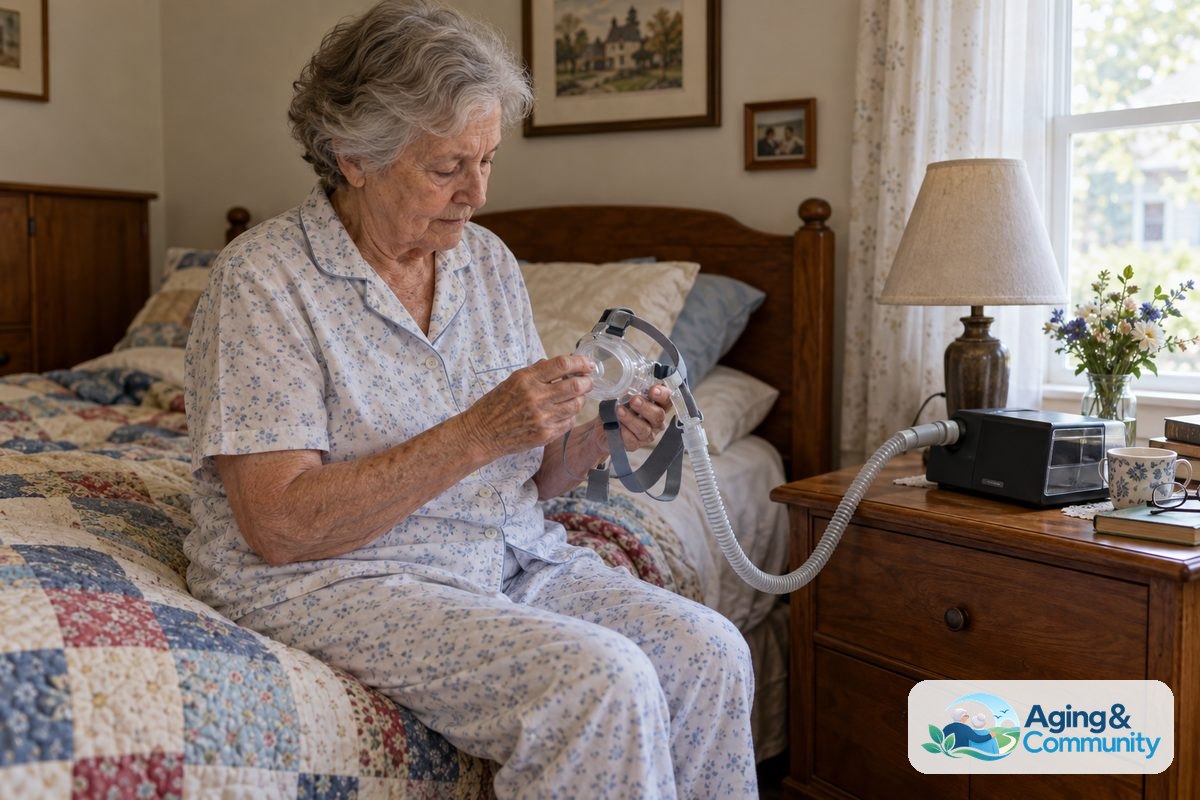
Comparison of CPAP and BiPAP Machines
While both machines use tubing and a mask to support open airways, the way they move air into your lungs is quite different. Reviewing these practical factors can help you discuss your options with your medical provider.
| Feature | CPAP Machine | BiPAP Machine |
|---|---|---|
| Pressure Settings | One constant pressure level for inhale and exhale | Two pressure levels: higher for inhale, lower for exhale |
| Primary Purpose | Common airway obstruction during sleep | Complex sleep apnea or lung and muscle conditions |
| Exhale Comfort | May feel like pushing against a gentle breeze | Exhale pressure drops to allow effortless breathing out |
| Machine Cost Range | Generally lower cost and widely available | Higher cost due to dual sensors and advanced motors |
| Medicare Coverage Path | Standard coverage after a qualifying sleep study | Often requires trying CPAP first or specific lung criteria |
| Physical Size | Often compact, lightweight, and travel-friendly | Slightly larger footprint to house extra components |
CPAP: Who It Suits and Its Limits
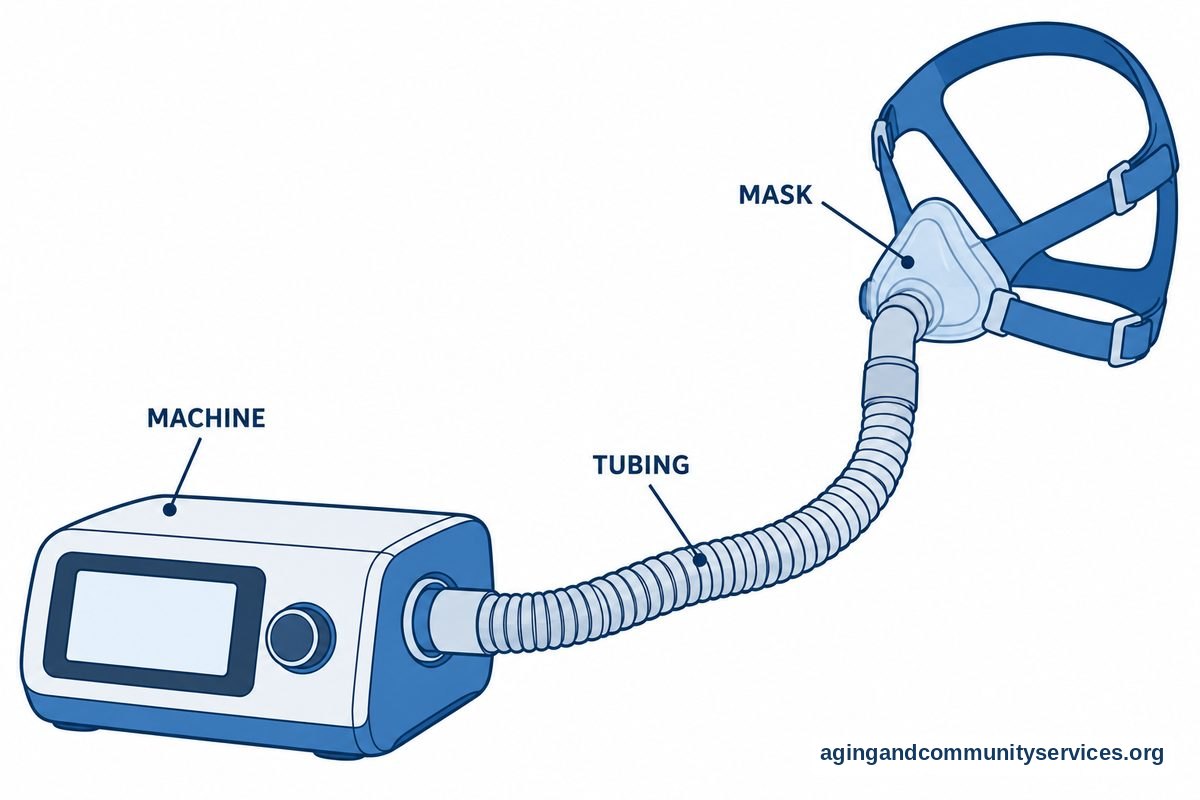
A continuous positive airway pressure machine, or CPAP, sends a single, steady stream of pressurized air through your airway. This gentle pressure acts like an invisible splint, keeping your throat tissues from collapsing while you rest. It remains the most widely prescribed option for everyday obstructive sleep apnea.
This option suits people who need mild to moderate pressure settings to keep their airway open. Many people adjust to the continuous stream quickly, especially when using modern machines that start with a low pressure and gently ramp up as you drift off to sleep. Knowing how to choose a cpap machine and mask can make an enormous difference in how comfortable the airflow feels each night.
However, CPAP has its limits. Some people find it tiring to push their breath out against constant air pressure. If your prescription calls for a high pressure setting, exhaling can feel unnatural or cause sore chest muscles by morning. People who swallow air or experience frequent stomach bloating on CPAP may also struggle to use it consistently.
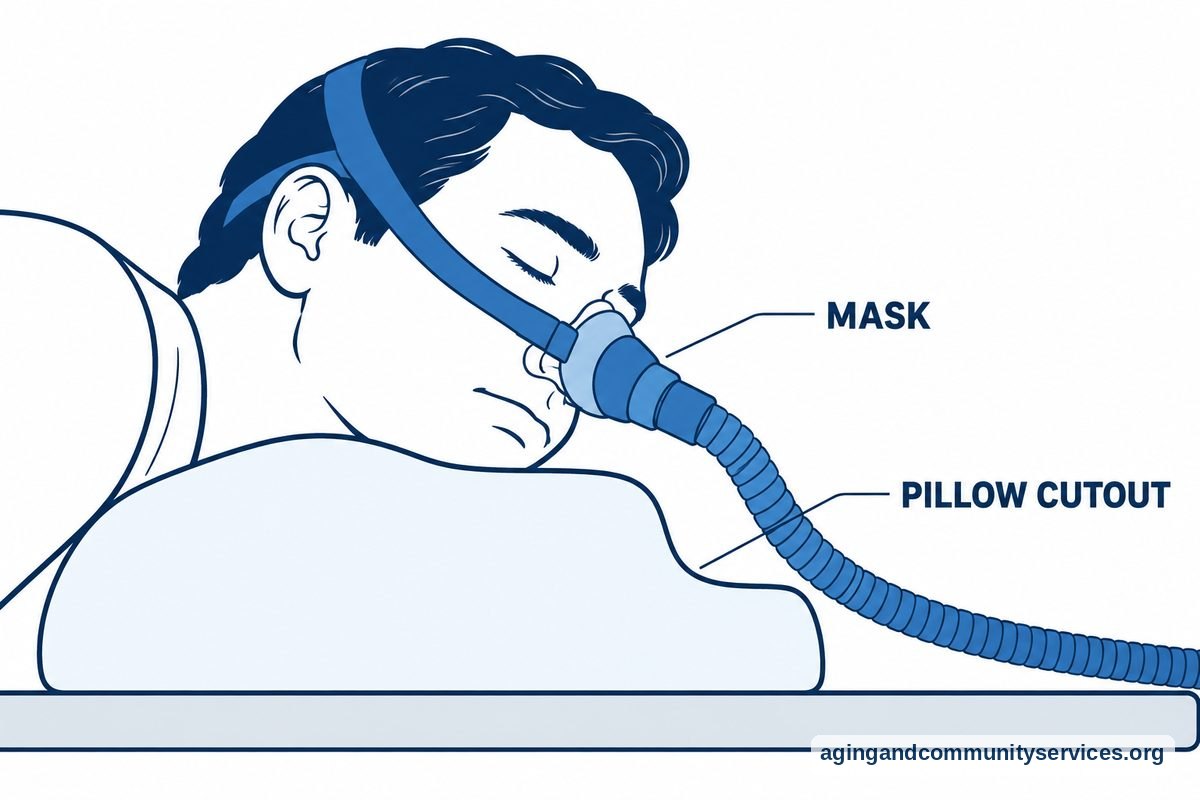
Positioning also matters when using continuous pressure. Side sleepers sometimes find that their mask shifts against regular bedding, causing minor air leaks. Reviewing tips on how to choose a cpap pillow can help you keep a reliable seal without pressing the mask uncomfortably into your skin.
BiPAP: Who It Suits and Its Limits
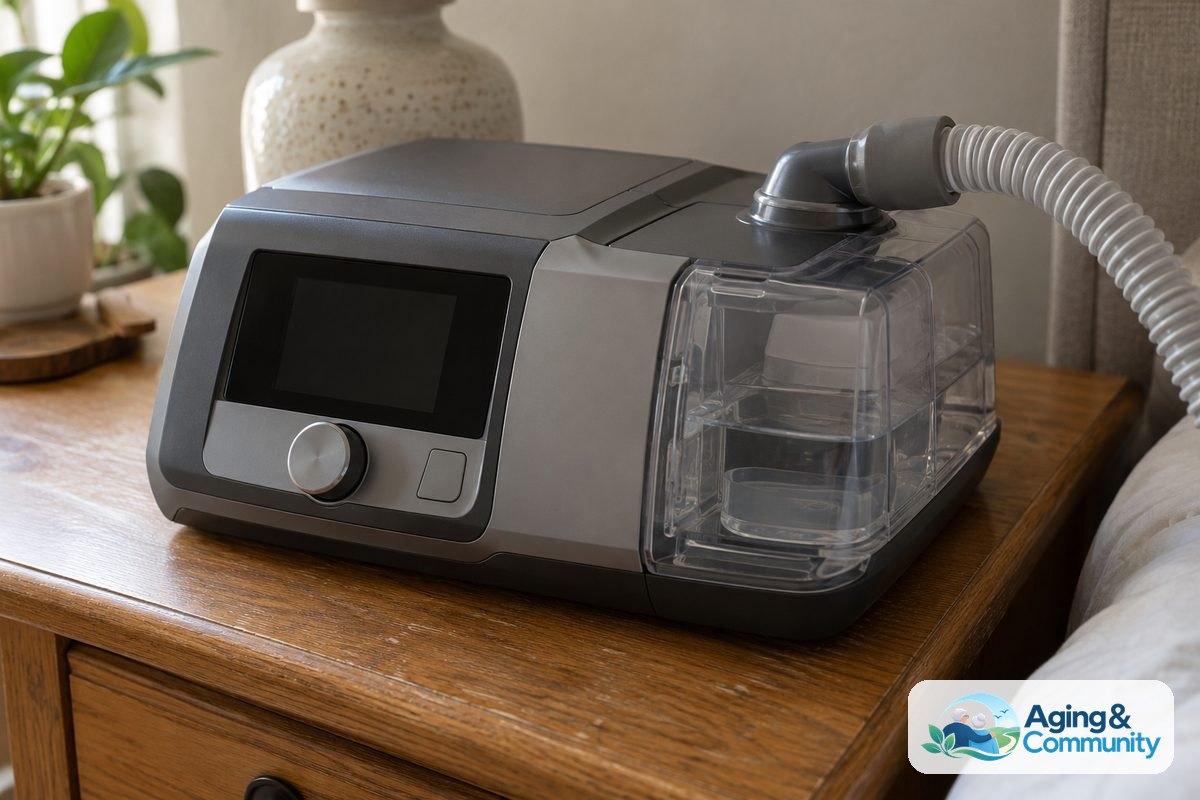
A bilevel positive airway pressure machine, or BiPAP, uses two distinct pressure levels. When you breathe in, the machine delivers a higher pressure to support the airway. When you breathe out, the machine instantly lowers the pressure so you can exhale naturally without fighting the airflow.
This device suits people who require very high air pressure, which can make exhaling against a standard CPAP feel difficult. It also suits individuals who live with chronic obstructive pulmonary disease, congestive heart failure, or neuromuscular conditions that make breathing muscles tire easily. The drop in exhale pressure helps the body clear carbon dioxide more efficiently during sleep.
For older adults who want to stay independent at home, restful sleep provides the energy needed for daily tasks. Support services highlighted in guides on aging in place can help you set up a safe, manageable bedroom environment for your medical equipment.
The main limit of a BiPAP is its complexity and cost. BiPAP units require precise calibration by a medical professional, and health insurance plans often ask for detailed documentation before approving one. If you have mild sleep apnea without lung complications, a BiPAP provides more mechanical intervention than you truly need.
How to Decide
Your sleep doctor will ultimately write the prescription that dictates which machine you receive. However, understanding your own physical comfort and medical history helps you have an informed discussion, much like learning how to choose daily aids. Here are common situations that point toward one option or the other:
- Choose to ask about a CPAP if your sleep study shows standard obstructive sleep apnea without lung disease.
- Choose to ask about a BiPAP if you tried a standard CPAP and felt you could not comfortably exhale against the pressure.
- Choose to ask about a BiPAP if you have been diagnosed with chronic obstructive pulmonary disease, overlapping lung conditions, or muscle weakness.
- Choose to ask about a CPAP if you want a smaller, lighter machine that travels easily and is simple to operate.
- Choose to ask about a BiPAP if your doctor notes that you retain carbon dioxide or need high air pressures above standard limits.
Financial considerations also play a role in your choice. Navigating insurance rules can feel complicated, especially regarding equipment trials. Checking whether does medicare cover cpap machines will help you understand compliance rules, rental periods, and coverage requirements before your equipment arrives.
Frequently Asked Questions
Can I switch from CPAP to BiPAP if I feel uncomfortable?
Yes, many people begin their therapy on a CPAP and later transition to a BiPAP. If you struggle to breathe out against your prescribed pressure, or if you wake up feeling bloated, tell your sleep specialist. Your doctor can look at your machine data, adjust pressure relief settings, or recommend a bilevel machine if simple adjustments do not resolve the issue.
Is a BiPAP machine louder than a CPAP machine?
Modern BiPAP and CPAP machines operate at very similar, quiet sound levels. Most produce a soft hum that is quieter than a standard household fan. The main difference is the rhythm of the sound. Because a BiPAP shifts between two distinct pressures with every breath, you may hear a gentle change in pitch as you inhale and exhale.
What should I do if I get a cold while using my machine?
Catching a head cold or sinus bug can make using any positive pressure machine feel unusual. Learning how to use cpap when congested can help you manage stuffiness through heated humidification, saline sprays, and full-face mask options. Always consult your doctor before stopping therapy during an illness.
Does a BiPAP machine use the same masks and tubing as a CPAP?
In most cases, yes. Standard heated tubing, non-heated tubing, nasal pillows, nasal masks, and full-face masks connect to both machine styles. Your medical supply company will ensure the connection matches your unit. The mask style you select depends more on whether you breathe through your nose or mouth rather than the machine type.
Where can family caregivers find help with home equipment questions?
Family members supporting a loved one with nightly equipment can find regional resources and caregiver support through the Eldercare Locator. Local service agencies can often assist with home health questions, utility planning, and organizing bedroom spaces for therapy devices.