

Learning how to use CPAP when congested can help you keep up with your nighttime therapy even when a cold strikes. You do not have to abandon your routine just because your nose feels completely blocked. Simple adjustments like increasing your machine humidity, rinsing your sinuses, and elevating your head can make breathing much more manageable.
For many older adults, regular sleep therapy is an essential part of waking up refreshed and steady on your feet. Giving up on your mask during a seasonal cold can leave you feeling exhausted the next morning. With a few safe and practical habits, you can breathe easier through the night.

Steps on How to Use a CPAP Machine When Congested
- Rinse your nasal passages before bed. Use a gentle saline nasal spray or a sterile sinus rinse bottle about thirty minutes before you plan to sleep. This simple wash thins out stubborn mucus and helps open up your airways naturally without harsh medications.
- Turn up the heated humidifier on your device. Dry air can irritate swollen tissue, so adding extra moisture to the airflow softens thick secretions and soothes irritated nasal linings. Most modern units allow you to increase this setting by one or two levels for added comfort.
- Turn on the heated tubing feature. If your equipment includes a heated hose, make sure it is plugged in and active to avoid water droplets building up inside the tube. Warm air holds moisture better, which keeps the flow gentle on your nose.
- Switch to a full face mask temporarily. If you normally wear nasal pillows, a stuffy nose will force your mouth open and disrupt your sleep. Putting on a mask that covers both your nose and mouth allows you to breathe comfortably through your lips until your cold clears up.
- Elevate your head and upper chest. Lying flat encourages blood to pool in your head, which makes swelling inside your nasal passages much worse. Sleeping slightly upright on adjustable bed wedge pillows uses gravity to help drain fluid away from your face.
- Run your mask fit feature while sitting up. Put your mask on while sitting on the edge of the bed and turn on the air to check for leaks around your nose. Making strap adjustments while awake ensures a secure seal that will not press too hard on tender sinus bones.

Common Mistakes to Avoid
- Do not stop using your equipment without checking first. Skipping several nights in a row can quickly bring back daytime fatigue and morning headaches. Staying consistent helps you recover from your cold with fewer interruptions.
- Avoid using medicated nasal decongestant sprays for more than three days. Over the counter decongestant sprays can cause rebound swelling that makes your stuffiness far worse once the medicine wears off. Plain saline mists are much safer for ongoing nightly use.
- Do not turn up humidity without checking your hose warmth. High moisture in a cold room causes water condensation, often called rainout, to splash into your face mask. Keep your bedroom comfortably temperate or wrap your tubing in a fabric cover.
- Avoid sleeping flat on your back. Back sleeping lets congested tissues collapse backward toward the throat, which increases airway resistance. Try resting on your side to keep air passages as open as possible.
- Do not change your prescribed air pressure settings on your own. Only your sleep specialist or medical provider should adjust your pressure levels. Changing numbers yourself can lead to swallowing air or waking up with an upset stomach.

When to Call for Help or Get Professional Advice
Sometimes nasal blockage is too severe for home adjustments alone. If you cannot draw any air through your nose and mouth while wearing your mask, take it off for your immediate comfort and safety. Contact your prescribing physician, your primary care doctor, or your medical equipment supplier (who can also teach you how to use wheelchair with commode) the next morning to discuss temporary alternatives.
When you call your doctor or equipment technician, tell them exactly what symptoms you have and how long they have lasted. Mention whether you have facial pain, green discharge, or a fever. You can also ask whether a temporary pressure adjustment or a different mask style would be appropriate, or ask how to use a wheelchair van lift for your situation.
Maintaining overall vitality is an important part of healthy aging in place, and good sleep supports your daily strength. If you need help finding local resources, medical transportation, or healthcare support services, you can reach out to the Eldercare Locator for assistance in your community.
How to Use CPAP with Sinus Congestion and Pressure
Sinus pressure can create tender spots across your cheeks, forehead, and the bridge of your nose. When your sinuses are inflamed, the hard frame or tight silicone of a nasal mask can press uncomfortably against these sensitive areas. Knowing how to choose a cpap machine and mask that distributes pressure evenly across your face can make a major difference during allergy season.
Taking a warm shower before bed is an easy way to loosen thick fluids before you put your head down. The warm steam loosens sinus channels and hydrates your throat tissues. Once you finish your shower, put your mask on right away so the warm, conditioned air from your device keeps your nasal lining moist throughout the entire night.
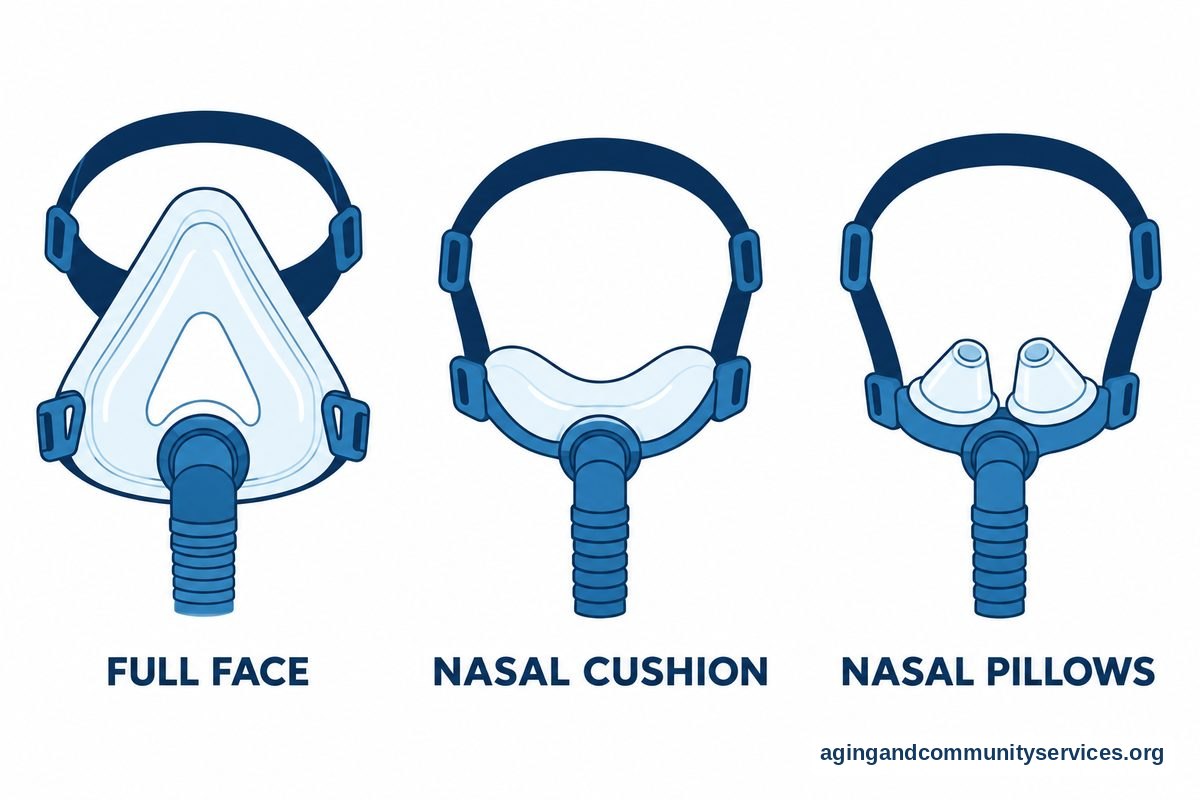
| Mask Style | Best Used For | Congestion Advantage |
|---|---|---|
| Full Face Mask | Mouth breathers and colds | Allows normal breathing through the mouth when the nose is blocked |
| Nasal Cushion | Mild stuffiness | Rests under the nose without pressing into tender bridge bone |
| Nasal Pillows | Clear nasal passages | Lightweight, but difficult to use when nostrils are swollen shut |
How to Use CPAP with Stuffy Nose from Seasonal Allergies
A stuffy nose caused by seasonal allergies often involves dry, itchy tissues rather than heavy mucus. Dust, pollen, and pet dander can settle inside your bedroom, compounding the irritation every time your device pulls in room air. Checking your equipment filters regularly ensures that clean, particulate-free air enters your lungs while you rest.
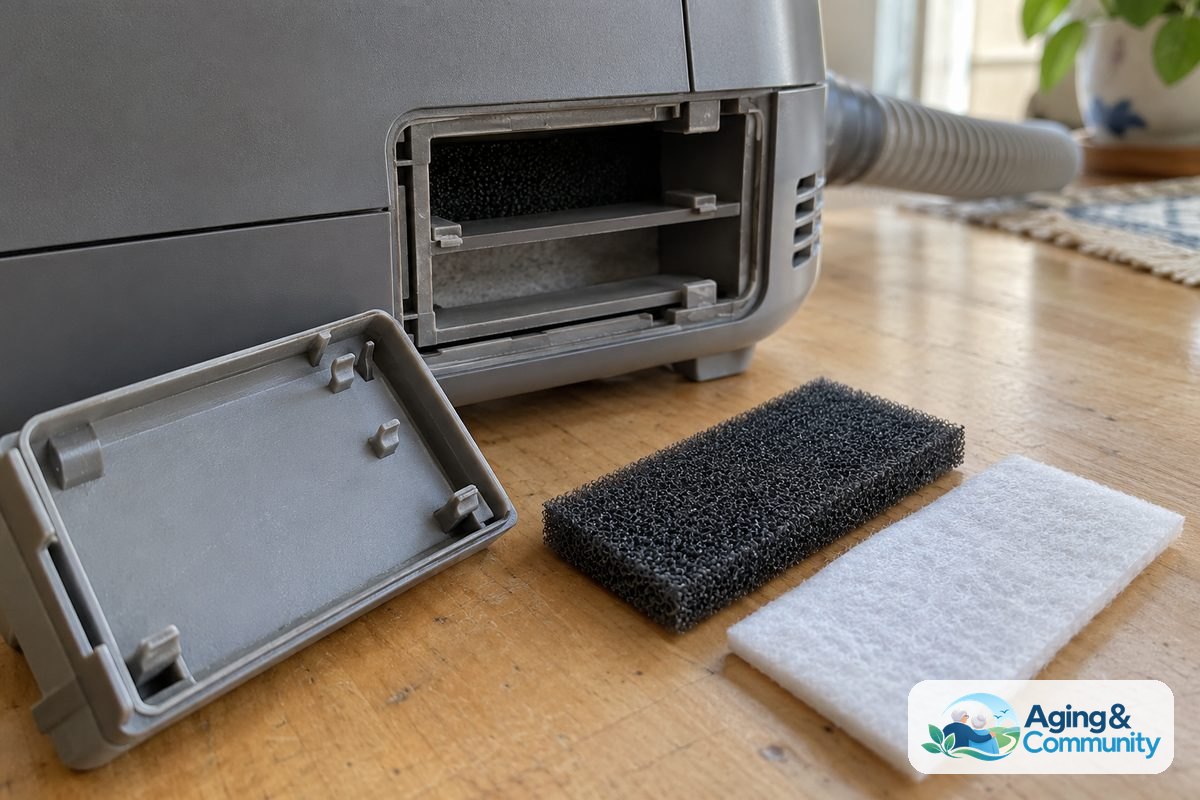
Most units use two filters: a reusable foam filter that catches large particles, and a fine disposable white filter that stops tiny allergens. During high pollen seasons, replace or wash these filters more frequently than usual. Keeping spare supplies on hand is always wise, and it helps to understand does medicare cover cpap machines and ongoing replacement parts like filters, hoses, and cushions.
Wiping your mask cushion every morning removes facial oils and trapped allergens that collect on the silicone. A quick wipe with a damp cloth or a specialty mask wipe keeps the seal fresh and prevents skin redness. A clean mask creates an airtight barrier that lets you sleep peacefully without irritating air leaks blowing into your eyes.
Frequently Asked Questions
How to use CPAP with sinus congestion safely?
To use your equipment safely with sinus swelling, add sterile water to your humidification chamber and turn up the heat setting. Sleep with your head slightly propped up on extra pillows to encourage natural sinus drainage. If you feel severe pain in your ears or forehead when the air starts blowing, turn the machine off and consult your physician.
How to use CPAP machine when congested from a cold?
When you have a common cold, swap your nasal mask for a full face mask so you can inhale through your mouth without losing air pressure. Use a warm saline nasal wash right before you get into bed to clear out loose mucus. Make sure your heated tubing is working properly so you receive steady, warm humidity through the night.
How to use CPAP with stuffy nose symptoms without waking up?
Waking up during the night often happens when dry mouth sets in or when the air feels too cold. Increasing your machine humidity level helps keep your mouth and throat from drying out if your lips part while sleeping. You can also use a chin strap or switch to a full face cushion to maintain steady airflow while you stay asleep.
Can pressurized air make my nasal congestion worse?
Cool, dry air can cause the delicate membranes inside your nose to swell as a defense mechanism, which makes you feel more blocked. However, when you use warm, humidified air, the gentle pressure can actually help support your airway and keep tissues open. If your nose feels dry or crusty in the morning, your humidity setting is likely set too low.
Should I wear my mask if I can only breathe through my mouth?
If you only have a nasal mask, trying to breathe through your mouth will cause the air to rush straight out of your lips, which is very uncomfortable. In that case, you need a full face mask to capture the airflow properly. If you do not have a full face mask available, speak with your doctor about whether it is safe to take a short break until your nose clears.