

Learning how to use a wheelchair van lift can feel intimidating at first, but modern systems are designed to be smooth, steady, and simple to operate. By following a clear routine, you can safely deploy the platform, load the passenger, and secure their mobility device inside the vehicle. A patient and attentive approach makes every outing comfortable for older adults and their families.

Step-by-Step Guide: How to Operate the Lift
- Park on flat, level ground. Choose a parking space with plenty of room around the lift door and verify the ground is firm, dry, and free of curbs or debris.
- Engage the vehicle safety systems. Put the van in park, turn on the hazard lights, and set the emergency brake so the lift mechanism has permission to operate.
- Open the doors fully. Swing open manual doors until they latch against the vehicle body, or use your remote control to open power sliding doors completely.
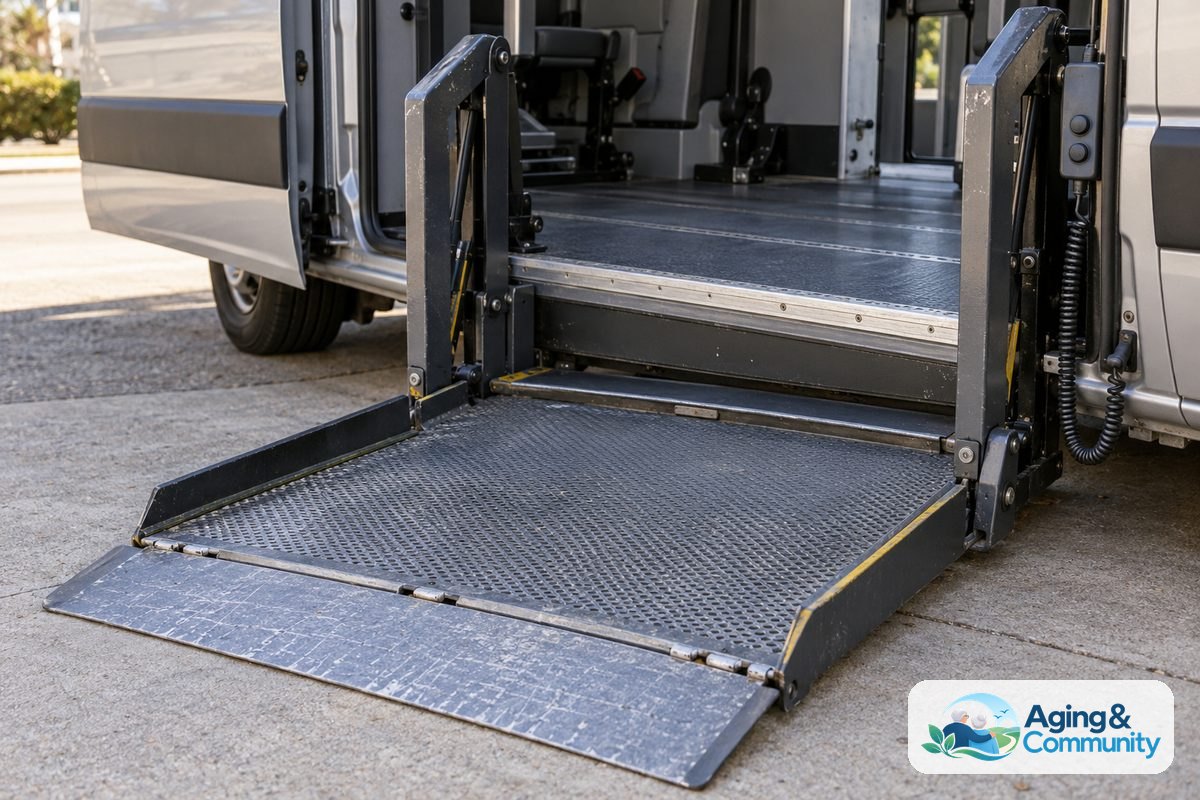
- Unfold and lower the platform. Use the corded pendant controller to press the unfold button, then press the down button until the platform rests flat against the ground.
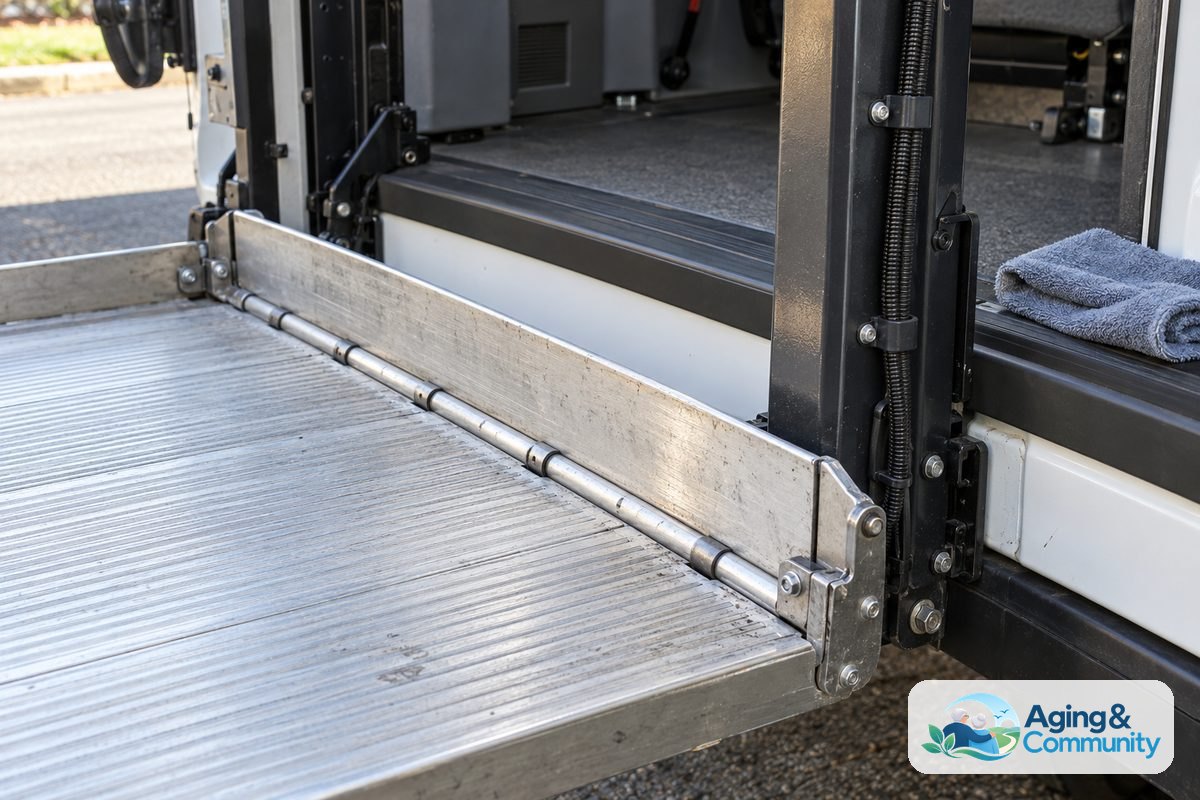
- Check the roll stop barrier. Confirm the outer safety gate rests completely flat on the pavement so wheels can cross over it smoothly without jolting.
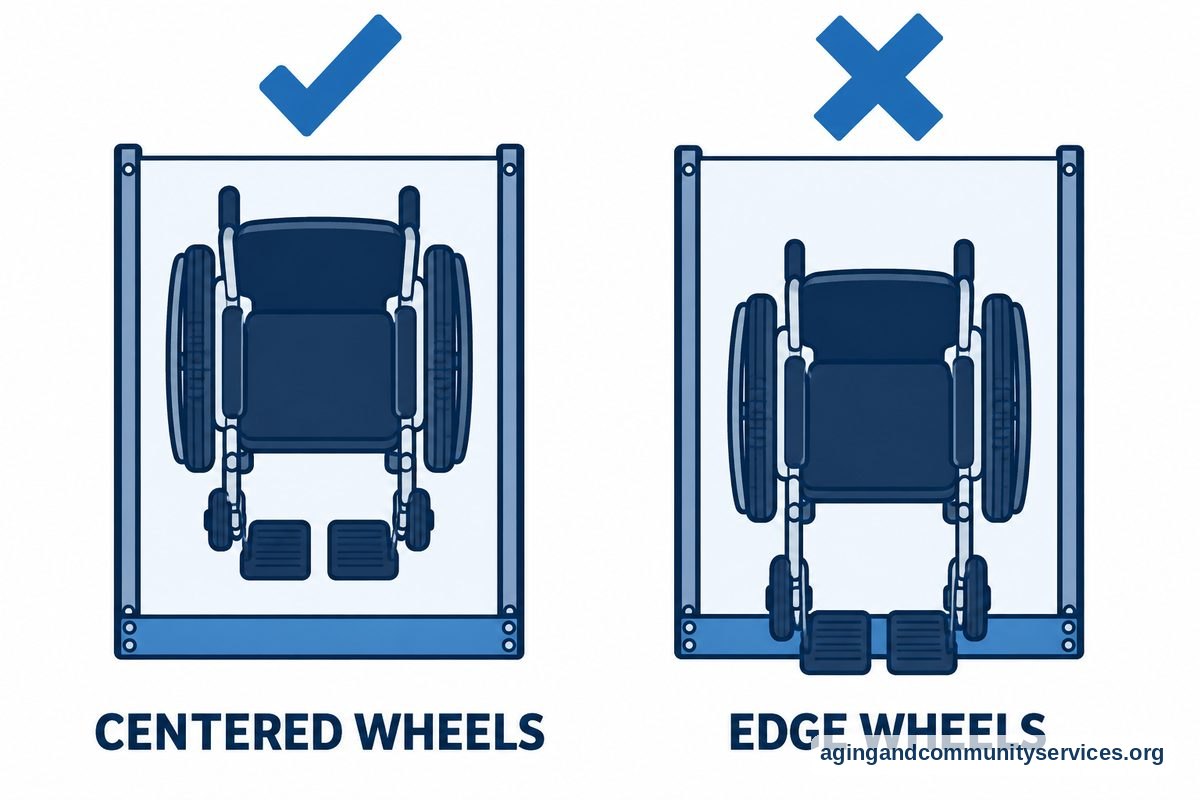
- Position the wheelchair onto the platform. Back manual chairs onto the lift so the passenger faces away from the vehicle, or carefully guide a power chair into the center of the platform until wheels are clear of all edges.
- Lock the wheelchair wheels. Turn off the power on motorized chairs, or engage both wheel locks on manual models, to keep the chair entirely still during travel.
- Fasten the platform safety belt. Pull the lift belt across the passenger and click it into place, making sure it fits snugly across the lap.
- Raise the platform slowly. Stand clear of all moving parts while holding the pendant, press the up button, and watch as the outer barrier rises to lock the chair in place.
- Roll the chair into the cabin. When the lift stops level with the van floor, unlock the wheels and smoothly push or drive the wheelchair into the vehicle cabin.
- Fold the lift for travel. Press the fold button on your handheld controller until the lift returns to its stowed upright position inside the doorway, then close the doors.
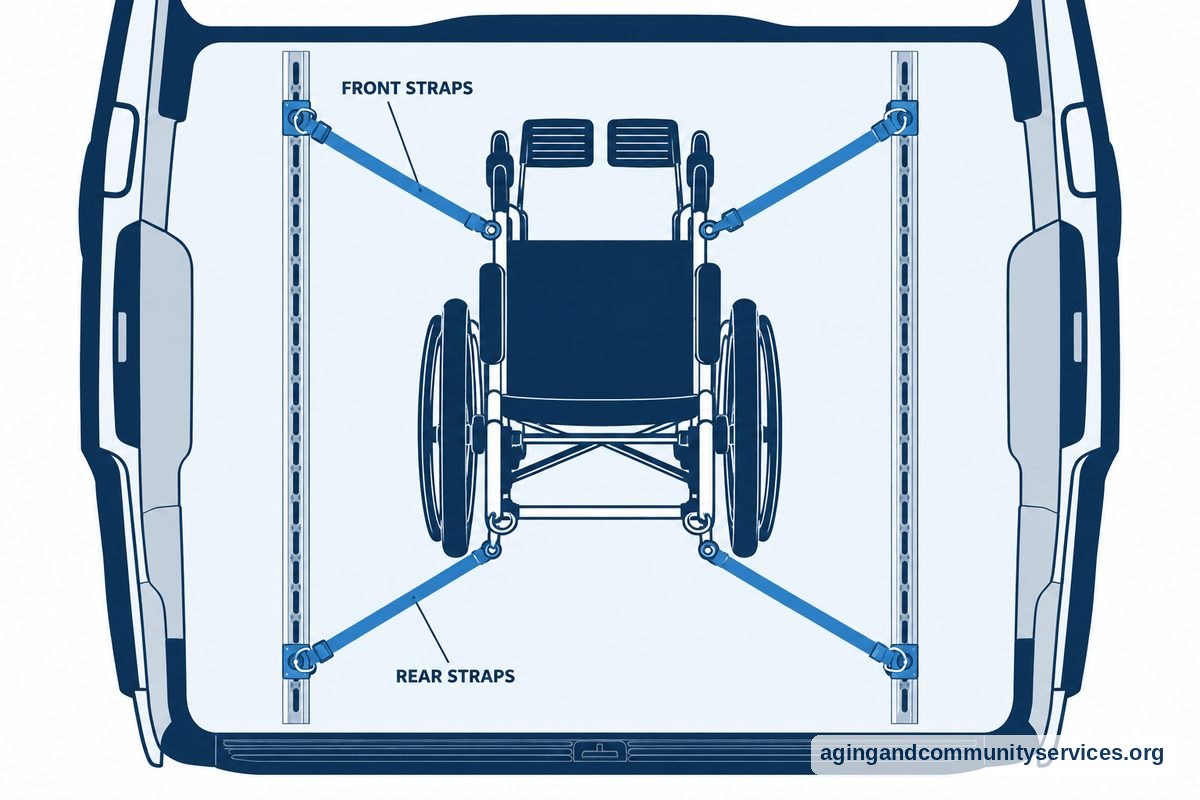
- Secure the four-point tie-downs. Attach four heavy-duty floor straps to sturdy frame points on the wheelchair, tighten each belt firmly, and connect the lap and shoulder seatbelt around the passenger.
Common Mistakes to Avoid
- Operating the lift on steep inclines, uneven grass, or cracked pavement, which causes the platform to twist and strain the mechanical arms.
- Forgetting to set the vehicle emergency brake, which prevents many modern safety interlock switches from sending power to the lift controls.
- Skipping the platform lap belt during the vertical ride, even if the trip between the ground and the floor takes only a few seconds.
- Placing wheelchair wheels directly over the front or rear roll stop hinges instead of centering the equipment on the nonskid surface.
- Pushing a passenger into the van headfirst on a manual chair, which makes backing out during arrival much harder to control than following basic guidance on how to use a wheelchair ramp.
- Leaving loose items like bags, blankets, or oxygen tubes dangling near the lift hinges where they can become pinched in moving metal joints.
When to Call for Help or Professional Advice
Never force a lift mechanism that resists movement, makes screeching sounds, or stops halfway through a cycle. If the lift loses electrical power while a passenger is on board, consult your owner manual to find the manual backup pump handle. Every certified lift includes a hand-operated hydraulic pump and pressure release valve that lets you manually raise or lower the platform safely.
Contact a certified mobility equipment technician if you notice leaking hydraulic fluid, frayed electrical cords, bent support arms, or loose floor tracks. When you call, provide the technician with the lift make, model number, serial tag details, and a clear description of any flashing indicator lights. If regular vehicle transfers become physically tiring for a caregiver, ask an occupational therapist about alternatives such as how to use transfer board from wheelchair to car, or review assistive tools like car door handles for elderly travelers.
Pre-Trip Safety Checks and Maintenance
A quick pre-trip inspection ensures smooth operation every time you leave home. Before loading your passenger, run the empty platform through one complete cycle down to the ground and back up. This confirms the battery holds adequate voltage and the roll stops engage properly at floor level.
Keep the platform surface clear of leaves, sand, and road grime that could cause wheelchair tires to slip. Clean the lift tracks with a damp cloth and check that the interior cabin lighting works so you can see tie-down anchor points at night. For routine questions regarding local ride programs and accessible transport support, families can reach out to the Eldercare Locator for community mobility resources.
Securing Wheelchairs Inside the Van
Getting into the vehicle is only the first half of safe travel. Once the passenger is inside, securing the chair to the vehicle floor is essential to maintain balance during stops and turns. The National Institute on Aging offers helpful information on falls and falls prevention that highlights how steady support protects physical stability.
Attach the front tie-down straps first, angling them slightly outward from the wheelchair frame for lateral stability. Next, attach the rear straps and tension them until the chair cannot shift forward, backward, or sideways. Always use the crash-tested vehicle occupant restraint system across the hips and chest rather than relying solely on a wheelchair postural belt.
Frequently Asked Questions
Can one person operate a wheelchair van lift alone?
Yes, a single caregiver or family member can comfortably run the lift. The handheld pendant controller lets you stand right beside the platform to monitor the passenger while pressing the control buttons.
What should I do if the van lift stops working with someone on it?
Do not panic. Turn off the lift power switch, locate the emergency hand pump handle under the lift base, and gently open the manual release valve to lower the platform smoothly to the ground.
Should the passenger face into the van or out toward the street?
For manual wheelchairs, backing onto the platform so the passenger faces out toward the street is widely recommended, with differences from a wheelchair vs transfer chair explained. For motorized chairs, drive on facing whichever direction gives the user the best control and visibility while centering the device on the platform.
How much weight can a standard wheelchair lift hold?
Most standard residential and commercial wheelchair van lifts are rated to hold between six hundred and eight hundred pounds, which helps when choosing a wheelchair or gurney. Always check the metal data plate attached to your specific lift arm to confirm the exact weight rating for the passenger and mobility device combined.
Do I need to leave the van engine running while using the lift?
Most mobility manufacturers recommend keeping the vehicle engine running with the transmission in park and the emergency brake set. This prevents the powerful electric hydraulic motor from draining the vehicle battery during repeated cycles.