

You can learn how to use CPAP without water by turning off the heat settings on your machine and running it as a dry airflow system. Running your machine without moisture is completely safe for the device, though you might wake up with a slightly dry mouth or nose. As long as you make a few simple adjustments before bed, you can continue your nightly routine without any interruption.
Many people find themselves without distilled water while traveling, during an unexpected outage, or simply because they forgot to grab a gallon at the grocery store. You do not need to skip your sleep therapy just because the water chamber is empty. With the right adjustments, your equipment will deliver the gentle air pressure you need for a comfortable night.

How to Use CPAP Without Water Step by Step
- Turn off the heated humidifier setting. Go into your machine menu and switch the humidity level to off or zero so the metal warming plate stays cool all night long.
- Adjust or turn off the heated tubing. If your unit uses a heated tube, set the temperature to off or disconnect the heat feature to avoid breathing uncomfortably warm, dry air.
- Leave the empty chamber in place. Slide the dry, clean water tub into the machine because the unit needs the chamber locked in to maintain an airtight seal.
- Check your mask fit before sleep. Put on your mask and check for any tiny air leaks around the cushion, since air leaks can make airway dryness feel much more noticeable.
- Keep a glass of water nearby. Place a glass of plain water on your nightstand so you can take a small sip if your mouth feels parched during the middle of the night.

Common Mistakes to Avoid
- Pouring tap water into the tub: Avoid using sink water, well water, or mineral water as a quick fix, because tap minerals can leave stubborn scale and deposits inside your tank.
- Leaving the heat plate turned on high: Running the heating element on high with an empty tank will not break modern machines, but it can create an unpleasant plastic smell.
- Skipping your therapy for the night: Leaving your machine off completely leaves you without gentle airway support, which can cause you to wake up feeling tired and sluggish.
- Ignoring daytime dry nose symptoms: Forgetting to use a gentle saline nasal mist during the day can make sleeping with dry air feel harsher than it needs to be.
- Using petroleum jelly inside your nose: Never apply petroleum based salves inside your nostrils, because breathing in oily vapors over time is not recommended by medical experts.

When to Call for Help or Get Professional Advice
Using your machine without moisture works well for a night or two, but ongoing discomfort means you should reach out to your equipment supplier or doctor. If you experience severe nasal burning, frequent nosebleeds, or persistent mouth dryness, call your sleep clinic staff. You can tell them that you are running your unit dry and ask if they recommend an inline moisture exchanger or an adjusted pressure comfort setting.
If you or a loved one are working on staying independent at home, the Eldercare Locator can connect you with local support services for medical equipment and daily wellness. For older adults, taking care of equipment issues promptly ensures your nighttime routine remains steady and refreshing.
Tips for Staying Comfortable with Dry Airflow
Getting used to dry airflow is easier when you support your body before you lie down. A simple saline nasal spray used about ten minutes before bedtime can moisturize delicate nasal tissues. Plain saline contains no medicine, so it provides a gentle layer of moisture that helps you tolerate dry air through the early hours of the morning.
Your sleeping posture also plays an important role in how comfortable you feel during the night. If you sleep on your side, learning how to choose a CPap pillow can keep your head aligned and stop your mask from shifting against your face. A stable mask means fewer leaks, which directly protects your mouth and throat from drying out.
If you are packing for a trip away from home, you can review how to use cpap while camping to learn how people manage dry airflow in remote spots without easy access to distilled jugs. Many travelers use dry airflow on purpose so they have fewer heavy bottles to pack in their luggage.

Keeping Your Equipment Clean and Safe
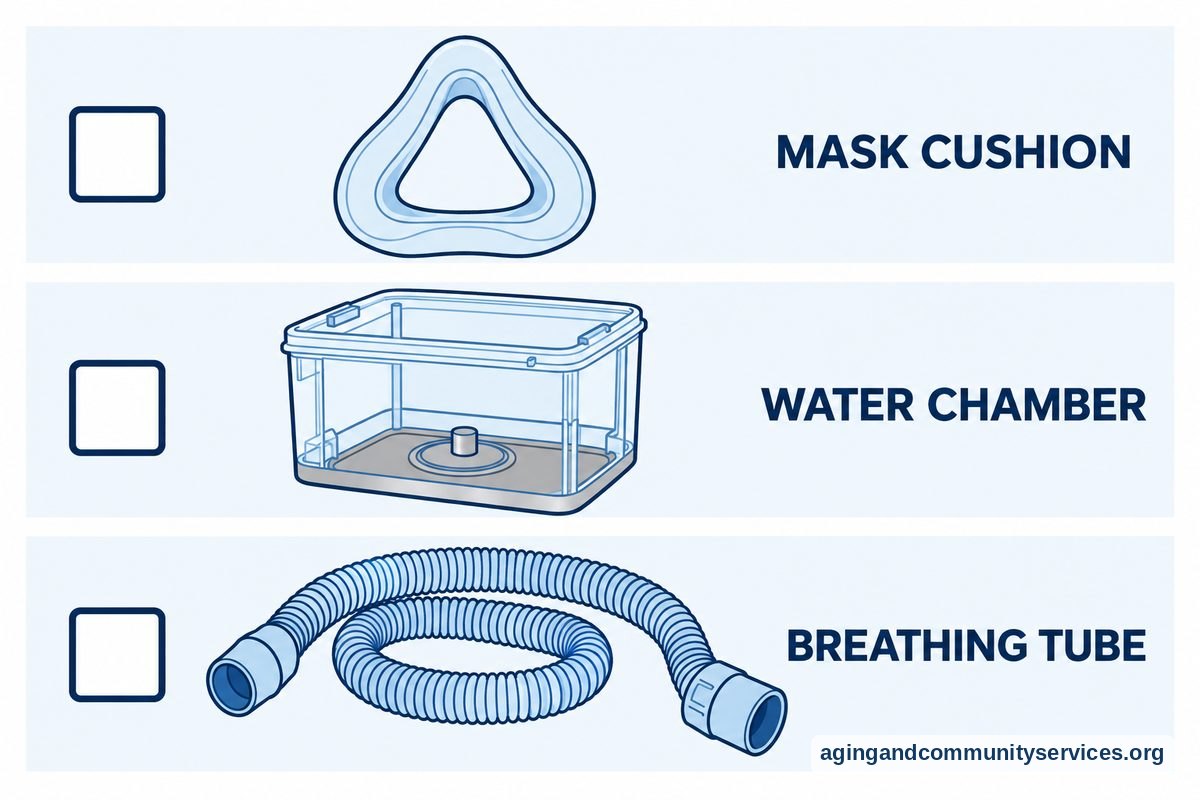
Even when you do not use moisture, keeping your gear fresh is essential for easy breathing. Dust and facial oils can collect quickly on a dry silicone seal. Rinsing your mask cushion daily with warm water and a drop of mild dish soap keeps the seal soft and sticky against your skin.
Once a week, wash your dry chamber and breathing tube in warm, soapy water and let them air dry completely out of direct sunlight. Some people like using dedicated sanitizing tools, and understanding how to use a cpap cleaning machine can help you decide which cleaning routine best matches your personal lifestyle.
Good sleep hygiene also supports overall physical balance and stability. Maintaining steady sleep habits is one practical way to support steady footing during the day, which fits well with guidance from the National Institute on Aging: Falls and Falls Prevention resources on staying safe at home, alongside knowing what patient lift devices Medicare covers for mobility support.
Managing Illness and Nasal Congestion
Sleeping without moisture can become tricky if you catch a head cold or suffer from seasonal allergies. When your nasal passages swell, dry air can feel irritating. In those moments, checking guidelines on how to use cpap when congested can give you practical ways to breathe clearly until you can refill your reservoir.
If you find that your bedroom air is naturally dry in the winter, running a regular room cool-mist humidifier across the room can gently lift the ambient humidity. This moistens the air your machine draws in through its rear filter without needing any water inside the machine itself.
Frequently Asked Questions
Will running my machine without water damage the motor?
No, running your device without water will not harm the motor or internal electronics. Modern units are designed to blow air whether the water reservoir is full, half full, or completely dry. Just make sure the chamber remains clicked firmly into the side of the machine so the air path stays sealed.
Can I use bottled spring water if I run out of distilled water?
It is best to run your machine dry for the night rather than using bottled spring or mineral water. Drinking water contains natural minerals like calcium that can leave white scale and rough spots on your aluminum heating plate. If you must use bottled water in an emergency, clean the chamber thoroughly the following morning.
Why does my mouth feel so dry when I do not use water?
Your respiratory system naturally adds warmth and moisture to the air you inhale. When your machine delivers continuous dry air, it absorbs moisture from your tongue, gums, and nasal passages. Using a chin strap or a full face mask can help keep your mouth closed so moisture stays inside your airway.
What is a waterless heat moisture exchanger?
A heat moisture exchanger, or HME, is a small disposable filter that sits between your mask and tubing. It captures the natural warmth and moisture from your breath when you exhale and returns it to you when you inhale. These small adapters work well for travel when you do not want to carry water bottles.
Do I have to change my air pressure settings when running without water?
No, you should never change your prescribed pressure settings on your own. The air pressure delivered by the pump remains the same whether the water tank is empty or full. Only adjust comfort features like humidity levels, tube temperature, or the ramp setting.