

Learning how to use wheelchair lift equipment gives you a reliable way to move between different levels of a home or vehicle. The basic process involves opening the gate, rolling completely onto the platform, locking your brakes, and pressing the control switch until the lift stops smoothly at the landing. Practicing these basic motions with a family member or caregiver helps build confidence and keeps your daily routine simple.

How to Use a Wheelchair Lift Step by Step
- Clear the landing area: Look around the base and upper entrance of the lift to make sure no rugs, power cords, or small objects block the platform path.
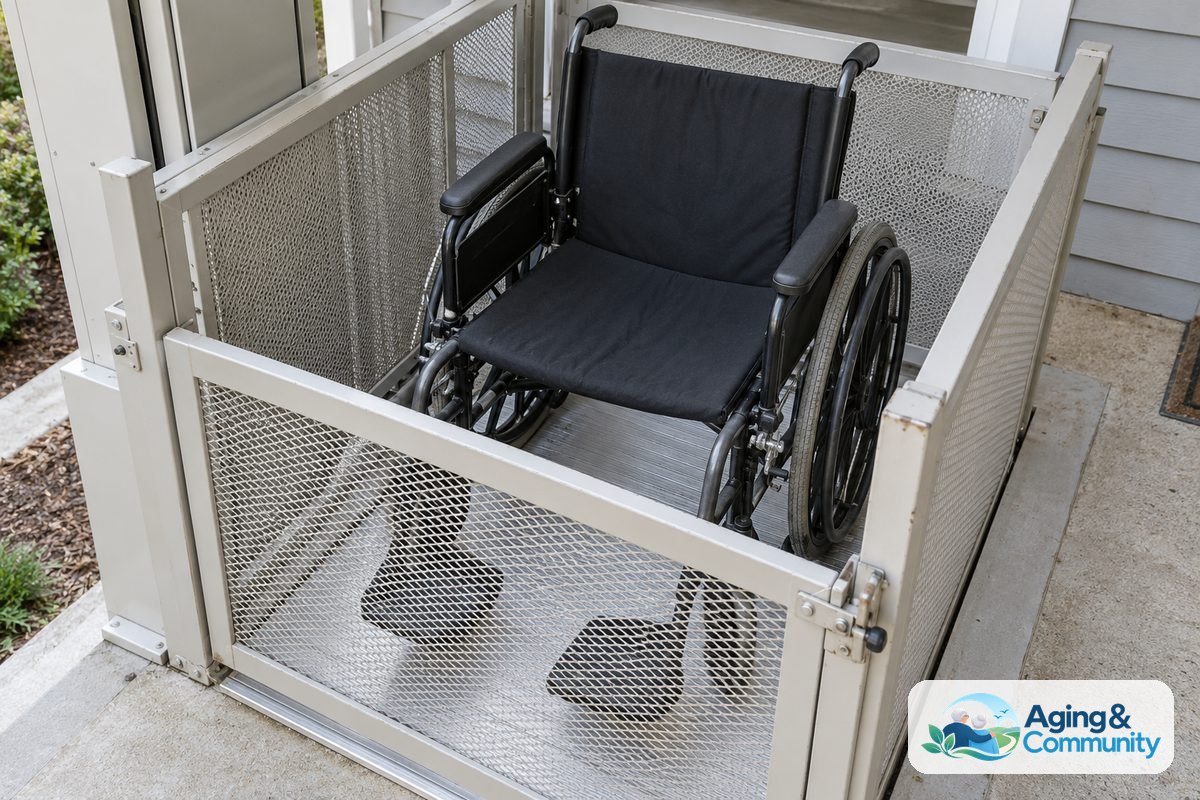
- Open the gate and enter slowly: Unlock the entry barrier and guide your mobility device squarely onto the center of the platform.
- Engage the wheel locks: Set the wheel locks on a manual chair, or turn off the power joystick completely if you operate an electric chair.
- Fasten all safety restraints: Close the entry ramp flap securely and secure any safety belts or harness straps across your lap.
- Press and hold the directional control: Push the button or turn the key for your destination, holding constant pressure until the platform comes to a complete, automatic stop.
- Open the landing gate and exit smoothly: Release your wheel locks only after the platform stops moving, open the gate, and roll straight forward onto the landing floor.
Common Mistakes to Avoid
- Moving off the platform before the machinery comes to a complete stop.
- Leaving manual wheel locks disengaged during the upward or downward travel.
- Ignoring manufacturer weight ratings by loading heavy cargo alongside a passenger.
- Standing or riding too close to the outer edges of the moving metal platform.
- Forgetting to secure the upper gate after rolling away from the machine.
When to Call for Help or Get Professional Advice
Mechanical equipment requires regular attention to operate smoothly. If your lift hesitates, makes a grinding sound, or stops between landings, step away from the equipment and call a licensed accessibility technician. Describe the exact sounds, error lights, or mechanical movement to the dispatcher so the service team brings the proper replacement parts.
Personal needs can also shift over time. If transferring onto the platform becomes uncomfortable, schedule a home assessment with an occupational therapist or physical therapist. A therapist can review your daily routine, check your posture, and suggest adjustments to make each transition easier. You can also contact the Eldercare Locator to find certified local resources and home support services in your community.
Choosing the Right Equipment for Your Home
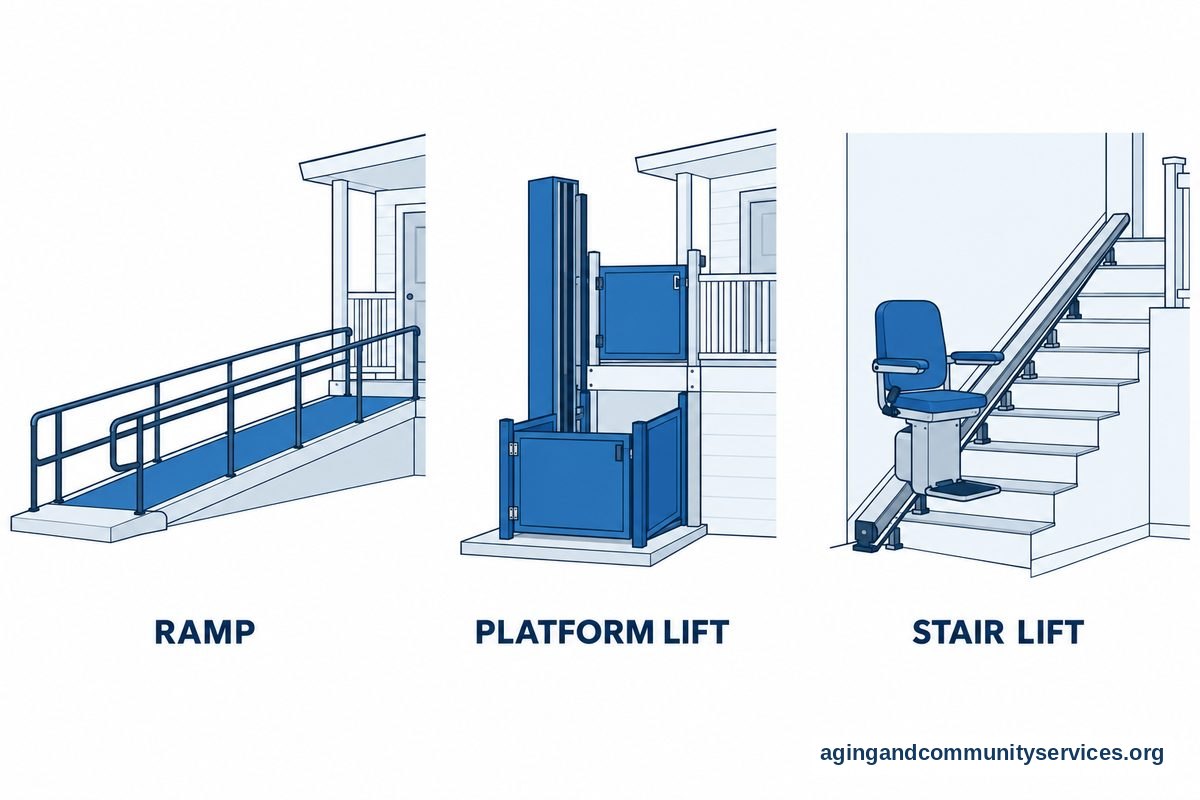
Every home layout offers different architectural options for managing elevation changes. While vertical platform lifts move straight up and down along an exterior wall or porch railing, some entryways work better with a gradual incline. Reading our guide on how to choose a wheelchair ramp can help your family decide whether a ramp or an electric lift fits your yard layout best.
Indoor stairs present a different set of choices. Some households install platform lifts inside garages or tall entry halls, while others look at seated rail systems. Reviewing helpful details on stair lifts for seniors can clarify the differences between sitting on a motorized chair and riding on a platform inside your own wheelchair. According to the National Institute on Aging, planning home modifications supports practical aging in place by keeping daily living spaces accessible.
Basic Platform Lift Features
| Feature | Everyday Purpose | Maintenance Tip |
|---|---|---|
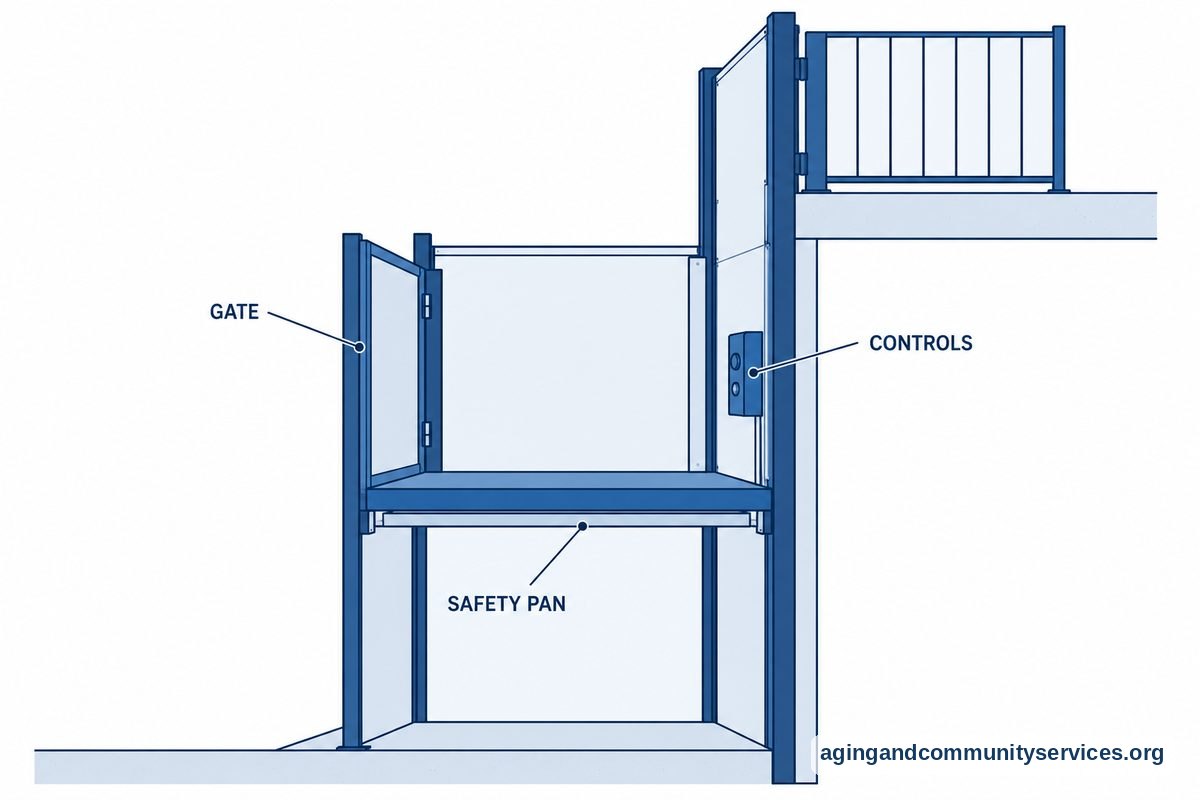
| Constant Pressure Switch | Ensures the platform moves only while a person actively pushes the button. | Wipe the control panel with a clean cloth to prevent grit buildup. |
| Interlocking Gates | Keeps the doors locked until the platform aligns with the landing. | Check monthly that latches click firmly into position. |
| Safety Pan Sensors | Stops the downward motion if an object rests beneath the platform. | Inspect under the carriage for leaves, twigs, or household clutter. |
| Emergency Stop Switch | Cuts electrical power instantly during unexpected mechanical movement. | Test the switch occasionally to confirm rapid shutoff response. |
Everyday Safety and Maintenance Practices
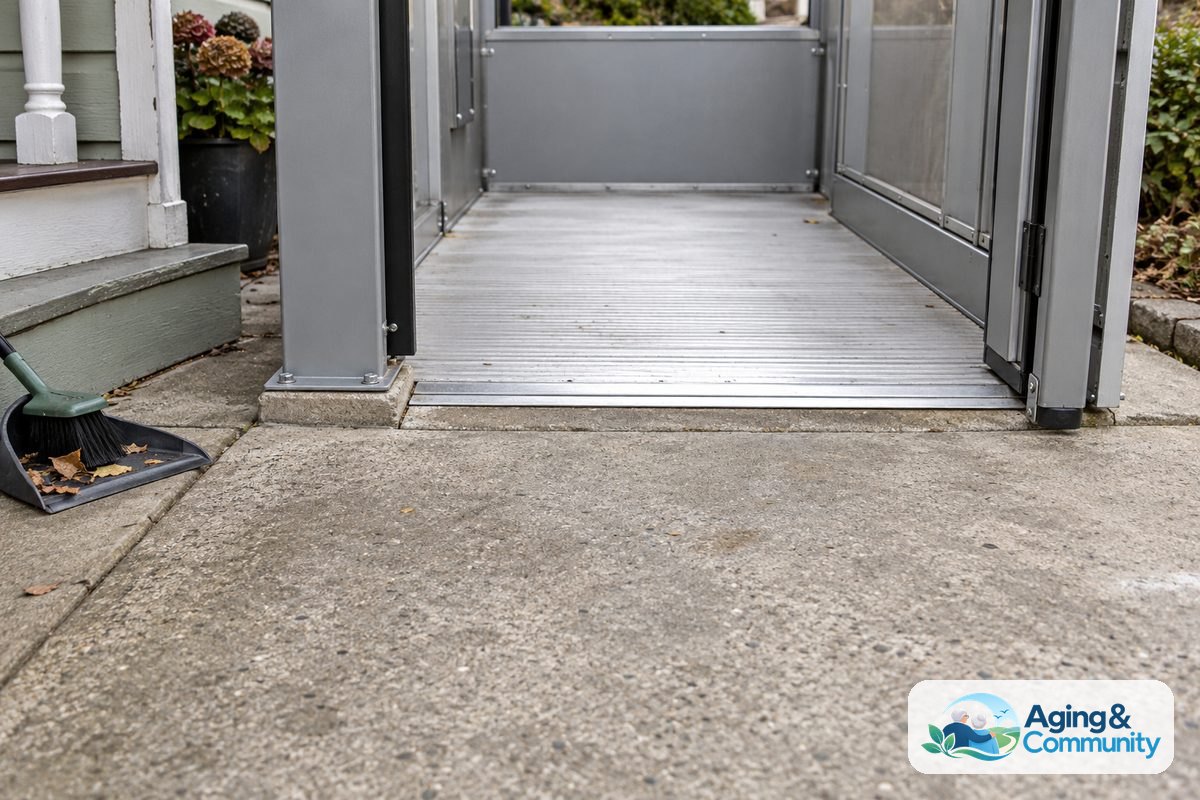
Consistent care keeps your lifting equipment working smoothly through all seasons. Keep outdoor units clear of falling leaves, snow, and garden debris. Check the backup battery system twice a year so the platform remains fully functional during an unexpected power outage.
Good posture and steady operation also keep you comfortable on every trip. Reviewing basic pointers on how to use wheelchair features correctly ensures you balance weight properly before rolling onto the lift platform. According to resources from the National Institute on Aging on falls and falls prevention, keeping pathways brightly lit and free of clutter can lower the risk of accidents around transition points.
If you encounter older multi-level buildings without elevators or vertical lifts, learn about managing steps carefully. Reading about how to use wheelchair on stairs provides helpful background on when two trained helpers are needed and when alternative routes should be used instead.
Frequently Asked Questions
How does a vertical wheelchair lift work?
A vertical platform lift uses an electric motor connected to a screw drive, hydraulic arm, or steel cables to raise and lower a flat metal carriage. The passenger rolls onto the platform, shuts the safety gate, and holds a control button down until the machine carries them to the upper or lower landing.
Can one person operate a wheelchair lift independently?
Yes, most modern home lifts are designed for solo use. The controls, call buttons, and door latches are placed at comfortable seated heights so older adults can summon the carriage, open the door, and control movement without requiring outside assistance.
What should I do if the lift stops midway between floors?
Stay seated, keep your wheel locks on, and press the red emergency stop button to reset the controls before trying the directional switch again. If the carriage remains stationary, use your mobile phone or the lift communication box to call for assistance, or have a companion use the manual lowering valve found in the equipment cabinet.
Do wheelchair lifts work during a power outage?
Many modern residential lifts feature an integrated battery backup system that provides enough power for several complete trips when primary electrical service drops out. Always verify that your specific unit includes a battery backup, and test the batteries every six months.
How wide does a wheelchair lift platform need to be?
Standard home platform lifts usually provide a clear deck width of at least thirty-six inches and a length of forty-eight to sixty inches. This surface area comfortably accommodates standard manual chairs, motorized power chairs, and footrests while leaving room to reach the control console.