If you find yourself asking, can I get a hospital bed for free, the answer is that it is often possible depending on your coverage and local resources. While a brand-new bed is rarely handed out with zero strings attached, many older adults receive one at no personal cost through insurance, hospice care, or community programs. Knowing where to look makes the process much simpler for you and your family.

Insurance Programs That May Cover the Cost
Original Medicare Part B covers durable medical equipment when a doctor prescribes it for use in the home. The doctor and the medical equipment company must both be enrolled in Medicare. After meeting the yearly Part B deductible, you usually pay a percentage of the approved amount, while Medicare covers the rest. In many cases, Medicare will set up a monthly rental rather than buying the bed outright. You can learn more about how does medicare cover hospital bed rentals to understand the payment schedule.
For those enrolled in both Medicare and Medicaid, your out-of-pocket costs may be completely covered. Medicaid rules vary by state, but it often steps in to cover the remaining costs that Medicare leaves behind. If you have a Medicare Advantage plan, the plan must offer at least the same basic coverage as Original Medicare. These plans may require you to get prior approval or choose a supplier from their specific network, so it helps to check your plan documents before placing an order.
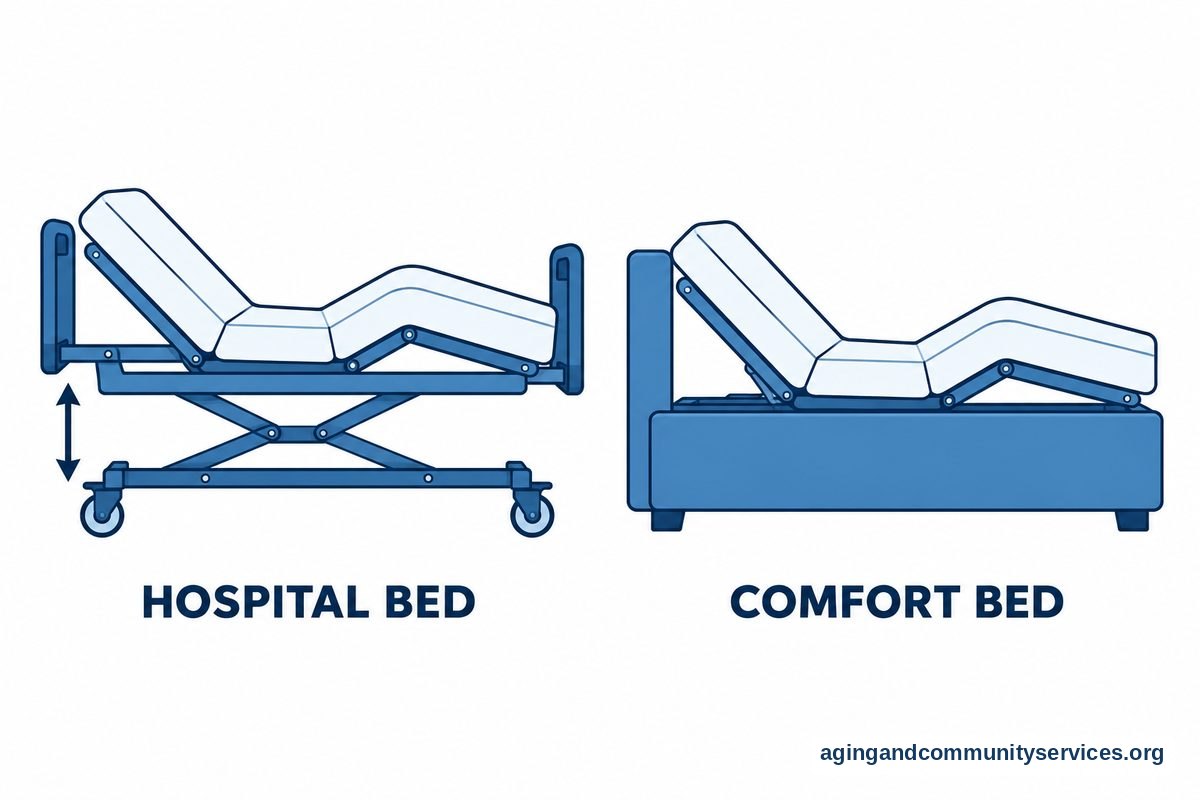
The rules set by Medicare durable medical equipment coverage state that standard adjustable beds sold for comfort do not qualify. A doctor must document that you have a medical need that a regular bed cannot support. You can review the differences between a hospital bed vs regular bed to see why doctors write these prescriptions.
Hospice Care and Veterans Benefits
When an individual enters hospice care, medical equipment related to the terminal illness is covered under the Medicare hospice benefit. In this situation, a hospital bed is delivered, set up, and maintained at no or very low cost to the patient or family. The hospice care team handles all the arrangements directly with their contracted medical supplier.
Eligible veterans can also receive home medical equipment through the Department of Veterans Affairs. If you receive care through the VA system, your primary care team can evaluate your needs at home and order an appropriate bed through VA health benefits. The equipment is delivered and serviced through the VA network at no cost to eligible veterans.
Community Loan Closets and Local Nonprofits
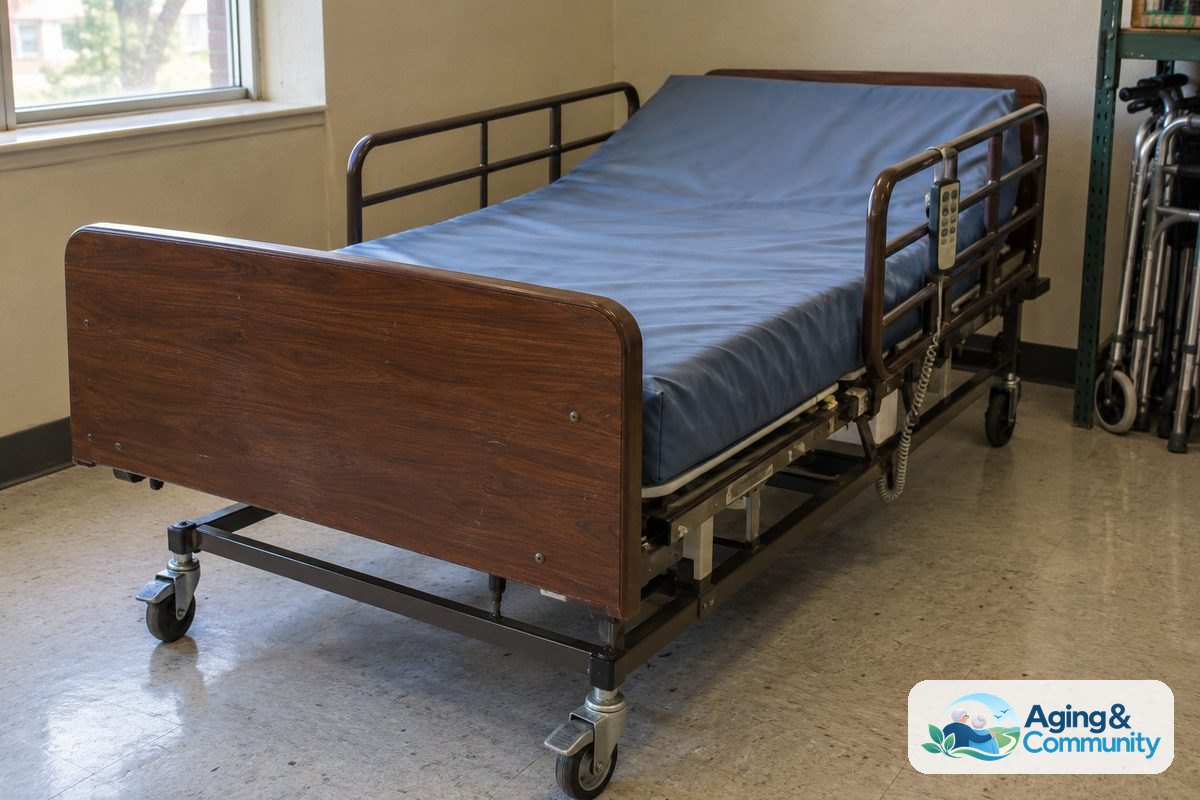
If insurance will not cover a bed, local charities and volunteer groups are often the next place to look. Medical equipment loan closets lend out donated items to community members. These closets are run by local senior centers, faith organizations, Lions Clubs, and Rotary clubs. They provide equipment for free, though some may ask for a small refundable deposit to ensure the item is returned when no longer needed.
You can read about free medical equipment options to see the wide range of supplies these programs keep on hand. While smaller items like canes and commodes are more common, many closets also receive hospital beds from local families who no longer need them. Similar volunteer groups also help when people ask can you get free wheelchairs or walkers.
State Assistive Technology Programs and Disease Groups
Every state and territory operates an Assistive Technology Act program. These programs help residents find the tools they need to live independently. Many run device reuse and exchange networks that collect gently used equipment, sanitize it, check it for safety, and give it to people who need it at low or no cost. You can view the directory on the AT3 Center state directory to reach your local office.
Nonprofit groups focused on specific medical conditions are another helpful resource. For instance, some Easterseals locations and organizations that serve people with ALS or muscular dystrophy operate loan programs for registered participants. These groups understand the equipment needs of the conditions they support and often have specialized beds available for long-term loan.
Watch Out for Medical Equipment Scams
When searching for no-cost equipment, it is important to protect your personal information. Legitimate free walker assistance programs will never call you out of the blue asking for your Medicare number, Social Security number, or banking details. Real support organizations also do not charge an application fee to receive donated items.
Be cautious of any company that contacts you promising free medical items without requiring a doctor prescription. Billing Medicare for equipment you do not need is illegal, and accepting unsolicited equipment can compromise your benefits if you need different equipment later. Always speak with your own healthcare provider before agreeing to receive home medical equipment.
What to Do Next
Finding a bed takes a few organized steps. Here is a practical way to begin your search:
- Talk with your doctor: Schedule a conversation to discuss your physical needs at home. Ask if your health status meets the criteria for a medical bed prescription.
- Review your coverage: Call your insurance plan or check your benefits handbook to see which local suppliers are approved and whether you need prior authorization.
- Contact local support agencies: Call the Eldercare Locator at 1-800-677-1116 or dial 211 to ask about medical loan closets, church ministries, or aging services near you.
- Check device dimensions: Before accepting a donated bed, learn how to choose a hospital bed for home so you can measure doorways and confirm the room has enough space and electrical outlets.
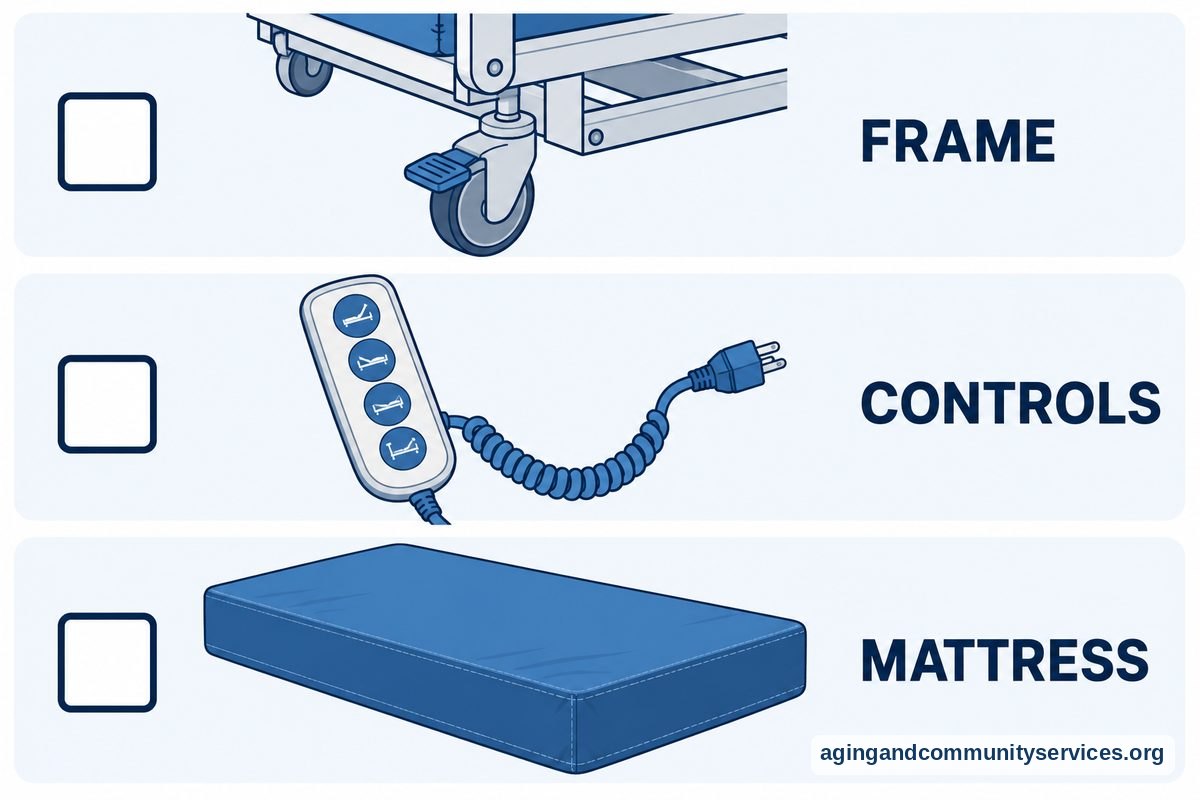
- Inspect used equipment: If you receive a bed from a community exchange, inspect the frame, test the motor and hand controls, and check the weight limit before setting it up for daily use.
Frequently Asked Questions
Will Medicare pay the entire cost of a hospital bed?
Original Medicare Part B pays eighty percent of the approved amount once you have met your annual deductible. You or your supplemental insurance are responsible for the remaining twenty percent. If you also have Medicaid, it may cover that remaining balance, similar to how seniors qualify for mobility equipment.
Can I get a hospital bed if I do not have a doctor prescription?
Medicare, Medicaid, and private insurance will not pay for a hospital bed without a written prescription from an enrolled healthcare provider. However, some independent charity loan closets and community giveaway groups do not require a prescription, though having input from a doctor or physical therapist is still recommended for safety.
What is the difference between a hospital bed and an adjustable comfort bed?
A hospital bed allows users to adjust both the head and foot height, and it also raises or lowers the entire frame off the floor to help caregivers. It often includes side rails and accommodates medical accessories. Adjustable comfort beds sold in retail stores only tilt the head and feet and are considered luxury items by insurance programs.
Are donated hospital beds safe to use?
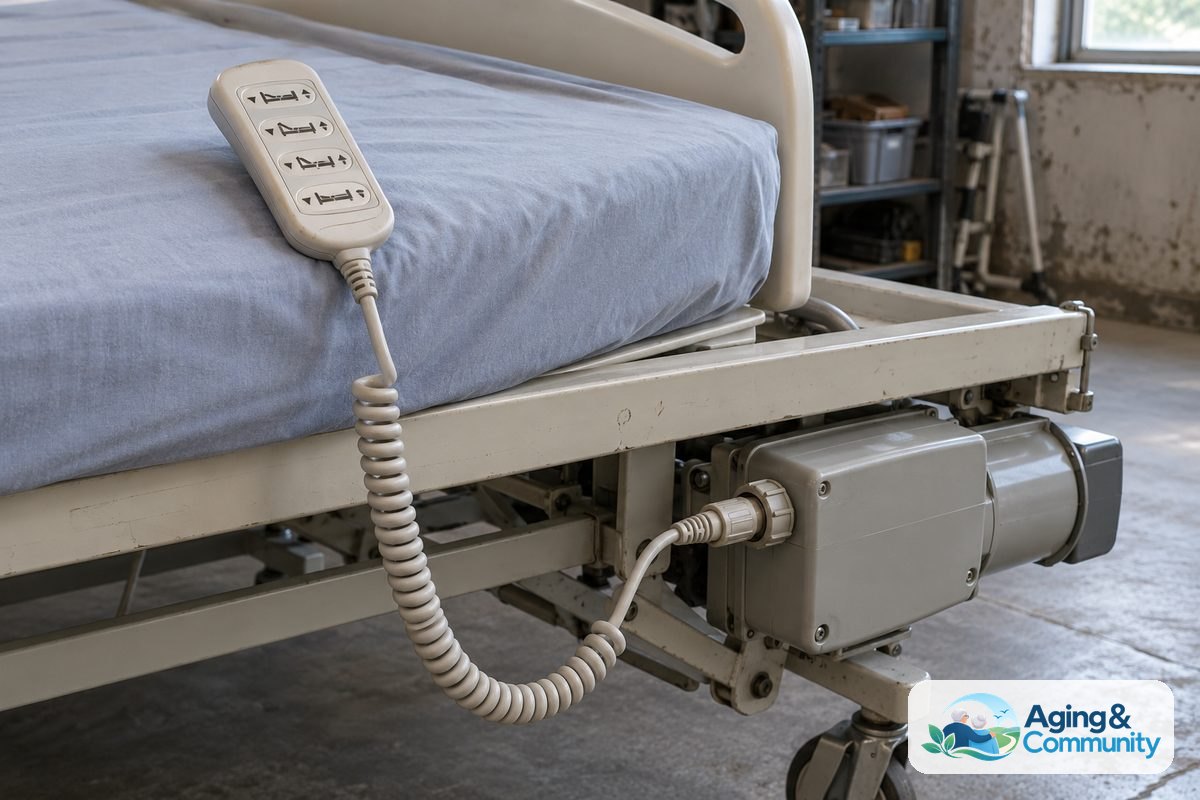
Donated beds can be very safe, but they should always be inspected thoroughly before use. Check that the electrical cord is not frayed, the hand pendant operates smoothly, the frame locks in place, and the mattress meets sanitation standards. It is wise to have an occupational therapist or medical equipment technician look over the bed if you are unsure.