

If you or a family member needs mobility help, you may wonder: can you get free wheelchairs when money is tight? Yes, you can get free wheelchairs or very low cost options through health insurance programs, local loan closets, and community charities. While getting one depends on your health needs and what is available in your area, several reliable programs can help you find the right equipment.

How Medicare and Insurance Can Cover a Wheelchair
Original Medicare Part B helps pay for durable medical equipment, including manual wheelchairs and certain power chairs. To qualify for a free wheelchair, a doctor who is enrolled in Medicare must examine you and write a prescription stating that the chair is medically necessary for use inside your home. The supplier you choose must also be enrolled in Medicare.
Once you meet your yearly Part B deductible, Medicare usually covers 80 percent of the approved cost, leaving you to pay the remaining 20 percent. Depending on the specific equipment, Medicare may decide to rent or purchase the chair for you. If you have questions about what rules apply to walkers versus chairs, you can read more about does medicare cover walker and wheelchair coverage to understand the details.
Medicare Advantage plans must provide at least the same level of coverage as Original Medicare. However, these private plans often require you to use specific network suppliers and may ask for prior approval before delivering the chair. Reviewing the official durable medical equipment coverage rules can help you understand what steps your plan requires.
Medicaid and VA Health Benefits
Medicaid also covers mobility equipment for people who qualify based on state guidelines. What Medicaid covers and how it works varies from state to state. For people who have both Medicare and Medicaid, out-of-pocket costs are often very low, and in many cases, you may pay nothing at all for a prescribed chair.
Veterans who need mobility assistance may be able to receive a wheelchair through the Department of Veterans Affairs. Eligible veterans enrolled in VA health benefits can speak with their primary care provider or physical therapy team to schedule an assessment. If approved, the VA provides the necessary equipment directly to the veteran.
Community Loan Closets and Local Charities
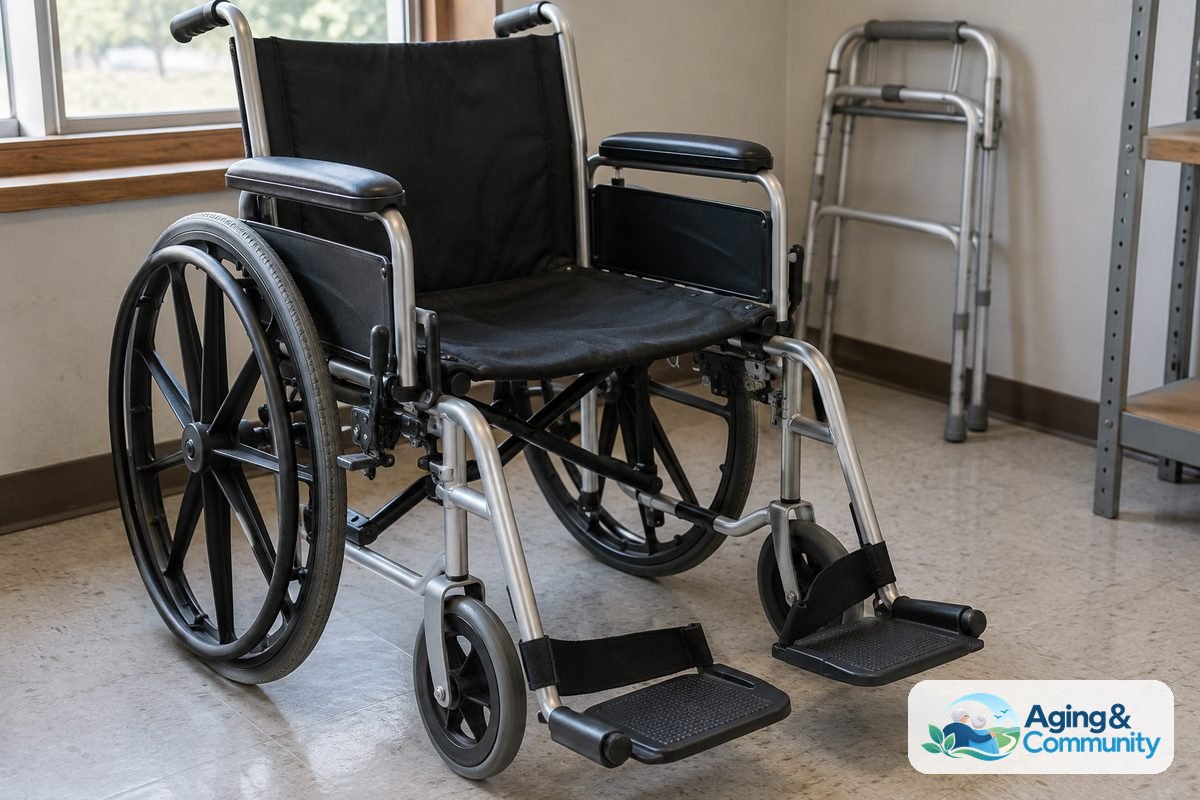
If you do not have insurance coverage or need a chair temporarily, community equipment closets are an excellent resource. These options include a free walker assistance program that lends gently used wheelchairs, shower benches, and walkers for free or for a small refundable deposit. They are typically run by local groups such as:
- Senior centers and community action agencies
- Faith-based charities and local churches
- Service clubs, including Lions Clubs and Rotary groups
- Hospitals and independent non-profit organizations
Because inventory comes entirely from community donations, the types of chairs on hand change regularly. To explore all the avenues available in your neighborhood, check out our guide to free medical equipment options.
State Assistive Technology Programs
Every state and territory operates an Assistive Technology Act program designed to help individuals find the devices they need. These organizations offer short-term device loans so you can try out equipment before committing to it. Many also run reuse programs that collect, sanitize, and refurbish donated mobility equipment to give away or sell at very low cost.
You can find your local center by checking the directory of state assistive technology programs online. These programs serve people of all ages and do not always require a medical prescription to borrow an item for short-term use.
Disease-Specific Organizations and Civic Groups
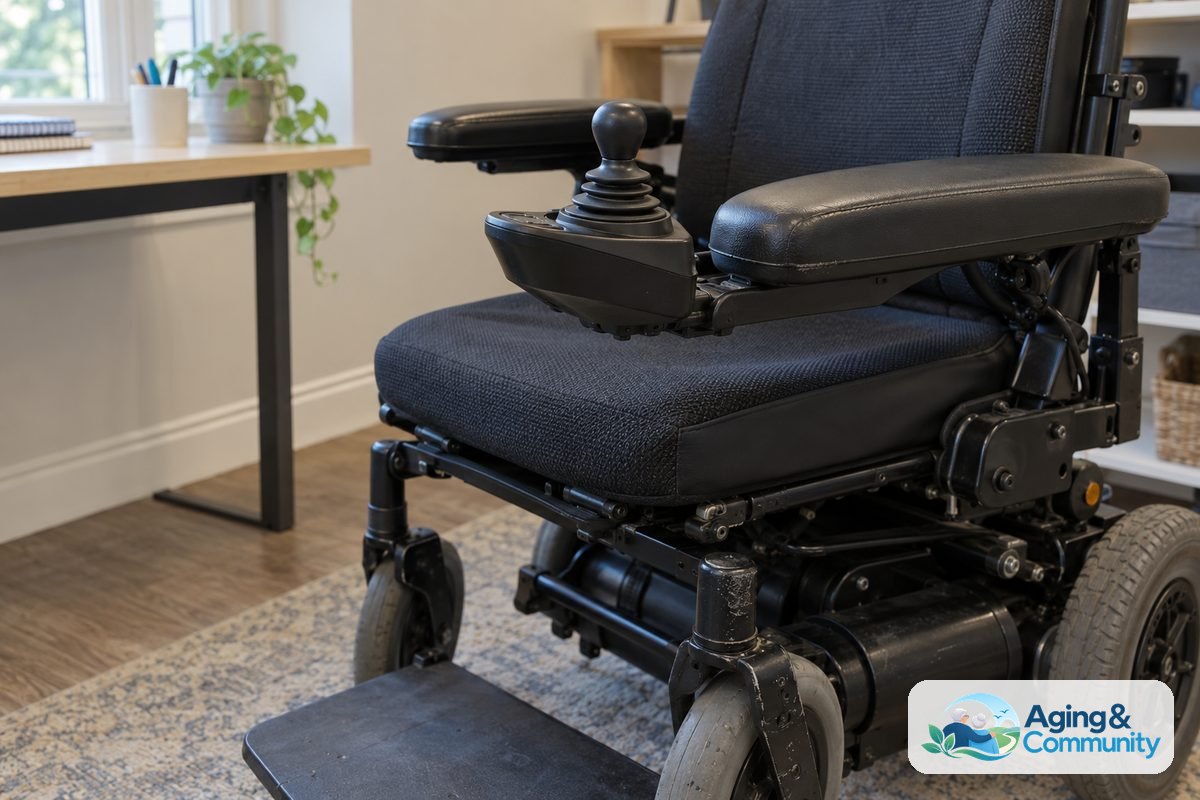
Certain non-profit groups offer equipment closets specifically for people living with particular medical conditions. For instance, organizations supporting people with ALS or muscular dystrophy often maintain loan banks of manual and power chairs for their members. Some local Easterseals chapters also provide loan closets and mobility services depending on local community needs.
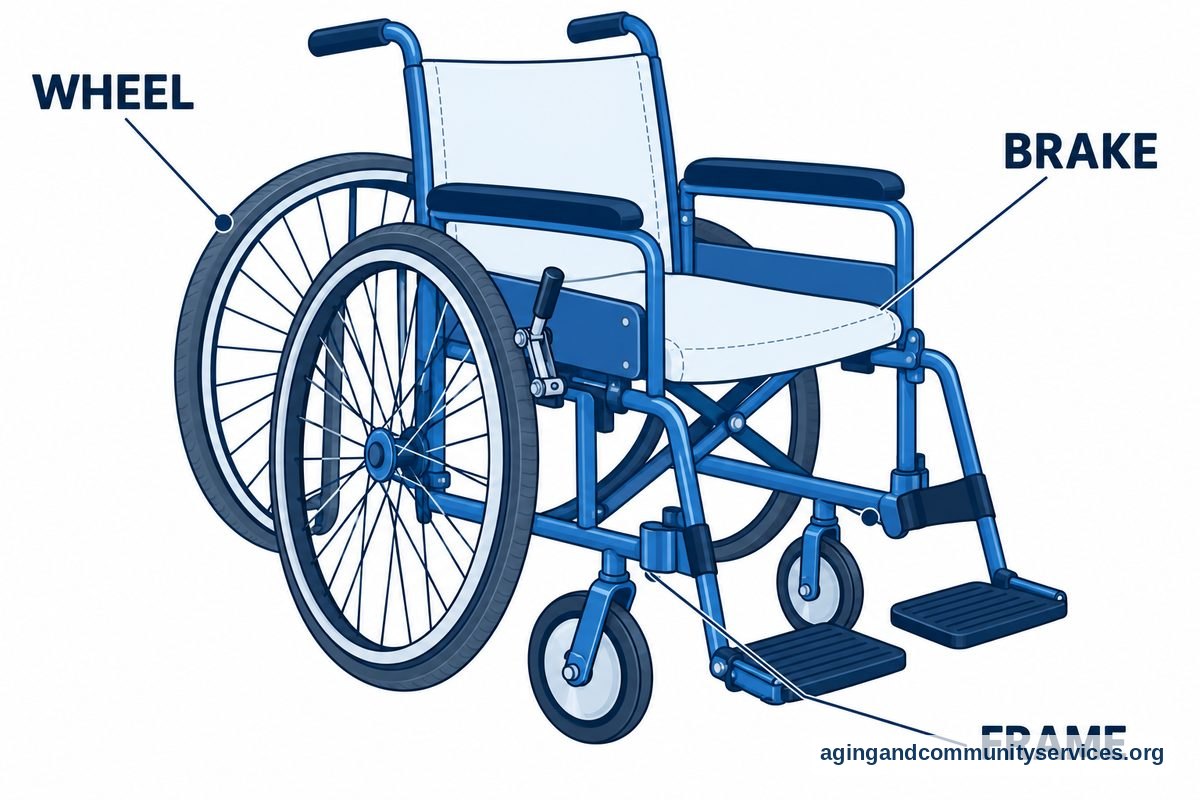
You might also find free used wheelchairs through local neighborhood sharing networks like Freecycle or Buy Nothing groups. When accepting a used chair from an individual, always examine the frame, brakes, and wheels carefully. A physical therapist or occupational therapist can inspect the chair to verify that the seat width, back support, and weight rating are safe for everyday use.
How to Spot Wheelchair Scams
Unfortunately, dishonest operators sometimes target families searching for mobility equipment. Real assistance programs will never charge an upfront application fee just to apply for help. Legitimate groups and Medicare suppliers will never call you out of the blue asking for your Medicare number, Social Security number, or banking information. You should also be cautious of anyone who promises a free power wheelchair or scooter without requiring a prescription or an exam from your doctor.
What to Do Next
Taking a few organized steps can help you secure the right mobility equipment without unnecessary delays. Here is how you can begin your search:
- Schedule an appointment with your doctor or physical therapist to discuss your mobility needs and obtain an accurate prescription.
- Contact your local Area Agency on Aging through the Eldercare Locator or call the 211 helpline to ask about active loan closets in your town.
- Reach out to your state assistive technology program to see if they have refurbished chairs available for pick-up.
- Check online community boards and local service clubs to ask if any members have a clean, working chair they wish to donate.
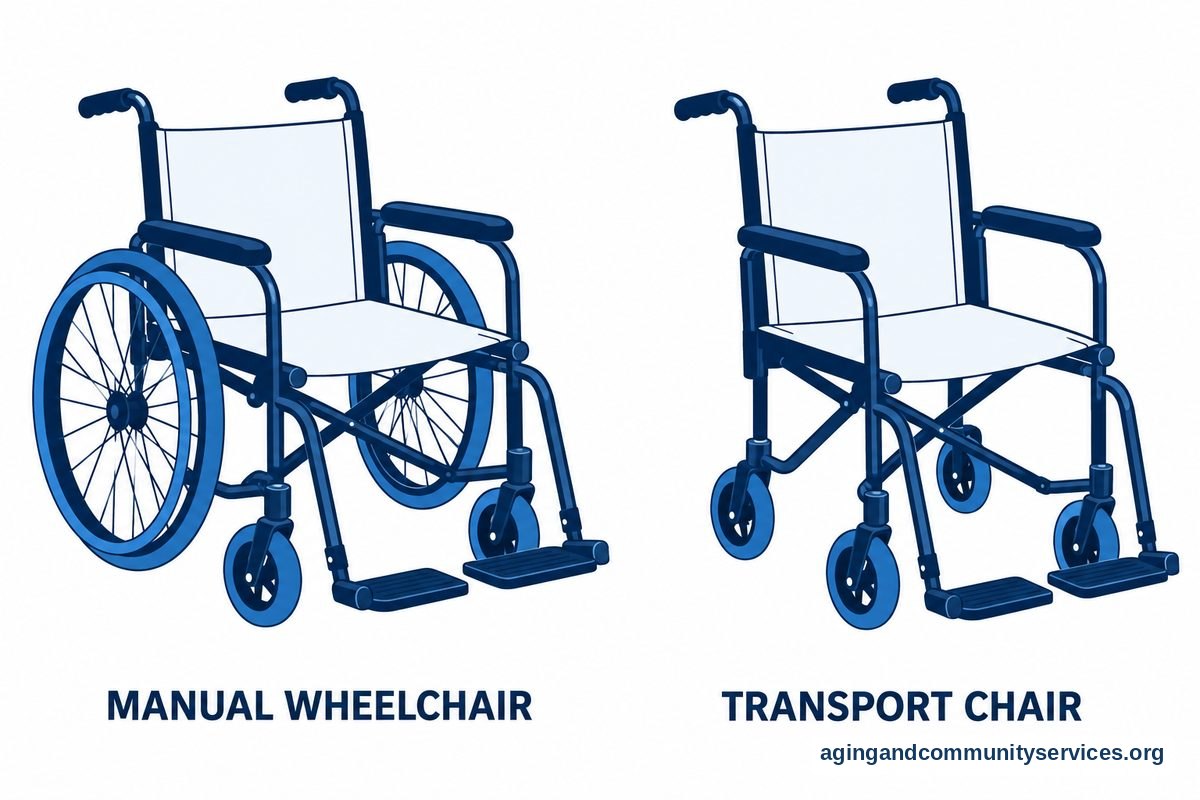
If a free option is not available right away, purchasing an inexpensive chair can be a practical alternative. Before you buy, learning how to choose a wheelchair will help you select the right frame size and style. You may also want to compare a wheelchair vs transport chair to decide whether you need large wheels for self-propelling or a lightweight model designed for a helper to push, or browse common wheelchairs for elderly users to see what features fit your home.
Frequently Asked Questions
Does Medicare pay for the entire cost of a wheelchair?
Original Medicare Part B covers 80 percent of the Medicare-approved amount after you meet your Part B yearly deductible. You or your supplemental insurance policy will pay the remaining 20 percent. If you also qualify for Medicaid, your out-of-pocket costs may be completely covered.
Can I get a power wheelchair for free through insurance?
A power wheelchair can be covered by Medicare or Medicaid, but the approval process requires extra steps. A doctor must conduct an in-person face-to-face examination and document that you cannot safely move around your home using a cane, walker, or manual wheelchair. Once approved, insurance covers its standard share of the cost.
How long can I borrow a chair from a medical loan closet?
Loan periods depend on the specific organization. Some community loan closets lend equipment for a few weeks or months while you recover from an injury, while others allow you to keep the equipment for as long as you need it. It is best to call the organization directly to ask about their loan policies.
Will Medicare cover a wheelchair if I only need it outside?
No, Medicare only covers durable medical equipment, such as a free hospital bed, that is medically necessary for use inside your home to complete daily tasks like bathing, dressing, and cooking. Medicare does not cover chairs intended solely for community outings, leisure trips, or outdoor use.
What is the difference between a loan closet and an AT program?
Loan closets are usually run locally by volunteers, churches, or civic clubs and offer direct equipment loans based on what has been donated. State assistive technology programs are funded through federal acts, offering broader services like equipment trials, training, and certified refurbishment programs.