

Getting around becomes harder when arthritis, weakness, or balance problems set in, and a wheelchair can restore both freedom and safety. But the choice between a lightweight transport model that a caregiver pushes and a self-propelled chair you can operate yourself makes a real difference in daily life. We compared specifications across 6 wheelchairs designed for older adults, weighing factors like frame weight, seat width, folding size, and whether independent propulsion is possible. The result is our guide to the best wheelchairs for elderly adults, covering situations from occasional outings to regular mobility support. Whether you are shopping for your parent or yourself, this comparison will help you match the right chair to your actual routine. Start with the Drive Medical Lightweight if caregiver assistance fits your life, or explore the VOCIC Ultra Lightweight if staying independent matters most.
Pros
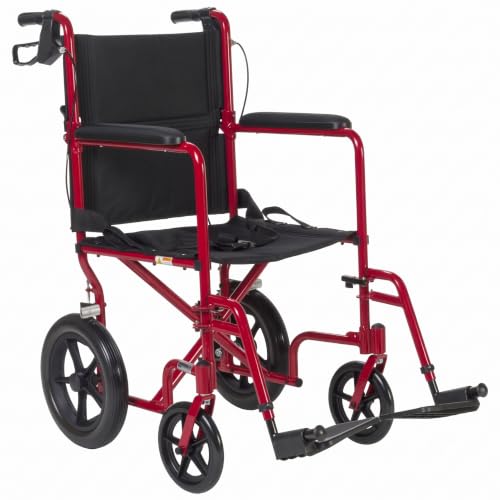
- Ultra-light 19-lb aluminum frame lifts and stores easily
- Large 12-inch rear wheels handle bumps and uneven surfaces
- Companion hand brakes eliminate bending or straining to stop
- Simple rear-lever folding system for quick portability
Cons
- Requires a caregiver to push; not self-propelled for independent mobility
- Padded armrests may need occasional cleaning or replacement
- 12-inch wheels may struggle on very steep terrain or thick grass

Pros
- 19-inch seat width provides extra comfort versus standard 17-inch models
- Dual-fold design compacts to 9 inches wide for easy vehicle storage
- Premium breathable nylon seating promotes airflow and comfort
- 8-inch TPU casters deliver smooth rolling on various surfaces
- 3-year frame warranty on reinforced steel construction
Cons
- Requires caregiver strength to operate folding mechanism repeatedly
- Swing-away footrests may need adjustment for different user heights
- Transport model lacks self-propulsion wheels for independent mobility

Pros
- Weighs only 34 lbs for easier pushing and transport
- Swing-back desk-length arms enable closer table access
- Elevating leg rests provide adjustable comfort positioning
- 300 lb weight capacity supports most adult users
- Breathable nylon upholstery is soft and easy to clean
Cons
- Folds to 10.5 inches wide, still bulky for compact car storage
- 34 lb weight can be challenging for frail or weak caregivers
- Fixed seat height range of 18-20 inches may not suit all users

Pros
- Steel frame construction supports up to 250 lbs capacity
- Swing-away detachable footrests simplify transfers and boarding
- Folds compactly with backrest that folds down for car storage
- 8-inch wheels maneuver through doorways and tight indoor spaces
Cons
- 30 lb weight requires caregiver strength to lift and transport
- Manual locking brakes need hands-on operation during transfers
- 19-inch seat width may feel tight for larger-framed individuals

Pros
- Compact folding frame fits easily in car trunks and tight spaces
- Padded nylon seat wipes clean for quick daily maintenance
- Swing-away footrests simplify transfers and positioning
- Steel frame construction provides stability for daily use
Cons
- 8-inch wheels may struggle on uneven outdoor terrain
- Designed for transport only, not independent propulsion
- Limited customization for users needing specialized support

Pros
- Aero aluminum frame weighs only 23 lbs, 50% lighter than steel models
- Reinforced dual-X base supports up to 300 lbs without wobbling
- 270° swing-in legrest design folds flush against beds and car seats
- Adjustable 3-level ergonomic armrests for shoulder-to-hand comfort
Cons
- 17.7-inch seat width may feel narrow for larger-framed adults
- Dual braking system requires hand strength for safe operation
- 1-inch cushion provides minimal padding for extended sitting periods
A Closer Look at Our Top Pick
The Drive Medical Lightweight stands out because it solves a real problem for many families: the need to fold and load a wheelchair quickly without straining your back. At 19 pounds, this transport wheelchair lifts easily into a car trunk, and the rear-lever folding system takes seconds to operate. The 12-inch rear wheels handle sidewalk cracks and gravel without tipping, while the companion hand brakes let a caregiver stop smoothly without bending down to squeeze foot pedals. The padded armrests add comfort during short trips, and the 19-inch seat width gives good support for most body frames. This chair is not meant for independent use, your parent will need someone to push it, but if you are the primary caregiver and want a reliable, portable option for doctor visits, shopping, or outings, this model delivers practical performance without unnecessary features.
One trade-off to consider: the 12-inch wheels, while better on rough surfaces than smaller casters, may struggle on very steep terrain or thick grass. If your outings involve unpaved trails or steep hills regularly, you might want to explore a self-propelled model instead. For most indoor spaces and paved outdoor areas, however, these wheels perform well. The aluminum frame resists rust, and the straightforward design means fewer parts to break or adjust over time. Caregiver strength is the main factor here, if lifting 19 pounds would strain your back or shoulders, a slightly heavier model might seem inconvenient, but the weight savings often pays off after weeks of loading and unloading.
Find Your Situation
- the Drive Medical Lightweight: Caregiver-pushed transport for outings, 19 lbs, 12-inch wheels. Watch out: requires active pushing; not self-propelled.
- the Invacare Transport Wheelchair: Compact storage in sedans, 19-inch seat, 9-inch folded width. Watch out: folding mechanism demands caregiver strength to operate repeatedly.
- the Medline Lightweight Wheelchair: Self-propelled indoor and light outdoor use, 34 lbs, elevating leg rests. Watch out: heavier frame; 10.5-inch folded width still takes up trunk space.
- the Medline Durable Folding: Steel durability for daily use, 250 lb capacity, swing-away footrests. Watch out: 30 lb weight and manual brakes need hands-on operation.
- the Drive Medical Folding: Budget compact transport, 17-inch padded seat, fits tight car trunks. Watch out: 8-inch wheels slip on uneven ground; transport-only, no self-propulsion.
- the VOCIC Ultra Lightweight: Self-propelled independence, 23 lbs aluminum, 270-degree swing-in legrest. Watch out: 17.7-inch seat feels narrow for larger frames; dual brakes need hand strength.
How We Narrowed It Down
We compared published specifications for frame weight, seat width, wheel size, folding dimensions, weight capacity, and whether each model supports independent propulsion or requires a caregiver to push. We did not handle or test these wheelchairs in person, but after comparing 6 models side by side, we excluded chairs with designs that locked users into one position or offered no real choice in mobility style. Transport wheelchairs tend to weigh less and fold smaller but depend entirely on caregiver strength and availability. Self-propelled models give independence but typically weigh more and require upper-body strength to operate hand rims and brakes. The price range for these 6 chairs suggests that lighter weight and portability command higher costs, though durability and seat width vary across all price points. If your parent has never used a wheelchair before, talking with a doctor or physical therapist can help match the right style to their actual strength and daily routine. Resources like the National Institute on Aging also offer guidance on mobility and fall prevention for older adults.
What to Look For
Who will push or propel the chair
Transport models assume a caregiver does all the pushing, so your parent sits and relaxes. Self-propelled chairs let your parent operate hand rims to move independently, but require grip strength and arm control. If your parent cannot grip firmly or tires easily, a transport model with a caregiver makes sense. If staying independent is important and arm strength is adequate, self-propulsion preserves dignity and reduces caregiver burden. The 6 models split evenly: 3 are transport-only, and 3 allow independent propulsion.
Weight matters more than you think
A 19-pound chair versus a 34-pound chair might not sound like much until you load and unload it 5 times a week. Lighter aluminum frames tire you out less, while heavier steel builds last longer but demand more effort. If the caregiver has shoulder or back pain, shaving off even 5 pounds reduces strain significantly. The VOCIC Ultra Lightweight at 23 pounds offers a middle ground between portability and steel durability, while the Medline Lightweight at 34 pounds tests caregiver endurance.
Seat width determines comfort and transfers
A 19-inch seat provides more cushioning and side support than a 17-inch, and makes transfer to and from beds or car seats easier for larger-framed adults, especially with a gait belt. The Invacare and Medline Durable Folding both offer 19 inches, while the VOCIC is narrower at 17.7 inches. If your parent is broader across the hips or thighs, the extra inch or two prevents squeezing and skin pressure. Seat depth and height also matter, though most models sit in a similar range between 16 and 20 inches from the ground.
Folding and storage space in your car
Folding size separates travel-friendly chairs from those that dominate your trunk. The Invacare folds to just 9 inches wide, while the Medline Lightweight expands to 10.5 inches, and the Drive Medical Lightweight falls between at roughly 10 inches when folded. Measure your car trunk width and compare. A sedan with a 34-inch trunk opening may struggle with a chair that does not compress below 10 inches, while an SUV with 40+ inches handles any of these models easily.
Before you buy: test transfers in person
The best wheelchair on paper can feel wrong in your home. If possible, borrow a similar model or visit a medical supply store and practice transferring from a chair to a bed or car seat. Swing-away footrests, as found on 4 of the 6 models, do simplify transfers by moving out of the way. Fixed footrests slow down the process and may pinch skin. The Medline Lightweight and VOCIC also offer leg rests that elevate, which helps with circulation but adds complexity and weight. If stairs are the barrier, compare stair assist devices too.
When this is not enough: thinking ahead about progression
If your parent is new to a wheelchair after a fall or surgery, they may eventually gain strength and want to propel themselves independently. Conversely, someone who starts self-propelled may later tire and need a transport chair. Consider renting before buying, and talk with an occupational therapist about your parent’s long-term outlook. The Eldercare Locator can connect you with local specialists who assess mobility needs and can advise whether a wheelchair is temporary or permanent.
Braking systems and hand strength
Hand brakes on transport chairs (operated by the caregiver) are easier to use than foot pedals if anyone has arthritic hands. Self-propelled chairs rely on rim brakes or drum brakes that require firm finger grip. The VOCIC’s dual braking system offers more control but demands hand strength, while companion brakes on the Drive Medical Lightweight shift responsibility to the caregiver entirely. Test the brake feel in person if you can; a stiff brake is safer than a loose one, but excessive resistance frustrates users.
Quick Tips for Choosing
- Measure your car trunk width and height to confirm any folded wheelchair will fit without removing other items.
- If your parent has arthritis in the hands or weak grip, prioritize transport models with caregiver brakes rather than self-propelled hand rims.
- Check the weight capacity listed for each model; most support 250-300 pounds, but confirm it matches your parent’s current weight plus clothing and cushions.
- Padded seats feel better initially but require regular cleaning; breathable nylon upholstery wipes down quickly after outdoor use.
- A 17-inch seat feels cramped after an hour for someone with a wide frame; try before buying if possible.
- Aluminum frames are lighter and rust-proof but cost more; steel frames are heavier, cheaper, and equally durable if kept dry.
Frequently Asked Questions
Can someone with weak arms use a self-propelled wheelchair?
Not safely or comfortably. Self-propelled chairs demand consistent grip strength and shoulder endurance. If your parent tires easily or has arthritis limiting grip, a transport wheelchair with caregiver-operated hand brakes is a better fit. They can enjoy the outing without exhausting themselves.
How much does it cost to rent a wheelchair short-term?
Rental costs vary widely by region and duration. A medical supply store can quote you daily or weekly rates. Renting for 2-4 weeks after surgery often costs less than buying outright, and lets you test whether a transport or self-propelled model suits your parent before committing.
What is the difference between a transport wheelchair and a regular wheelchair?
Transport wheelchairs have smaller wheels positioned for pushing by someone else, and lack hand rims for independent propulsion. Regular or self-propelled wheelchairs have larger wheels and hand rims that let the person in the chair move themselves. Transport chairs are lighter and more portable; self-propelled chairs give independence but weigh more. For lower weight options, compare lightweight wheelchairs.
Do wheelchairs need insurance approval or a prescription?
Medicare and some private insurances cover wheelchairs if a doctor prescribes them. Transport wheelchairs are sometimes classified as durable medical equipment. Talk with your parent’s doctor and insurer about coverage before purchasing to avoid unexpected out-of-pocket costs.
How often should wheelchair cushions be replaced?
Standard padded cushions soften and compress after 1-2 years of daily use. Inspecting the foam for thinning and keeping nylon seats clean extends life. Removable, washable covers help; some models allow you to swap out worn cushions without replacing the entire chair.
Can someone transfer from a wheelchair to a toilet or shower chair alone?
It depends on arm strength, balance, and bathroom layout. Swing-away footrests help clear the path, and grab bars beside the toilet or tub assist balance. A physical therapist can assess your parent’s ability to transfer safely and recommend equipment like raised toilet seats or shower chairs if needed.
What surface are wheelchairs best used on?
Smooth, flat surfaces like tile indoors and paved sidewalks outdoors work well with all models. Grass, gravel, and steep terrain challenge smaller wheels. If your parent spends time on unpaved surfaces, larger wheels (like the 12-inch rear wheels on the Drive Medical Lightweight) handle bumps better than 8-inch casters.
How do I clean a wheelchair?
Wipe the nylon seat and backrest with a damp cloth and mild soap, then air dry. Aluminum frames can be wiped down; steel frames benefit from occasional drying to prevent rust if used in wet conditions. Wheel rims and brakes can be spot-cleaned with a cloth. Avoid soaking the fabric or submerging the frame in water.
Are wheelchairs covered by warranties?
Most manufacturers offer 1-3 year frame warranties covering defects. The Invacare Transport Wheelchair includes a 3-year frame warranty on steel construction. Check the warranty terms before buying, especially if your parent will use the chair daily or in varied weather.
What if my parent’s mobility needs change over time?
Reassess with their doctor or occupational therapist if they gain or lose strength, or if their living situation changes. A transport chair can become a self-propelled chair with practice and recovery, or the reverse if fatigue increases. Renting first, and maintaining open communication with a healthcare provider, keeps the right equipment in reach as situations evolve.
Which One to Start With
Your choice depends on whether your parent will use the wheelchair regularly or occasionally, and whether a caregiver is always available. If your parent goes out 2-3 times a week with you or another family member pushing, and car storage matters, start with the Drive Medical Lightweight. Its 19-pound frame lifts without strain, the 12-inch rear wheels handle typical sidewalk conditions well, and the companion hand brakes let you control speed without fumbling with foot pedals. The rear-lever folding is fast and intuitive, and the whole package fits easily into any sedan trunk. This is the practical choice for families where one caregiver shoulders most transportation duties.
If your parent values independence and has the arm strength to propel themselves, but needs something portable for shorter outings or travel, consider the VOCIC Ultra Lightweight. At 23 pounds, it weighs significantly less than heavier self-propelled models, yet the reinforced dual-X base supports up to 300 pounds without wobbling. The 270-degree swing-in legrest design is key here: it folds flush against beds and car seats, so transfers into vehicles are smoother and require less caregiver help. The 3-level ergonomic armrests adjust to fit your parent’s shoulder and hand height, reducing arm strain during propulsion. The trade-off is that operating the dual braking system and hand rims demands consistent grip strength, and the 17.7-inch seat is narrower than some alternatives.
For those wanting durability over portability, and whose car trunk space is generous, the Medline Durable Folding combines a steel frame that supports up to 250 pounds with swing-away footrests that simplify daily transfers. The 19-inch seat width offers comfort for larger-framed adults, and the straightforward design means fewer parts to adjust or replace. At 30 pounds, it is heavier than aluminum alternatives, but steel construction withstands years of daily use without bending or corrosion concerns. This model suits a household where the wheelchair will stay mostly indoors or in a covered porch, with occasional car trips for doctor visits. If your parent is not traveling frequently and you have the strength to lift 30 pounds regularly, the durability payoff may outweigh the added weight.