

If you need temporary help at home, knowing where to borrow medical equipment can save you time and money. Many communities have lending programs that provide gently used items such as walkers, wheelchairs, and shower seats at little or no cost. You can often borrow these items for as long as you need them from local charities, senior centers, or regional programs.

How to Find and Borrow Medical Equipment
- Contact your local loan closet. Many towns have equipment closets run by churches, senior centers, Lions Clubs, or Rotary groups that lend items like walkers or commodes for free or for a small refundable deposit.
- Reach out to your state assistive technology program. You can check state assistive technology programs through the AT3 Center to find short-term device loans, demonstrations, and reuse programs across every state and territory.
- Call local community helplines. Dialing 211 connects you to local operators who maintain lists of charitable groups with medical gear ready for loan.
- Check with condition-specific charities. Groups that support people with specific illnesses, as well as organizations like Easterseals, often run loan programs for specialized supplies.
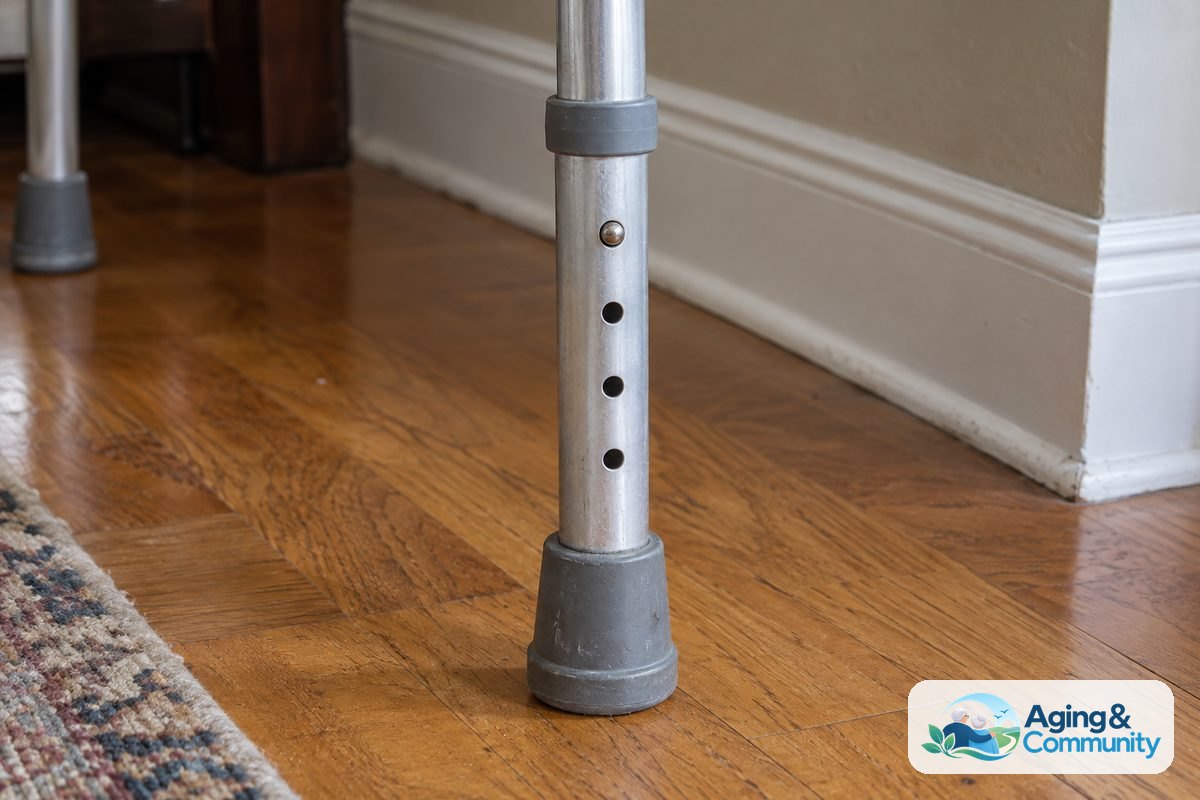
- Inspect and adjust the item before use. Make sure any borrowed item has all its parts, shows no cracks or loose bolts, and fits the user correctly before bringing it home.
Common Mistakes to Avoid
- Taking equipment without checking the weight limit. Every piece of equipment has a safe user weight rating that you must verify to avoid injury.
- Skipping a sizing check. Using a walker or wheelchair that is too wide, too low, or too high can cause joint strain or falls.
- Overlooking sanitation. Always thoroughly clean and sanitize borrowed surfaces, handgrips, and fabric parts before bringing them into your living space.
- Assuming all items can be borrowed. Certain daily items are single-use, so understanding medical supplies vs dme helps clarify which goods can be re-loaned.
- Forgetting to ask about return policies. Some programs allow indefinite use, while others ask for the equipment back after thirty or sixty days.
When to Ask for Professional Guidance
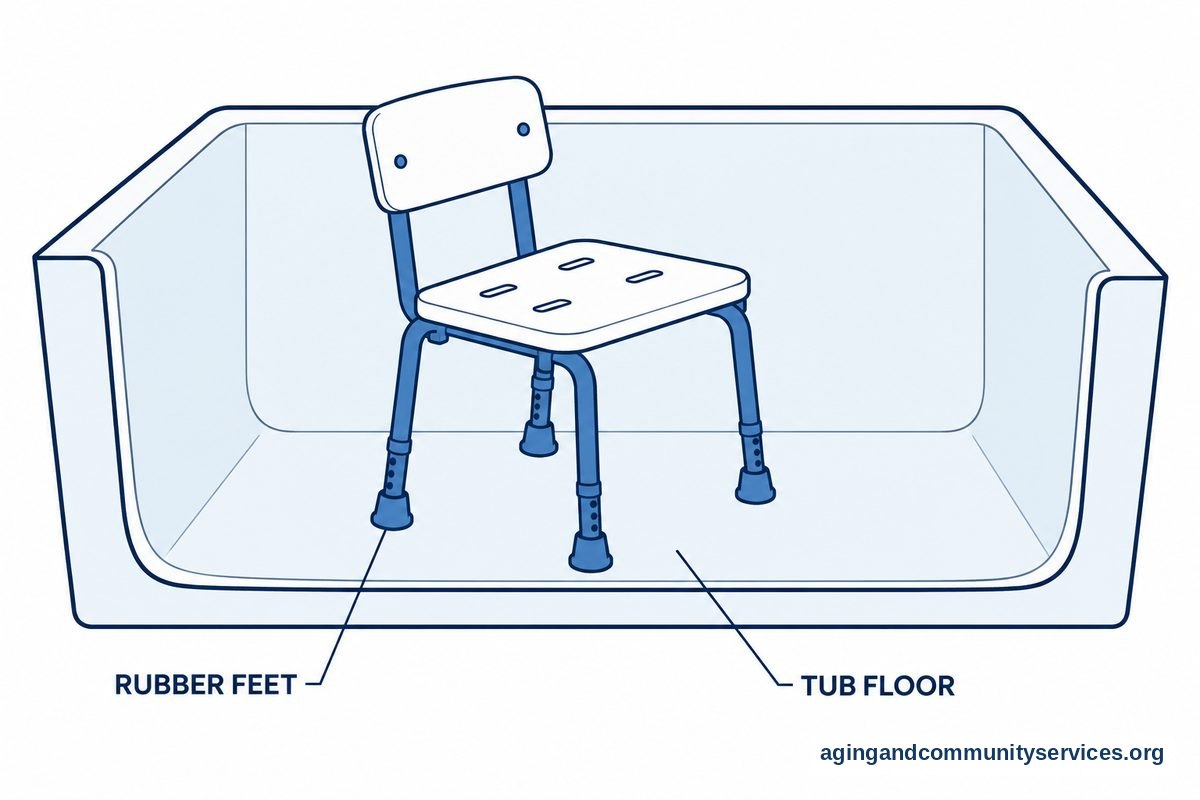
Before you bring borrowed items into the home, it is a smart idea to speak with a doctor, physical therapist, or occupational therapist. A physical therapist can ensure that a walker or cane is adjusted to the correct handle height so you do not hurt your back or shoulders. An occupational therapist can visit the home to see if a borrowed shower chair fits inside your bathtub safely.
You should also seek professional guidance if your mobility needs change suddenly or if you feel unsteady while using borrowed gear. When you speak to your healthcare provider to learn how to qualify for a free wheelchair, describe your daily routine, the layout of your home, and the exact model or type of item you plan to borrow. They can write a prescription or note the exact dimensions you need to stay safe.
Alternative Ways to Find Free or Low-Cost Devices
Borrowing is not the only way to manage mobility needs on a budget. You can explore free medical equipment options through insurance coverage or permanent assistance programs. For example, Original Medicare Part B covers durable medical equipment when an enrolled doctor writes a prescription stating the item is medically necessary for use at home.
If you are looking for specific items, community resources can help you ask can you get free wheelchairs or discover where can i get a free walker through local aid. For larger items, you might wonder can i get a hospital bed for free through Medicare, Medicaid, or hospice programs. In cases where borrowing is not feasible and insurance does not apply, purchasing an affordable basic model online or through a local supplier can be a practical alternative.
How to Watch Out for Equipment Scams
Unfortunately, dishonest callers sometimes target older adults with fake offers of mobility goods. Legitimate lending closets and community programs do not charge application fees to borrow donated items. A genuine program will also never call you unexpectedly to ask for your Medicare number, Social Security number, or banking details. Be cautious of anyone offering power chairs or scooters without a proper medical exam or prescription, as valid medical programs always require an authorized healthcare order. Review Medicare durable medical equipment for more information.
Frequently Asked Questions
How long can you keep borrowed equipment?
Loan periods depend entirely on the assistance program for a free walker you use. Some community loan closets allow people to keep the item for as long as it is needed, while state assistive technology programs often offer shorter trial loans lasting a few weeks to a few months.
Do I need a prescription to borrow from a loan closet?
Most community loan closets run by local charities, churches, or service clubs do not require a doctor prescription. However, getting advice from a healthcare provider is still recommended to ensure the gear matches your physical needs.
What should I do if a borrowed item breaks?
Stop using the item immediately to protect your safety. Contact the organization that loaned it to you to ask if they offer repair services, replacement parts, or an exchange for another unit.
Can I donate equipment back when I am done?
Yes, most loan closets gladly welcome back the items they lent out once you have cleaned them. Many groups also accept donations of other surplus mobility tools in good working order to help the next family.