

If you receive assistance with your prescription drug costs, you might wonder: does Medicare Extra Help expire? The short answer is that Extra Help does not automatically end on a specific date, but your coverage can change or stop if your eligibility changes. Social Security reviews cases periodically to make sure people still qualify based on their income and resources.

How Medicare Extra Help Stays Active
Extra Help is also known as the Part D Low-Income Subsidy. It lowers Part D premiums, deductibles, and drug copays for people who qualify, showing how to get help paying premiums. For many older adults, this assistance continues from one calendar period to the next without needing to submit a brand new application.
If you qualified automatically, your assistance generally stays in place as long as you keep your underlying program. People who get full Medicaid, Supplemental Security Income (SSI), or a Medicare Savings Program, which assists with paying for Medicare Part B, automatically qualify for Extra Help. If you enrolled directly through Social Security, the agency may send you a form to check whether your household details remain the same.
Why Extra Help Coverage Might Change
Social Security may review Extra Help eligibility at any time. When a review happens, any changes in your finances can lead to an adjustment in your assistance level. Your benefits could increase, decrease, or end depending on what has changed in your household.
Common reasons for a change in your Extra Help status include:
- Changes in your monthly income, such as starting a new pension or receiving additional benefits.
- Changes in your resources or assets, like money in savings accounts.
- A change in your marital status, such as marriage, divorce, or the loss of a spouse.
- Loss of enrollment in a state program like Medicaid.
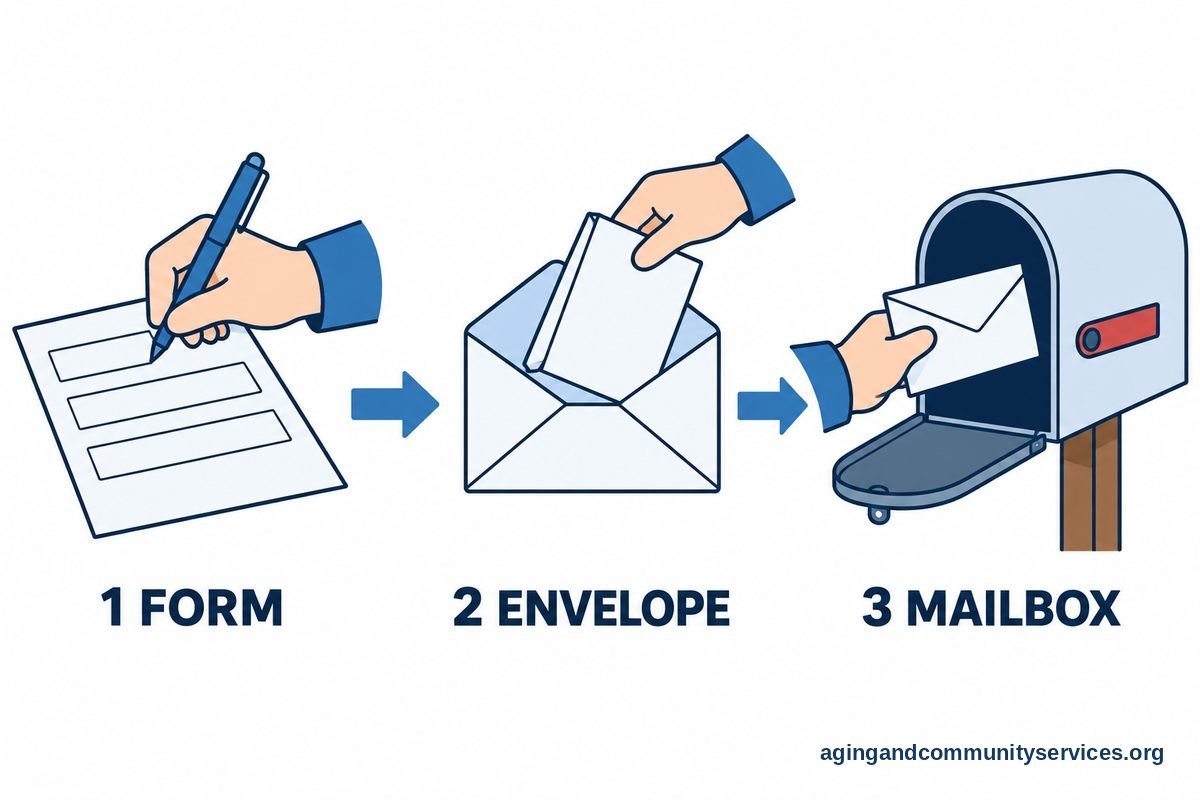
If Social Security selects your file for review, they will mail you a form. Returning this form promptly with your current details is the best way to avoid an unexpected pause in your drug savings.
How State Programs Connect to Extra Help
State assistance plays a major role in keeping your drug costs low. If you want to explore more ways to save, you can read our complete guide to Medicare and prescription cost help. These programs work alongside federal benefits to protect your budget.
For instance, Medicare savings programs are run by each state Medicaid program. Depending on the level, they can pay Medicare Part B premiums. For some people, they also pay Part A and Part B deductibles, coinsurance, and copays.
Because income and asset rules vary by state, you apply through your state Medicaid office. Coverage is renewed periodically. If you are unsure whether you meet the guidelines, it helps to check do I qualify for Medicare Savings Program support. Maintaining your state enrollment helps ensure your Extra Help remains active automatically.
Other Ways to Manage Prescription Expenses
Even if your Extra Help changes, other protections exist to help keep medicine affordable. Medicare Part D includes a yearly cap on out-of-pocket costs for covered drugs. This cap sets a maximum limit on what you must spend on covered prescriptions in a single calendar period.
Medicare also offers the Medicare Prescription Payment Plan. This option lets people spread their out-of-pocket drug costs into monthly payments throughout the coverage period rather than paying large amounts at the pharmacy counter. Additionally, some drug makers run patient assistance programs, and some states run pharmaceutical assistance programs to help lower retail costs.

How to Protect Yourself From Scams
When reviewing your healthcare benefits, always protect your personal information. Dishonest individuals sometimes target people receiving government assistance by pretending to work for Medicare or Social Security.
Medicare never calls people asking for their Medicare number to upgrade a card or offer a refund. Any phone call claiming you must provide personal information to keep your card active or receive money back is a scam. If someone calls asking for your numbers or banking details, hang up right away.

What You Can Do Next
If you want to check your current status or learn more about how to get Extra Help Medicare coverage, you can take practical steps today:
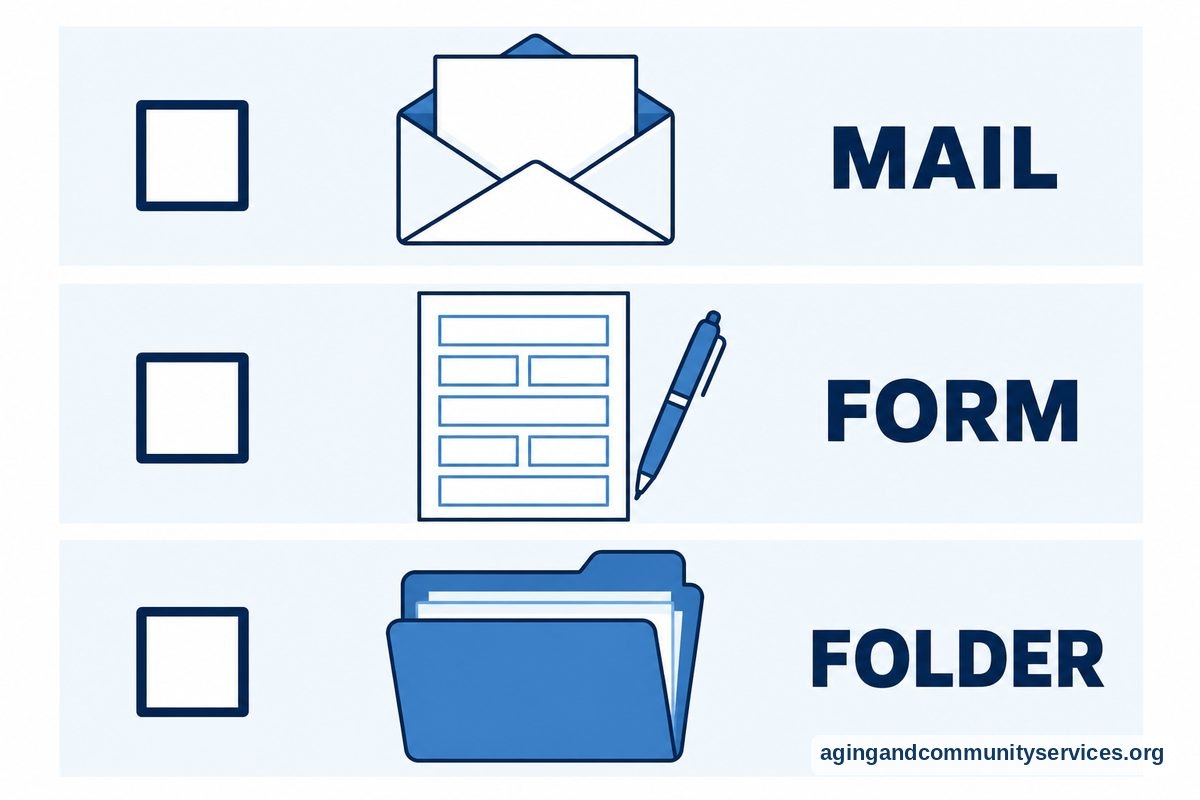
- Check your mail: Watch for letters from Social Security or your state Medicaid office, especially around late summer and early autumn. Complete and return any review forms right away.
- Contact Social Security: You can apply for Extra Help or ask about your review status online, by calling 1-800-772-1213, or by visiting your local office.
- Review state benefits: Learn how to get help paying Medicare premiums through your local Medicaid agency to see if you can lower your monthly medical costs.
- Keep your paperwork updated: If you are already enrolled in state help, review how do I renew my Medicare Savings Program coverage so you do not miss a renewal deadline.
- Get free counseling: Connect with your local State Health Insurance Assistance Program through shiphelp.org for free, unbiased one-on-one Medicare counseling.
- Screen for other programs: Use NCOA benefitscheckup to screen for benefits you may qualify for. You can also reach your local Area Agency on Aging through the Eldercare Locator at 1-800-677-1116 or call the 211 helpline for community referrals.
Frequently Asked Questions
What happens if I forget to return my Extra Help review form?
If Social Security sends you a review form and you do not return it within the requested timeframe, your Extra Help benefits may be reduced or stopped. Social Security uses the information you provide to verify that you still meet the program criteria. If your benefits are paused, you can contact Social Security at 1-800-772-1213 to provide your current details and ask how to restart your coverage.
Do I have to reapply for Extra Help every single year?
No, you do not need to submit a brand new application each year. If you qualify automatically through Medicaid, SSI, or a Medicare Savings Program, your coverage simply rolls over as long as you stay enrolled in those programs. If you applied directly through Social Security, your assistance continues unless they send you a form asking for an update on your household finances.
How will I know if my Extra Help copays are changing?
Social Security and Medicare send written notices before any change takes effect. If your level of assistance is scheduled to change, you will receive a letter in the mail detailing your new copay levels or premium amounts. These letters typically arrive in the autumn so you have time to review your Part D drug plan options before the next coverage period begins.
Can I get Extra Help back if it stops?
Yes. If your Extra Help stops because of a temporary increase in income or a missed form, you can apply again whenever your financial circumstances change. Rules are set federally but run by states and counties, so eligibility and availability can vary by location and change over time. You can submit a new application online or speak directly with Social Security to re-evaluate your eligibility.