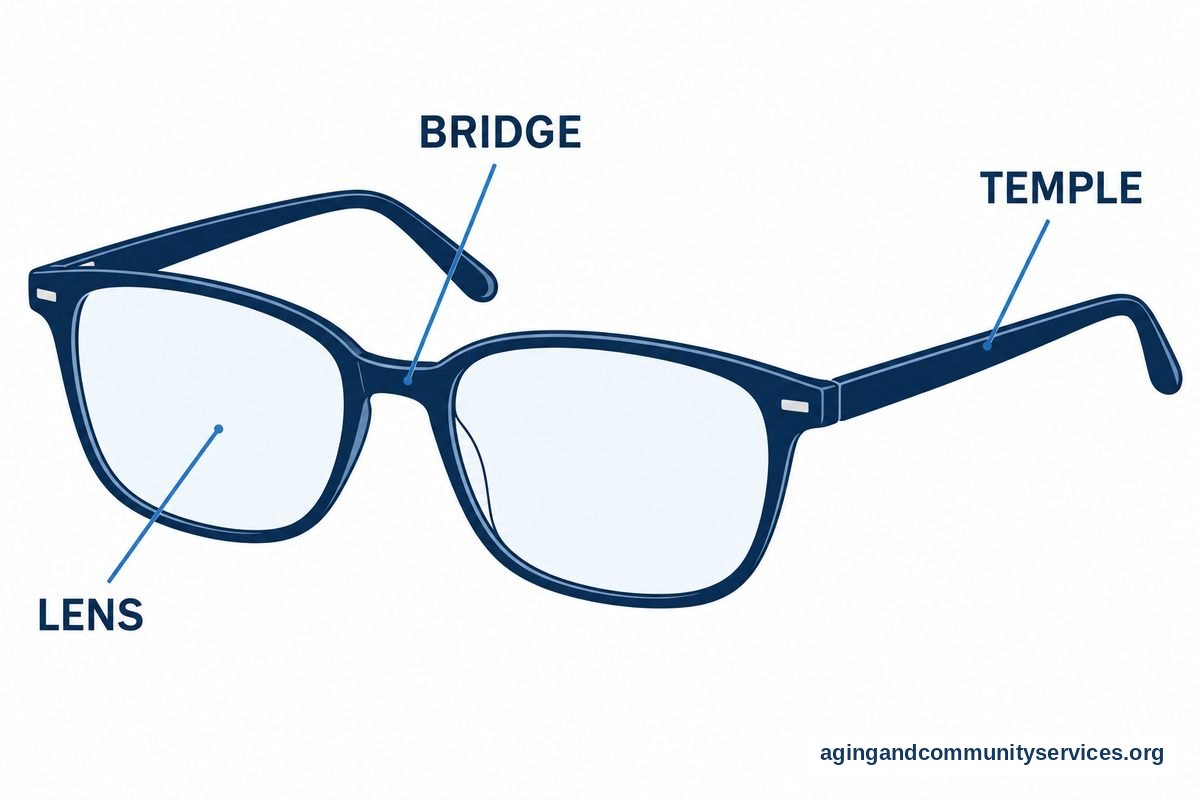
Many older adults wonder if prescription glasses are free for seniors through government programs or community groups. The short answer is that glasses are rarely automatically free, but several programs can help lower or cover the cost depending on your health coverage, military service, and location. Knowing where to look makes it easier to find reliable support for clear vision.

How Medicare Handles Eyeglasses and Exams
Original Medicare does not cover routine eye exams for glasses or contact lenses, nor does it pay for eye exams or most pairs of eyeglasses. However, there is an important exception. Medicare helps pay for one pair of standard eyeglasses or contact lenses after cataract surgery that implants an intraocular lens.
Original Medicare also covers specific diagnostic vision visits for certain health situations. It covers yearly eye exams for diabetic retinopathy for people with diabetes, glaucoma tests for people at high risk, and some care for age-related macular degeneration. You can read more about these rules on medicare.gov: eyeglasses and contact lenses.
Medicare Advantage plans are run by private insurance companies that contract with the federal government. Many Medicare Advantage plans include routine vision benefits that may help cover annual exams and give an allowance toward frames and lenses. Coverage differs by plan, so you must check your individual policy terms.
Medicaid and State Vision Coverage
Medicaid provides health coverage to eligible low-income individuals and families. The rules for Medicaid are set federally, but individual states and counties manage the day-to-day operations of the program.
Because each state sets its own benefit packages, Medicaid coverage of adult eye exams and glasses varies by state. Some states include routine vision exams and a basic pair of frames as a standard benefit, while other states offer limited benefits or cover vision services only after specific medical procedures. Contact your local Medicaid office or county department of social services to see what your state covers.
Eye Care Benefits for Eligible Veterans
Veterans who served in the United States military may have access to eye care through the Department of Veterans Affairs. Routine vision screenings and corrective lenses are essential parts of overall health management.
Eligible veterans can get eye care and eyeglasses through VA health care. Coverage often depends on your service history, disability rating, or specific medical conditions. If you receive care at a VA medical center or clinic, speak with your primary care team or the eye clinic staff to see if you qualify for routine exams and corrective lenses.
Community Programs and Charitable Help
Nonprofit groups and professional associations offer valuable resources when public insurance programs do not provide enough assistance. Many local volunteers dedicate their time to helping neighbors maintain clear sight.
- EyeCare America: This public service program from the American Academy of Ophthalmology connects eligible people sixty-five and older who have not seen an ophthalmologist in several years with volunteer ophthalmologists. These visits provide a comprehensive eye exam, often at no out-of-pocket cost.
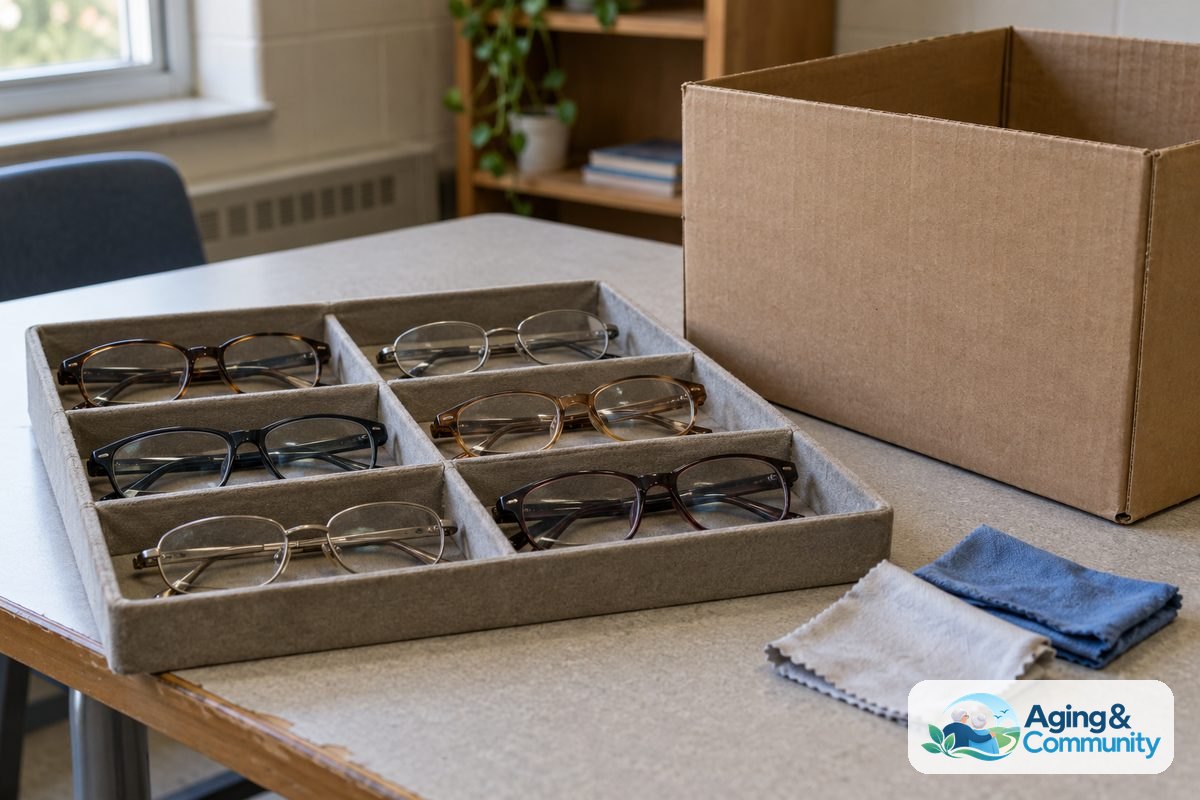
- Lions Clubs International: Local Lions Clubs collect and recycle eyeglasses and help with eye care in many communities across the country. Members often organize drives to redistribute reading aids or partner with local providers to offer support.
- Community health centers: Some local non-profit health centers offer basic eye screenings or sliding-fee arrangements based on household details.
If you are exploring every possible option, reading our guide on do elderly get free glasses can provide extra context about local support networks.
Tools for Magnification and Daily Living
Sometimes standard corrective lenses are only part of the answer, especially for individuals who need extra help reading fine print or managing detailed tasks at home. Exploring our broader directory on vision help can point you toward helpful everyday tools.
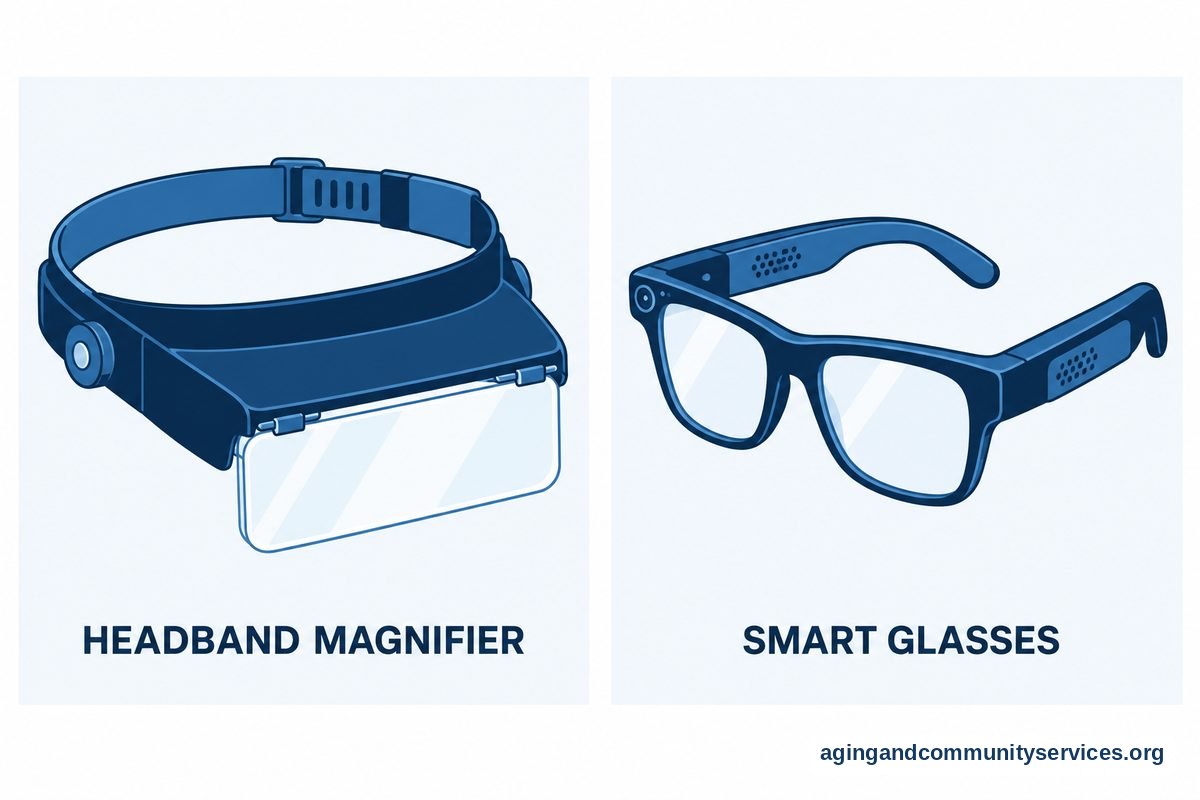
For tasks like sewing, reading pill bottles, or working on hobbies, wearable magnifying glasses for senior households can offer hands-free focus without replacing a medical prescription. Those who live with significant visual changes may also consider newer tools, including AI smart glasses for low-vision seniors that read text aloud or identify nearby items.
Always consult an eye doctor or an occupational therapist before choosing vision devices. A professional can help ensure you select the appropriate tool for your daily routine.
Practical Steps You Can Take Next
Finding affordable eye care takes a bit of research, but there are straightforward steps you can take today to get started.
- Review your current insurance: Look through your health plan summary or call the customer service phone number on your insurance card to ask about vision allowances.
- Reach out to your local agency: Area Agencies on Aging serve every part of the country. You can find yours through the Eldercare Locator by calling 1-800-677-1116 or visiting eldercare.acl.gov.
- Call the 211 helpline: Dialing 211 connects you to community operators who can refer you to local vision drives, charities, and discount programs.
- Screen for extra assistance: The National Council on Aging offers a free online tool called BenefitsCheckUp, which screens for public and private programs you may qualify for.
- Confirm program rules directly: Because program availability varies by state and changes over time, always confirm requirements directly with the organization before making an appointment.

Frequently Asked Questions
Does Medicare pay for routine glasses?
Original Medicare does not pay for routine eyeglasses or standard vision checks. It only covers one pair of standard frames or lenses following cataract surgery where an intraocular lens is implanted.
Can I get free glasses through Medicaid?
Medicaid coverage for adult vision care varies from state to state. Some states cover full eye examinations and basic lenses, while others do not offer adult vision benefits. Check with your state Medicaid caseworker for local rules.
What should I do if I cannot afford an eye exam?
You can check with community health centers, local Lions Clubs, or programs like EyeCare America. These organizations often provide help with eye exams so eligible older individuals receive exams or basic visual aids at little or no personal expense.
Do veterans get free glasses from the government?
Eligible veterans enrolled in the VA health care system can receive eye exams and prescription glasses. Qualification depends on service connection, overall health status, and veteran benefit tier.