

Aging in place with Parkinson’s means planning the home, daily routines, and support around changing movement, energy, and care needs. Many people can stay at home longer when they make steady adjustments, ask for professional advice, and keep family or trusted helpers involved.
The goal is not to make the home perfect. The goal is to make everyday life safer, calmer, and easier to manage, one practical step at a time.

Main Steps for Aging in Place With Parkinson’s
- Start with a room by room safety review. Walk through the home slowly and look for tripping hazards, poor lighting, tight paths, and hard to reach items. A written aging in place checklist can help you keep track without trying to remember everything at once.
- Talk with the health care team early. Ask the doctor whether a physical therapist or occupational therapist should review walking, balance, transfers, and daily tasks. Bring notes about falls, near falls, freezing, dizziness, sleep changes, and times of day when movement is harder.
- Make walking paths clear and simple. Remove loose rugs, cords, clutter, and small furniture from main routes. Keep paths wide enough for a walker if one is used now or may be needed later.
- Improve lighting in key places. Add bright, even light in halls, stairs, bathrooms, entrances, and near the bed. Night lights can make late bathroom trips easier, especially when movement is slower.
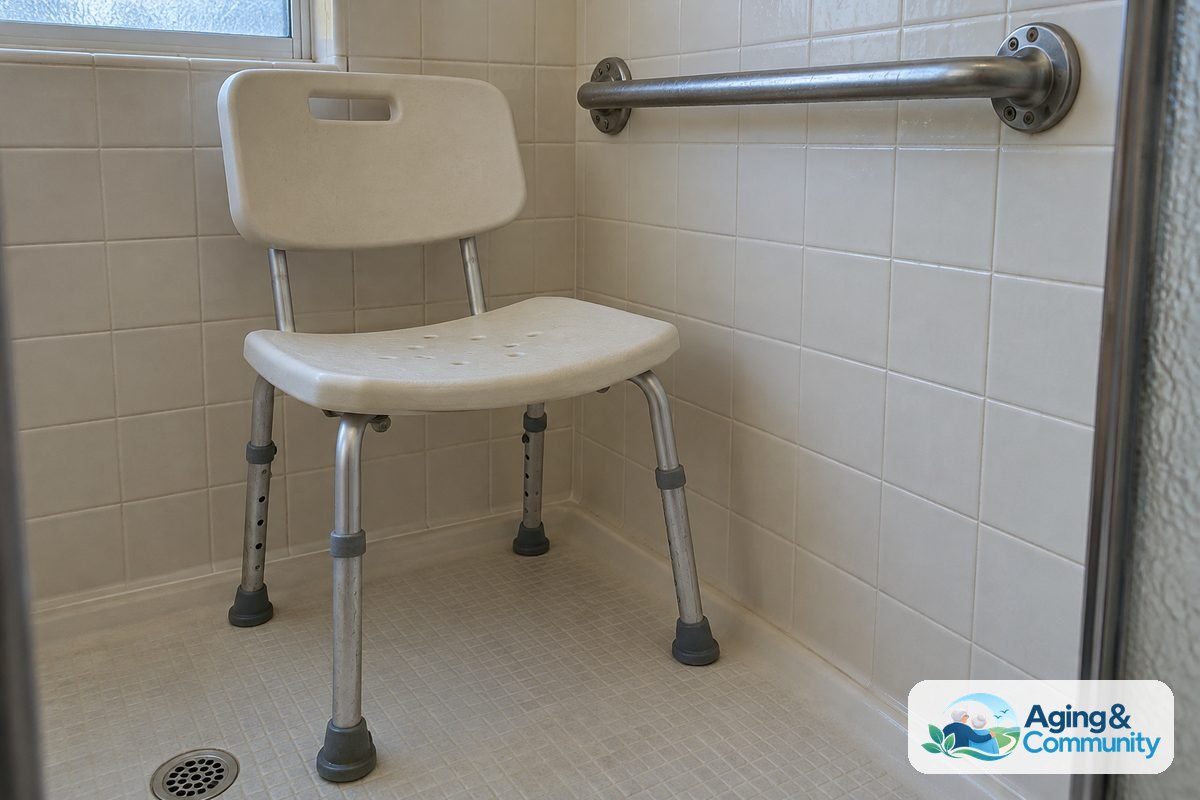
- Focus on the bathroom next. Bathrooms are often tight, wet, and hard to move in. Review grab bars, a shower chair, non slip surfaces, and easier access with a guide to bathroom safety for seniors.
- Plan for safe transfers. Getting in and out of bed, chairs, the toilet, and the shower can become harder with stiffness or balance changes. Ask an occupational therapist about chair height, bed height, grab bars, transfer poles, or other supports that fit the home.
- Set up a steady medication routine. Use a written schedule, pill organizer, phone reminder, or caregiver check in if the doctor has prescribed medicine. Tell the doctor or pharmacist about missed doses, side effects, swallowing trouble, or confusion about timing.
- Keep important items easy to reach. Store daily items between shoulder and waist height when possible. This can reduce bending, reaching, and rushing, which may be harder on days with stiffness or fatigue.
- Build in help before tasks become stressful. Consider help with cleaning, laundry, meals, rides, yard work, or errands. Support can be flexible and does not have to mean giving up independence.
- Review the plan often. Parkinson’s can change over time, and a home plan should change with it. Revisit safety, routines, and support after any fall, hospital visit, medication change, or noticeable shift in daily function.

Common Mistakes to Avoid
- Waiting until everything feels urgent. Small home changes are easier to make when there is time to compare options and ask for advice.
- Assuming one solution fits every person. Parkinson’s affects people in different ways, so equipment and routines should match the person’s home, habits, and symptoms.
- Ignoring near falls. A stumble, slip, or need to grab furniture is useful information. Share these moments with the doctor, physical therapist, or occupational therapist.
- Adding too much equipment without guidance. Too many devices can crowd the home or create new hazards. A professional can suggest what is useful and where it should go.
- Forgetting the caregiver’s needs. Family helpers need safe ways to assist with transfers, bathing, meals, and appointments. Their comfort and limits matter too.
- Keeping old routines that no longer fit. It may help to change the time of day for bathing, exercise, errands, or chores based on energy and movement patterns.

When to Call for Help or Get Professional Advice
Call the primary care doctor, neurologist, physical therapist, or occupational therapist when walking, balance, swallowing, thinking, sleep, mood, or daily activities change. You do not need to wait for a major problem. A short call with clear details can help the team decide what kind of visit or referral is needed.
Tell them what changed, when it started, and how often it happens. Mention falls, near falls, freezing in doorways, dizziness, trouble getting out of a chair, new confusion, missed medicine, trouble eating, or trouble bathing. If symptoms seem linked to a time of day or medicine timing, include that too.
A physical therapist can look at strength, balance, walking, and safe movement. An occupational therapist can look at dressing, bathing, cooking, transfers, and home setup. The National Institute on Aging explains that aging in place often includes home changes, community support, and planning ahead.
If local support is hard to find, the Eldercare Locator can help connect families with services for older adults through local aging resources. It can be a useful starting point for transportation, meals, caregiver support, and home based services in the area.
Home Modifications That Often Help
Home changes should match the person’s needs now while allowing room for future changes. Start with the areas used every day: bedroom, bathroom, kitchen, entry, hallway, and main sitting area. The most helpful changes are often simple, such as better lighting, less clutter, and safer places to sit.
Floors should be easy to walk on. Remove loose throw rugs or secure edges if a professional says they are safe to keep. Keep cords along walls, avoid glossy floor surfaces, and make sure thresholds are easy to cross. If a walker or cane is used, check that there is enough space to turn around.
Stairs and entrances need special attention. Make sure handrails are sturdy and easy to grip. Add lighting near steps and doors. If steps are becoming difficult, ask an occupational therapist about ramps, railings, or entry changes. A guide to home modifications for elderly households can help you think through common options.
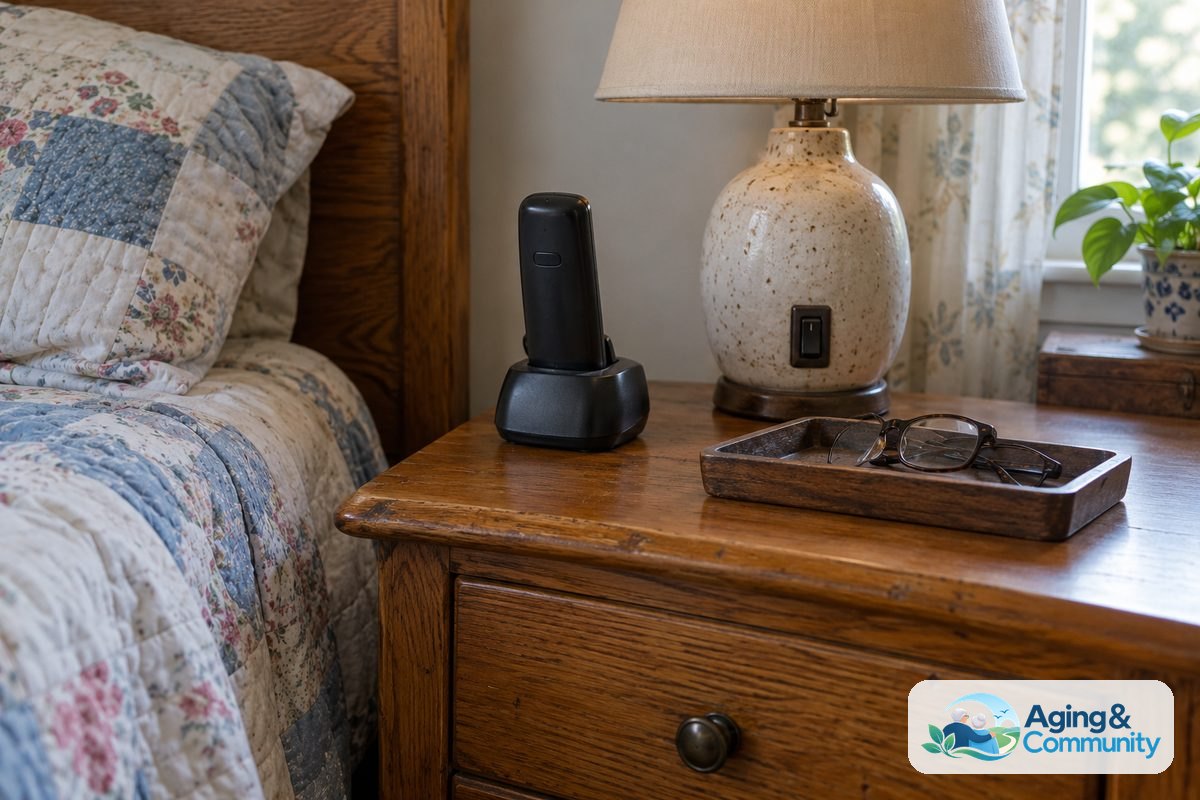
In the bedroom, place a lamp, phone, glasses, water, and any needed mobility aid within easy reach. The bed should be at a height that allows the person to sit with feet flat on the floor if possible. If getting up at night is hard, ask about safer transfer methods and whether a bedside commode is appropriate.
In the kitchen, move common items to easy shelves and reduce the need to lift heavy pots or reach overhead. Use stable chairs for seated tasks, and keep frequently used foods and dishes near the main work area. If cooking becomes tiring, consider prepared meals, shared cooking, or help with meal setup.
Fall risk deserves steady attention, not blame. The aim is to notice patterns and reduce hazards where possible. A practical resource on fall prevention for seniors can help families review lighting, shoes, clutter, bathroom setup, and daily habits.
Daily Routines, Support, and Safety Planning
A good daily routine can make home life feel more predictable. Many people with Parkinson’s have times when movement feels easier and times when it feels slower. Plan bathing, exercise, appointments, and errands for the best part of the day when possible.
Keep routines visible. A large print calendar, whiteboard, or simple notebook can show appointments, medicine times, meals, and exercise plans. Place it where everyone can see it, and update it during a regular check in.
Exercise and movement should be discussed with the health care team. A physical therapist can suggest safe activities based on balance, strength, and walking. Ask what to do on days with stiffness, fatigue, or freezing, and ask when to stop and call for advice.
Communication plans are important, especially if the person lives alone for part of the day. Keep a phone within reach, post key contacts in large print, and decide who checks in and when. Some families also review elderly fall alert devices as one part of a broader safety plan.
Care partners should talk openly about what help is welcome and what feels too personal. Respect matters. Ask before changing a room, moving belongings, or adding equipment. When possible, offer choices, such as where to place a chair or which shower time works best.
Driving, money management, cooking, and medication routines may need review over time. These talks can be sensitive, so keep them practical and focused on support. It may help to bring concerns to a doctor, social worker, or therapist who can guide the next steps.
Respite care can also be part of aging in place. Family helpers may need breaks, backup rides, or help with heavy tasks. Planning for backup support can make the home plan steadier for everyone involved.
Frequently Asked Questions
Can a person age in place with Parkinson’s?
Many people can continue living at home with the right mix of home changes, routines, medical care, and support. The best plan depends on symptoms, home layout, caregiver help, and advice from the health care team.
What home changes matter most for Parkinson’s?
Clear walking paths, better lighting, bathroom supports, sturdy seating, and safer transfers are often a good place to start. An occupational therapist can suggest changes that fit the person’s home and daily habits.
When should family members get professional advice?
Call for advice after a fall, near fall, sudden change in walking, new confusion, trouble swallowing, or a major change in daily tasks. Also call when caregiving feels unsafe or too hard to manage alone.
Is a fall alert device enough for aging in place?
A device may help some people call for help, but it is not a full safety plan. It should be considered along with home changes, check ins, therapy advice, and clear emergency contacts.
How can caregivers help without taking over?
Start by asking what kind of help feels useful. Offer choices, keep routines respectful, and focus on making tasks easier rather than removing independence too soon.
How often should the home plan be reviewed?
Review the plan whenever symptoms change, after a fall or near fall, after a hospital stay, or when daily tasks become harder. A regular review every so often can also help catch small problems early.