

As skin ages, it naturally loses moisture and the structural proteins that keep it plump, resulting in a crepey or wrinkled texture that can feel uncomfortable. The best lotions for aging body skin address this by combining hydration with ingredients that support skin firmness and renewal. We compared 6 lotions on their formulas, bottle sizes, ease of use, and how they handle sensitive mature skin. This guide helps older adults and their families find a lotion that fits their daily routine and skin needs, whether they prefer fragrance-free options or added skin-firming actives. Two popular choices are the Gold Bond Age for simplicity and the Cetaphil Skin Activator for those wanting faster visible change.

Pros
- 14-oz bottle provides extended supply for regular daily use
- Fragrance-free formula suits sensitive skin of older adults
- Contains omega-fatty acids for deep skin nourishment
- 24-hour hydration supports dry, aging skin needs
Cons
- Lotion texture may not provide enough lift for severe skin laxity
- Single bottle may not treat visible crepiness on multiple body areas
- Requires consistent daily application to maintain results
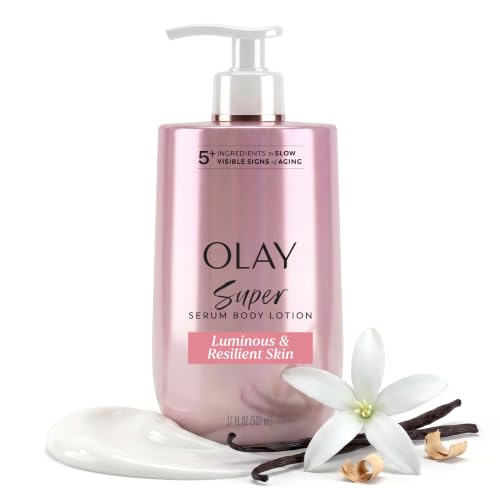
Pros
- Contains Niacinamide, Vitamin C, and Vitamin E for skin support
- Delivers 24-hour hydration for persistently dry aging skin
- Fast-absorbing formula won't leave greasy residue on hands
Cons
- Sweet vanilla and soft wood scent may be too fragrant for sensitive noses
- 5-ingredient formula is basic compared to multi-step skincare routines

Pros
- Contains retinol with natural antioxidants for visible skin radiance
- Rich, creamy formula absorbs without leaving greasy residue
- Formulated by chemist and dermatologist-tested for safety
Cons
- Retinol requires nightly use over time; not for immediate results
- Recommended for bedtime application only, limiting daytime use
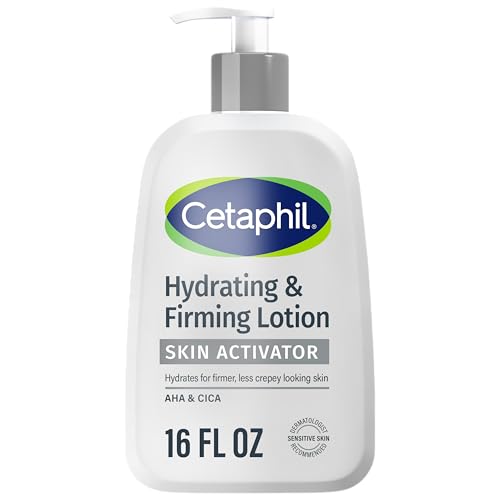
Pros
- Contains Mandelic Acid (AHA) and Centella Asiatica (CICA) for skin cell turnover
- Clinically proven to improve crepey skin appearance within 1 week
- Lightweight formula hydrates for 48 hours without heavy residue
- Hypoallergenic, fragrance-free, and paraben-free for sensitive skin
Cons
- Requires consistent twice-daily application for 4 weeks to see firming results
- Chemical exfoliants like AHA may cause irritation if skin is very sensitive
- 16oz bottle may require frequent repurchasing for full-body daily use
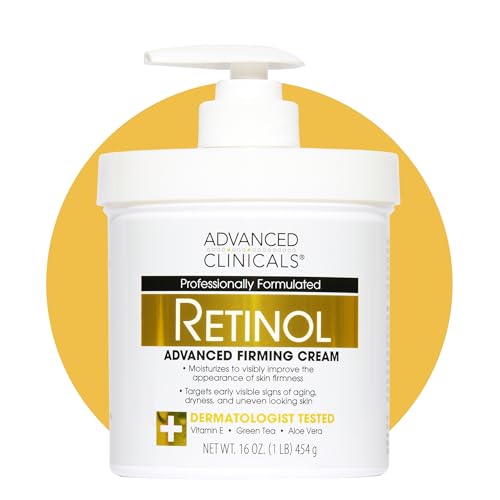
Pros
- Contains retinol plus vitamin E, green tea, and aloe vera
- 16-ounce size provides extended supply for daily use
- Absorbs quickly without leaving greasy residue
- Formulated by Advanced Clinicals' 25-year-old R&D team
Cons
- Not suitable for use with benzoyl peroxide or vitamin C
- Retinol can cause irritation; beginners should start cautiously

Pros
- 13-ounce pump bottle lasts longer than typical lotion sizes
- Free from parabens, phthalates, and dyes for sensitive skin
- Clinically shown to firm skin appearance within one week
- Single product works for both face and body overnight
Cons
- Retinol can cause dryness or irritation during adjustment period
- Overnight-only formula means daytime moisturizing requires another product
- May increase sun sensitivity, requiring daily SPF during use
A Closer Look at Our Top Pick
The Cetaphil Skin Activator stands out because it addresses crepey skin directly without requiring nightly-only use. The formula contains mandelic acid, a gentle type of chemical exfoliant that helps shed dead skin cells on the surface, and centella asiatica (CICA), a plant extract known for soothing and hydrating. The 16-ounce bottle size means you can treat your full body consistently, and the lightweight feel makes it easy to apply twice daily without a greasy residue. At 48-hour hydration between applications, this lotion keeps moisture in the skin longer than many standard formulas.
What makes this choice practical for older adults is the clinical evidence and gentleness. The formula is hypoallergenic, fragrance-free, and free of parabens, so it suits sensitive skin well. The published data shows that consistent twice-daily use over 4 weeks supports improved crepey skin appearance, though visible results may show within 1 week for some people. The main trade-off is that chemical exfoliants can irritate very sensitive skin, so anyone new to AHA products should start slowly and monitor their skin’s response. If you have active irritation or are uncertain about using exfoliating ingredients, a simpler hydrating lotion for thin skin may be a better starting point.
Find Your Situation
- You want a straightforward, fragrance-free lotion for daily hydration without actives. This 14-ounce option contains omega-fatty acids and hydrates for 24 hours with no irritation risk. Watch out: the lotion texture alone may not visibly firm severe crepiness on its own.
- You prefer a lotion with proven skin-support vitamins (niacinamide, vitamin C, vitamin E) and don’t mind a light vanilla scent. The 17-ounce bottle provides plenty for daily hand and body use with 24-hour hydration. Watch out: the sweet vanilla fragrance may be too strong for those sensitive to scents.
- You’re willing to apply lotion only at bedtime and want retinol plus natural antioxidants for gradual firming and radiance. The 15-ounce creamy formula absorbs without greasiness. Watch out: retinol requires consistent nightly use over weeks to show results, not immediate improvement.
- You want to treat crepey skin actively with an AHA exfoliant and are comfortable applying lotion twice daily. The 16-ounce size, 48-hour hydration, and published 1-week improvement timeline make this a hands-on choice. Watch out: AHA can irritate sensitive skin, and you’ll need to use SPF daily during treatment.
- You’re looking for a retinol lotion that works for both body and face, with added vitamin E, green tea, and aloe vera for gentleness. The 16-ounce size and quick-absorbing formula suit daily nightly use. Watch out: do not use retinol alongside benzoyl peroxide or vitamin C products, and beginners should start cautiously to avoid irritation.
- You want a paraben-free overnight retinol in a pump bottle that handles both face and body in one product. The 13-ounce size lasts well for one application per night. Watch out: retinol can cause dryness or irritation during the adjustment period, and you’ll need a separate daytime moisturizer.
How We Narrowed It Down
We compared the published specifications of 6 body lotions designed specifically for aging and crepey skin, looking at bottle size, hydration duration, active ingredients, fragrance status, and any clinical evidence. We focused on lotions marketed for older adults because their formulas tend to balance effectiveness with gentleness for sensitive mature skin. We excluded products without clear hydration claims or those marketed only for face use, since body skin needs different concentrations of ingredients. We also excluded lotions marketed as treatments for medical skin conditions, as lotions are moisturizers and not medications. If your parent has very irritated, damaged, or itchy skin, speaking with a doctor or dermatologist before starting any new lotion is wise, and the National Institute on Aging offers guidance on skin health as part of overall wellness for older adults.
What to Look For
Bottle size matters for consistency
A 14- to 17-ounce bottle lets you apply lotion to your whole body daily without running out in just 2 weeks. Smaller bottles, while convenient to travel with, can frustrate older adults who need to reorder frequently or have limited mobility for shopping. The 6 options we reviewed range from 13 to 17 ounces. For full-body daily use, aim for at least 16 ounces if you apply twice daily, or 14 ounces if you apply once daily.
Hydration duration tells you how often to reapply
Lotions claim 24-hour or 48-hour hydration. For broader options, compare moisturizers for aging body skin. The longer hydration window means your parent’s skin stays moisturized between applications, reducing the chance of tight, uncomfortable dryness. Most of our options offer 24-hour hydration, but the Cetaphil formula delivers 48 hours. If the person has very dry skin or limited mobility to apply lotion twice daily, a longer-lasting formula reduces friction and discomfort.
Fragrance-free is easier on sensitive noses
Older skin is often more reactive to added fragrance, and scents can trigger headaches or irritate airways. Three of the 6 options are fragrance-free (the Gold Bond Age, the Cetaphil Skin Activator, and the Gold Bond Age Renew Retinol), while others include vanilla or woodsy notes. If the person has never reacted to lotion scent, fragrance is not a concern; if they have sensitive skin or respiratory sensitivity, fragrance-free is the safer choice.
Active ingredients shape how long results take
A simple hydrating lotion with omega-fatty acids or vitamins works gently and shows no irritation risk, but improvement is gradual over weeks of use. Retinol-based lotions (Medix, Advanced Clinicals, Gold Bond Age Renew Retinol) firm skin over time with nightly use but can cause dryness during adjustment. Chemical exfoliants like AHA (in the Cetaphil Skin Activator) speed up skin cell renewal and may show visible results within 1 week, but require careful sun protection and can irritate sensitive skin. Choose based on how quickly the person wants results and how willing they are to manage adjustment or daily SPF.
Before you buy, check if the person has active skin irritation
If the person’s skin is currently red, itchy, or inflamed, starting with a simple hydrating lotion is wiser than adding retinol or AHA. Let irritation calm for a week or two, then introduce active ingredients slowly. Any open sores, severe dryness, or unexplained rashes deserve a doctor’s look before adding new lotion, since a lotion is not a treatment for skin conditions. The Eldercare Locator can help find local resources if you need to connect with a healthcare provider for guidance.
When this is not enough, layering helps
If a single lotion does not fully relieve dryness, the person can apply a thinner layer of lotion first, let it absorb for 1 or 2 minutes, then apply a second layer or seal with a heavier cream for aging body skin on top. Some older adults use a lightweight lotion during the day and a richer retinol formula at night. The 6 options we reviewed can be layered with other moisturizers without conflict, though retinol products should not be mixed with benzoyl peroxide or vitamin C.
Paraben-free and phthalate-free suit very sensitive skin
Parabens and phthalates are preservatives and fragrance carriers that some people prefer to avoid. Three of the 6 lotions explicitly state they are free of parabens and phthalates (the Gold Bond Age lines and the Cetaphil Skin Activator). If the person has a known sensitivity to preservatives or prefers to minimize chemical additives, these three are the safest choice.
Quick Tips for Choosing
- Apply lotion to damp skin right after a bath or shower to seal in moisture more effectively.
- Start with a quarter-sized amount on hands and rub together before spreading across arms and legs to avoid waste.
- If using retinol, apply only at night and use a daily SPF lotion during the day, as retinol increases sun sensitivity.
- Give any new lotion at least 2 weeks of consistent use before deciding it is not working, since skin changes gradually.
- If itching or redness appears, stop the lotion and return to a familiar, gentle option until the reaction subsides.
- Store lotion in a cool place away from direct sunlight to preserve the formula, and keep the lid tightly closed.
Frequently Asked Questions
Why does aging skin become crepey?
Aging skin produces less collagen and elastin, the proteins that give skin firmness and bounce. The skin also holds less water naturally, so the surface becomes wrinkled and loose-looking. Moisturizing lotions help restore hydration, and certain ingredients like retinol and AHA can gently encourage the skin to rebuild some of that structure over time.
Can lotion alone eliminate crepey skin?
Lotion hydrates and can improve the appearance of crepey texture, especially with regular use of firming ingredients like retinol or AHA. However, severe skin laxity usually requires more intensive treatments that a dermatologist can discuss. For mild to moderate crepiness, a dedicated lotion used consistently often shows noticeable improvement within weeks.
Is it safe to use retinol lotion every night?
Retinol is safe for nightly use once your skin has adjusted, typically over 2 to 4 weeks. Start with 2 or 3 nights per week to see how the skin responds, then gradually increase frequency. If dryness or irritation persists, dial back to every other night or use a lower-concentration formula.
What does AHA do, and is it safe for older adults?
AHA (alpha-hydroxy acid) gently dissolves the “glue” holding dead skin cells to the surface, speeding up renewal and revealing smoother skin beneath. It is safe for older adults but requires careful use: start with twice-weekly application, build up to daily use over weeks, always use SPF during the day, and stop if redness or stinging does not improve after a few days.
How long does it take to see results?
Simple hydrating lotions show softer, more comfortable skin within 3 to 5 days but take weeks to improve texture deeply. Retinol lotions typically need 4 weeks of nightly use for visible firming, though some formulas claim results within 1 week. AHA lotions may show faster results, sometimes within 1 to 2 weeks with twice-daily use.
Should I use different lotions for face and body?
Body skin is thicker and less sensitive than facial skin, so body lotions are usually richer and contain higher concentrations of actives. Some lotions, like retinol options, work for both face and body but are still formulated as body-strength. Using a gentler facial moisturizer on the face and a body lotion on the body is a common approach, though a single multipurpose lotion is convenient if the person’s skin tolerates it.
Can I mix lotion with other skincare products?
Yes, with caution. Retinol should not be mixed in the same application with benzoyl peroxide or vitamin C, as these combinations can reduce effectiveness or cause irritation. However, you can use retinol at night and a vitamin C serum in the morning. Simple hydrating lotions layer well with most other products.
What if the lotion burns or stings?
Stinging usually means the skin barrier is compromised or the product is irritating. Stop using the lotion immediately and return to a familiar, gentle option. Once the stinging stops (usually within a day or two), you can try again with a lower frequency or concentration, or choose a different lotion altogether.
Do I need SPF if I use a lotion with retinol?
Yes. Retinol makes skin more sensitive to the sun’s UV rays, increasing the risk of sunburn and sun damage. Using a broad-spectrum SPF 30 or higher lotion during the day is essential while using retinol at night. This applies even on cloudy days or if the person stays mostly indoors, since UV rays penetrate windows.
Is it normal for skin to feel dry or itchy when starting a new lotion?
A small amount of temporary dryness can happen as the skin adjusts to a new formula, especially with retinol or AHA. This usually subsides within a few days to a week. However, persistent itching, redness, or a rash is a sign of irritation or allergy and means the lotion should be stopped and a doctor consulted if the reaction does not clear quickly.
Which One to Start With
Choosing the right starting lotion depends on the person’s skin sensitivity, daily routine, and how quickly they want to see results. Here’s how to decide.
If your parent has never used a lotion with active ingredients and has sensitive or reactive skin, start with the Gold Bond Age. This 14-ounce fragrance-free option hydrates with omega-fatty acids and no irritating actives, making it the gentlest entry point. The formula supports 24-hour hydration and costs little risk of adjustment reactions. After a month of consistent use, you’ll know whether simple hydration helps the person’s crepey skin or whether they need something stronger.
If the person is willing to apply lotion twice daily and wants to see visible improvement within 1 to 2 weeks, choose the Cetaphil formula with AHA and CICA. This is a middle ground: more active than a simple hydrator, but gentler than retinol. The AHA exfoliates to reveal fresher skin, and CICA soothes and hydrates. The 48-hour hydration window and published 1-week results timeline make this practical for older adults who want faster change without the adjustment period retinol demands. The main commitment is twice-daily application and daily SPF during the day.
If the person prefers a single nighttime application and is comfortable with a slow-but-steady approach, consider one of the retinol options: either the Gold Bond Age Renew Retinol or the Advanced Clinicals Retinol. Both offer paraben-free, quick-absorbing formulas that work on face and body. Apply once nightly, and expect gradual firming and radiance improvement over 4 weeks. Retinol is the most researched ingredient for skin firming and works steadily without the daily application burden. The trade-off is an adjustment period of possible dryness and the need for daytime SPF. If the person tolerates retinol well, it becomes a long-term, low-effort routine.
For those who want vitamins and a pleasant light scent, the Olay Super Serum with niacinamide, vitamin C, and vitamin E is a solid choice. The 17-ounce bottle provides abundant supply, and the formula hydrates for 24 hours without fragrance sensitivity concerns for most people. However, be aware the vanilla and soft wood scent is noticeable, so skip this if the person dislikes fragrances.
No matter which lotion you choose, commit to 4 weeks of consistent use before switching. Skin changes gradually, and a lotion that feels underwhelming after 1 week often delivers visible results by week 3 or 4. If irritation appears, stop and give the skin a week to recover, then try a gentler option or consult a doctor. Most older adults find that a lotion suited to their skin sensitivity and lifestyle becomes a simple, satisfying part of their daily care.