

Thinner older skin often loses moisture faster, so a lotion that spreads easily, absorbs without a slick finish, and fits the daily routine can matter as much as the ingredient list. The best lotions for elderly thin skin are usually the ones your parent will tolerate after bathing, after handwashing, and before getting dressed. After comparing the 6 options here on paper, two practical starting points are the NIVEA Intense Healing for a 16.9 fl oz pump bottle and the Medline Remedy Phytoplex for an unscented 16 fl oz cream. The right choice depends on scent sensitivity, hand strength, bottle size, and whether a caregiver is helping with application.
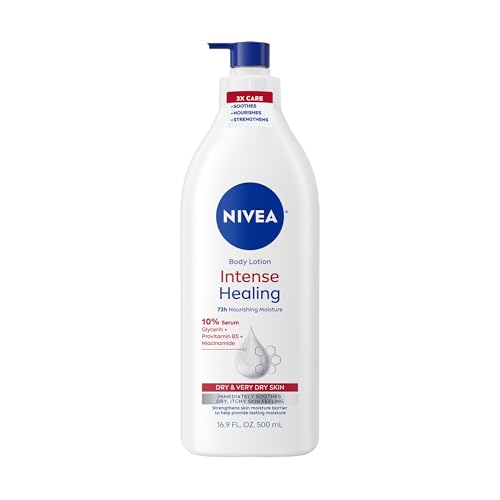
Pros
- 16.9 fl oz pump bottle supports frequent whole body use
- 10% serum includes glycerin, Provitamin B5, niacinamide
- 72 hour moisture claim may mean fewer reapplications
- 50% recycled plastic bottle, excluding the pump
Cons
- Pump bottle can be harder to empty near the bottom
- Fragrance or rich feel may not suit sensitive users

Pros
- 16 fl oz size supports regular daily moisturizing
- Safflower oleosomes add plant based emollients
- Carrageenan helps provide a smooth moisturizing feel
- Formulated without mineral oil or petrochemicals
- Phytoplex includes botanicals and fatty acids
Cons
- Large 16 fl oz bottle may be awkward for travel bags
- Unscented cream may not appeal to fragrance preference
- Rich body lotion can feel excessive for very oily skin

Pros
- 16.8 fl oz bottle supports regular full-body use
- Collagen and elastin target a smoother toned look
- Hydralucence blend provides long-lasting hydration
- Free of artificial dyes and parabens
Cons
- Light fragrance may bother scent-sensitive users
- Firming claims are cosmetic, not a medical skin treatment

Pros
- 8-oz bottle fits easily on a bedside table
- Unscented formula avoids competing with other scents
- Flip-top 8-oz bottle can be opened one-handed
Cons
- 8-oz size may run out quickly with full-body daily use
- Unscented lotion may feel too plain for scent preferences

Pros
- 16 fl oz bottle can cover frequent whole-body use
- Vitamins B5 and E support daily moisture routines
- Paraben-free formula may suit sensitive preferences
- Clean scent avoids a heavy perfume style at home
Cons
- Clean scent may bother fragrance-sensitive users
- Bottle may be hard to squeeze with weak hands
- Not ideal for those who prefer unscented lotion

Pros
- 1 gallon bottle is practical for frequent refills
- Free of dyes for delicate geriatric skin
- Fresh Scent formula suits daily all-over use
Cons
- Gallon jug may be heavy for some older adults to handle
- Fresh scent may bother users sensitive to fragrance
A Closer Look at Our Top Pick
For many homes, the NIVEA Intense Healing is the most practical place to begin because the 16.9 fl oz pump bottle supports frequent whole-body use without needing to unscrew a cap. Its formula includes a 10% serum with glycerin, Provitamin B5, and niacinamide, which makes it a sensible daily moisturizer on paper for dry or very dry skin. The quick absorbing, non greasy texture is especially useful when the person wants to dress soon after applying lotion. A pump can also help a caregiver dispense a consistent amount at the sink, bedside, or after a bath.
The main trade-off is that pump bottles can be harder to empty near the bottom, so a caregiver may need to help use the last portion. The 72 hour moisture claim may mean fewer reapplications for some routines, but daily use after bathing is still a simple habit to keep. If fragrance or a richer feel tends to bother your parent, an unscented choice may be more comfortable. Still, for a person who wants a larger bottle, easy dispensing, and a non greasy finish, this is the most balanced first pick among these 6 lotions.
Find Your Situation
- the NIVEA Intense Healing: best fit if your parent wants a 16.9 fl oz pump bottle for frequent whole-body moisturizing and a quick absorbing, non greasy feel. Watch out: the pump can be harder to empty near the bottom.
- the Medline Remedy Phytoplex: best fit if the person wants an unscented 16 fl oz cream for hands, face, and body that absorbs without greasy residue. Watch out: the larger bottle may feel awkward in a travel bag.
- the Jergens Skin Firming: best fit if your parent wants a 16.8 fl oz dermatologist-tested body lotion with collagen, elastin, and long-lasting hydration. Watch out: the firming claim is cosmetic, not a medical skin treatment.
- the Medline Remedy Essentials: best fit if the person wants an 8-oz unscented flip-top bottle for a bedside table, sink, or care cart. Watch out: the smaller size may run out quickly with full-body daily use.
- the Amazon Basics Body: best fit if your parent wants a 16 fl oz paraben-free lotion with vitamins B5 and E and a clean scent. Watch out: the bottle may be hard to squeeze with weak hands.
- the Medline Remedy Essentials: best fit if a caregiver needs a 1 gallon fresh scented lotion for frequent refills and daily all-over use. Watch out: the gallon jug may be heavy for some older adults to handle.
How We Narrowed It Down
We compared published specifications rather than handling the products, focusing on the details that matter in an older adult’s daily routine. Bottle size, cap style, scent, residue, and stated formula features carried more weight than cosmetic promises. We excluded products that did not fit a basic daily moisturizing role for dry skin, and we avoided choices that depended on ratings, prices, or claims beyond the product information provided. We also gave extra attention to whether a bottle could sit at a bedside, bathroom sink, or care cart without adding fuss. If your parent has fragile skin, open areas, new irritation, or a skin concern that changes quickly, ask a doctor or physical therapist before changing routines. For home safety context around bathrooms and daily care spaces, the National Institute on Aging has practical guidance on falls and falls prevention that can support safer lotion routines.
What to Look For
Start with a bottle your parent can actually use
The best formula will not help much if the bottle is too hard to open, squeeze, or lift. A 16.9 fl oz pump can be easier at home than a squeeze bottle for someone with weak hands. An 8-oz flip-top bottle may be better near a bed because it takes less space. A 1 gallon jug is practical for refills, but it is not ideal for independent daily handling.
Choose scent with care
Fragrance is personal, and older adults can have strong preferences in either direction. An unscented 16 fl oz cream can be a calmer choice when other products, linens, or room scents are already present. A clean scent or fresh scent may feel pleasant to someone who dislikes plain lotion. If your parent often reacts to scented products, or deals with itching, lotions for elderly itchy skin may help, so start with the least scented option in the smallest practical size.
Look for a finish that works before dressing
A non greasy feel matters when lotion is used after bathing, before clothing, or before handling bedding. The unscented 16 fl oz cream for hands, face, and body is described as absorbing without greasy residue. That kind of finish can make daily use feel less like a chore. Very rich lotions may still feel excessive if the person has oily areas.
For thin skin, keep the routine gentle and steady
Thin skin often benefits from a simple routine more than a complicated shelf of products. A daily moisturizer after bathing or handwashing is easier to remember than several separate steps. Ingredients such as glycerin, Provitamin B5, niacinamide, vitamins B5 and E, or plant based emollients can support a moisturizing routine. When dryness is a concern, lotions for elderly dry skin may offer extra hydration. Avoid rubbing hard, especially on arms, hands, and shins.
Before you buy, picture the care setting
A lotion for one person living independently may need different packaging than a lotion used by a caregiver. The 1 gallon refill option for frequent daily use makes more sense when someone else can pour or refill smaller containers. A bottle that stays at the sink may need a different cap than one carried in a bag. Think through where the lotion will sit for the next 2 weeks of regular use.
When this is not enough, ask for local help
Lotion can support comfort, but it should not be used as a substitute for medical advice when skin changes are new, painful, or persistent. If caregiving tasks are getting harder, Eldercare Locator can connect older adults and families with local support services at 1-800-677-1116. A doctor can also help decide whether a simple moisturizer is appropriate for the person’s situation. Bring the bottle or product name to the visit so the conversation is concrete.
Match the size to the body area
Full-body use can go through lotion faster than hand-only use. A 16 fl oz or 16.8 fl oz bottle is usually more practical for daily all-over moisturizing than a small bedside bottle. An 8-oz bottle can still be useful for hands, elbows, or a nightstand. If a caregiver manages supplies, a 1 gallon bottle may reduce how often refills are needed. Lotions for aging body skin often work well for this routine.
Quick Tips for Choosing
- Pick a pump if squeezing bottles is hard.
- Choose unscented if fragrance often bothers your parent.
- Use a smaller bottle near the bed or chair.
- Keep rich lotions away from slippery floor areas.
- Apply gently instead of rubbing hard.
- Ask a clinician about new or changing skin concerns.
Frequently Asked Questions
What kind of lotion is best for older thin skin?
A gentle daily moisturizer that spreads easily and absorbs without a greasy feel is often the most practical choice. For many families, bottle design matters as much as ingredients because the product needs to be used regularly.
Is unscented always better?
Unscented lotion is a good starting point when the person is sensitive to fragrance or shares a small living space. Some older adults prefer a light clean scent or fresh scent, so comfort and consistency should guide the choice.
Should lotion be used every day?
Daily use after bathing or handwashing can help keep a routine simple. If the person dislikes applying lotion to the whole body, start with dry-feeling areas and build from there.
Are firming lotions medical treatments?
No, firming claims are cosmetic and should not be treated as care for a medical skin condition. A firming lotion may be chosen for feel, scent, or hydration, but not as a substitute for medical advice.
What bottle style is easiest for weak hands?
A pump bottle can be easier than a squeeze bottle because it needs less grip strength. A flip-top bottle can also work well if it opens smoothly and stays in one place.
Can lotion make floors slippery?
Any lotion can create a slick spot if it gets on tile, vinyl, or bathroom flooring. Apply it while seated when possible, and wipe spills right away.
Is a large bottle better than a small one?
A larger bottle can be more convenient for full-body daily use, especially when a caregiver helps. A smaller bottle is better for a bedside table, travel bag, or limited counter space.
Can the same lotion be used on hands and body?
Some daily moisturizers are described for hands and body, and one option here is described for hands, face, and body. Use care near eyes and sensitive areas, and follow any clinician guidance for the person’s skin.
What should caregivers watch for during application?
Caregivers can notice whether the person dislikes the scent, texture, or time it takes to absorb. They can also look for changes in comfort and bring concerns to a doctor.
How much should be applied?
Use enough to spread smoothly without leaving a heavy slippery layer. A smaller amount applied consistently is often easier to maintain than a thick layer that the person dislikes.
Which One to Start With
If you want one practical first choice for most households, start with the NIVEA Intense Healing. The 16.9 fl oz pump bottle, quick absorbing texture, non greasy feel, and 72 hour moisture claim make it the most balanced option on paper for daily body moisturizing. It is especially sensible when your parent needs help after bathing, because a pump is easier to manage at a sink or bedside than a cap that must be fully removed.
If scent is the main concern, choose an unscented cream that absorbs without greasy residue instead. Its 16 fl oz size supports regular use, and the formula is described for hands, face, and body. That makes it a better fit when the person dislikes perfume or when caregivers want one straightforward bottle for several daily moments.
If the issue is supply management rather than independent use, the 1 gallon fresh scented refill bottle is the caregiver-oriented choice. It makes sense when lotion is used often and a smaller container can be refilled, but the jug itself may be too heavy for some older adults. For a nightstand, chair-side table, or smaller bathroom, an 8-oz flip-top bottle may be easier to place and open. In short, choose the pump for general use, the unscented cream for scent sensitivity, and the gallon only when someone can manage refills safely.