

An elderly fall necklace is a wearable help button that is usually worn around the neck and used to call for help after a fall or other urgent need. Some models also include automatic fall detection, which may place a call when a fall-like motion is sensed. The right choice depends on comfort, home setup, daily routine, and who should be contacted when help is needed.
For many families, the goal is simple: make it easier to reach someone when a phone is not nearby. A necklace can be useful at home, in the yard, or during short outings, depending on the service and device type. It should feel easy to wear, easy to charge or maintain, and simple enough to use under stress.
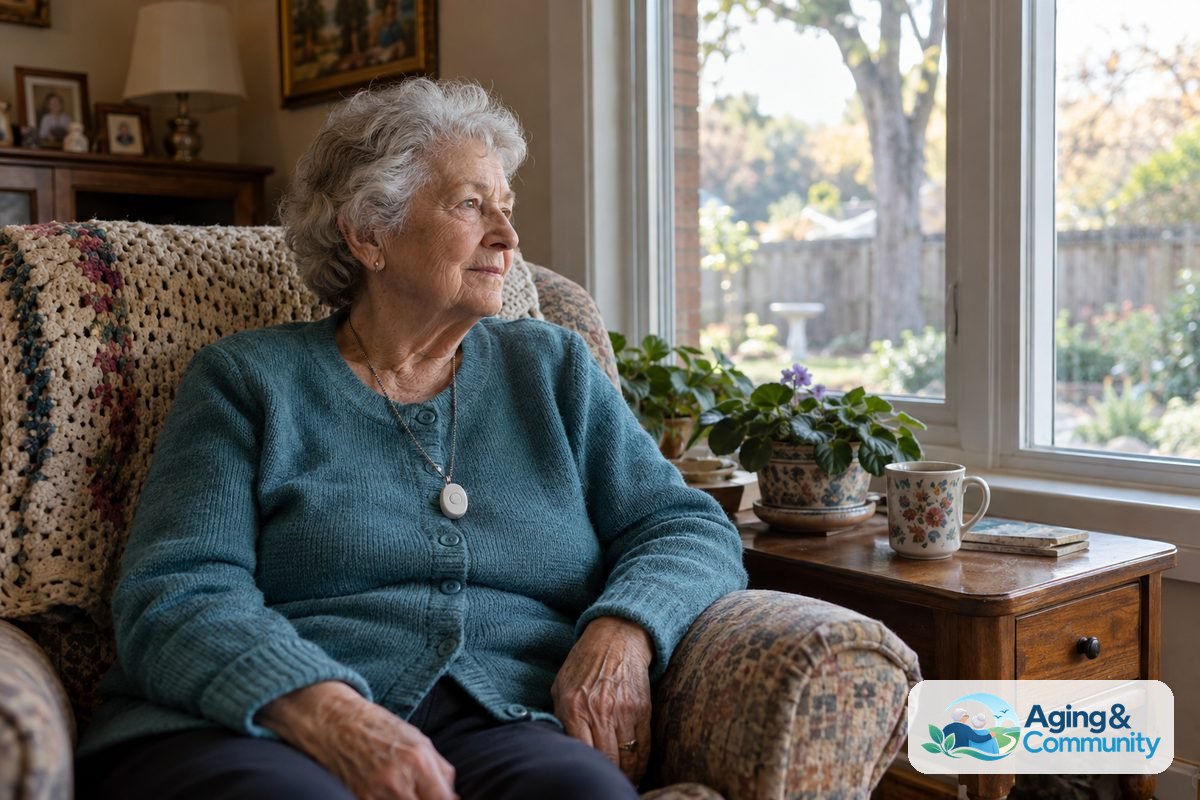
What an Elderly Fall Necklace Does
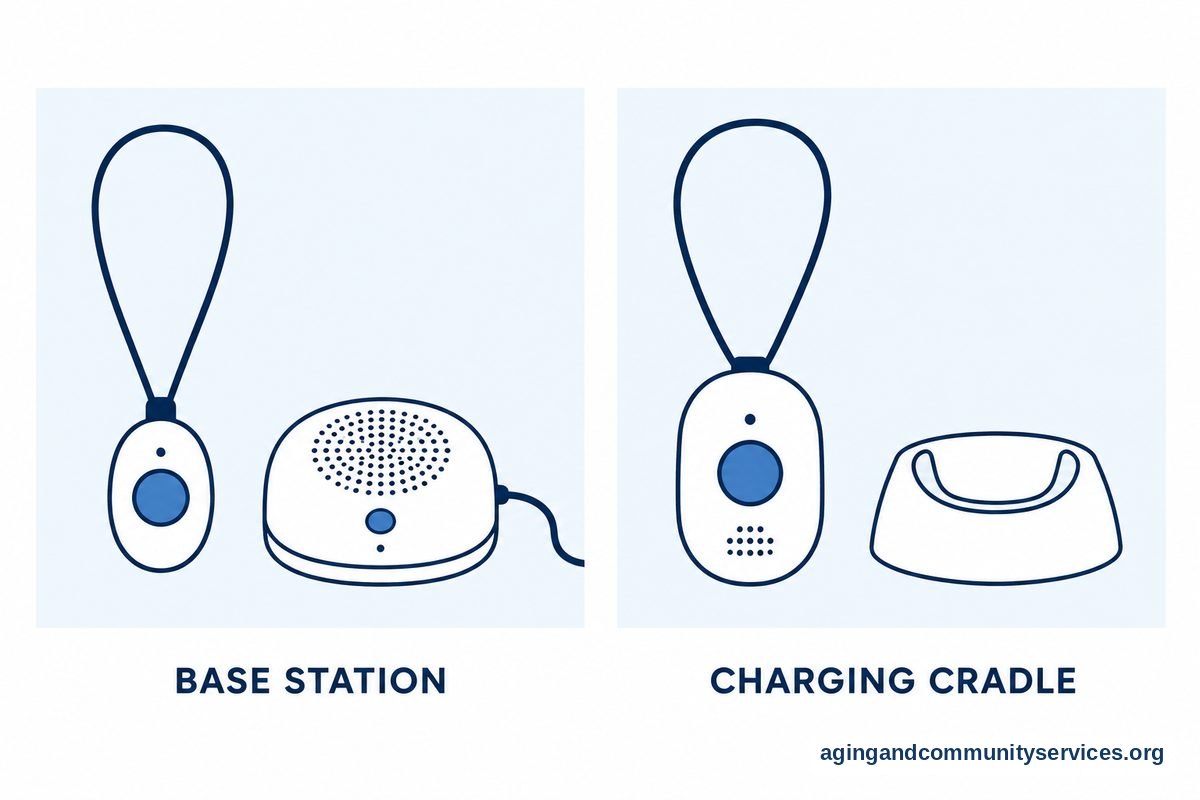
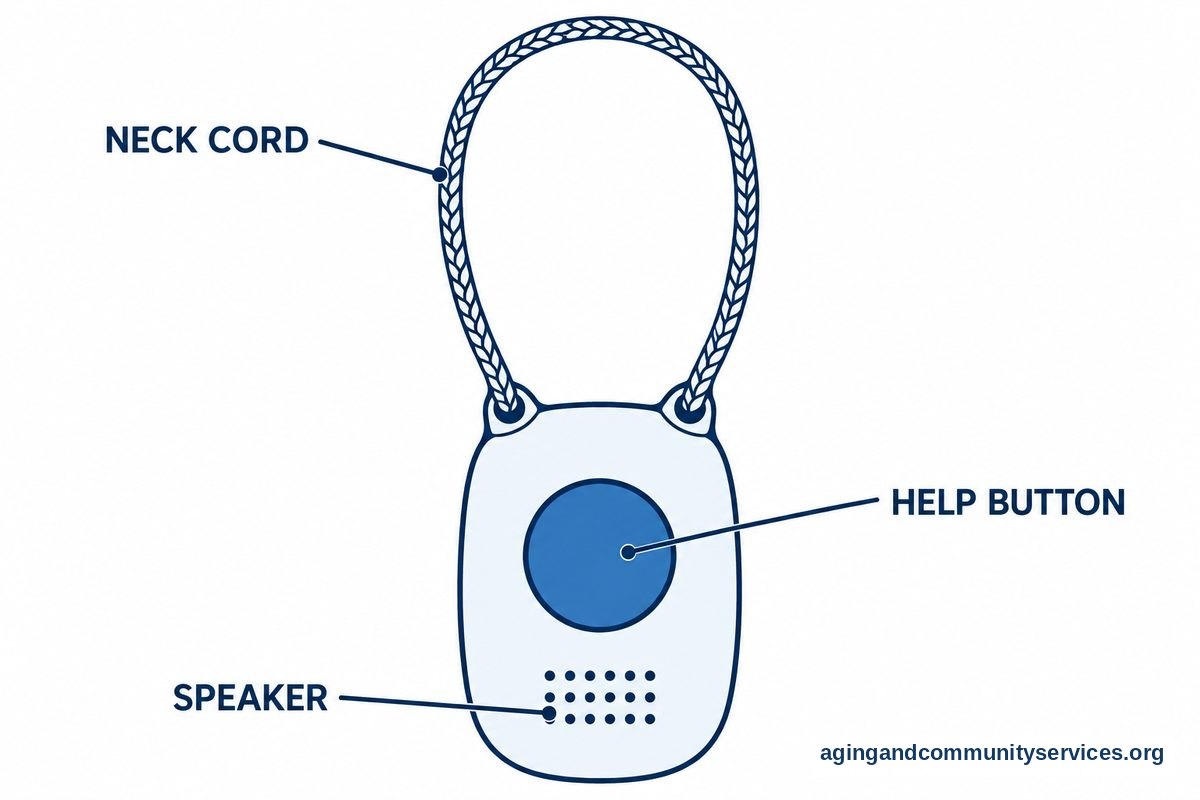
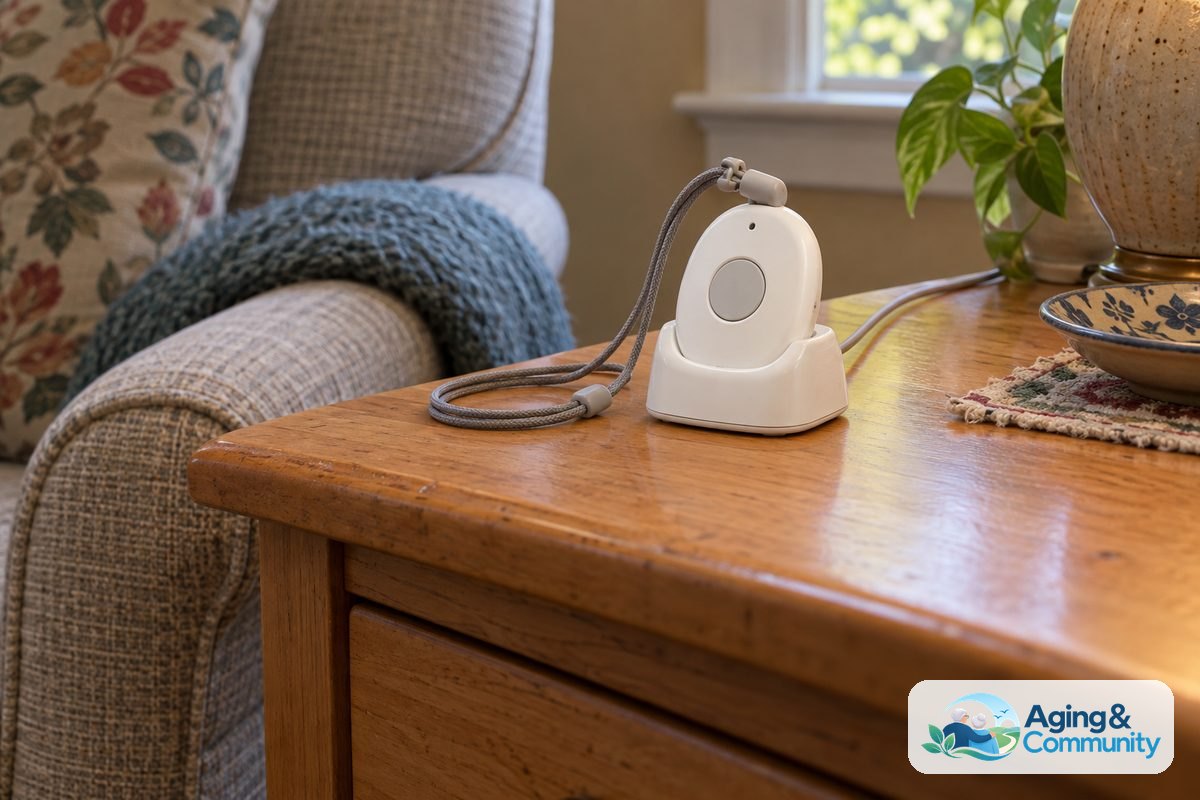
An elderly fall necklace is a small device worn on a cord or chain. It usually has a button that connects the wearer to a monitoring center, caregiver, or emergency contact. Some connect through a home base station, while others use a mobile connection.
The main purpose is quick access to help. If the wearer slips, feels unsteady, becomes lost, or needs assistance, they can press the button. The person or service on the other end can then follow the response plan set up ahead of time.
Some necklaces include automatic fall detection. This feature uses motion sensors to look for patterns that may match a fall. It is helpful to understand that no fall detection feature is perfect, so the wearer should still press the button when able.
If you are comparing device styles, a broader guide to elderly fall alert devices can help you see how necklaces fit with watches, clip-on buttons, and home systems.
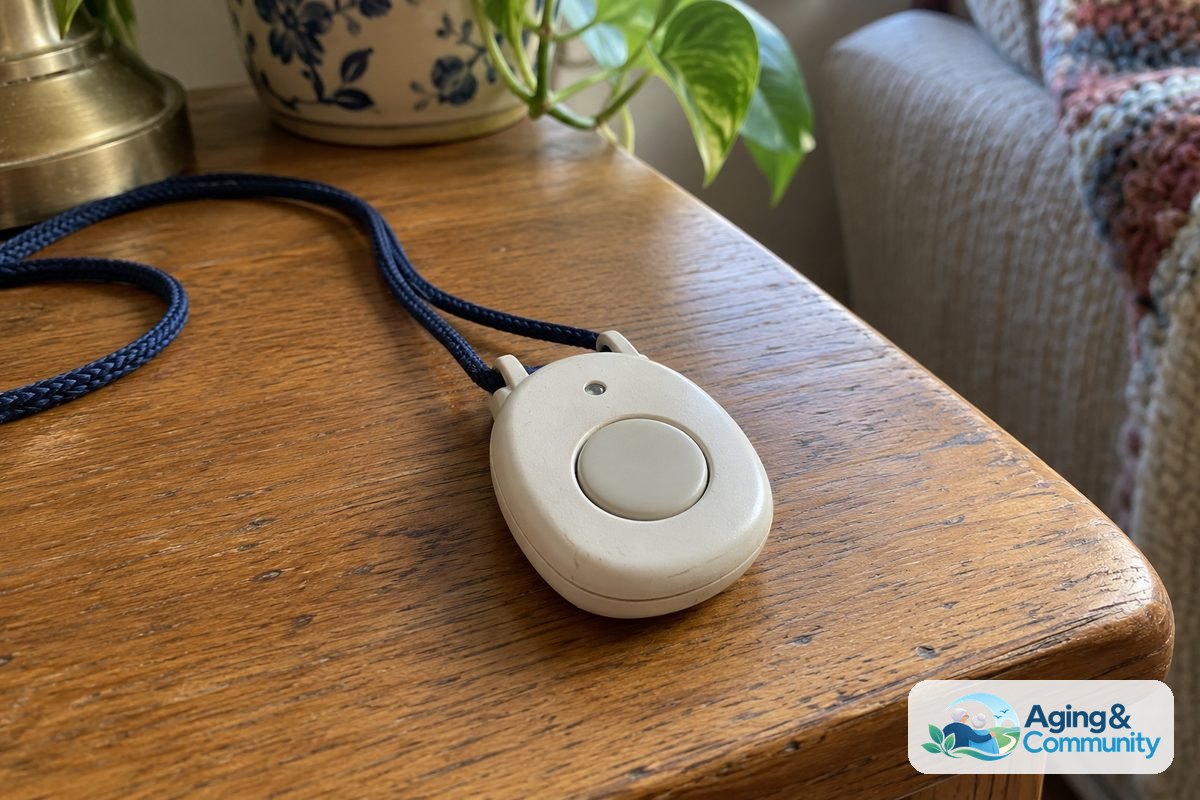
Types of Fall Necklaces and How They Differ
Fall necklaces are not all the same. The main differences are how they connect, where they work, and whether they include fall detection. A good choice is the one that fits the daily routine, not the one with the longest feature list.
| Type | How It Works | Good Fit For |
|---|---|---|
| Home-based necklace | Connects to a base station inside the home | Someone who spends most time at home |
| Mobile necklace | Uses a mobile signal and may work away from home | Someone who goes outside, shops, or visits others |
| Fall detection necklace | Includes sensors that may detect a fall-like motion | Someone who may not always be able to press a button |
| Caregiver-connected necklace | Contacts family or friends instead of, or before, a call center | Families with a clear support plan nearby |
A home-based necklace may be enough for a person who mostly stays inside and has strong coverage throughout the house. Ask about range, especially for bedrooms, bathrooms, porches, garages, and laundry areas.
A mobile necklace may be better for someone who takes walks, goes to appointments, or spends time in the yard. These devices often need charging, so a simple charging habit is important.
Some families also compare necklaces with wrist options. If a necklace feels uncomfortable or is often left on a dresser, a guide to watches with fall detection may be useful.
Features to Look For Before Choosing
Start with the basics. A fall necklace should be comfortable, simple, and reliable for the places where it will be used most. Small design details can make a big difference in daily use.
- Comfort: The necklace should not feel heavy, scratchy, or awkward under clothing.
- Button size: The help button should be easy to find and press.
- Water resistance: Ask whether it can be worn in the shower, since bathrooms can be slippery.
- Battery routine: Check how often it needs charging or battery replacement.
- Connection type: Confirm whether it uses a home base, mobile signal, or both.
- Response plan: Know who is contacted first and what happens if they do not answer.
Ask whether automatic fall detection is included or optional. Also ask what the device does if it senses a fall but the wearer says they are fine. The answer should be clear and easy for the family to understand.
Voice quality matters too. If the necklace or base station has two-way talk, the wearer should be able to hear the responder from common areas of the home. If hearing is a concern, ask about volume, speaker location, and whether the call can route through a base unit.
For side-by-side device categories, a guide to personal alarms for elderly can help explain how simple alarms differ from monitored systems.
Questions to Ask the Company or Provider
Before signing up, write down a few questions. This keeps the conversation focused and helps avoid paying for features that are not needed. If possible, have the wearer join the call so they can share what feels comfortable.
- Does the necklace work only at home, or also away from home?
- Is fall detection included, and can it be turned off if not wanted?
- Who answers the call when the button is pressed?
- Can family members be listed in a preferred order?
- What happens if the wearer cannot speak?
- How often does the device need charging?
- Is there a trial period or return process?
- What support is available if the device stops working?
It is also wise to ask about false alarms. A device may place a call after a quick movement, bump, or drop. A good response process should handle this calmly and not make the wearer feel embarrassed.
Ask how location is shared with responders if the necklace is mobile. Some devices can provide a general location, while others may need the wearer to speak with the responder. Knowing this ahead of time can shape the family response plan.
If you want to compare monitored systems more broadly, a page on senior emergency alert systems can help you review common service features.
Comfort, Dignity, and Daily Use
A fall necklace only helps if it is worn. Comfort and personal preference are not small details. They are often the reason a device becomes part of daily life or gets left behind.
Some people like a necklace because it is easy to reach and does not need to be fastened around the wrist. Others may dislike the feel of a cord or worry that it looks too noticeable. If appearance matters, ask about smaller pendants, different colors, or wearing it under clothing.
Use respectful language when bringing up the topic. Instead of saying someone needs to be watched, focus on staying connected and making it easier to call for help. The decision should include the person who will wear the necklace whenever possible.
A short practice routine can build confidence. Try pressing a test button if the company allows it, practice speaking to the responder, and review what to say. Keep written instructions near the charging spot or base station.
It may also help to set a simple habit, such as putting the necklace on after getting dressed and placing it on the charger before bed if the device requires charging. Keep the routine easy and consistent.
Fall Risk Steps That Can Support the Necklace
A necklace is one tool, not a full safety plan. Simple home changes may lower fall risk when they are part of a larger plan. The National Institute on Aging suggests steps such as reviewing medicines with a health care professional, checking vision, and making the home easier to move through.
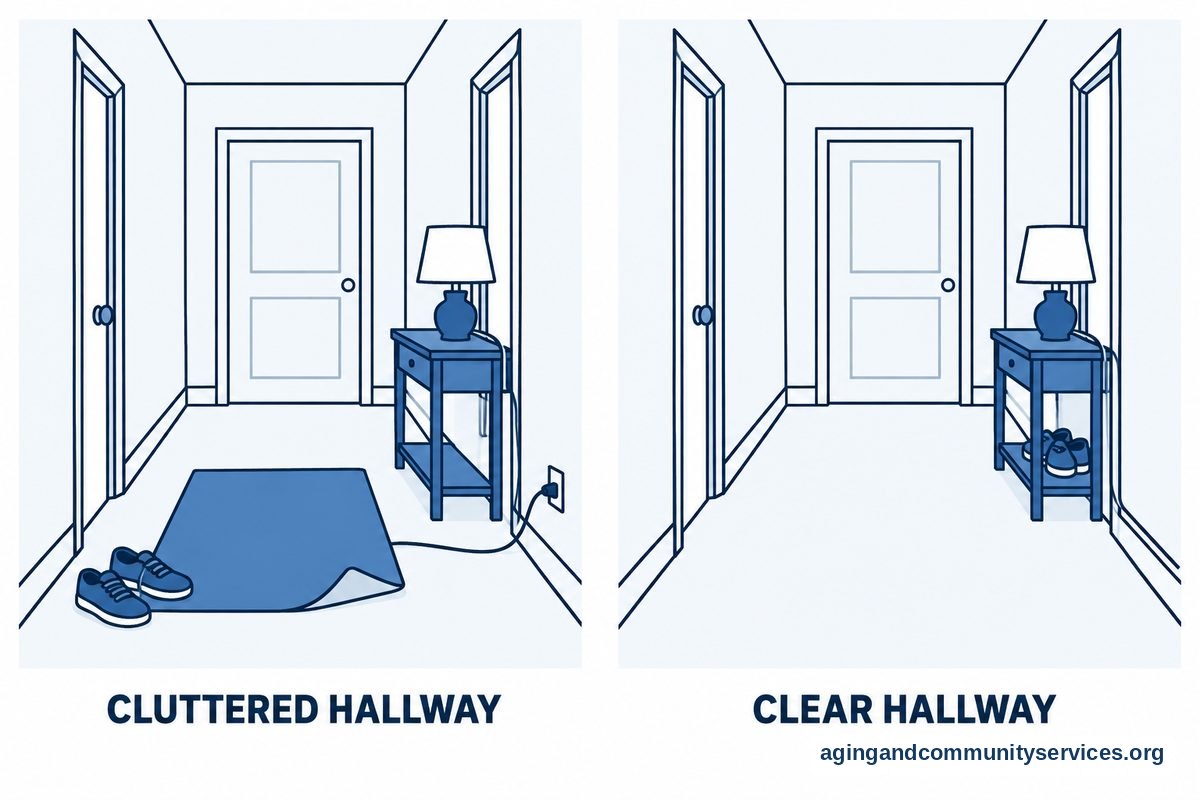
Look around the home during normal daily routines. Pay attention to places where the person turns, reaches, steps over items, or moves between floor surfaces. Small changes can make walking paths easier to use.
- Clear cords, loose rugs, and clutter from walking areas.
- Add bright lighting in hallways, stairs, and bathrooms.
- Keep often-used items within easy reach.
- Use non-slip backing on mats that must stay in place.
- Consider grab bars or handrails where extra support is needed.
- Review footwear for secure fit and good traction.
A doctor, physical therapist, or occupational therapist can give guidance based on the person’s health, balance, strength, home layout, and daily needs. An occupational therapist can also suggest ways to make everyday tasks easier and safer without taking away independence.
The National Council on Aging also shares general fall prevention information that families can use when planning next steps. Use trusted sources, and bring questions to a health professional when advice may affect health or mobility.
What You Can Do Next
Start with the daily routine. Where does the person spend time? Are they mostly at home, or do they go out often? Do they remember to charge devices, or would a long battery routine be easier?
- List the places where the necklace must work, such as bedroom, bathroom, porch, yard, and nearby stores.
- Decide who should be contacted first, second, and third if the button is pressed.
- Ask whether fall detection is needed, optional, or not wanted.
- Check comfort by considering size, cord style, weight, and whether it can be worn in the shower.
- Review setup, charging, testing, and cancellation rules before choosing.
- Talk with a doctor, physical therapist, or occupational therapist if falls, dizziness, balance changes, or home setup are concerns.
If the family wants a broader look at monitored options, a guide to elderly alert systems can help compare necklace devices with base stations, mobile units, and other wearable buttons.
Keep the first week simple. Practice using the necklace, test the range if allowed, and confirm that contacts are correct. Adjust the plan if the wearer finds the device uncomfortable or hard to remember.
Frequently Asked Questions
What is a senior fall necklace?
A senior fall necklace is a wearable help button worn around the neck. It can connect the wearer to a monitoring center, caregiver, or emergency contact when the button is pressed. Some models also include automatic fall detection.
Does an elderly fall necklace detect every fall?
No device can detect every fall. Fall detection uses sensors to notice certain movements, but it may miss some falls or respond to movements that are not falls. If the wearer can press the button, they should still do so.
Is a fall necklace better than a watch?
It depends on comfort and habits. A necklace may be easier to reach for some people, while a watch may feel more natural for others. The better choice is the one the person will wear regularly.
Can a fall necklace be worn in the shower?
Some fall necklaces are designed to be water resistant, but not all are. Ask the provider whether the device can be worn in the shower and what the limits are. Do not assume it is safe for water unless the instructions say so.
Who answers when the help button is pressed?
That depends on the device and service plan. Some calls go to a monitoring center, while others go to family members or other chosen contacts. Ask for the exact response process before choosing.
How do I help someone agree to wear a fall necklace?
Keep the conversation respectful and practical. Ask what style feels comfortable, explain who will be contacted, and practice using it together. Framing it as a way to stay connected often feels better than framing it as a loss of independence.