

Elderly widows living alone can often stay in their own homes with the right mix of safety steps, social support, and practical planning. The goal is not to take over, but to make daily life easier, safer, and less lonely while respecting her choices.
Living alone after losing a spouse can bring a lot of change. Routines, bills, meals, home repairs, and social time may all feel different. A calm plan can help a widow feel more in control and help family members know when and how to support her.
What Life Alone May Look Like After Widowhood
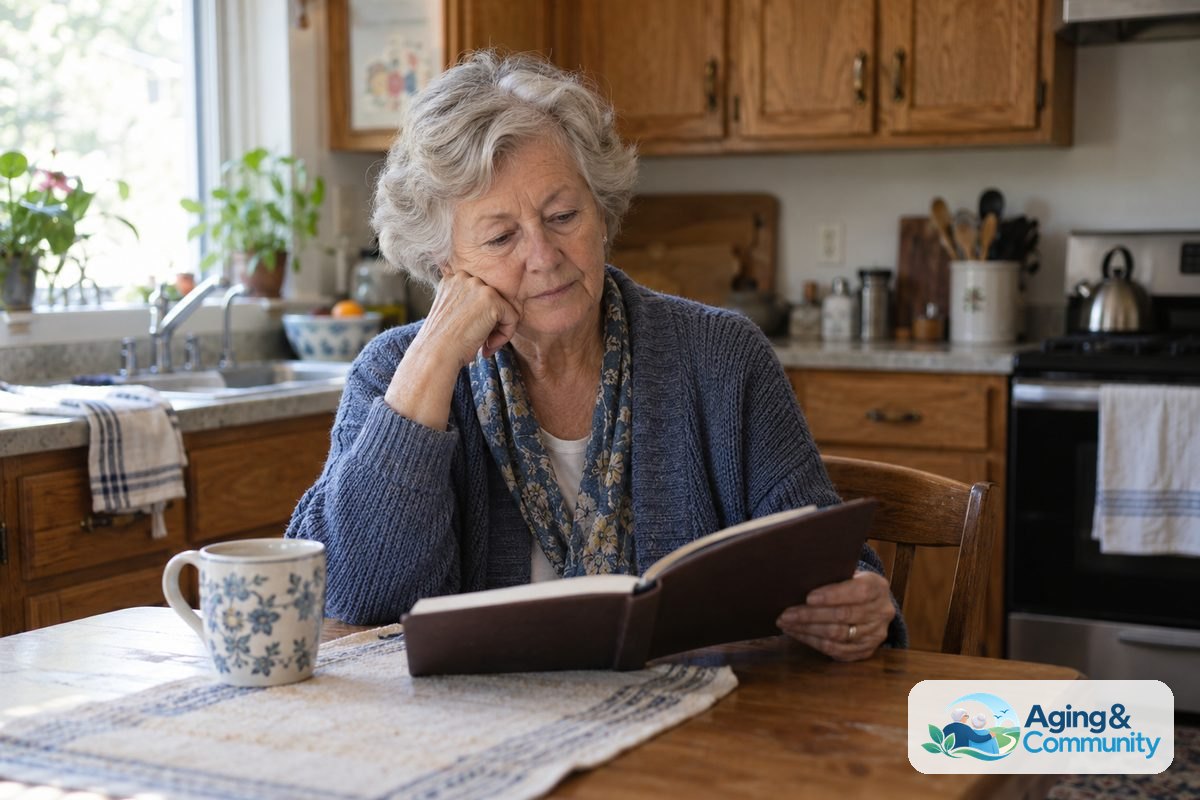
Every widow has a different story. Some feel ready to manage the home on their own. Others may feel unsure at first, especially if their spouse handled certain tasks.
It can help to look at daily life in simple parts. This keeps the conversation practical instead of emotional or rushed.
- Home care: Cleaning, laundry, trash, yard work, and small repairs.
- Meals: Grocery shopping, cooking, food storage, and eating on a regular schedule.
- Money tasks: Bills, mail, insurance papers, and household records.
- Transportation: Driving, rides, public transit, or help from family and neighbors.
- Connection: Phone calls, visits, faith groups, clubs, and community programs.
- Health support: Appointments, medicines, mobility needs, and questions for a doctor.
A widow may be doing well in some areas and need help in others. That is normal. The best support often starts with asking what feels hardest right now.
If you are trying to understand the wider topic, a guide on elderly living alone can help you think through daily needs without assuming that living alone is unsafe.
How To Talk About Help Without Taking Over
Many widows want to stay independent. Family members may want to help but worry about sounding bossy. A respectful talk can make a big difference.
Start with her goals. Ask what she wants home life to look like. Then discuss what support would make that easier.
- Ask, “What would make your week feel easier?”
- Offer choices instead of giving orders.
- Focus on comfort, convenience, and dignity.
- Pick one or two changes at a time.
- Respect a reasonable “no” and come back to the topic later.
It may help to frame support as a way to keep her routine, not as a sign that she cannot manage. For example, a grocery delivery, a weekly ride, or help with yard work can save energy while keeping her in charge of her home.
Try to avoid making every visit about problems. Spend time on normal things too, such as meals, photos, hobbies, or a walk. Trust grows when she feels seen as a whole person, not as a project.
Home Safety Steps That Support Independence
A safer home can make daily life feel easier. Small changes often matter because they reduce hassle and help a widow move around with more confidence.
Walk through the home together if she is open to it. Look for places where she has to reach, bend, step over, or carry too much at once.
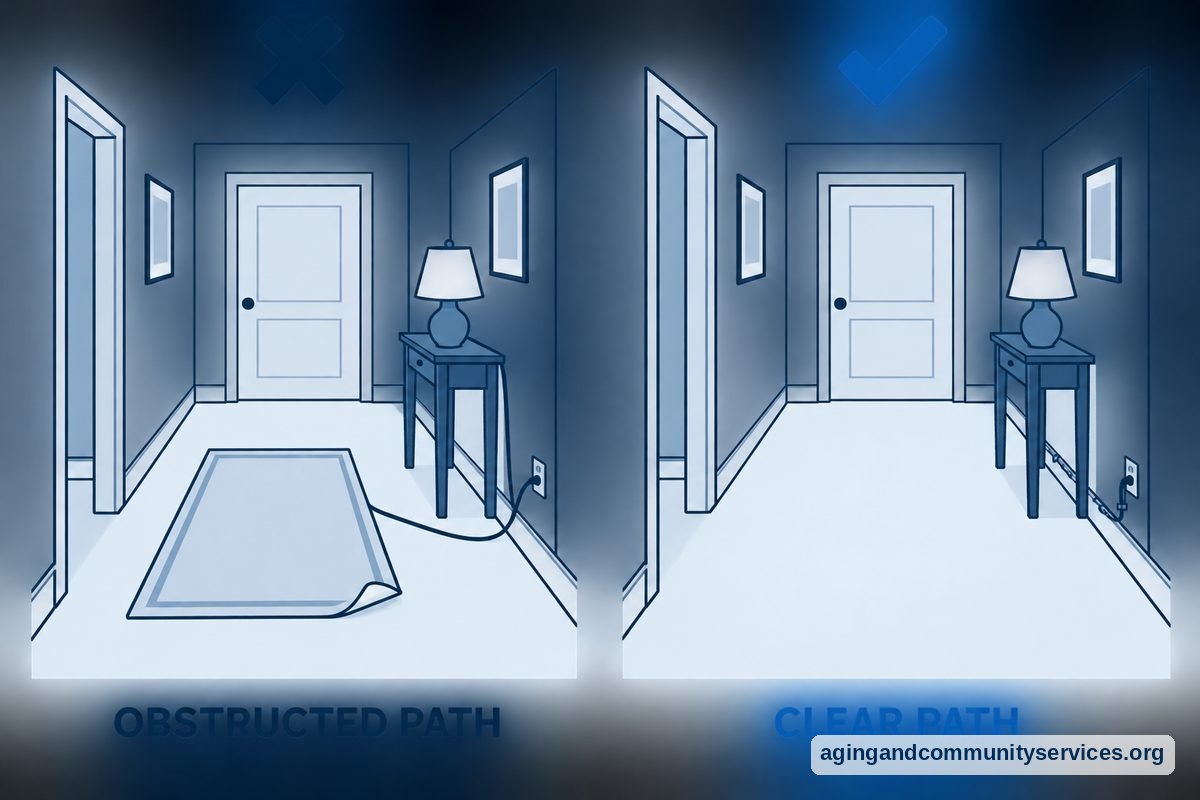
- Clear loose cords from walking paths.
- Remove small rugs that slide or curl.
- Improve lighting in hallways, stairs, bathrooms, and entries.
- Keep often used items between waist and shoulder height.
- Add sturdy railings on stairs if needed.
- Use non slip backing in the bath area.
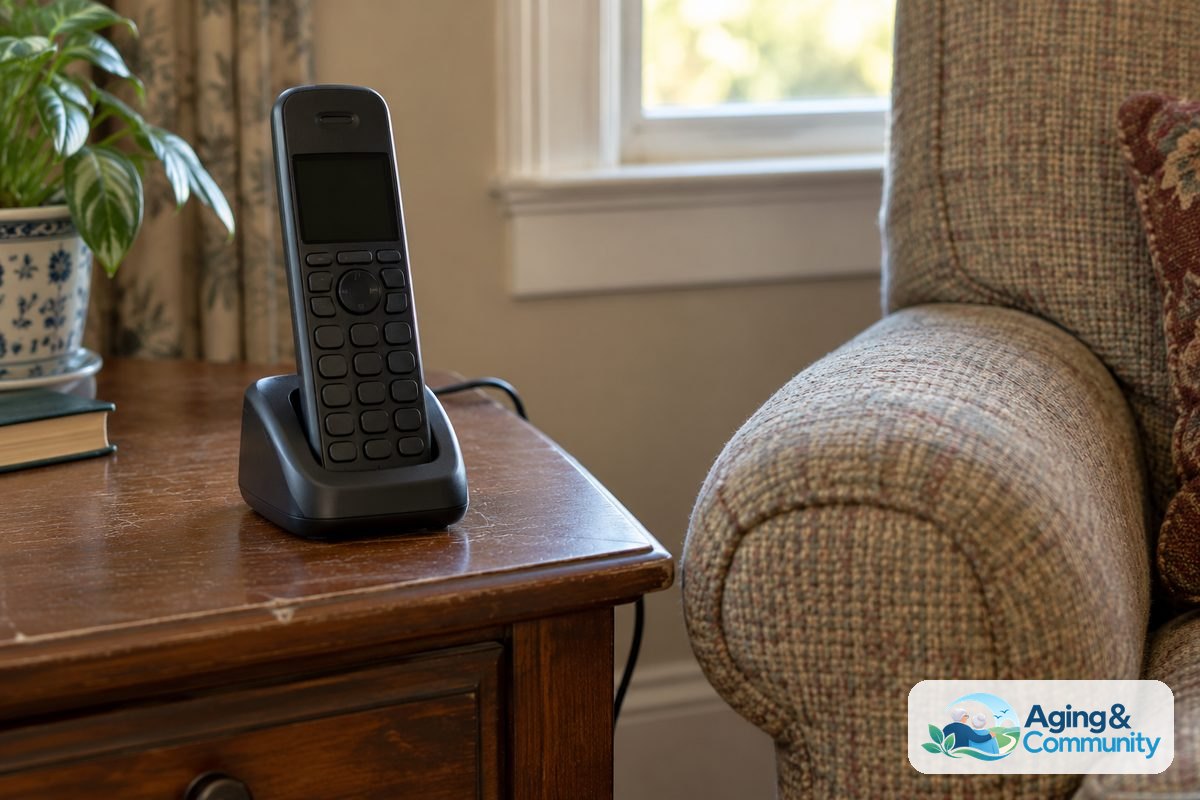
- Keep a charged phone within easy reach.
The National Institute on Aging notes that home changes and strength and balance activities can lower the risk of falls, and its falls prevention guidance is a useful place to start. If walking, balance, or transfers are getting harder, ask a doctor whether a physical therapist or occupational therapist could offer home specific advice.
For a more detailed checklist, families can use a guide on safety for elderly living alone while keeping the widow involved in each decision.
Building A Weekly Support Routine
Support works best when it is steady and simple. A plan does not need to be formal, but it should answer basic questions: who checks in, when they check in, and what they are checking for.
A weekly rhythm can lower confusion for everyone. It also helps family members share the load instead of relying on one person.
| Need | Simple Support Idea |
|---|---|
| Meals | Plan a shared grocery list, easy meals, or a regular meal drop off. |
| Home tasks | Set a weekly time for laundry, trash, mail, or light cleaning help. |
| Transportation | Keep a shared calendar for rides to errands, visits, and appointments. |
| Connection | Schedule calls or visits so she has contact she can count on. |
| Paperwork | Choose one trusted helper for bills, forms, and important mail. |
The right amount of support depends on her health, home, location, money, and wishes. If your family is unsure whether living alone still fits, a balanced article on can an elderly person live alone can help guide the discussion.
Try not to create a plan that only works when everything goes perfectly. Add backup options. For example, if one family member is out of town, someone else should know how to reach her, where key papers are, and who can help nearby.

Loneliness, Grief, And Staying Connected
Living alone after the loss of a spouse can feel quiet in a new way. Some widows enjoy time to themselves, while others miss daily conversation, shared meals, or a familiar routine.
Connection does not have to be busy or forced. It can be gentle and regular.
- A short daily phone call.
- A weekly lunch with a friend or family member.
- A faith group, library group, class, or volunteer role.
- A neighbor who checks in after storms or power outages.
- A standing family video call if distance is an issue.
Grief can change from day to day. Family members do not need to fix it. Listening, remembering the spouse by name, and making space for both sad and happy memories can be deeply respectful.
If sadness, worry, sleep changes, or loss of interest are affecting daily life, encourage her to talk with her doctor or a licensed counselor. This is not a sign of failure. It is a way to get support during a major life change.
Services And Community Help To Consider
Many families do not know what help exists until they need it. Community services vary by area, but common supports may include rides, meal programs, friendly visitor programs, home repair help, caregiver support, and local aging services.
The National Institute on Aging has an aging in place overview that can help families think through home, health, transportation, and social needs. The Eldercare Locator can also help connect people with local aging resources.
Home help can be medical or nonmedical. Nonmedical help may include meals, cleaning, rides, or companionship. Medical home services, when appropriate, should be discussed with a doctor or care team.
If you are comparing types of help, information on home health for seniors may help you understand the kinds of support that might be available and when a clinician should be involved.
It is also wise to plan for common challenges. For example, bad weather, a broken appliance, a missed ride, or a confusing bill can become stressful when someone is alone. A simple contact list on the fridge and in her phone can make these moments easier.
What The Reader Can Do Next
If you are an elderly widow living alone, or you help one, start with small steps. You do not need to solve everything at once.
- Ask what matters most. Begin with her priorities, such as staying home, seeing friends, keeping a pet, or getting help with chores.
- Walk through the home. Look for lighting, tripping hazards, hard to reach items, and places where a handhold may help.
- Make a contact plan. Choose who calls, who visits, and who is the backup contact.
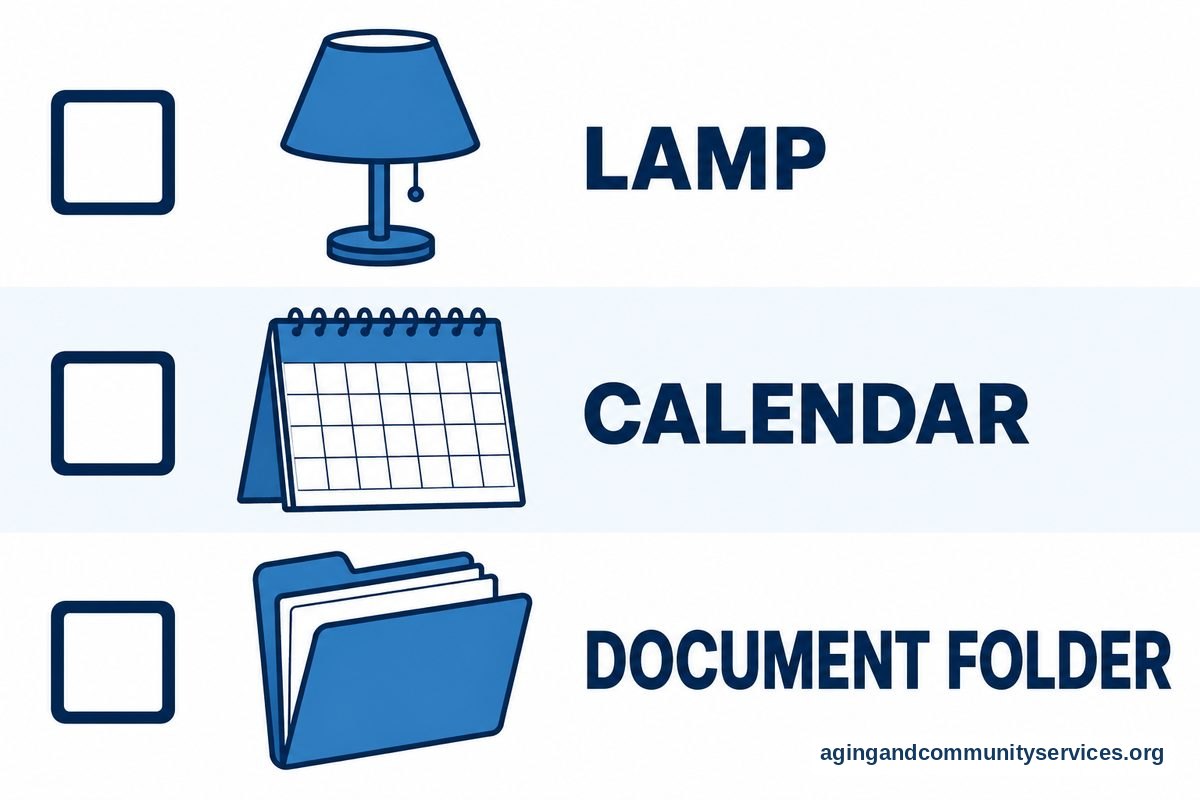
- Set up a simple calendar. Include appointments, trash day, bills, rides, social plans, and grocery needs.
- Gather key information. Keep doctor names, medicines, allergies, insurance cards, and emergency contacts in one easy place.
- Talk with professionals when needed. A doctor, physical therapist, occupational therapist, social worker, or local aging office may offer useful guidance.
Keep the tone practical and kind. The aim is to support a good life at home, not to make every choice about risk. When the widow is part of the plan, changes are more likely to feel helpful and respectful.
Frequently Asked Questions
Is It Safe For An Elderly Widow To Live Alone?
It can be safe for some widows to live alone, depending on health, mobility, memory, home setup, nearby help, and personal wishes. Safety is not only about age. It is about how well daily needs are being met.
A good first step is to review meals, transportation, home hazards, social contact, and medication routines. If there are concerns about falls, confusion, or daily care, speak with a doctor or an occupational therapist for guidance.
How Often Should Family Check In?
There is no single right answer. Some widows like a daily call, while others prefer a few planned check ins each week. The best plan is one she agrees to and can count on.
Use more than one type of contact if possible. Phone calls, visits, texts, neighbor check ins, and shared calendars can work together. Make sure someone knows what to do if she does not answer at the usual time.
What Are Common Challenges For Widows Living Alone?
Common challenges may include loneliness, home upkeep, transportation, meals, bills, and managing appointments. Grief can also make familiar tasks feel harder for a while.
Families can read more about challenges elderly living alone face to spot needs early and respond with practical help.
How Can A Widow Stay Social While Living Alone?
Start with what she already enjoys. That may be a faith group, a book club, a senior center, a walking group, a neighbor visit, or a regular family meal.
Small plans are often easier to keep than big ones. One weekly outing and a few short calls can create a steady sense of connection without filling every day.
When Should A Family Consider More Help At Home?
Consider more help when daily tasks are becoming too hard, the home is not being maintained, meals are often missed, rides are a problem, or the widow feels isolated. More help does not always mean moving. It may mean adding services or family support.
If health, balance, memory, or personal care needs are changing, talk with a doctor or care professional. They can help suggest next steps based on her situation.