

If you searched for fall prevention elderly scholarly articles, you are likely looking for research based guidance that is also easy to use at home. Scholarly articles on this topic often focus on common risk factors, exercise, home setup, medication review, vision, footwear, and teamwork with health professionals.
The helpful news is that many research themes match everyday actions. You do not need to read every journal article to start a thoughtful conversation with a doctor, physical therapist, occupational therapist, or local aging service.
What Scholarly Articles Usually Mean By Fall Prevention
In research, fall prevention usually means a set of steps that can lower the risk of falls for older adults when chosen for the person and setting. Scholarly articles often look at more than one factor because falls rarely have just one cause.
Researchers may study balance, strength, vision, medicines, home hazards, footwear, past falls, dizziness, or fear of falling. A good article will explain who was included, what was measured, and what the authors found without promising that one step works for everyone.
For a plain overview from a national source, the National Institute on Aging explains falls and prevention in everyday language. That kind of source can help you understand the terms you may see in journal articles.
When you read a scholarly article, it may help to look for these items:
- Who was studied: age range, living setting, health needs, and mobility level.
- What was tried: exercise, home changes, education, clinical review, or several steps together.
- How results were measured: falls, balance scores, confidence, injuries, or activity level.
- How long follow up lasted: short follow up may not show the full picture.
- Limits: sample size, setting, and whether the findings fit your situation.
Why Many Studies Focus On More Than One Risk Factor
Many fall related studies use what researchers call a multifactorial approach. In plain English, that means looking at several possible risk factors at the same time instead of choosing only one.
For example, a person may have a loose rug, poor lighting, new medicine side effects, weak leg muscles, and shoes that slip. Fixing only one item may help, but a fuller plan may fit better. A doctor, physical therapist, or occupational therapist can help decide which steps make sense.
Families often find it useful to start with a simple home review. A room by room home safety checklist can make the task feel more manageable and less personal. The goal is not to blame anyone. The goal is to make the space easier to move through.
Common areas that studies and clinical guides often discuss include:
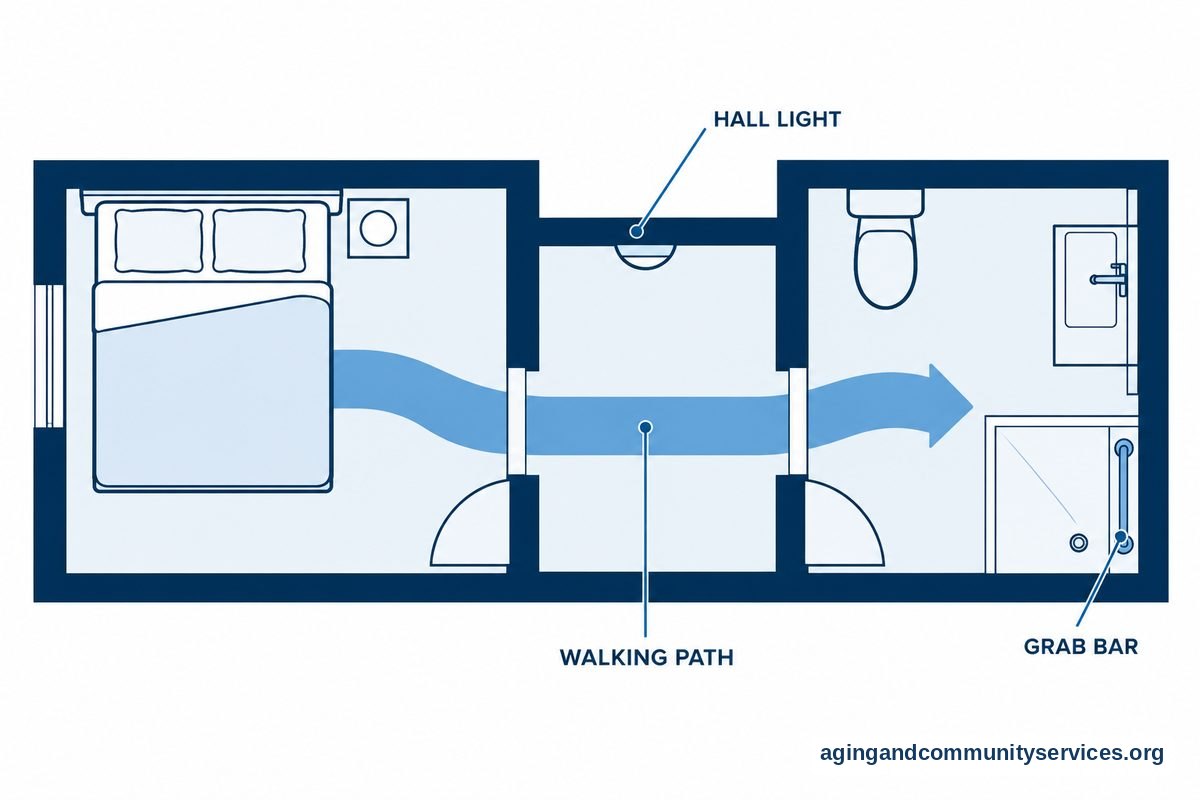
- Walking paths: clear clutter, cords, and small rugs where possible.
- Lighting: add light where someone walks at night or in dim rooms.
- Stairs: check railings, step edges, and objects left on steps.
- Bathroom setup: ask a professional about grab bars, shower seating, or safer layouts.
- Outdoor entries: look at uneven paths, loose mats, and weather related slip spots.
If changes involve medical equipment, balance problems, dizziness, or a recent fall, it is wise to ask a health professional before making major decisions. The right choice can depend on height, strength, vision, habits, and the home layout.
Exercise And Movement In Research Articles
Many fall prevention in older adults scholarly articles include movement programs. These may focus on balance, strength, walking, flexibility, or a mix of activities. Research sources often say that exercise can lower the risk of falls when it is appropriate, regular, and matched to the person.
This does not mean every exercise is right for every person. Someone with pain, dizziness, foot numbness, recent surgery, heart symptoms, or a new change in walking should speak with a doctor or physical therapist before starting.
A physical therapist can check gait, strength, balance, and assistive device use. They can also suggest safe ways to progress. For general background, you can review fall prevention exercises and then ask a professional which ideas fit.
Research articles may compare different kinds of movement, such as:
- Balance training: standing tasks that challenge steadiness in a controlled way.
- Strength work: exercises for legs, hips, and core muscles.
- Walking practice: safe practice with pace, turning, and surfaces.
- Functional tasks: sitting, standing, reaching, and stepping in ways used at home.
- Group classes: programs that add routine, coaching, and social support.
If a person feels unsure about exercise, start with a conversation, not a lecture. Ask what they want to keep doing, such as gardening, visiting friends, or walking to the mailbox. Movement goals often feel more respectful when they connect to daily life.
How To Judge The Quality Of An Article
Scholarly articles can be useful, but they are not all equally helpful for a home decision. Some are small, some are done in special settings, and some focus on one narrow question. It is fine to read them with curiosity and caution.
Start by checking whether the article is a review, a trial, an observational study, or an expert guideline. A review may summarize many studies. A trial may compare one program with another. An observational study may find patterns but may not prove cause and effect.
Also notice whether the study setting matches your needs. A study in a hospital, nursing home, clinic, or community class may not apply in the same way to someone living alone in a house. The details matter.
Use this quick table when reading:
| Question | Why It Helps |
|---|---|
| Who took part? | Shows whether the group is similar to your family member. |
| What did they do? | Clarifies whether the step is exercise, home change, review, or education. |
| Who led it? | Helps you see if a trained professional was involved. |
| What changed? | Shows whether the article measured falls, balance, confidence, or another result. |
| What were the limits? | Reminds you not to apply the findings too broadly. |
It can also help to compare journal findings with trusted public health sources. The National Council on Aging shares falls prevention facts that may help readers understand common themes in the research.
What Families Can Do With Research Findings
The best use of scholarly articles is often to support better questions. You do not have to become a researcher. You can bring a short list of concerns to a care visit and ask what fits the person in front of you.
Helpful questions may include:
- Could any medicines or supplements affect balance, alertness, or dizziness?
- Would a physical therapy evaluation be useful?
- Would an occupational therapy home safety visit be appropriate?
- Should vision, hearing, feet, or footwear be checked?
- Is an assistive device needed, and is the current one the right height?
It is also useful to ask about local programs. Some communities offer evidence informed classes, home safety support, or caregiver education. A guide to fall prevention programs can help you understand what to look for before signing up.
When talking with a family member, use calm, specific language. Instead of saying, “You are going to fall,” try, “I noticed the hallway is dark at night. Would it be okay if we added a light there?” Respect builds cooperation.
If the person has had a recent fall, new weakness, dizziness, fainting, confusion, or a sudden change in walking, contact a health professional. Those details deserve personal medical guidance, not a guess from an article.
What The Reader Can Do Next
Start with small, practical steps that do not require a diagnosis or a major purchase. Choose one room, one habit, or one question for the next care visit. Small changes are easier to keep.
- Write down fall details: note where, when, what shoes were worn, lighting, activity, and any symptoms.
- Review the walking path: move clutter, cords, and loose items from common routes.
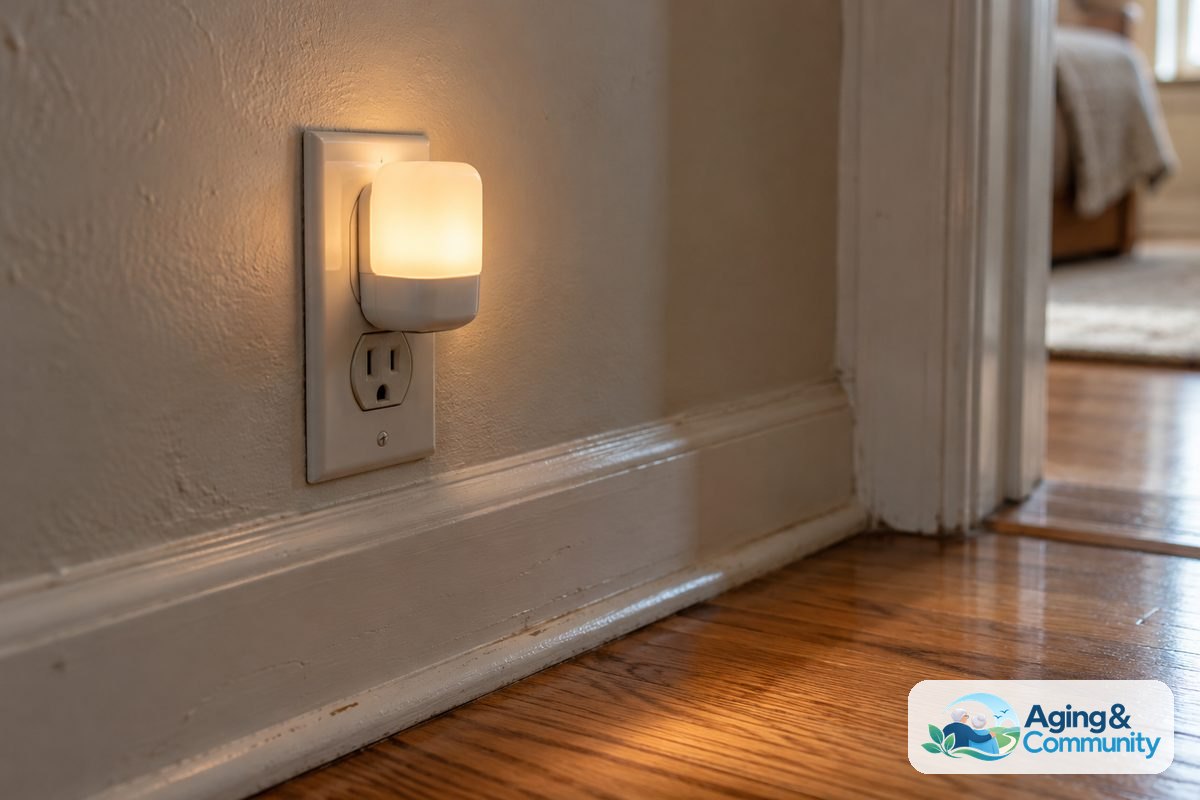
- Improve lighting: focus on bedrooms, halls, stairs, bathrooms, and entries.
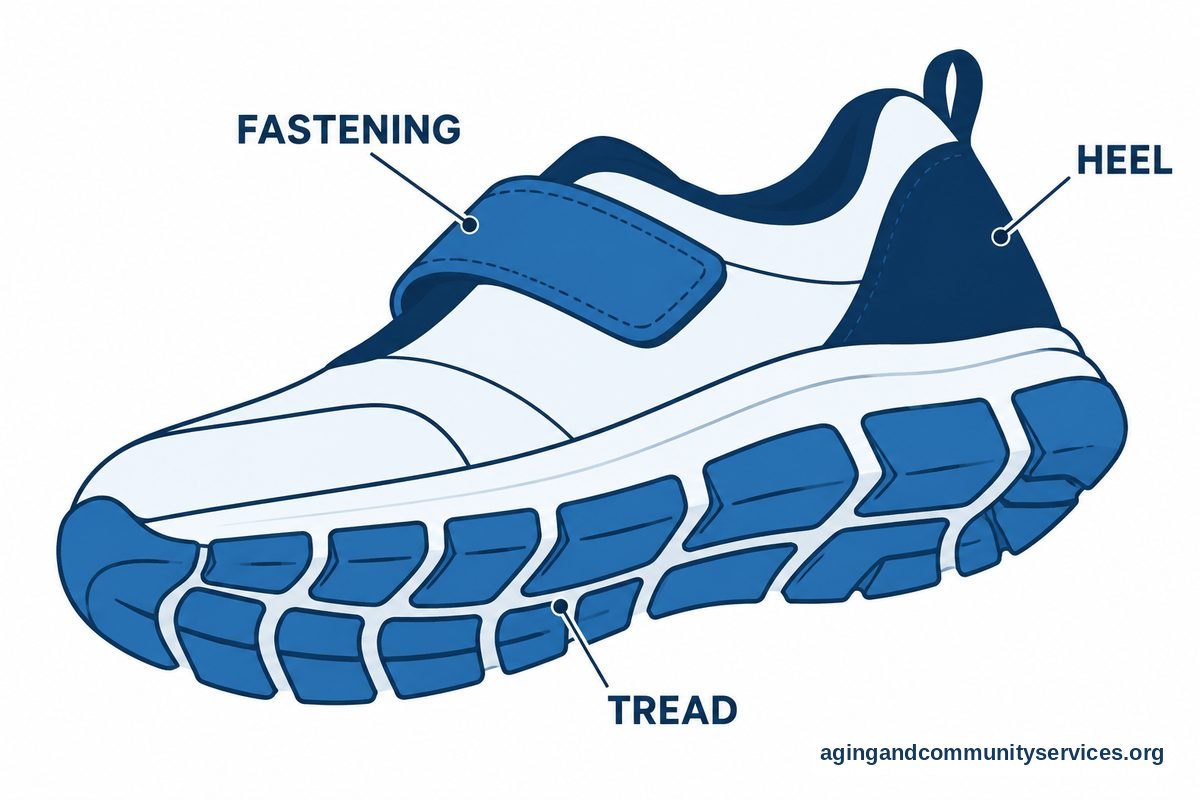
- Check footwear: look for fit, tread, support, and whether shoes are worn indoors.
- Ask about therapy: a doctor can advise whether physical or occupational therapy fits.
- Discuss medicines: ask a pharmacist or doctor whether any medicines may affect steadiness.
You can also read a plain language guide on why fall prevention matters if you want help explaining the topic to family members. Keep the tone practical. The goal is comfort, independence, and safer daily routines.
If you need local aging support, the Eldercare Locator offers local aging services by area. This can be useful when a family is trying to find community programs, transportation help, caregiver support, or home based resources.
Frequently Asked Questions
What are fall prevention in older adults scholarly articles?
They are research articles that study ways to lower fall risk among older adults. They may look at exercise, home safety, medicine review, vision, footwear, assistive devices, or programs that combine several steps.
Some articles are original studies, while others review many studies. Reviews can be helpful when you want a broader picture, but personal advice should still come from a doctor, physical therapist, or occupational therapist.
Where can I find scholarly articles about fall prevention elderly care?
Many people search academic databases, medical journals, or university library tools. If you do not have library access, you can still read article abstracts and compare them with trusted health agency pages.
Look for articles that clearly describe the people studied, the setting, the program, and the limits. If an article is hard to understand, bring the title or abstract to a health professional and ask what parts may apply.
What topics do fall prevention scholarly articles cover most often?
Common topics include balance and strength exercise, home safety, medication review, vision care, footwear, assistive devices, and fear of falling. Many articles also look at programs that combine several of these areas.
The most useful topic depends on the person. For example, one person may need a safer bathroom setup, while another may need a balance evaluation or a medication review.
Are fall prevention exercises supported by scholarly articles?
Many scholarly articles include exercise as part of fall risk reduction. They often describe balance, strength, and functional movement programs. Some sources say appropriate exercise can lower fall risk, especially when it is regular and guided for the person.
Exercise should be chosen with care. A doctor or physical therapist can help if there is pain, dizziness, recent illness, numbness, or concern about safety.
How do I use research without overwhelming my family member?
Choose one or two findings that connect to daily life. For example, talk about adding light near the bed, checking shoes, or asking the doctor about balance concerns.
Keep the conversation respectful. Ask permission before changing the home, and focus on the person’s goals, such as walking outside, cooking, visiting friends, or staying active at home.