

Fall prevention videos for seniors can be a helpful way to learn safer movement, home safety habits, and simple exercise routines at home. A good video should be clear, slow paced, easy to follow, and honest about when to ask a doctor, physical therapist, or occupational therapist for personal advice.
Videos are not a replacement for care from a trained professional. They can, however, help you understand common safety steps, prepare questions for an appointment, and build a calmer routine around balance, strength, and home setup.
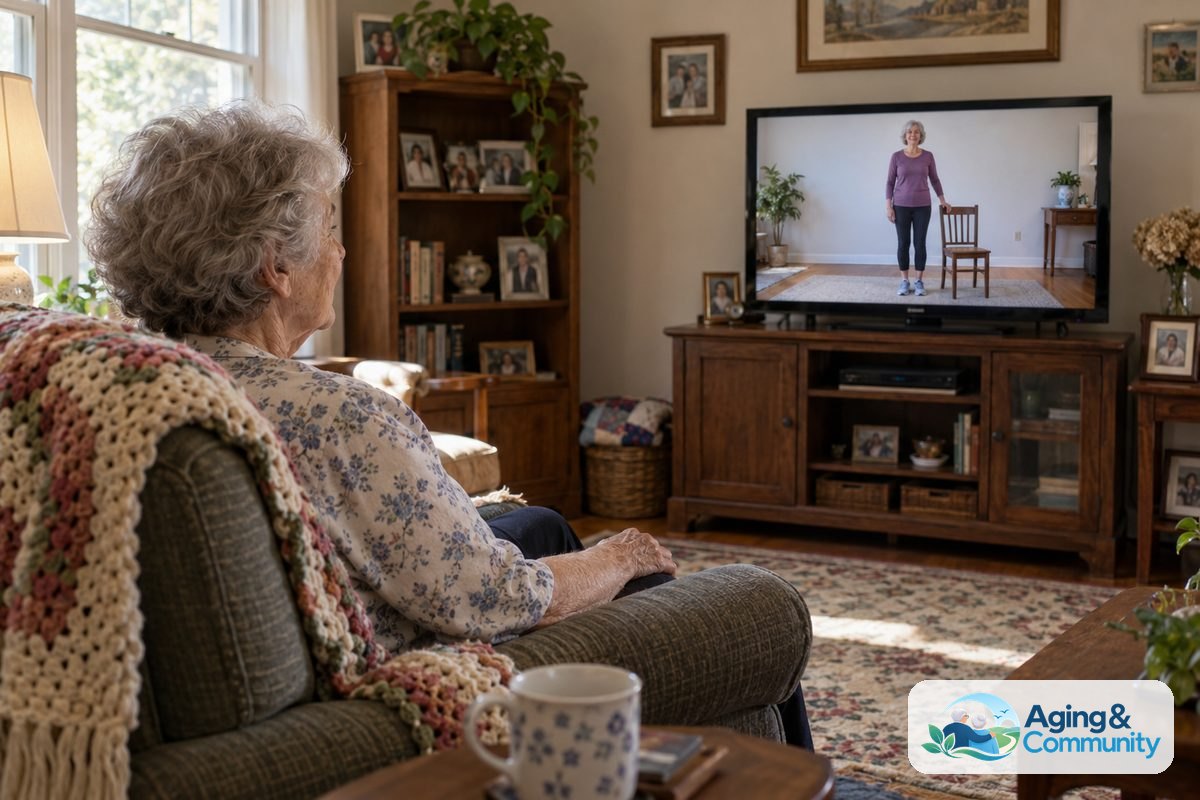
What Fall Prevention Videos Usually Cover
Most fall prevention videos focus on everyday situations. They may show how to rise from a chair, walk through a hallway, use stairs with more care, or set up a safer bathroom. Some videos also include gentle balance and strength movements.
Reliable videos often match the same practical advice found in trusted public health resources. For example, the National Institute on Aging explains that exercise, medication review, vision checks, and home changes may help reduce fall risk when used as part of a broader plan.
Common topics include:
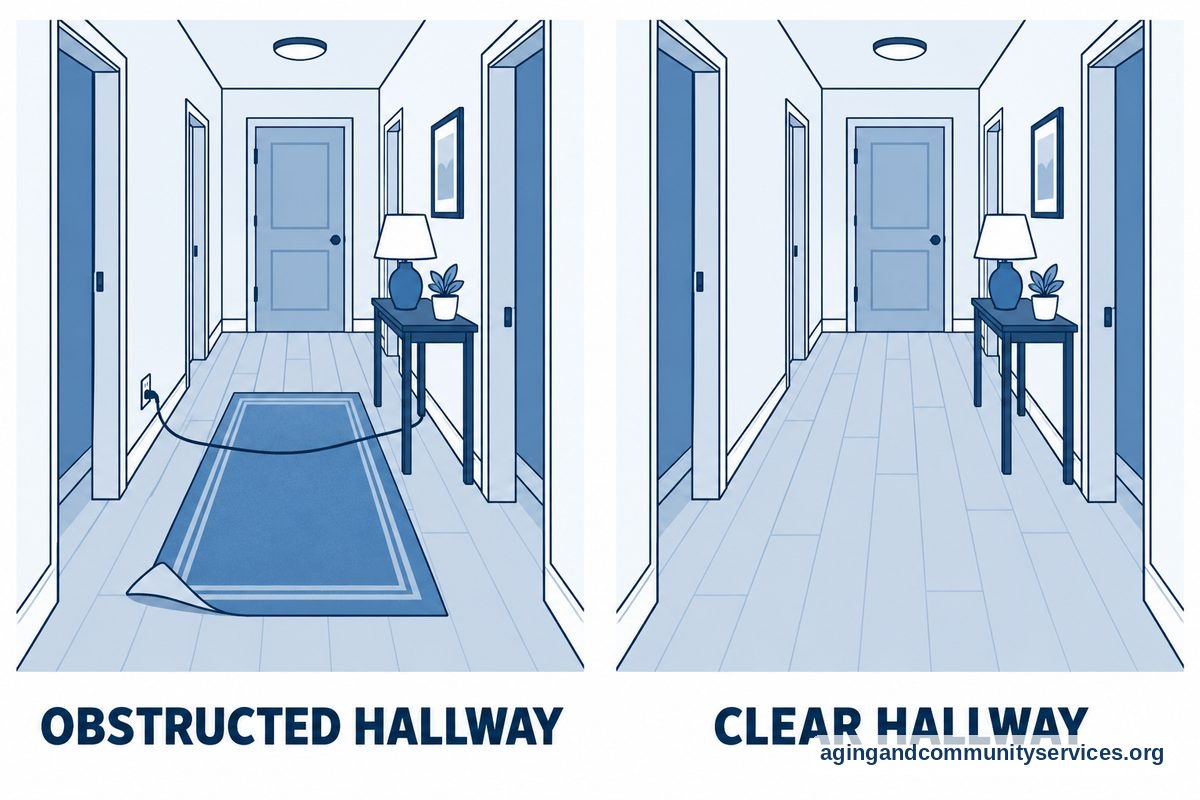
- Clearing walkways and removing loose rugs or cords
- Improving lighting in halls, stairs, and bathrooms
- Using sturdy shoes instead of socks or slippers on smooth floors
- Practicing slow, controlled chair rises
- Learning simple balance habits for daily movement
- Knowing when to ask for help with stairs, bathing, or outdoor walking
If you want a written overview to go with videos, a guide to fall prevention for seniors can help you keep the main ideas in one place. Written notes are useful because you can review them at your own pace after watching.
How To Choose A Helpful Video
A helpful fall prevention for seniors video should feel steady, respectful, and easy to pause. Look for videos led by a licensed physical therapist, occupational therapist, nurse, doctor, local aging service, hospital, public health group, or senior center.
The instructor should explain who the video is for and who should get personal advice before trying the activity. If the video includes exercises, it should remind viewers to use support, move slowly, and stop if something feels unsafe or painful.
Use this simple checklist when choosing a video:
- Clear instructor: The person gives their role or training.
- Slow pace: Movements are shown step by step.
- Safety cues: The video shows support from a counter, chair, wall, or helper when needed.
- Plain language: Directions are easy to understand without medical terms.
- Good view: You can see the feet, hands, and body position.
- No pressure: The video does not promise results or push people to do more than feels safe.
It is also wise to avoid videos that look like a challenge, race, or intense workout. A calm, simple video is often more useful than one that moves quickly or tries to cover too much at once.
Exercise Videos: What To Look For
Exercise videos about fall prevention in seniors often include balance, leg strength, posture, and gentle flexibility. These can be helpful learning tools, but the right level matters. A routine that is safe for one person may not fit another person.
Before starting a new exercise video, consider asking a doctor or physical therapist what types of movement are appropriate. This is especially important after a recent fall, surgery, hospital stay, new dizziness, weakness, vision change, or a change in medicines.
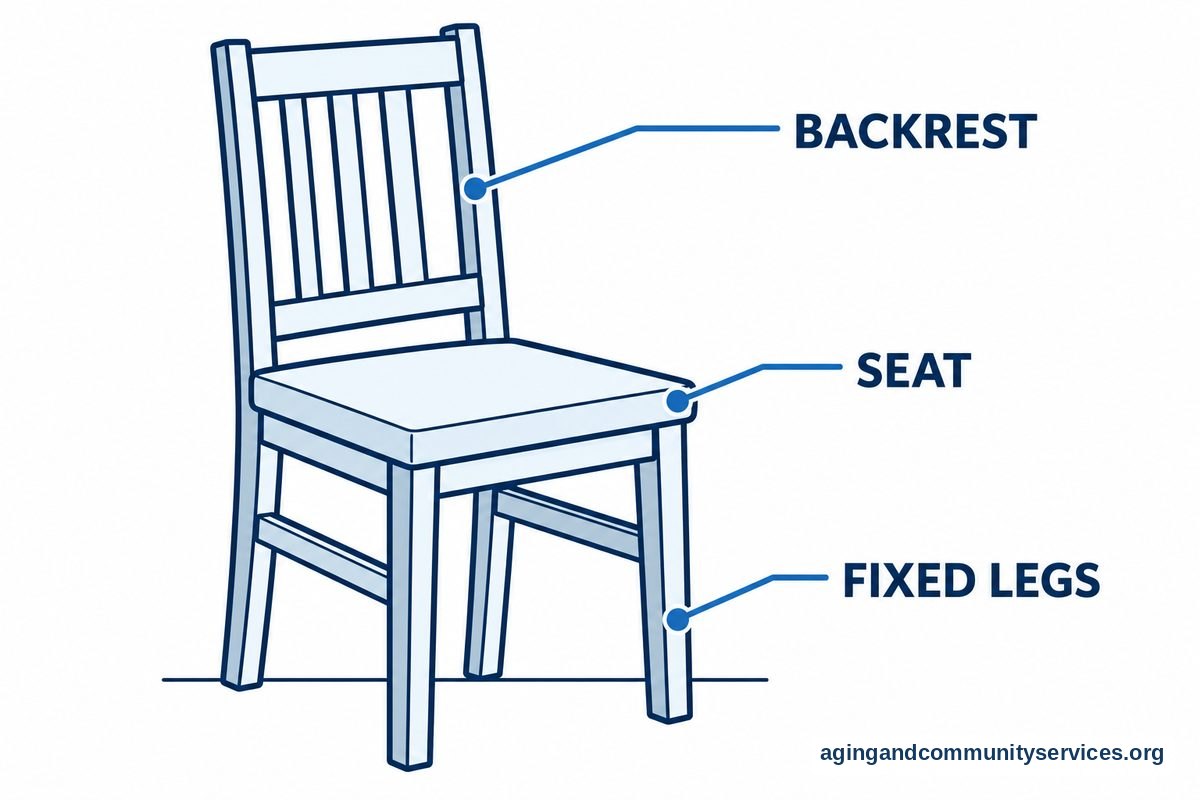
Many beginner videos use a sturdy chair or kitchen counter for support. They may show seated marching, heel raises, toe raises, sit to stand practice, side steps, or slow weight shifts. A useful routine should leave room for rest and should not require rushing.
If you want more detail on movement ideas, a page on fall prevention exercises can help you understand common options before choosing a video. You can then ask a professional which movements fit your needs.
Simple safety tips for exercise videos include:
- Wear stable shoes with backs and non-slip soles.
- Use a sturdy chair that does not roll.
- Keep a phone nearby.
- Clear the floor before starting.
- Start with a shorter video or only part of a video.
- Stop and ask for help if you feel dizzy, short of breath, unsteady, or in pain.
It can help to watch the full video once before doing it. This lets you see whether the routine uses floor exercises, quick turns, or steps that may not be right for you.
Home Safety Videos: What They Can Show Clearly
Home safety videos can be especially helpful because they show real spaces. It is easier to understand a tip when you can see a rug being moved, a cord being tucked away, or a grab bar placed near a shower.
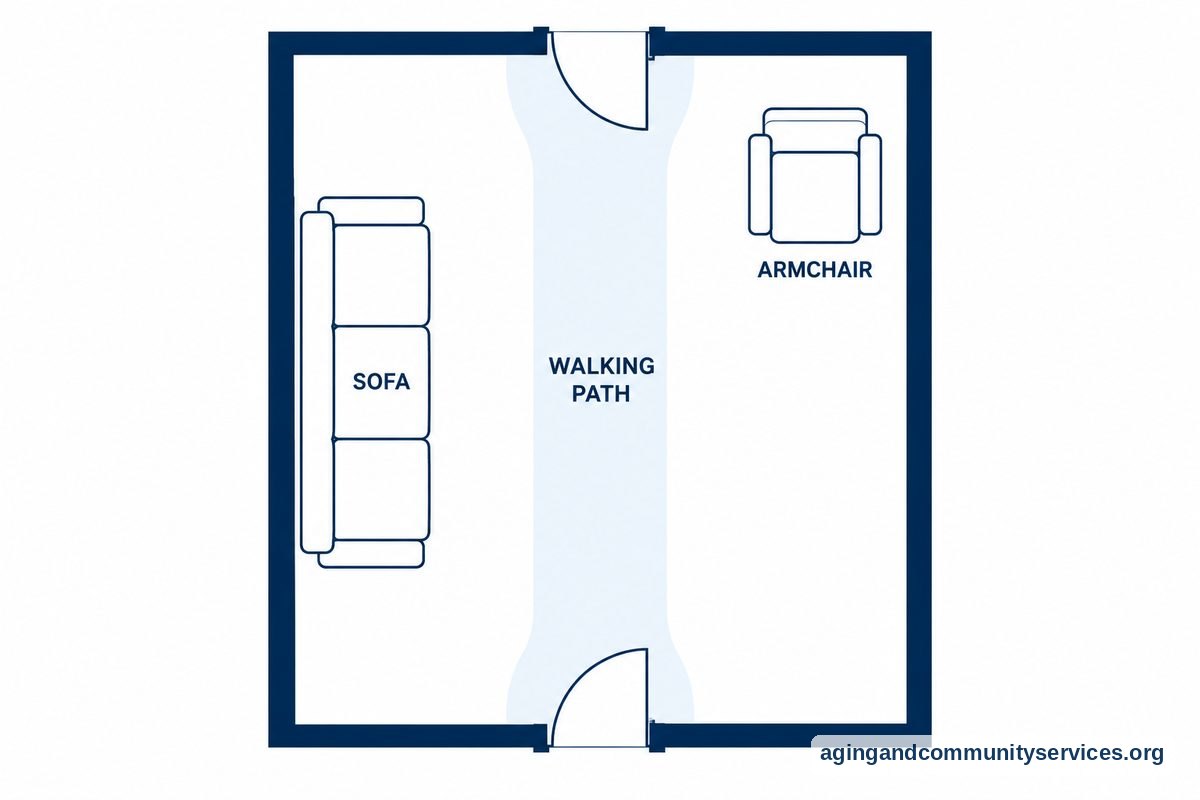
These videos may cover bathrooms, bedrooms, kitchens, stairs, porches, and entryways. They can also show how clutter builds up in normal daily life and how small changes may make walking paths easier to use.
The National Council on Aging notes that falls are often linked to several factors, and its falls prevention facts resource points to practical steps such as talking with health care providers and checking the home environment. A video can help turn those broad steps into visible actions.
Helpful home safety video topics include:
- Where to add brighter light bulbs or night lights
- How to keep commonly used items within easy reach
- How to arrange furniture so walkways stay open
- Why throw rugs, low tables, and loose cords deserve attention
- How to enter and leave the tub or shower with more support
- How to check outdoor steps, rails, and uneven paths
If you prefer a one page reminder, a fall prevention handout can be printed or saved. It can sit on the fridge, in a care folder, or near a calendar.
How Family Members Can Watch And Help
Family members can support video learning without taking over. The goal is to make the video easier to use, not to rush the person or judge how they move. Respect and patience matter.
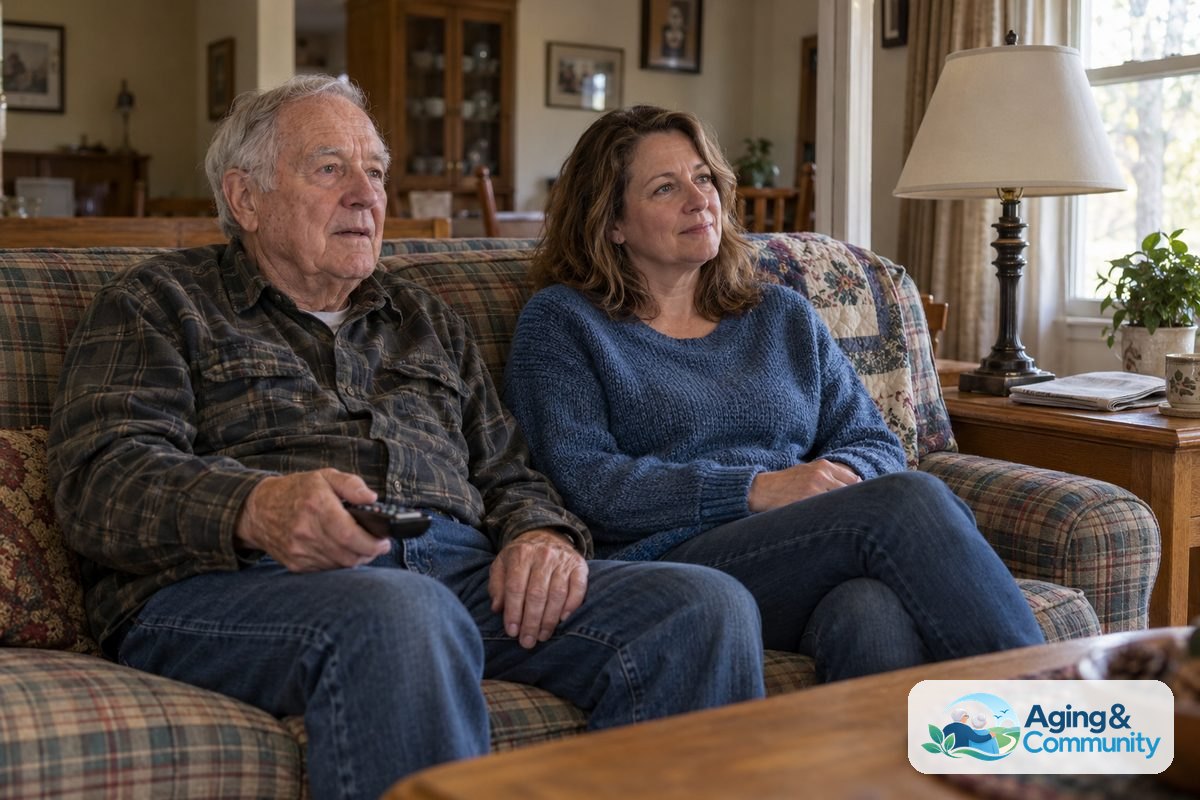
One helpful approach is to watch the video together first. Then pause and talk about what seems useful, what seems hard, and what should be discussed with a doctor, physical therapist, or occupational therapist.
A family member can help by:
- Setting up the screen where it is easy to see
- Turning on captions if they help
- Clearing space before an exercise video starts
- Standing nearby if the person has been advised to have support
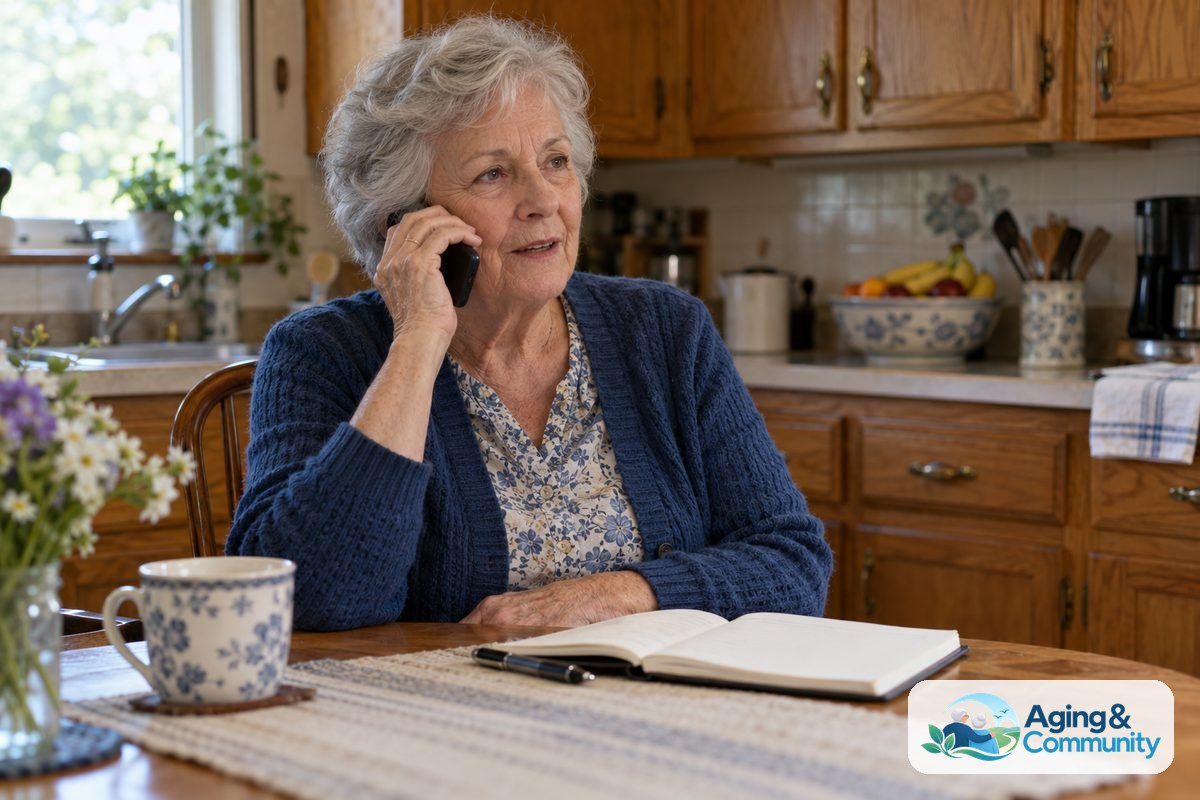
- Writing down questions for the next appointment
- Helping compare advice from a video with guidance from a professional
It is best to avoid saying, you should be able to do this or this is easy. A kinder phrase is, Do you want to pause and talk through that step? This keeps the focus on comfort, choice, and safety.
When A Video Is Not Enough
A video can explain ideas, but it cannot see how a person walks, stands, hears, sees, takes medicine, or moves around the home. That is why personal guidance can be important. A doctor, physical therapist, or occupational therapist can help match advice to the person.
Ask for professional guidance if there has been a recent fall, near fall, new dizziness, sudden weakness, fainting, confusion, foot pain, vision change, or trouble getting up from a chair. It is also useful to ask after a hospital stay or when new medicines are added.
An occupational therapist can often look at daily tasks and home setup. A physical therapist can often look at strength, balance, walking, and how to use support safely. A doctor or pharmacist can review health concerns and medicines.
Local group classes may also help some people stay consistent. If you are comparing video options with in-person support, a guide to fall prevention programs can help you understand what programs may include and what questions to ask.
What You Can Do Next
Start with one clear goal. You do not need to change everything in one day. A small, steady plan is easier to keep.
- Pick one trusted video. Choose a video from a health system, public agency, senior center, or licensed professional.
- Watch before trying. View the whole video first and pause when something is unclear.
- Prepare the space. Move clutter, secure pets in another room, and use a stable chair or counter if needed.
- Start small. Try a short section instead of the full routine.
- Write down questions. Bring them to a doctor, physical therapist, or occupational therapist.
- Make one home change. Add lighting, clear a path, or move often used items to a safer height.
If you want a quick starting point, review simple fall prevention tips and choose one change that feels manageable this week. Small steps can build confidence over time.
Keep the tone gentle. A video should support daily life, not make anyone feel rushed or watched. If a routine feels too hard, pause and ask a professional for a safer fit.
Frequently Asked Questions
What should I look for in fall prevention videos for seniors?
Look for a clear instructor, slow pacing, good lighting, and safety reminders. The video should show the whole movement and offer ways to use support, such as a sturdy chair or counter.
It should also encourage viewers to speak with a doctor, physical therapist, or occupational therapist when needed. Avoid videos that make promises or push intense routines.
Is a fall prevention for seniors video safe to follow at home?
It depends on the person, the video, and the activity. Some videos only explain home safety, while others include exercise. Exercise videos should be chosen with extra care.
If there are health concerns, recent falls, dizziness, pain, or major changes in strength, ask a professional before following the video. It is fine to watch a video for education and save the movement for after getting advice.
What is the difference between a home safety video and an exercise video?
A home safety video shows changes to the living space, such as better lighting, clearer walkways, or safer bathroom setup. An exercise video shows body movements, such as balance or strength practice.
Both can be useful, but they serve different purposes. Many people benefit from combining home changes with professional guidance about movement.
Can fall prevention in seniors video routines replace physical therapy?
No. A video cannot assess a person, adjust movements in real time, or build a plan based on health history. Physical therapists and occupational therapists can give personal guidance that a general video cannot provide.
Videos can still support learning. They may help you remember steps, practice approved movements, or prepare questions for an appointment.
How often should someone watch or use these videos?
There is no single schedule that fits everyone. Some people may watch a home safety video once and use it as a checklist. Others may return to an exercise video if a professional has said the routine fits their needs.
A steady, realistic routine is usually easier than a long session. If the video feels tiring or confusing, pause and ask for help.
Where can I find trustworthy fall prevention videos?
Start with videos from hospitals, public health agencies, senior centers, universities, or licensed therapists. You can also ask a doctor, physical therapist, occupational therapist, or local aging service for suggestions.
Trusted articles from groups such as the National Institute on Aging can help you compare video advice with written guidance. Choose sources that explain limits clearly and do not promise specific results.