

Fall prevention simple tips to prevent falls often start with small changes at home, steady daily habits, and the right support. For older adults, the goal is not to limit life, but to make walking, bathing, dressing, and moving around feel more secure.
A good plan looks at the whole picture: floors, shoes, lighting, medications, vision, strength, and balance. The National Institute on Aging says steps such as exercise, home changes, and health checkups can lower the risk of falls, so it helps to work through the basics one at a time.
Start With the Most Common Fall Risks at Home
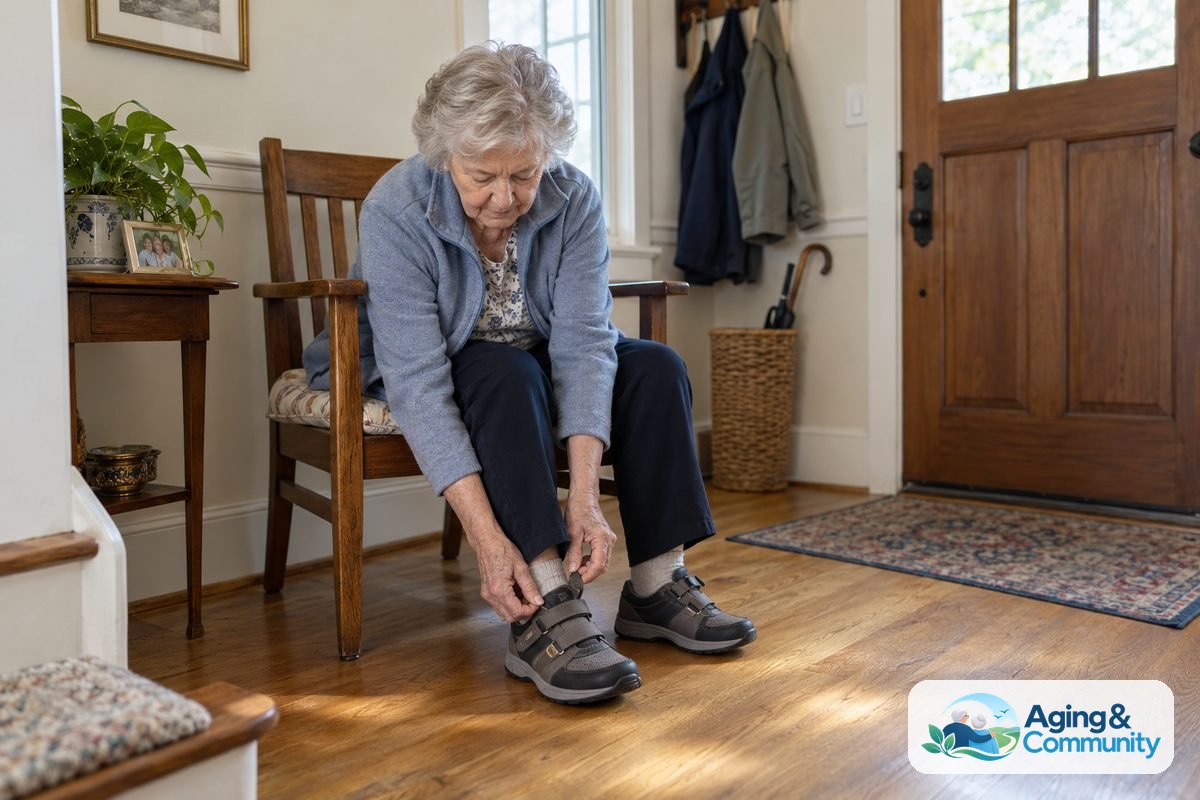
Many falls happen during ordinary moments, such as getting out of bed, walking to the bathroom, reaching for something, or stepping over a rug. A calm walk through the home can show where movement feels awkward or rushed.
Look for anything that catches a foot, blocks a path, or makes someone turn too quickly. If you want a room by room guide, a fall prevention checklist can help you notice details that are easy to miss.
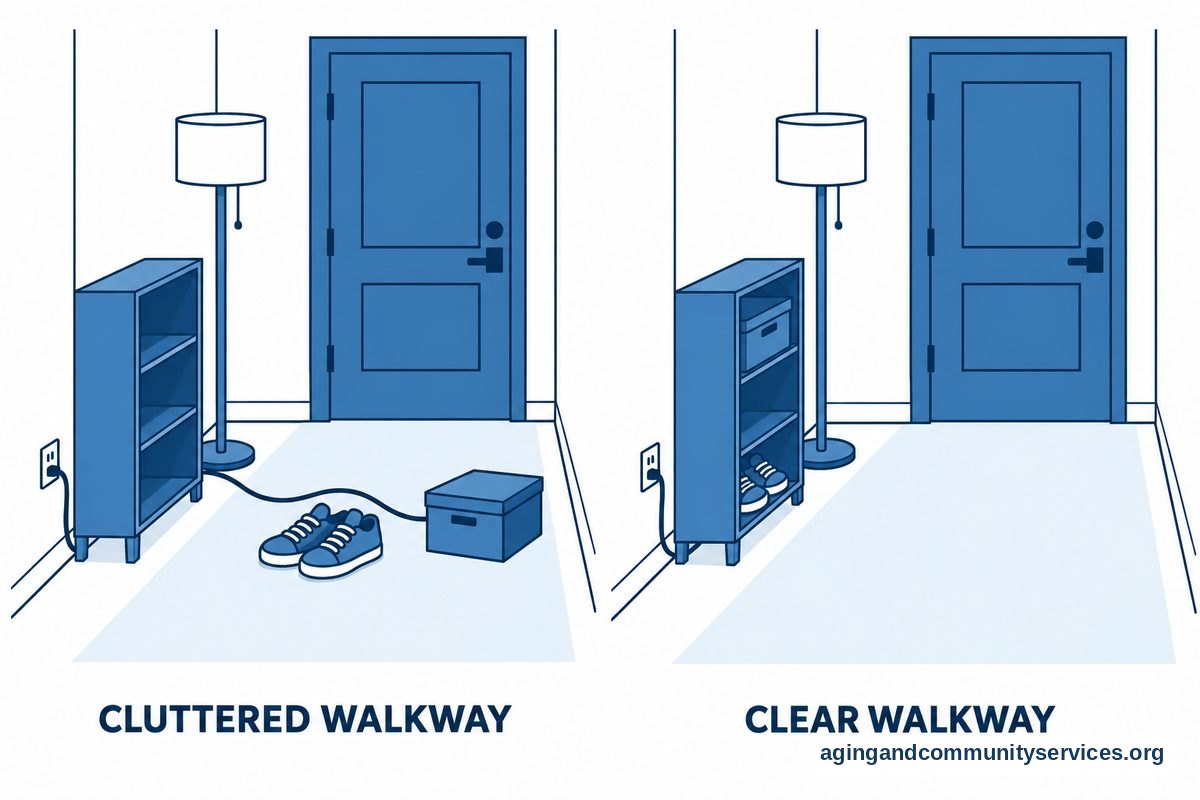
- Clear shoes, bags, cords, pet bowls, and boxes from walking paths.
- Move often used items to waist or shoulder height.
- Keep a sturdy chair near the entry, bedroom, or dressing area.
- Use non slip backing under rugs, or remove rugs that bunch up.
- Keep stairs free of objects, even if they are placed there briefly.
- Make sure handrails are firm and easy to grip.
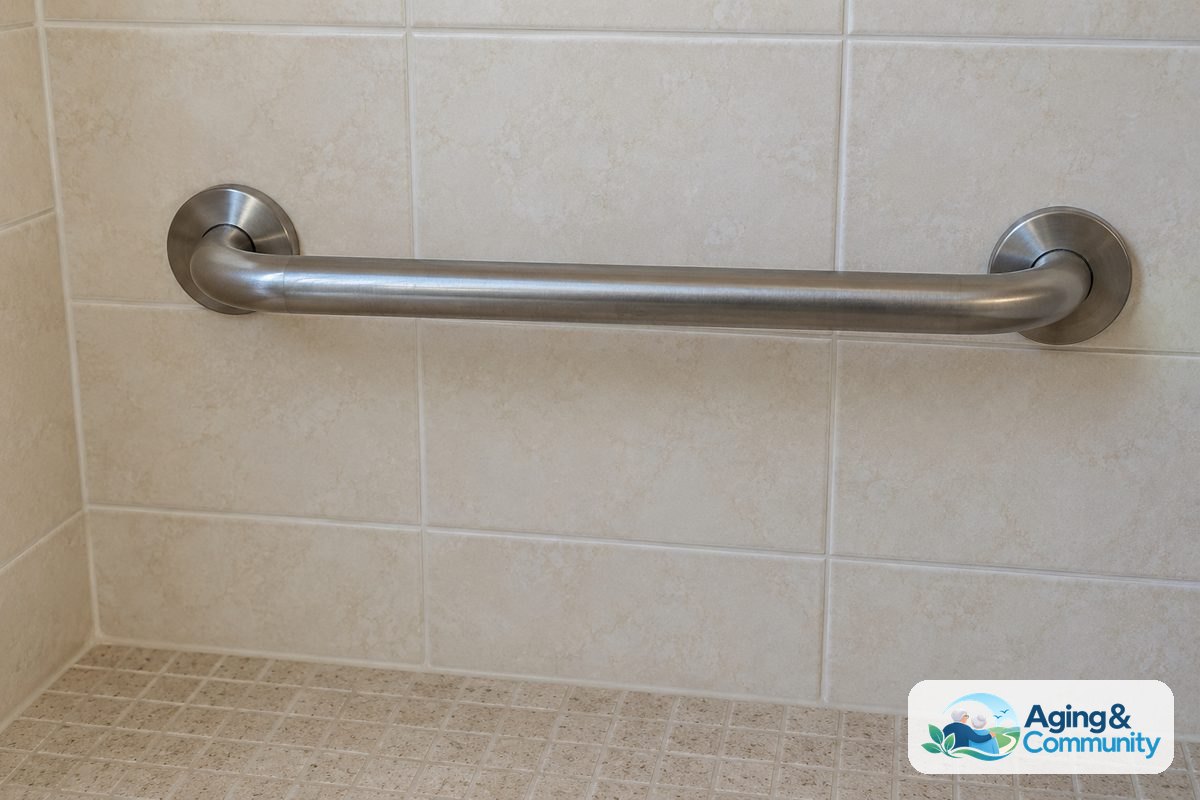
Bathrooms deserve special attention because floors can get wet and movements may be more careful. A grab bar, non slip mat, handheld shower head, or shower chair may help, but it is wise to ask an occupational therapist what fits the person and the space.
Improve Lighting, Footwear, and Daily Setup
Good lighting helps the eyes and feet work together. Dim hallways, shadowed stairs, and dark bedrooms can make it harder to judge distance or see a change in floor level.
Place lamps where they are easy to reach from the bed or favorite chair. Night lights can help along the path to the bathroom, kitchen, and hallway. If light switches are hard to reach, simple plug in lights or motion lights may be useful.
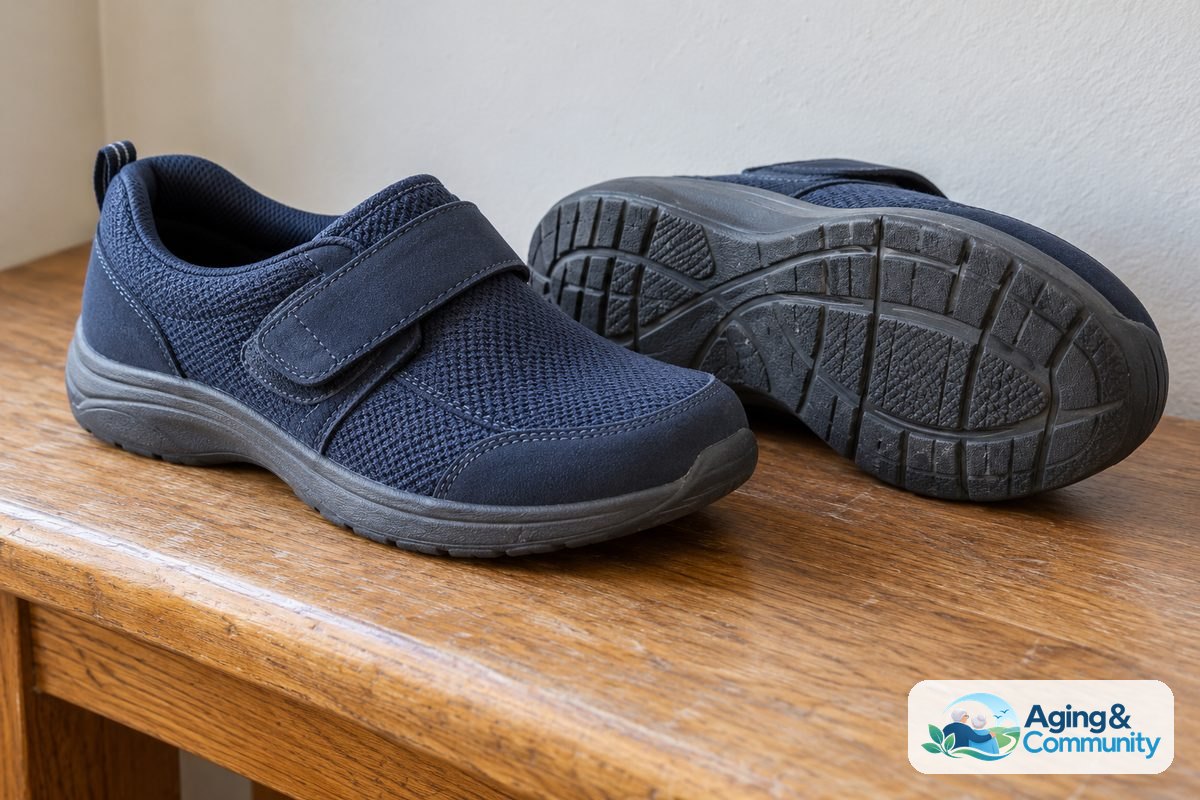
Shoes matter too. Slippers that slide, loose sandals, and socks on smooth floors can make steps less steady. Choose shoes that fit well, have low heels, and have soles that grip without sticking.
Daily setup also lowers rushing. Keep glasses, phone, water, and walking aids within reach before resting. A home safety checklist can make this easier for family members who want to help without taking over.
Build Strength and Balance Safely
Balance and fall prevention exercises for seniors are a common search because people want practical movement they can do at home. Simple balance practice may support steadier movement, but the right choice depends on health, pain, strength, and confidence.
Before starting new exercises, ask a doctor or physical therapist what is safe. This matters even more after a recent fall, dizziness, a new medicine, surgery, or a change in walking.
Common options may include:
- Sit to stand practice from a firm chair.
- Heel raises while holding a counter.
- Slow marching in place near a sturdy surface.
- Side steps along a counter or hallway rail.
- Gentle ankle circles while seated.
- Short walks with rest breaks as needed.
Tai chi is also often mentioned for fall prevention elderly tai chi searches. It uses slow, controlled movements and can be gentle for many people, but it should still match the person’s abilities. A class teacher, physical therapist, or community program can help with safe form and pacing.
If you look up fall prevention exercises for seniors YouTube videos, choose carefully. Look for clear instruction, slow pacing, a chair or counter for support, and reminders to stop if something feels wrong. For a more focused starting point, review fall prevention exercises and then ask a professional which ones fit.
Review Health Factors With a Professional
Some fall risk comes from things that are not visible in the home. Vision changes, foot pain, dizziness, blood pressure changes, sleep problems, and certain medicines can affect steadiness.
Bring up falls, near falls, or fear of falling at regular appointments. It is helpful to describe when it happened, where it happened, what shoes were worn, whether a walking aid was used, and how the person felt just before it happened.
A doctor may review medicines and health concerns. A physical therapist may look at strength, walking, balance, and how to use a cane or walker. An occupational therapist may suggest safer ways to bathe, cook, dress, and move through the home.
Vision and hearing checks also matter. If glasses are out of date, bifocals make stairs hard to see, or hearing loss affects awareness, daily movement can feel less steady. Foot care is important too, especially when pain, numbness, swelling, or toenail problems make walking less comfortable.
The falls and fractures guide from the National Institute on Aging explains several health and home factors to discuss with a clinician.
Use Helpful Products Without Creating Clutter
Helpful equipment should make movement simpler, not more confusing. The right product in the wrong place can become another obstacle, so fit and placement matter.
Common items include grab bars, shower chairs, raised toilet seats, bed rails made for home use, motion lights, non slip mats, reachers, and properly fitted walking aids. Ask a physical therapist or occupational therapist before buying items that affect standing, walking, or transfers.
Think about the task first. If getting up from a low couch is hard, the answer may be a firmer chair, a cushion, or exercise guidance. If carrying laundry is difficult, smaller loads, a rolling cart, or help with stairs may be safer than trying to carry a full basket.
A guide to fall prevention products can help you compare options, but the best choice is the one the person will actually use correctly and consistently.
Make a Simple Fall Prevention List
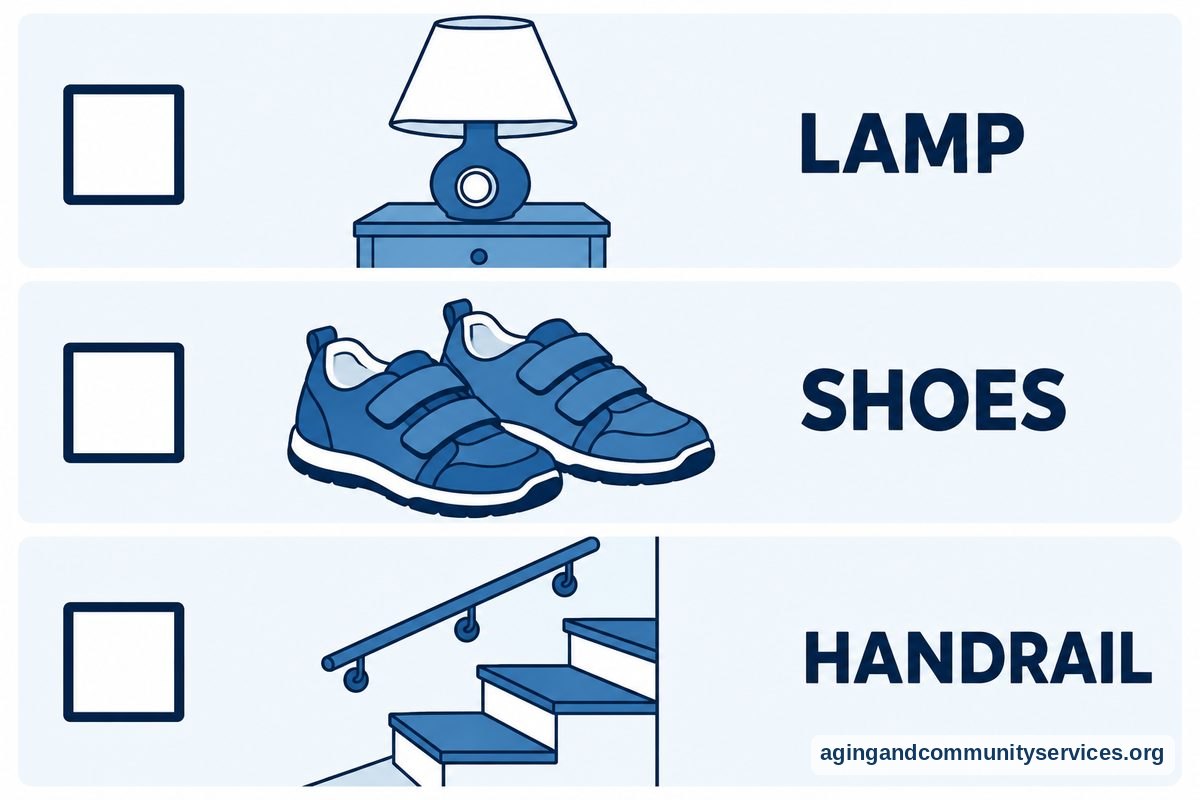
A short fall prevention list works better than a long list no one uses. Keep it visible, simple, and tied to daily routines.
| Area | Simple Action |
|---|---|
| Floors | Keep paths clear and remove loose clutter. |
| Lighting | Use bright lamps and night lights in common paths. |
| Bathroom | Add support where standing, turning, or stepping feels hard. |
| Shoes | Wear well fitting shoes with steady soles. |
| Health | Ask about medicines, vision, dizziness, feet, and balance. |
| Movement | Practice approved strength and balance activities regularly. |
It can also help to ask why a fall or near fall happened without blame. Was the room dark, was the person hurrying, was the floor wet, or was a walking aid out of reach? A guide on why elderly fall can help families talk through common causes in a respectful way.
What You Can Do Next
Start with one small area, such as the bedroom path to the bathroom. Clear the path, improve lighting, place needed items within reach, and watch how the person moves through the space.
Next, make a short note of any concerns to bring to a doctor, physical therapist, or occupational therapist. Include falls, near falls, dizziness, foot pain, vision trouble, new weakness, or fear of walking in certain areas.
If family members are helping, ask before changing furniture or removing items. Familiar layouts can be comforting, and sudden changes may be confusing. Work together so the home feels safer and still feels like home.
Finally, choose one movement goal and one home goal. For example, practice a therapist approved chair exercise most days and add night lights to the hallway. Small steady steps are easier to keep than a large weekend project.
Frequently Asked Questions
What Helps Prevent Falls in Elderly People?
The most helpful steps are usually a mix of home safety, good lighting, supportive shoes, regular movement, and health checkups. The National Institute on Aging says exercise, medication review, vision checks, and safer home setup can lower fall risk.
How to Reduce Risk of Falls in Elderly Adults?
Start by clearing walkways, improving lighting, and removing loose rugs or cords. Then ask a doctor or physical therapist about balance, strength, medicines, dizziness, and walking aids.
What Is a Good Fall Prevention List?
A good list includes clear floors, steady shoes, grab bars where needed, night lights, safe stairs, easy to reach items, and regular health reviews. Keep the list short so it is easy to use.
Does Tai Chi Help With Fall Prevention Elderly Programs?
Tai chi may be part of a fall risk plan because it uses slow balance and weight shifting movements. Ask a doctor, physical therapist, or trained instructor whether it is a good fit.
What Balance Exercise for Seniors Fall Prevention Is Safe?
Safe choices depend on the person’s strength, health, and balance. Many people start with seated ankle movements, sit to stand practice, or supported heel raises, but a physical therapist can guide the safest plan.
How to Prevent Falls in Elderly Patients at Home?
For someone receiving care at home, combine a clear walking path, proper lighting, safe bathroom supports, close review of medicines and symptoms, and professional guidance. Caregivers should report any fall, near fall, dizziness, or sudden change to the care team.