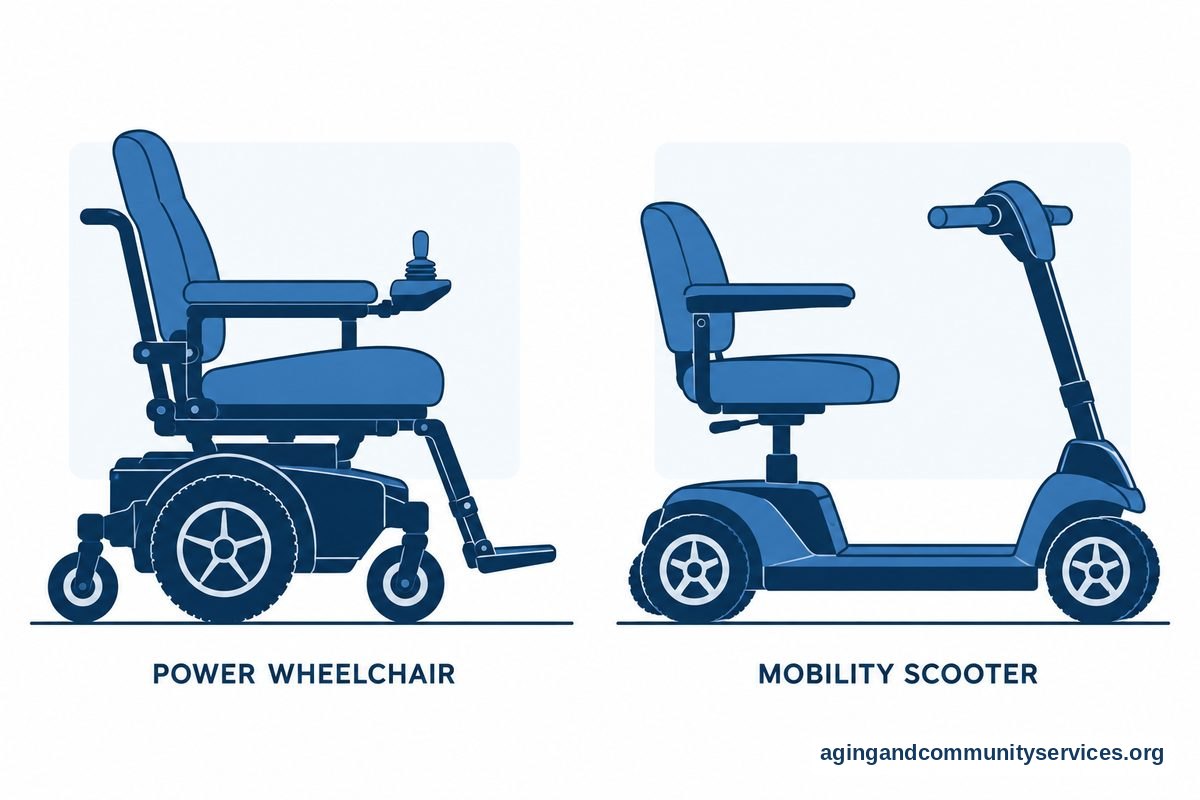
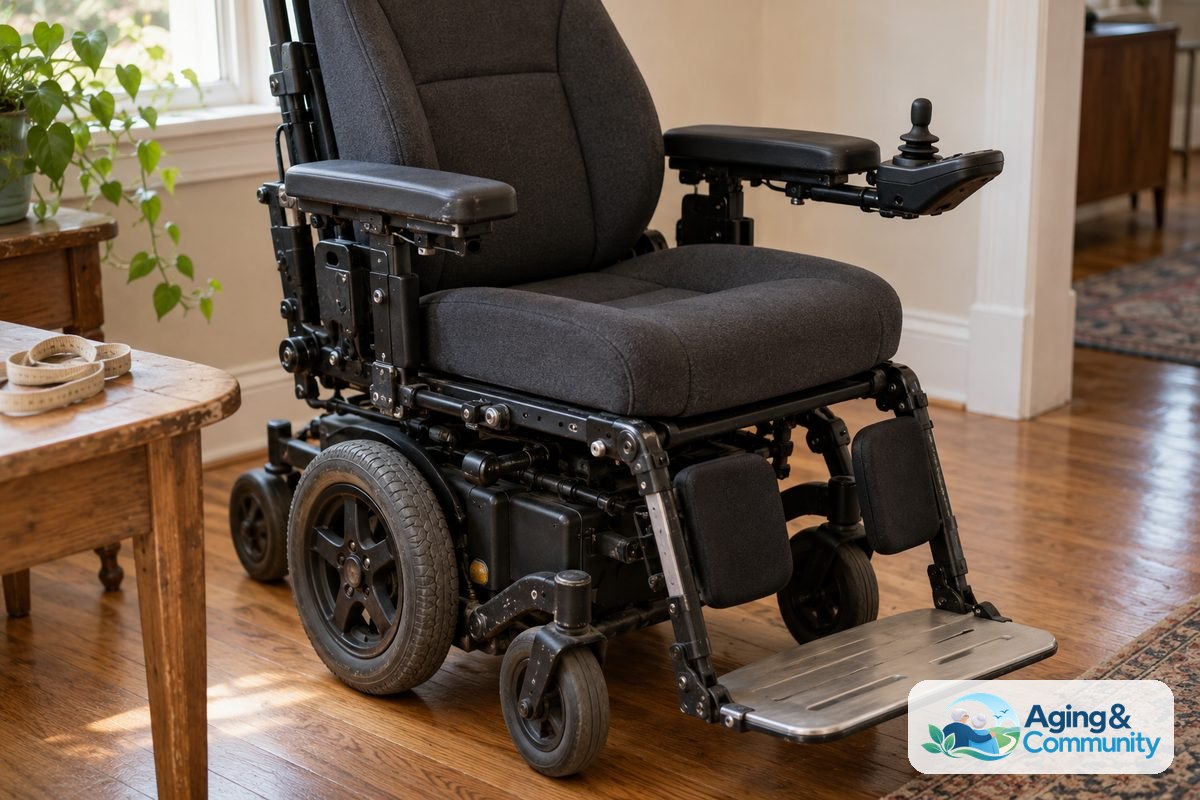
Finding a free electric wheelchair for seniors can feel overwhelming, but several programs help reduce or eliminate the cost. Depending on your health needs and coverage, Medicare, Medicaid, veteran benefits, or local charities may provide power mobility at no out-of-pocket expense. Working with your doctor is the primary way to begin this process.
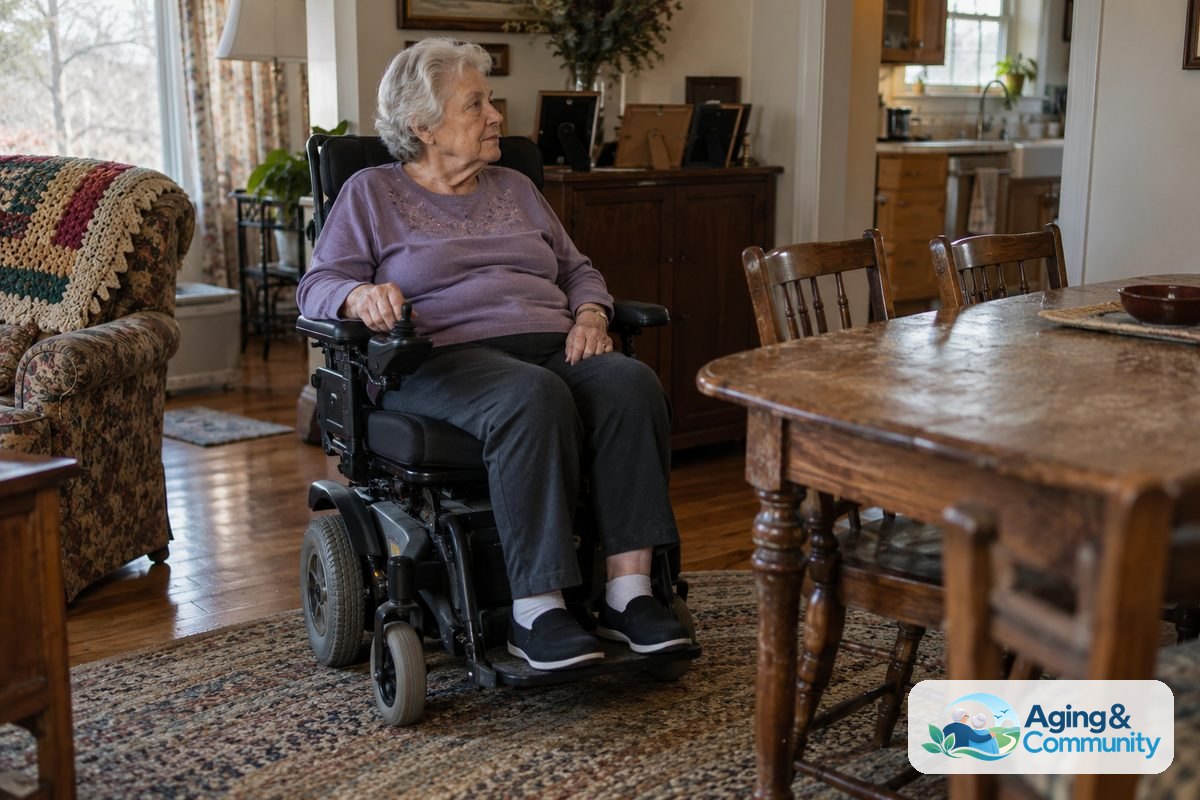
How Medicare Covers Power Wheelchairs
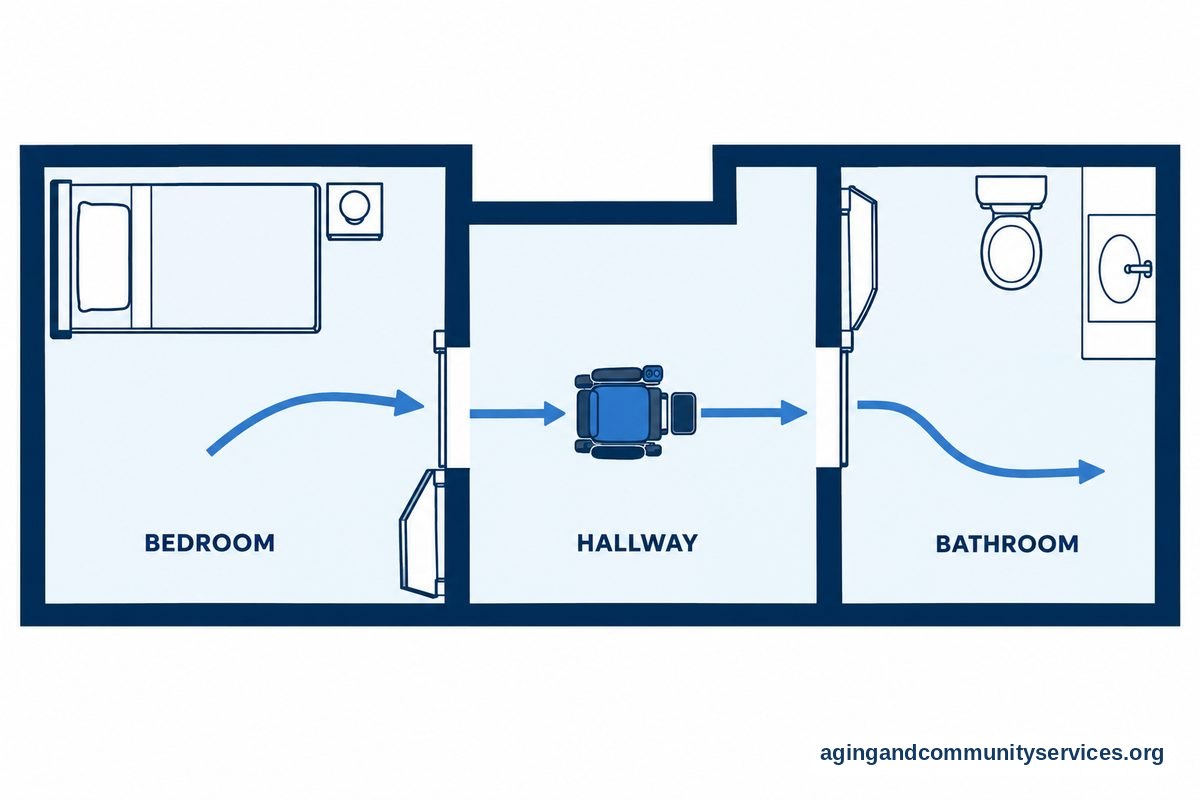
Original Medicare Part B covers power wheelchairs as durable medical equipment when a doctor states they are medically necessary. The equipment must be needed for use inside your home to help with daily tasks like bathing, dressing, or moving between rooms. Equipment used only outdoors is not covered under these rules.
To qualify, Medicare requires an in-person exam with your doctor or treating provider. The doctor must document that you cannot safely use a cane, walker, or manual wheelchair. Both your prescribing doctor and the medical equipment supplier must be enrolled in Medicare. You can learn more about durable medical equipment coverage through Medicare guidelines.
Once you meet your Part B deductible, Medicare generally pays eighty percent of the approved amount, leaving you responsible for the remaining twenty percent. Some equipment is rented while other devices are bought. If you have a Medicare Advantage plan, your plan must offer at least the same coverage as Original Medicare, though it may require prior approval and specific network suppliers.
Medicaid and Dual Coverage Support
Medicaid programs also provide medical equipment for people who qualify based on state guidelines. What is covered and how the process works varies by state. In general, Medicaid focuses on helping people maintain basic mobility and independence at home.
For people who have both Medicare and Medicaid, out-of-pocket costs are often minimal. Medicaid can cover the twenty percent coinsurance that Medicare leaves behind. Under these joint programs, qualifying individuals may receive equipment at little to no cost. Reviewing how do you qualify for a free wheelchair can help you understand the common paperwork and eligibility steps.
Veterans Benefits and Specialty Charities
Eligible veterans can receive mobility equipment directly through the Department of Veterans Affairs. If you receive care through the VA system, your VA doctor or physical therapist can evaluate your mobility needs. The VA supplies manual chairs, power chairs, and maintenance support for approved veterans.
Several nonprofit organizations also assist people living with specific health conditions. Groups supporting people with ALS, muscular dystrophy, or multiple sclerosis often maintain loan programs. Some Easterseals locations also offer device reuse services. Exploring can you get free wheelchairs through charity groups is a useful route if insurance denies your initial request.
State Programs and Community Equipment Closets
Every state and territory operates an Assistive Technology Act program. These programs provide short-term device loans, equipment demonstrations, and reuse programs that pass on refurbished devices. Many of these refurbished electric chairs are given to community members for free or at very low cost through state assistive technology programs.
Local medical equipment loan closets are another practical option. Run by senior centers, churches, Lions Clubs, Rotary clubs, and local hospitals, these closets lend donated items. Inventory changes daily, but they occasionally have power chairs or motorized options. You can explore broader free medical equipment options to see what community resources exist in your area.
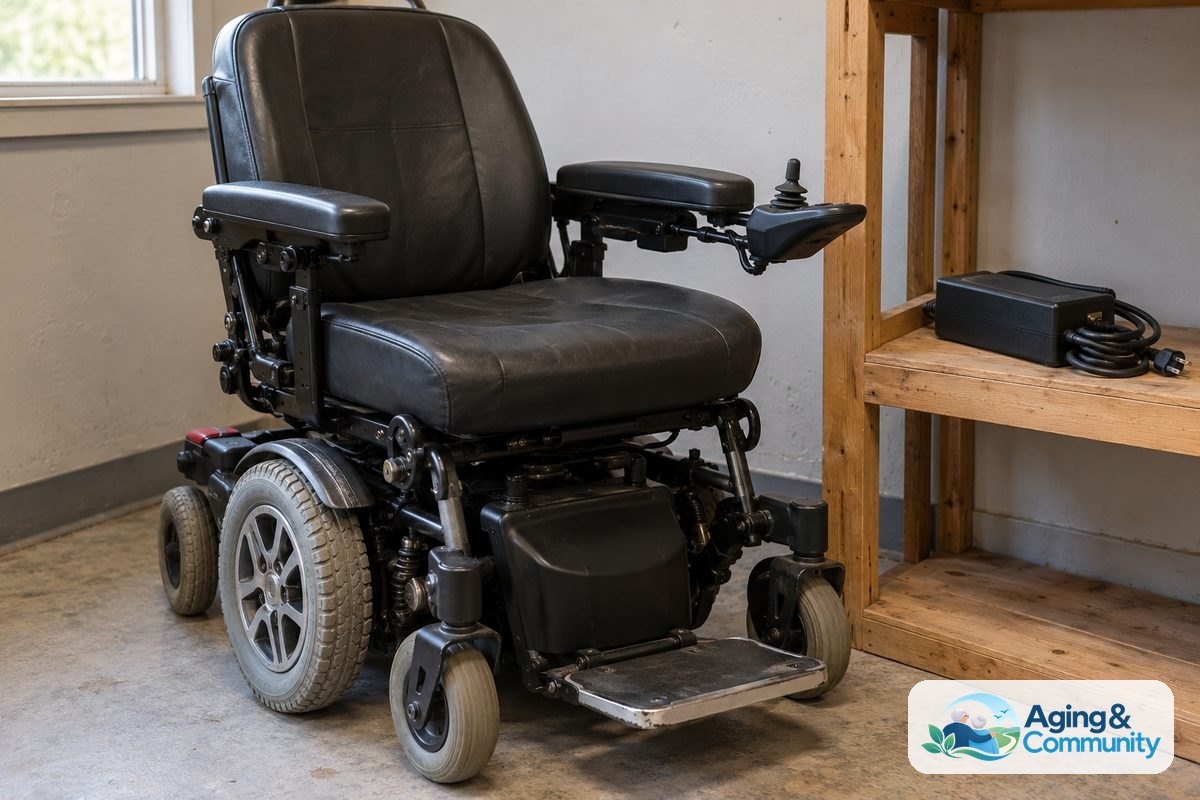
Online community groups like Freecycle and Buy Nothing groups sometimes feature donated mobility items. When accepting pre-owned equipment from neighbors, have a professional inspect the device. A physical therapist or equipment technician should verify the battery health, fit, and weight rating before you use it.
Protecting Yourself from Mobility Scams
Unfortunately, dishonest companies target older adults with misleading offers for free medical items. Legitimate programs never call you out of the blue asking for your Medicare number or Social Security information. Real healthcare providers and suppliers cannot offer free power mobility equipment without an in-person doctor prescription.
Never pay an application fee to apply for a free wheelchair or medical grant. If an advertisement claims anyone can get a power chair with no medical history, walk away. Sharing personal details with unknown callers can compromise your benefits and personal identity.
What You Can Do Next
Taking practical steps today will move you closer to finding the right equipment:
- Make an appointment with your primary care doctor to discuss your mobility inside the home.
- Ask for a referral to an occupational therapist or physical therapist for a seating evaluation.
- Call 211 or contact your local Area Agency on Aging through the Eldercare Locator to ask about local loan closets.
- Check state assistive technology reuse networks to see if refurbished electric chairs are currently available.
- If insurance does not approve a power wheelchair, ask your team whether you might consider other options, such as seeing is mobility scooter covered by medicare.
Frequently Asked Questions
Can seniors get a power wheelchair completely free through Medicare?
Original Medicare Part B usually covers eighty percent of the approved cost after your deductible is met. To get a chair completely free, you generally need supplemental coverage, Medicaid, or help from a charitable loan closet to pay the remaining balance.
What doctor exam is needed for a motorized wheelchair?
Medicare requires a face-to-face examination with your doctor. During this visit, the provider must document that you cannot perform daily activities safely using your hands, a cane, a walker, or a standard manual wheelchair.
Can I get a power wheelchair for outdoor use only?
Medicare and Medicaid do not cover mobility equipment intended solely for outdoor use, convenience, or leisure. The equipment must be necessary for daily activities inside your primary living space.
What should I do if my insurance request is denied?
If your claim is denied, you can appeal the decision with additional medical records from your doctor. You can also contact local loan closets, state assistive technology reuse programs, or explore can you get free mobility scooters through community groups.
Is a power wheelchair the same as a mobility scooter?
Power wheelchairs are steered with a joystick and designed for tight indoor spaces and complex physical support. Scooters use handlebars and require more upper body balance. Reviewing a guide on wheelchair vs mobility scooter differences can help determine which design fits your physical abilities.