

This home safety checklist for dementia patients covers common rooms, daily routines, and simple changes that can make the home easier to navigate. Use it one area at a time, and ask the person what feels comfortable whenever they can take part.
Every home and every person is different. If you are unsure about a change, speak with a doctor, physical therapist, or occupational therapist, especially after a fall, a move, or a change in walking, vision, sleep, or behavior.
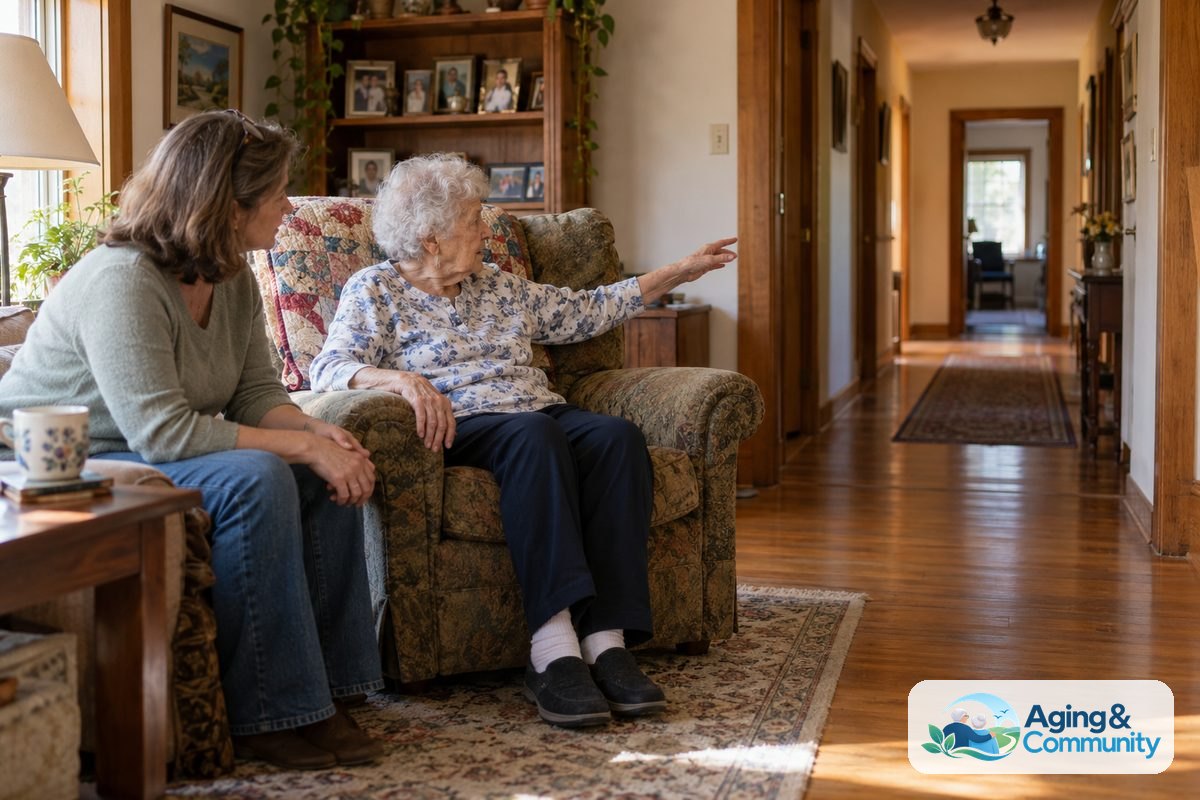
Entryways and Doors
- Check that doorways are well lit inside and outside.
- Add clear house numbers that are easy to see from the street.
- Move shoes, umbrellas, bags, and packages away from walking paths.
- Replace loose mats with secure, low profile rugs or remove them.
- Add a simple sign or photo cue on important doors, such as bathroom or bedroom.
- Check locks to make sure helpers can enter in an emergency.
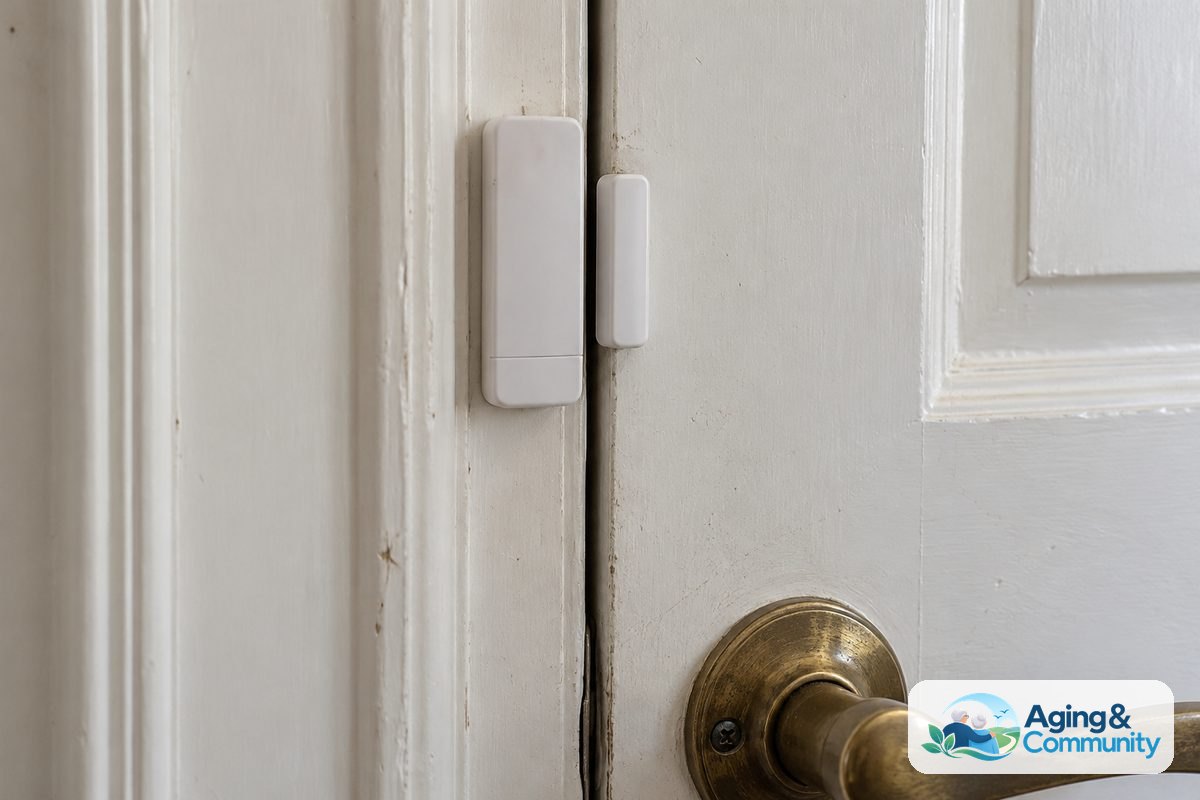
- Add a door alert if the person tends to leave without support, and review options for door alarms for dementia if needed.
Living Room and Hallways
- Check walking paths from chair to bathroom, kitchen, and bedroom.
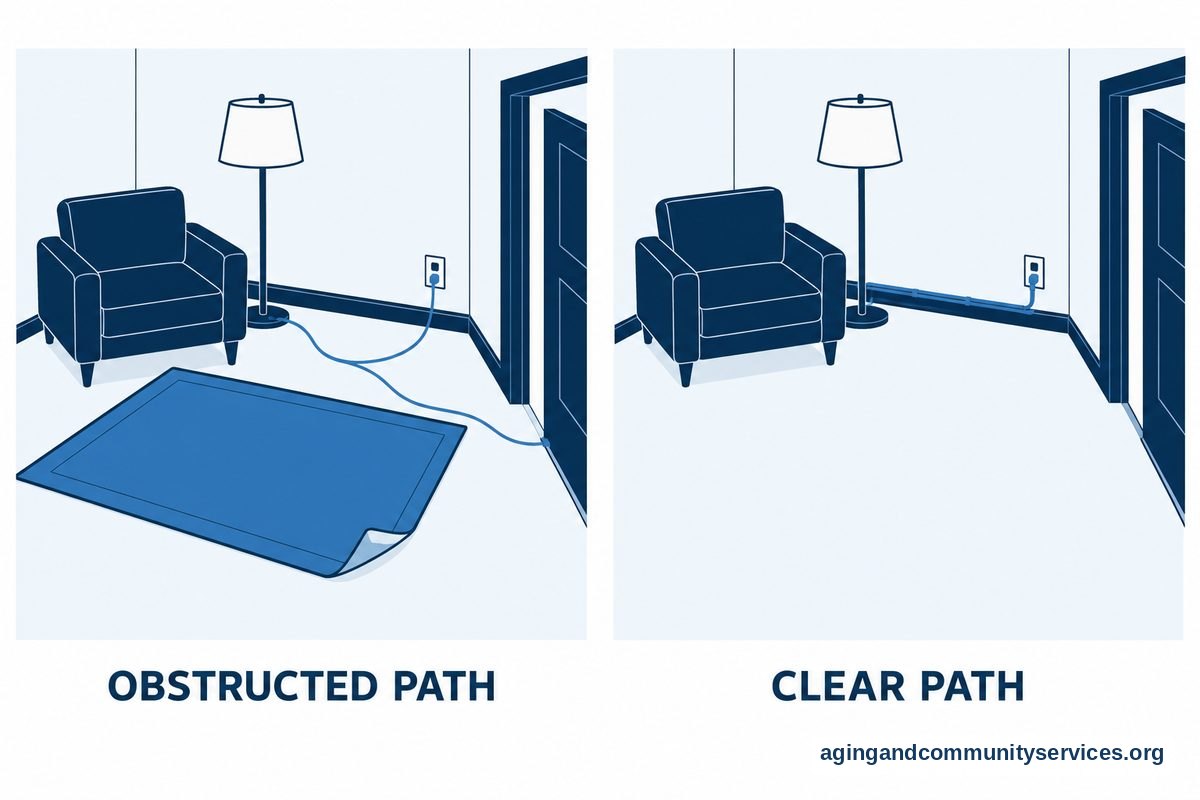
- Move low tables, footstools, cords, and clutter out of main paths.
- Add bright, even lighting in halls, corners, and seating areas.
- Replace unstable chairs with chairs that have arms and a firm seat.
- Check that favorite items are easy to reach without bending or climbing.
- Add contrast where helpful, such as a dark chair against a light wall.
- Move breakable items, sharp decor, and heavy objects from edges of tables.
Kitchen
- Check that food, dishes, and daily supplies are stored in simple, familiar places.
- Move knives, matches, lighters, and cleaning products to a secure location if needed.
- Replace hard to read labels with large print labels or picture labels.
- Add an automatic shutoff device or ask a professional about stove safety options.
- Check the refrigerator for spoiled food on a regular schedule.
- Move heavy pots and pans to waist level so they are easier to handle.
- Replace slippery floor mats with non slip mats or remove them completely.
- Add a clear note near the stove if the person still cooks with help.
Bathroom
- Check the path to the toilet at night and add night lights along the way.
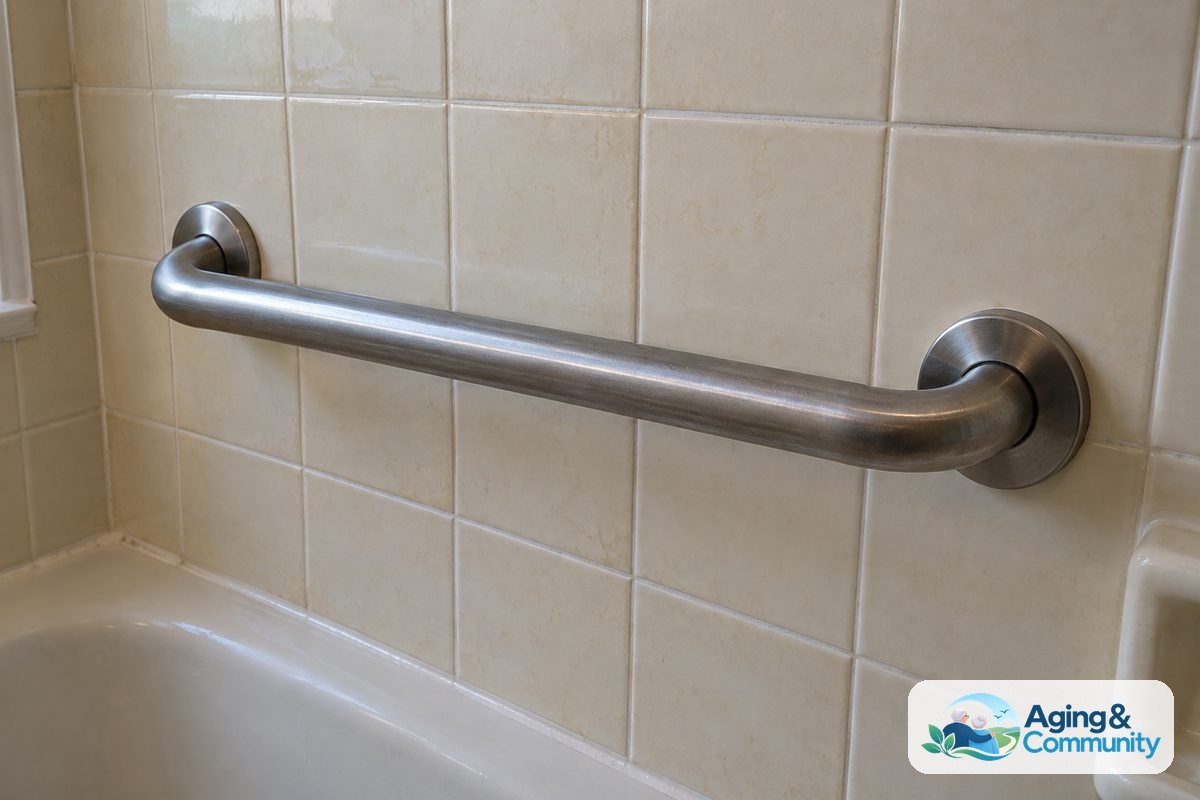
- Add grab bars near the toilet and in the shower or tub.
- Replace towel bars used for support with real grab bars installed securely.
- Move medicines, razors, and cleaning supplies to a secure cabinet if needed.
- Add a non slip mat inside the shower and a secure mat outside it.
- Check water temperature and consider anti scald devices if hot water is a concern.
- Replace hard to turn faucets with easier handles if the person struggles with them.
- Add a shower chair or handheld showerhead after asking a doctor or occupational therapist what fits the person best.
Bedroom
- Check that the bed height allows the person to sit with feet on the floor.
- Add a lamp or touch light within easy reach of the bed.
- Move cords, slippers, laundry, and small rugs away from the bed path.
- Replace unstable bedside tables with a sturdy table that does not tip easily.
- Add a clear path from the bed to the bathroom.
- Check that glasses, hearing aids, water, and needed items have a regular place.
- Add a bed sensor only if it supports the care plan, and compare choices for bed sensor alarm use with comfort in mind.

Stairs and Steps
- Check that every step is even, dry, and free of clutter.
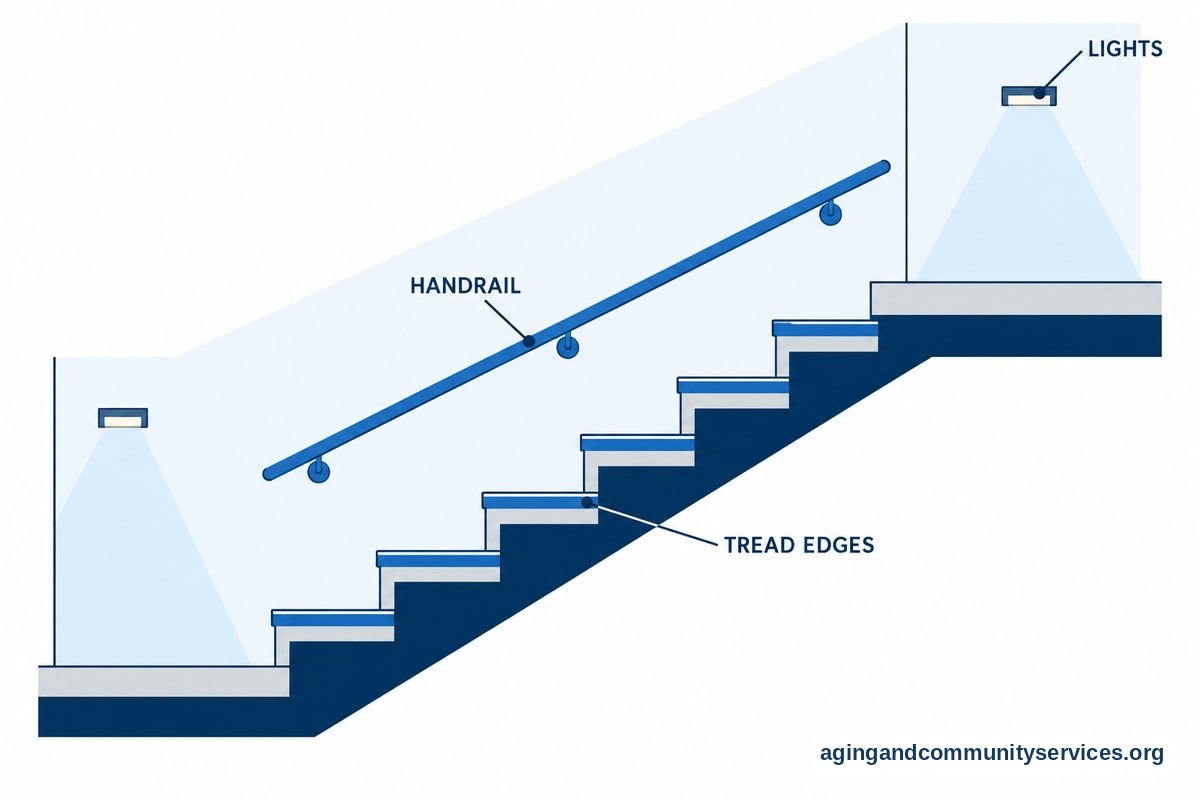
- Add handrails on both sides when possible.
- Replace worn stair treads or loose carpet.
- Add bright lighting at the top and bottom of stairs.
- Move laundry baskets, boxes, and shoes away from stair areas.
- Check that the edge of each step is easy to see.
- Add a gate or door alert only when it is safe and does not block needed exits.
Floors, Rugs, and Fall Risks
- Check each room for uneven flooring, loose boards, and curled rug edges.
- Move cords along walls and secure them so they do not cross walking paths.
- Replace slippery socks or shoes with footwear that fits well and grips the floor.
- Add non slip backing to rugs that must stay in place.
- Move pet bowls, toys, and small furniture out of common paths.
- Check that canes, walkers, or other mobility aids are in good condition.
- Add a fall risk review with a physical therapist if walking or balance has changed, and use a room by room plan for fall safety with dementia.
Lighting and Signs
- Check that light switches are easy to find at room entrances.
- Add night lights in the bedroom, bathroom, hallway, and kitchen.
- Replace burned out bulbs quickly and keep spares in one known place.
- Add simple labels or picture cues for rooms, drawers, and important items.
- Move mirrors if they seem confusing or upsetting to the person.
- Check for glare from windows, shiny floors, or bright lamps.
- Replace busy patterns on floors or walls if they make steps or edges harder to read.
Medicines and Health Supplies
- Check medicines with a pharmacist or doctor to make sure the home list is current.
- Move medicines to one secure place, unless the care plan says otherwise.
- Replace old pill bottles, expired items, and unclear labels after asking a pharmacist how to dispose of them.
- Add a simple medicine schedule for the helper who manages doses.
- Check that oxygen, needles, creams, and other supplies are stored safely if used.
- Move alcohol, cannabis products, and over the counter medicines out of easy reach if confusion is a concern.
- Add emergency information in a visible place for caregivers and responders.
Laundry, Cleaning, and Storage Areas
- Check laundry rooms, basements, garages, and closets for cluttered paths.
- Move detergents, bleach, sprays, and chemicals to a secure cabinet.
- Replace unlabeled bottles with original containers when possible.
- Add labels to storage bins so helpers can find items quickly.
- Move tools, sharp items, paint, and yard chemicals out of reach if needed.
- Check that stairs to basements or garages have strong lighting and handrails.
- Add a lock or alert to storage areas only if it supports safety without causing distress.
Outdoor Areas and Going Out
- Check sidewalks, porches, ramps, and steps for cracks, leaves, ice, or loose boards.
- Add railings, lighting, and clear paths from the door to the car or mailbox.
- Move hoses, planters, tools, and outdoor furniture away from walkways.
- Replace loose outdoor mats with secure, low profile mats.
- Add identification inside a wallet, bag, or clothing if the person may need help away from home.
- Check that neighbors or trusted nearby contacts know who to call if the person seems lost.
- Add location support only after thinking through privacy, comfort, and need, and compare GPS trackers for dementia if wandering is a concern.
Fire, Heat, and Emergency Planning
- Check smoke alarms and carbon monoxide alarms on a regular schedule.
- Add easy to read emergency contacts near the main phone or care notebook.
- Move space heaters away from curtains, bedding, and furniture.
- Replace frayed cords, overloaded power strips, and damaged plugs.
- Check that exits are not blocked by furniture, storage, or locked barriers.
- Add a simple emergency plan that helpers can follow during storms, outages, or evacuations.
- Check guidance from the National Institute on Aging, which says home safety steps can lower the risk of accidents for people with Alzheimer’s disease and related dementias.
Communication and Caregiver Setup
- Check that family members and helpers use the same safety plan.
- Add a care notebook for routines, contacts, medicines, and recent changes.
- Move important papers to one known place that the main helper can access.
- Replace long written instructions with short steps and clear labels.
- Add phone numbers for doctors, pharmacy, nearby family, and local support.
- Check local services through the Eldercare Locator if you need help finding community support.
- Add a fuller room by room review using home safety for dementia when the home setup changes.
How to Use This Checklist
Walk through the home at a calm time of day, not during a rushed or stressful moment. Bring the person with dementia into the process when it feels respectful and useful, and use simple choices instead of long explanations.
Start with the areas used most often, such as the bedroom, bathroom, kitchen, and main walking paths. Then look at doors, stairs, storage areas, and outdoor spaces. If more than one helper is involved, choose one person to write down changes so the plan stays clear.
Review the checklist when the person moves, returns from a hospital or rehab stay, starts using a cane or walker, has a fall, or seems more confused in a familiar space. A monthly walkthrough is also helpful for many households because clutter, lighting, and routines change over time.
Ask a doctor, physical therapist, or occupational therapist for guidance if you are unsure about grab bars, shower chairs, bed height, walking aids, or changes after a fall. These professionals can help match safety changes to the person’s abilities and habits.
Frequently Asked Questions
What Is the Most Important Home Safety Step for Dementia?
The most important step is to make the home easier to understand and move through. Clear paths, good lighting, secure bathrooms, and fewer hazards often make daily care smoother.
Focus first on places where the person walks every day. The bedroom to bathroom path, kitchen, stairs, and entry doors are common starting points.
How Often Should I Review a Dementia Home Safety Checklist?
Review it at least once a month and any time routines change. You should also review it after a fall, a new medicine routine, a move, or a change in sleep, walking, or judgment.
A quick weekly scan can help with small issues like clutter, loose rugs, burned out bulbs, or food that needs to be removed. A deeper review can be done with another family member or caregiver.
Should I Remove Rugs for Someone With Dementia?
Loose rugs can be a trip risk, especially in hallways, bathrooms, and near the bed. If a rug slides, curls, or blends into the floor in a confusing way, remove it or secure it well.
Some rugs help a room feel familiar, so the choice should be practical and respectful. If balance is changing, ask a physical therapist or occupational therapist for advice.
Are Door Alarms Helpful for Dementia Safety?
Door alarms can be helpful when a person may leave the home without support. They work best as one part of a larger plan that includes calm routines, safe exits, identification, and trusted contacts.
Choose alerts that fit the household and do not create constant stress. If the person becomes upset by an alarm, talk with a care professional about other options.
What Should I Do If the Person Refuses Safety Changes?
Start small and avoid turning every change into a debate. Try one change at a time, such as better lighting or moving clutter, and explain it in simple, practical terms.
It may help to connect the change to comfort instead of risk. For example, say, “This light will make the hallway easier to see,” rather than giving a long warning.
Who Can Help Make a Home Safer for Dementia Care?
Family caregivers, home care aides, doctors, physical therapists, and occupational therapists can all help in different ways. An occupational therapist can often suggest practical changes for bathing, dressing, walking paths, and daily routines.
If you need local support, ask the person’s medical office, local aging services, or community groups for referrals. Keep notes from each visit so all helpers follow the same plan.