

Home safety equipment for seniors includes simple tools and changes that make daily routines easier, steadier, and more comfortable. The most useful items often include grab bars, better lighting, non-slip surfaces, alert devices, smoke alarms, and safer storage in busy rooms.
A good plan starts with the person, the home, and the tasks that feel hardest. Some products are helpful for many homes, but the right choices depend on the layout, habits, strength, vision, hearing, and support nearby.
Start With the Main Safety Needs at Home
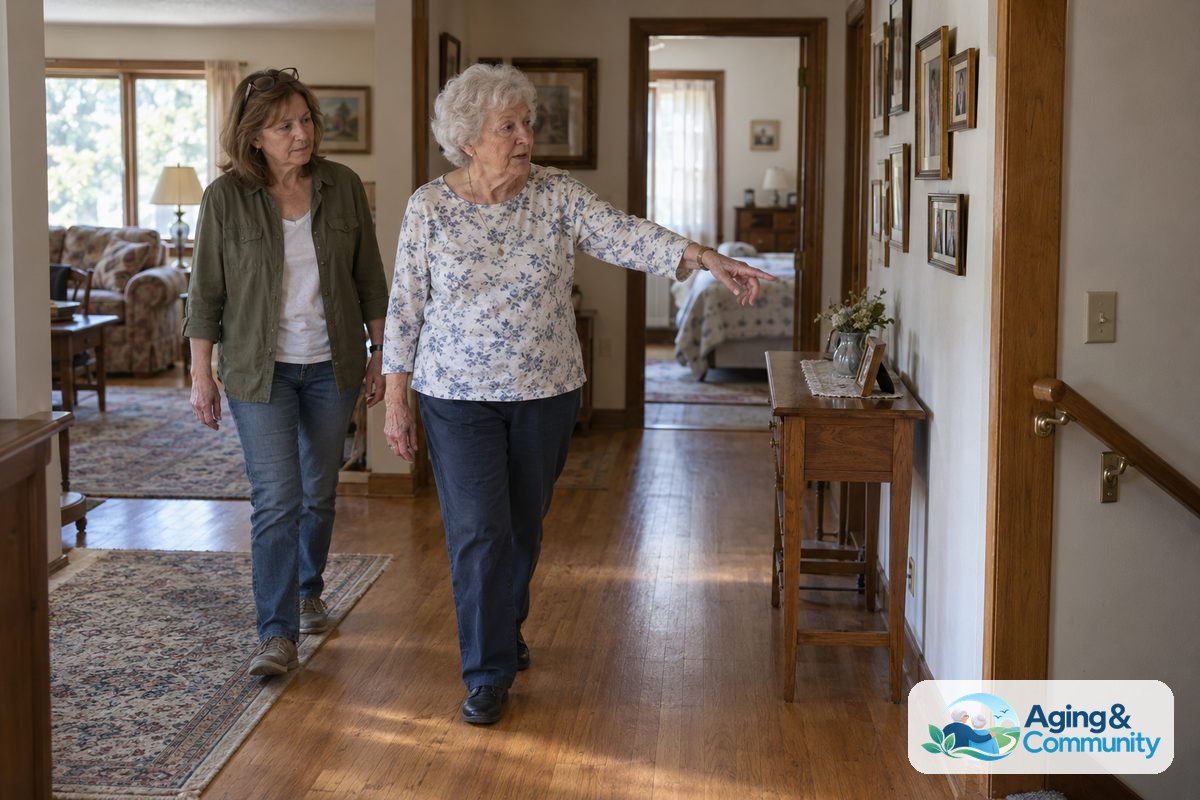
Before buying anything, walk through the home slowly during the day and again in the evening. Look for places where someone reaches for furniture, avoids a room, bumps into items, or has trouble seeing steps and edges.
The National Institute on Aging says that checking the home and making changes can lower the risk of falls, and its falls safety guidance is a useful place to start. If balance, walking, vision, dizziness, or medicine side effects are concerns, speak with a doctor, physical therapist, or occupational therapist.
For a room-by-room review, a home safety checklist can help families notice small hazards that are easy to miss. These might include loose rugs, dim bulbs, cords across walkways, slippery tubs, crowded counters, or items stored too high.
Common goals for home safety items include:
- Making walking paths clear and easy to see
- Adding stable hand support in places where people stand, turn, or step
- Keeping everyday items within easy reach
- Making bathrooms, kitchens, stairs, and entries easier to use
- Helping someone call for help if they cannot reach a phone
- Reducing confusion with simple labels, lighting, and routines
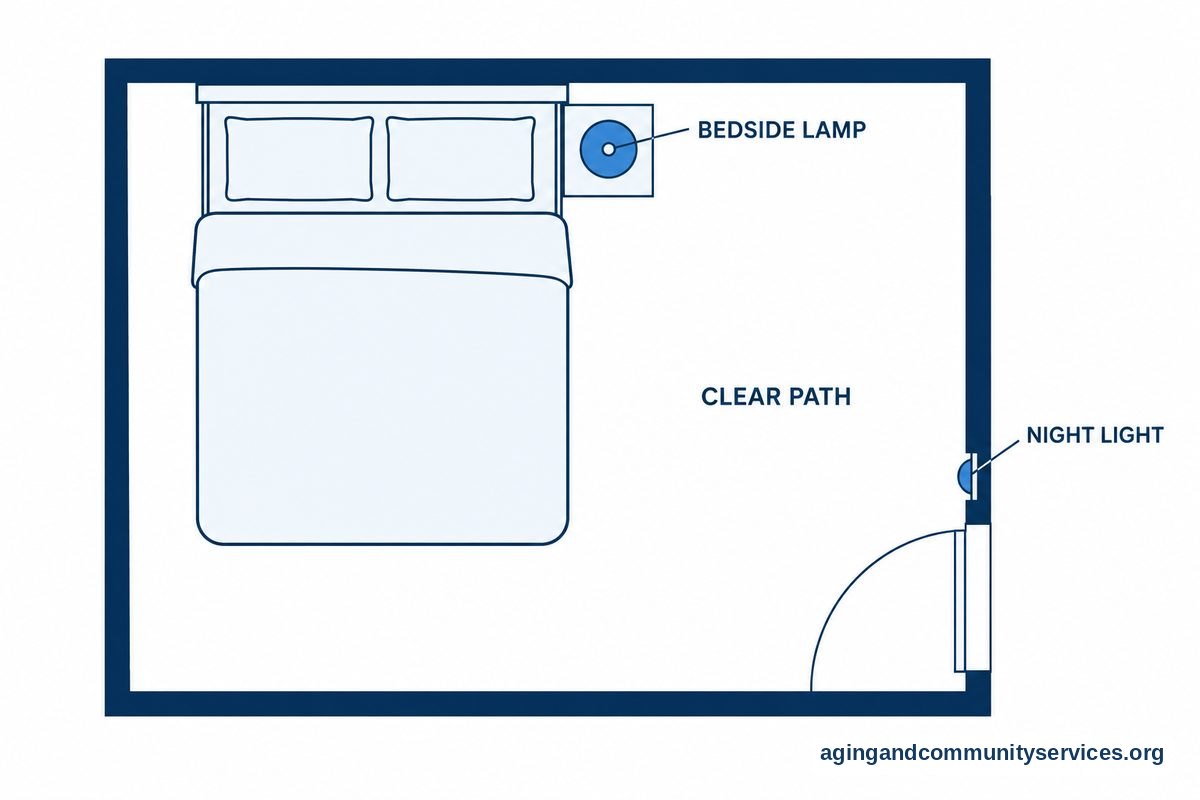
Try to solve the daily problem, not just buy a product. For example, if someone feels unsteady getting out of bed at night, the answer may be a bed rail, a lamp within reach, a clear path, night lights, and shoes with secure soles.
Bathroom Safety Equipment That Helps With Daily Routines
The bathroom is one of the first places to review because it has water, hard surfaces, and tight spaces. Good bathroom safety equipment should add support without making the room harder to move through.
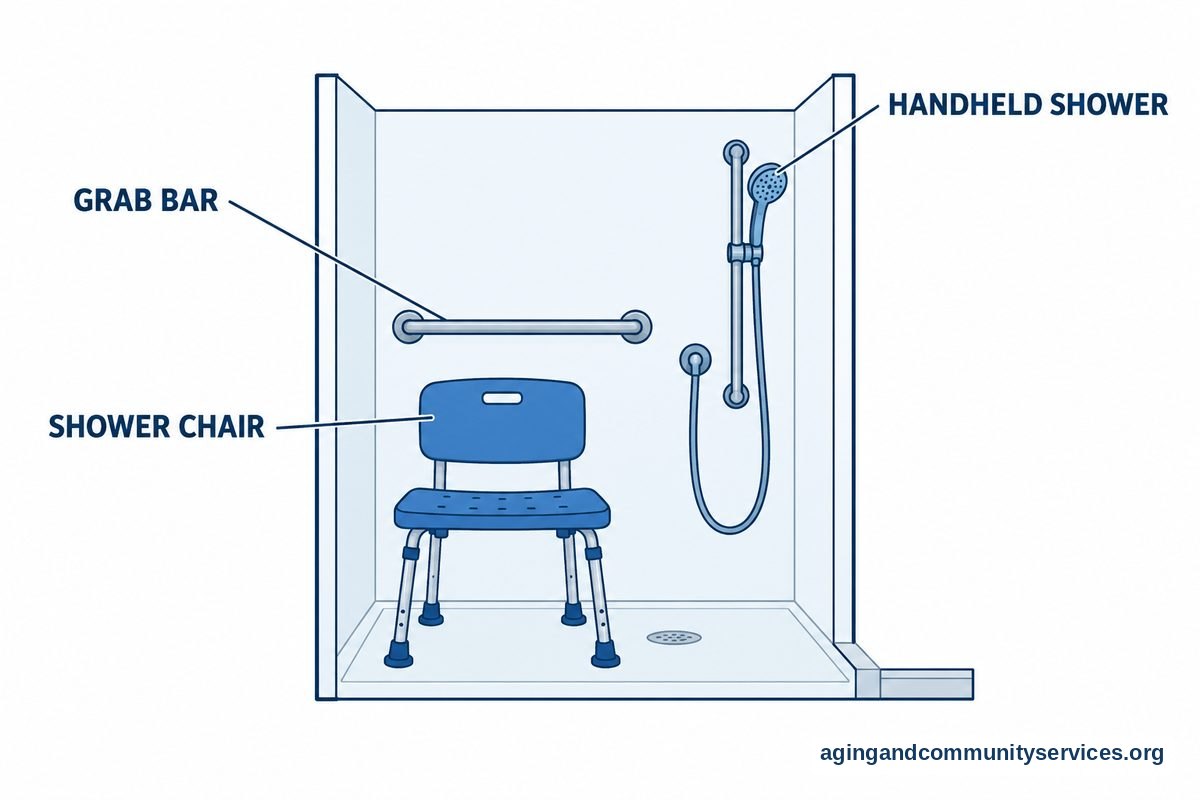
Grab bars are often more reliable than towel bars or sink edges because they are made to hold weight when installed correctly. They can be placed near the toilet, inside the shower, and at the tub entry. Installation matters, so use the right wall anchors or have a qualified person install them into solid support.
Other useful bathroom safety devices for elderly people at home may include:
- A non-slip bath mat inside the tub or shower
- A shower chair or transfer bench
- A handheld shower head
- A raised toilet seat or toilet safety frame
- Non-slip flooring or secure rugs with rubber backing
- Easy-to-reach shelves for soap, towels, and grooming items
If bathing feels tiring or unsafe, review bathroom safety equipment options and ask an occupational therapist what setup fits the person and room. The right choice can depend on tub height, doorway width, arm strength, and whether a caregiver helps.
Keep the setup simple. Too many loose stools, baskets, or hanging caddies can create more clutter. The safest bathroom layout is usually clear, bright, and easy to understand at a glance.
Kitchen, Fire, and Everyday Safety Products
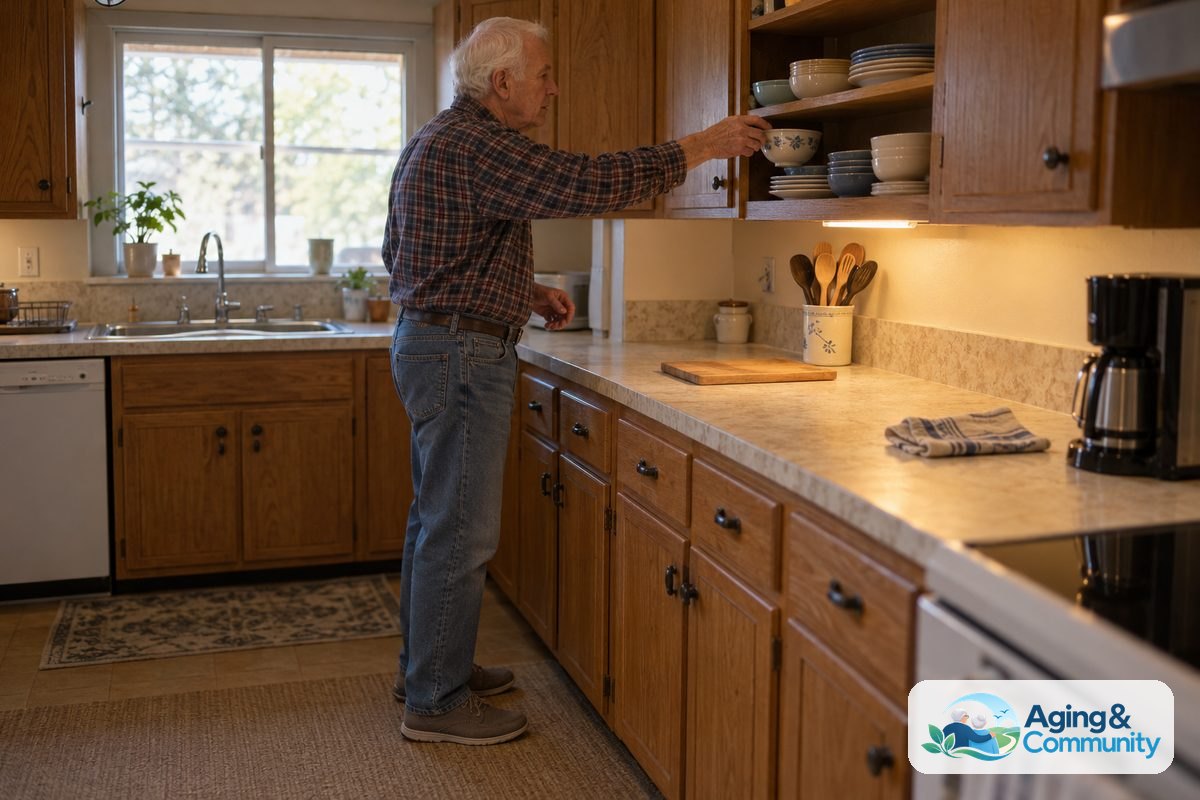
The kitchen should be arranged so the most used items are between shoulder and waist height. Heavy pans, plates, and small appliances should not require climbing, stretching, or bending deeply.
Helpful kitchen safety products for seniors at home can include:
- Automatic shutoff small appliances
- Easy-grip utensils and jar openers
- Bright task lighting over counters and the stove
- Non-slip mats that lie flat and do not curl
- A reacher tool for light items on lower or higher shelves
- Large-print labels for pantry items and controls
For more room-specific ideas, a guide to kitchen safety can help families plan storage, lighting, and cooking routines. If memory changes or missed steps are a concern, speak with a doctor or occupational therapist about safe cooking options.
Fire safety equipment should be checked as part of the same home review. Working smoke alarms and carbon monoxide alarms belong on each level of the home and near sleeping areas, following local guidance and the product instructions.
Some homes may also benefit from stove knob covers, induction cooktops, visible timer reminders, and easy-to-use fire extinguishers placed where they can be reached. A fire safety plan should also include clear exits, working locks that open from the inside, and a simple plan for what to do if an alarm sounds.
Fall-Safety Items for Floors, Stairs, and Bedrooms
Many safety devices for seniors at home are not complicated. Often, the biggest improvement comes from better lighting, fewer trip hazards, and steady support at common transition points.
Start with walking paths. Remove loose cords, stacks of papers, curled rugs, and small furniture that narrows the path. If rugs stay in place, use non-slip backing and make sure the edges are flat.
Useful items for floors, stairs, and bedrooms include:
- Night lights in halls, bathrooms, and bedrooms
- Motion-sensor lights near beds and entryways
- Handrails on both sides of stairs when possible
- High-contrast tape on step edges, if it helps visibility
- A sturdy chair with arms for dressing
- A bed rail or transfer pole, if recommended for the person
Footwear also matters. Shoes or slippers should fit well, have backs, and provide traction. Socks alone can be slippery on tile, wood, or smooth flooring.
If falling has already happened, or if someone is holding walls or furniture while walking, it is wise to ask a doctor or physical therapist for a mobility review. A fall prevention checklist can help organize changes, but it should not replace professional advice when walking or balance feels uncertain.
Devices for People Living Alone
Devices for elderly living alone are most helpful when they match the person’s routine and comfort level. A device that is hard to charge, wear, hear, or understand may sit unused, even if it has good features.
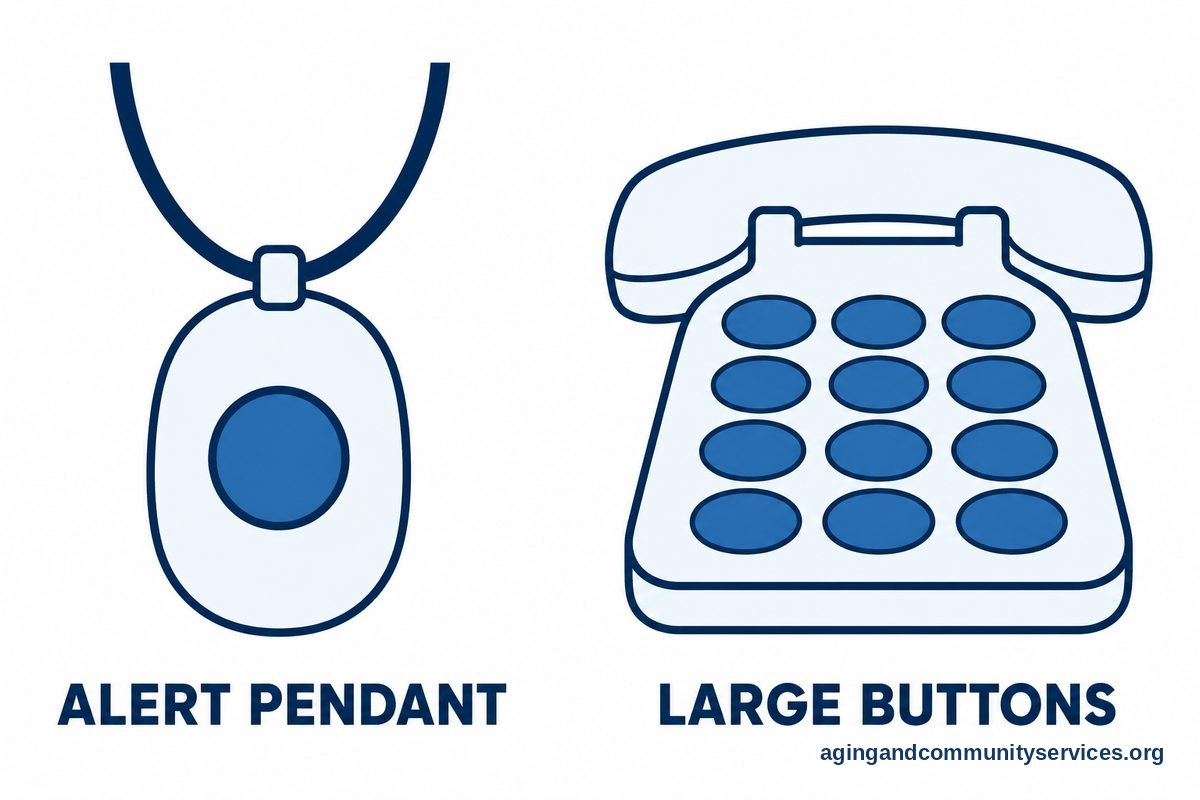
Common devices for seniors living alone include:
- Wearable alert buttons
- Voice-activated speakers or phones
- Medication reminder devices
- Doorbell cameras or basic entry cameras
- Motion-sensor lights
- Large-button phones with saved contacts
- Smart plugs for lamps and small devices
An alert device can be useful if the person may not be able to reach a phone after a fall or sudden problem. Look at how it works inside and outside the home, how it charges, whether it needs a monthly service, and whether the person will wear it.
For a person who does not like wearable devices, other choices may work better. A phone in each main room, voice calling, or a daily check-in plan with family, friends, or neighbors may feel more natural.
The National Institute on Aging’s aging in place information explains that planning for home life includes safety, support, transportation, and daily needs. Equipment is only one part of the plan.
How to Choose Home Safety Items Without Overbuying
It is easy to buy more than the home needs. A better approach is to choose a few safety products that solve clear problems and then see how they work in daily life.
Use this simple process:
- Pick one room or routine that feels most difficult.
- Write down the exact task that is hard, such as stepping into the tub or reaching a high shelf.
- Remove simple hazards first, such as clutter, loose rugs, or dim bulbs.
- Add one support item, such as a grab bar, shower chair, rail, or light.
- Watch whether the change is actually used and feels comfortable.
- Ask a professional when the choice affects walking, transfers, bathing, or stairs.
Comfort and dignity matter. The person using the equipment should help choose it when possible. Ask what feels helpful, what feels awkward, and what they are willing to use every day.
Also check fit and installation. A raised toilet seat that is too high, a grab bar in the wrong place, or a cluttered device setup can create new problems. Read instructions, follow weight limits, and get help with installation when needed.
| Area | Helpful Equipment | What to Check |
|---|---|---|
| Bathroom | Grab bars, shower chair, non-slip mat | Secure installation and clear floor space |
| Bedroom | Night light, bed rail, phone nearby | Easy reach from bed and a clear path |
| Stairs | Handrails, bright lighting, visible step edges | Loose carpet, clutter, and burned-out bulbs |
| Kitchen | Task lights, easy-grip tools, safer storage | Heavy items stored too high or too low |
| Whole home | Smoke alarms, alert device, clear walkways | Regular testing and simple daily use |

What You Can Do Next
Start with a calm walk-through of the home. Bring a notebook or use a phone to list rooms, tasks, and items that need attention. Focus first on places used every day, such as the bathroom, bedroom, kitchen, stairs, and main entry.
Choose one or two changes that are simple and likely to be used. Replace dim bulbs, clear walkways, secure loose rugs, add night lights, or move everyday items to easier shelves. These steps often make the home feel easier before any major purchase.
If you are unsure what equipment fits, ask for help. A doctor, physical therapist, or occupational therapist can offer guidance based on mobility, strength, vision, and daily routines. Local aging services may also help families find home support and safety resources.
Keep the conversation respectful. Ask, “What would make this easier?” rather than “Why are you not using this?” A safety plan works better when it supports independence, comfort, and the way the person already lives.
Frequently Asked Questions
What is the most useful home safety equipment for elderly people?
The most useful equipment depends on the home and the person, but common choices include grab bars, non-slip mats, good lighting, smoke alarms, handrails, shower chairs, and easy-to-reach phones. Start with the rooms used most often and the tasks that feel least steady.
Which home safety devices for seniors are helpful at night?
Helpful night items include motion-sensor lights, bedside lamps within reach, night lights in halls and bathrooms, a phone near the bed, and clear walking paths. Shoes or slippers with backs can also help if someone gets up during the night.
What safety devices for elderly at home help in the bathroom?
Bathroom safety devices can include grab bars, shower chairs, transfer benches, handheld shower heads, raised toilet seats, toilet safety frames, and non-slip mats. Correct placement and installation are important, so ask a trained professional if you are unsure.
What devices for seniors living alone should families consider?
Families may consider wearable alert buttons, voice-activated calling, large-button phones, medication reminders, motion lights, and simple check-in systems. The right device for the elderly living alone should be easy to use, easy to charge, and comfortable enough for daily use.
Are elderly home safety products enough by themselves?
Products can help, but they work best with a clear home setup, good lighting, regular checks, and support from family or trusted helpers. If walking, balance, memory, or vision is changing, speak with a doctor, physical therapist, or occupational therapist.
How do I choose safety products for seniors at home without buying too much?
Start with one problem area, such as the shower, stairs, or nighttime walking. Remove clutter first, improve lighting, then add equipment that solves a specific task. Choose items the person feels comfortable using and review the setup after a few days.