

Learning how to choose a CPAP machine and mask comes down to matching your personal breathing habits, your sleep position, and the recommendations from your doctor. A good setup feels comfortable against your skin, runs quietly through the night, and stays securely in place while you rest. Taking time to look at your daily routines helps you pick equipment that feels natural to use every evening.
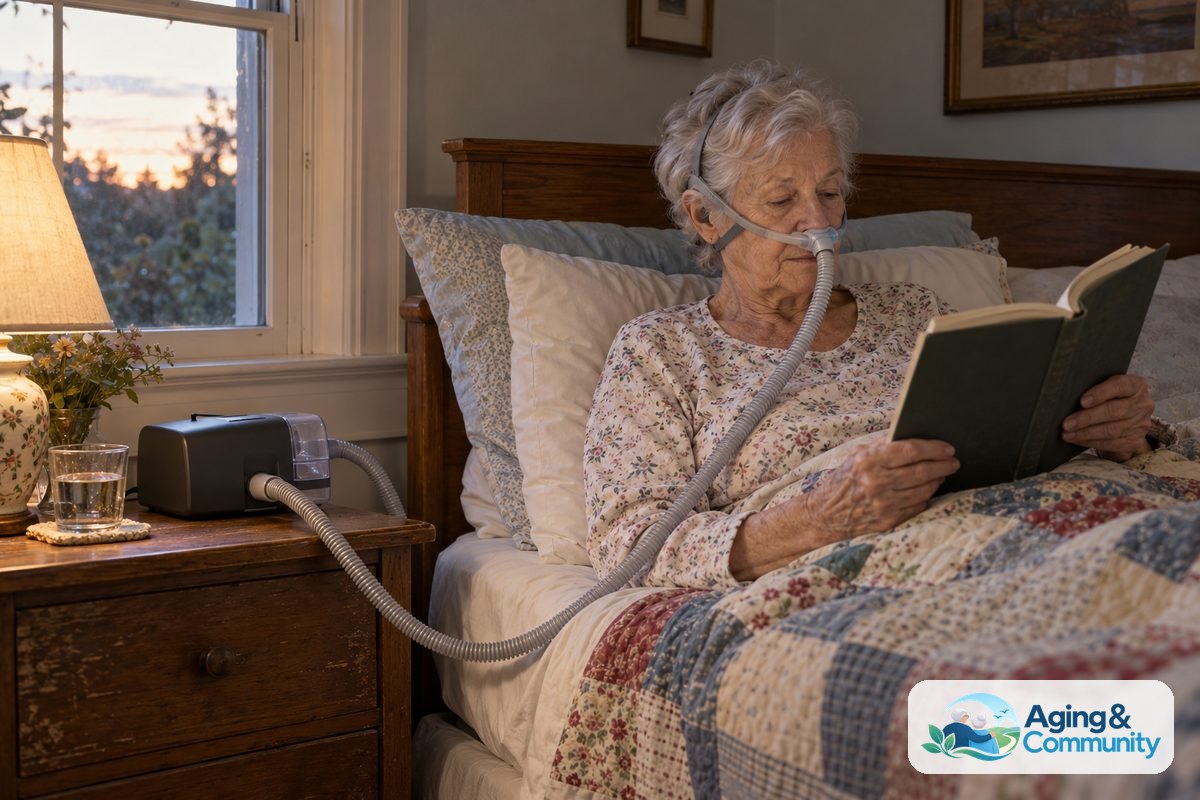
Understanding the Types of Sleep Therapy Devices
When you start exploring how to choose a CPAP machine, it helps to know that several devices deliver gentle air pressure. Your sleep specialist or doctor will write a prescription for the specific pressure mode you need. Knowing these terms makes conversations with your medical supply company much easier.
- Standard fixed CPAP: Delivers one steady, constant level of air pressure throughout the entire night.
- Auto-adjusting CPAP (APAP): Measures your breathing pattern breath by breath and adjusts the air pressure automatically as your needs change during different sleep stages.
- Bi-level device (BiPAP): Uses a higher pressure when you inhale and drops to a lower pressure when you exhale, which can feel easier for people who require higher pressure settings.
Modern devices are small, lightweight, and very quiet. Many older adults find that modern machines fit neatly on a bedside nightstand without taking up too much room, even when learning how to choose bed supports, or disturbing a bed partner.
Key Features to Look for in a CPAP Machine
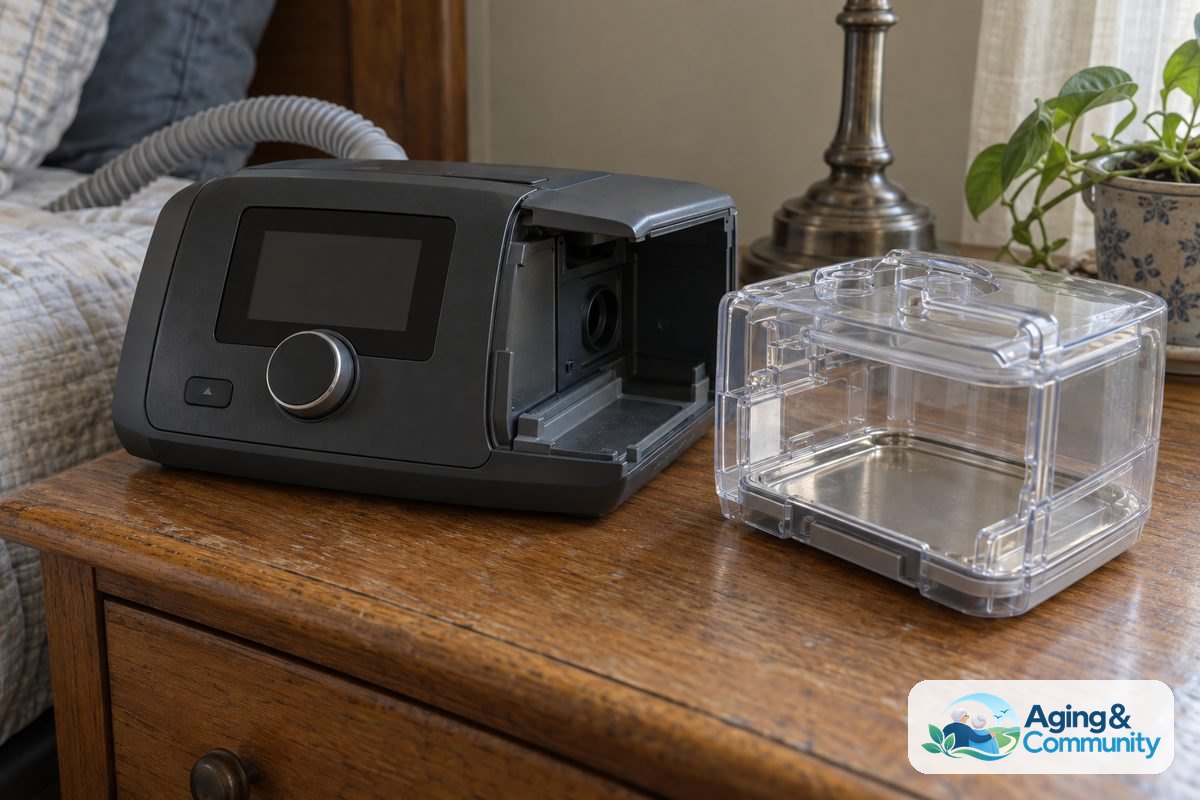
Choosing the right machine involves looking at comfort features that support your daily routine. Many people like built-in heated humidifiers, which warm the air and add moisture to keep your mouth and nasal passages from drying out.
A ramp feature is another helpful tool. This setting starts the air pressure at a very low, gentle level so you can fall asleep peacefully, then gradually raises the pressure to your prescribed setting once you are resting.
You may also want to check insurance details early in your search. You can read our guide on does medicare cover cpap machines to understand rental rules, doctor documentation, and supply replacement schedules.
How to Choose CPAP Mask Type for Your Habits
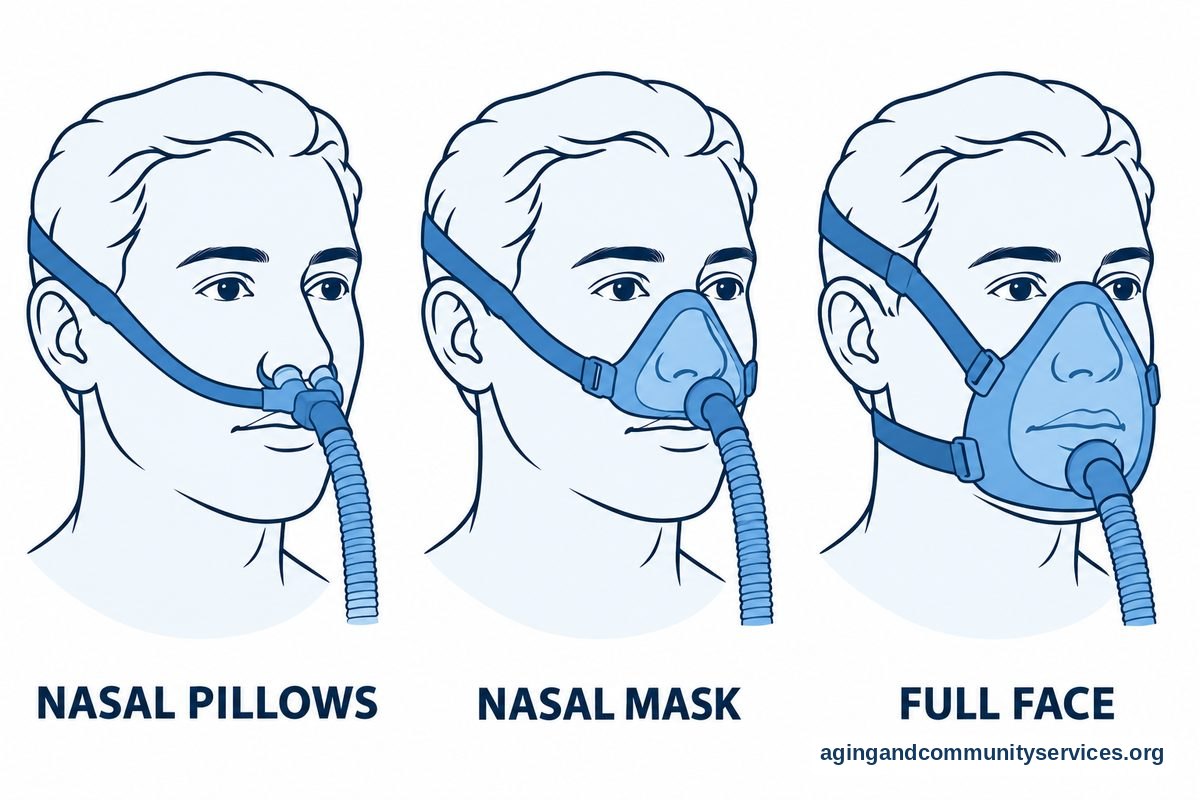
Deciding how to choose CPAP mask type depends largely on how you breathe while sleeping and the position you prefer in bed. Masks generally fall into three main categories:
- Nasal pillow masks: These use small, soft silicone cushions that rest gently at the entrance of your nostrils. They offer an open field of vision, making them great for reading in bed or watching television before sleep.
- Nasal masks: These cup over your entire nose from the bridge down to your upper lip. They work well for people who need higher pressure settings but still breathe primarily through the nose.
- Full face masks: These cover both your nose and mouth. They are a practical choice if you naturally breathe through your mouth at night or if you deal with frequent nasal congestion.
Side sleepers often do well with low-profile nasal pillows, while back sleepers can comfortably wear almost any style. If you use supportive head rests such as orthopedic pillows for seniors, look for masks with flexible tubing that swivels freely as you turn.
How to Choose CPAP Mask Size and Get a Secure Seal
Getting the proper size is essential for a peaceful night. A mask that is too large will leak air into your eyes, while a mask that is too small can cause sore spots on the bridge of your nose.
Most manufacturers provide printable sizing templates that you can hold up to your face in a mirror. When learning how to choose CPAP mask size, measure the width of your nose for nasal cushions, or the distance from the bridge of your nose down to the dip in your chin for full face styles.
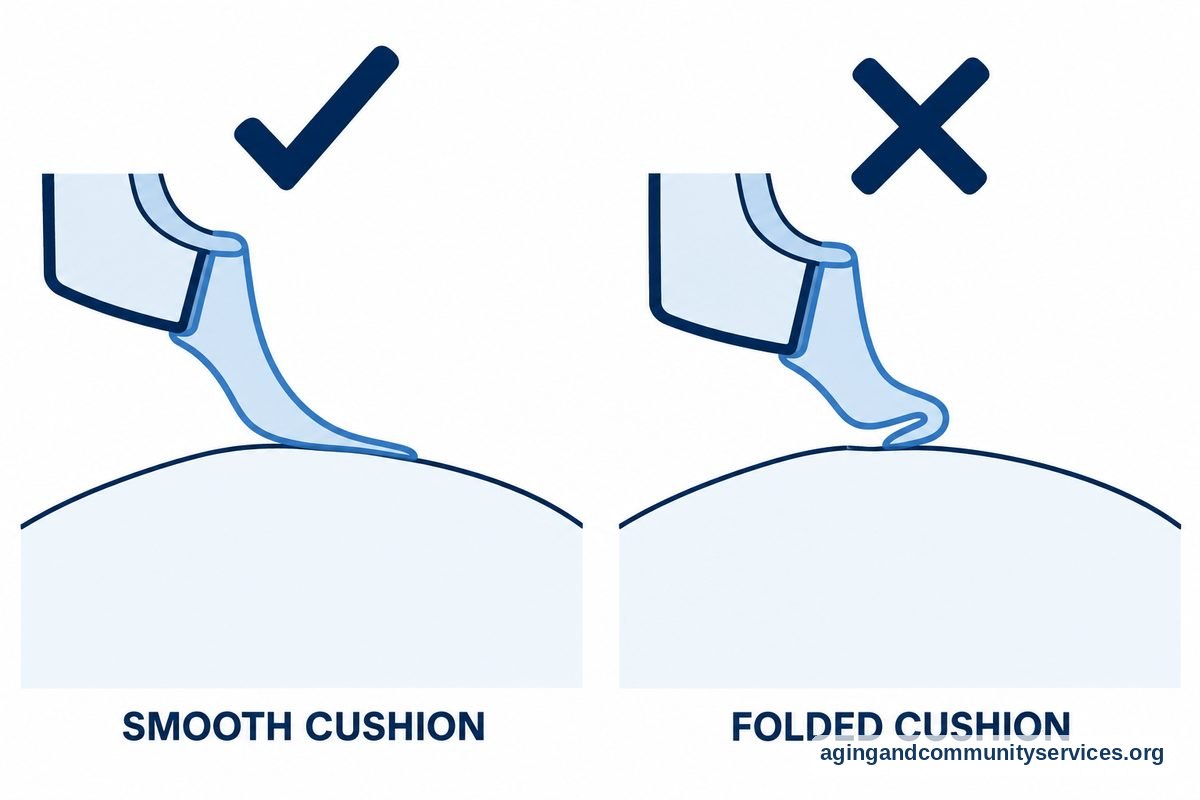
Remember that mask straps should keep the cushion snug against your skin, but never tight. Overtightening the headgear can actually cause leaks by puckering the soft silicone edges.
Simple Steps for Easy Bedtime Routines
Making your therapy a seamless part of your evening takes a little patience. Keeping your equipment clean ensures that silicone seals grip your skin properly each night.
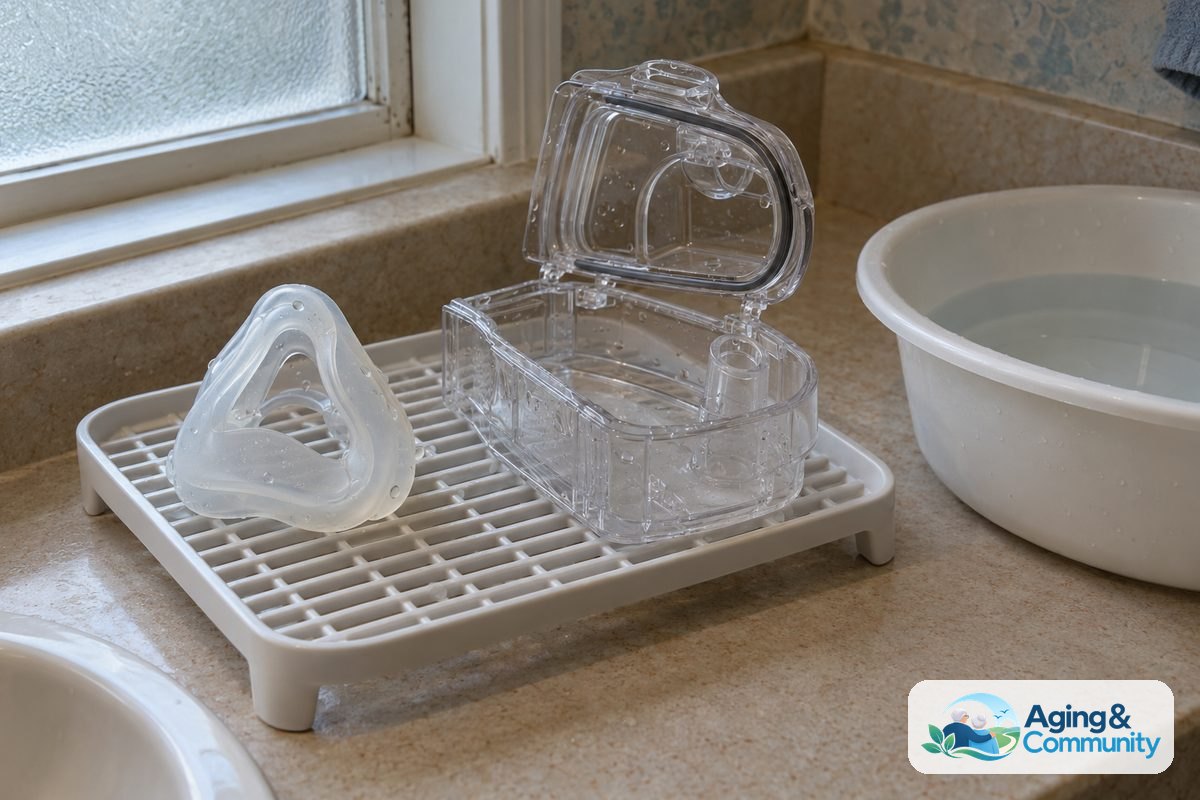
Wash your mask cushion daily with warm water and mild dish soap to remove natural facial oils. Empty any leftover water from your humidifier chamber every morning, and refill it only with distilled water at bedtime to keep mineral buildup away.
For daytime relaxation or reading, some people enjoy resting on adjustable bed wedge pillows to stay comfortable without shifting their CPAP supplies around the bedroom. Keeping a tidy space supports safe movement around the bed, which aligns well with resources from the Eldercare Locator for maintaining a secure living environment.
What to Do Next
If you are ready to move forward, taking a few organized steps will help you get set up comfortably:
- Review your prescription: Look at your paperwork to confirm whether your doctor prescribed fixed pressure, auto-adjusting pressure, or bi-level support.
- Contact your equipment supplier: Ask to view several mask styles in person or request sizing templates you can try at home.
- Create a calm space: Set up your bedside table close to an electrical outlet so cords remain safely out of walking paths.
- Practice during the day: Wear your mask while watching television or reading for twenty minutes to help your face grow accustomed to the gentle touch.
Frequently Asked Questions
How to choose a CPAP machine?
Focus on your prescribed pressure type, noise level ratings, and comfort tools like a ramp setting and heated humidifier. Your equipment supplier can show you models that match your doctor’s exact prescription while fitting neatly on your nightstand.
How to choose a CPAP mask?
Select your mask style based on whether you breathe through your nose or your mouth during sleep. You should also consider your preferred sleeping position, whether you wear glasses in bed, and how the headgear rests against your hair and neck.
How to choose CPAP mask size?
Use the plastic or paper sizing guide supplied by the mask manufacturer to measure your nose width and facial length. Always test the fit while lying down in your usual sleep position, as facial contours shift naturally when you recline.
How to choose CPAP?
Start by discussing your sleep habits with your physician and reviewing your insurance guidelines. Combining a quiet machine with a well-fitted mask creates a dependable setup that feels easy to maintain every single night.