

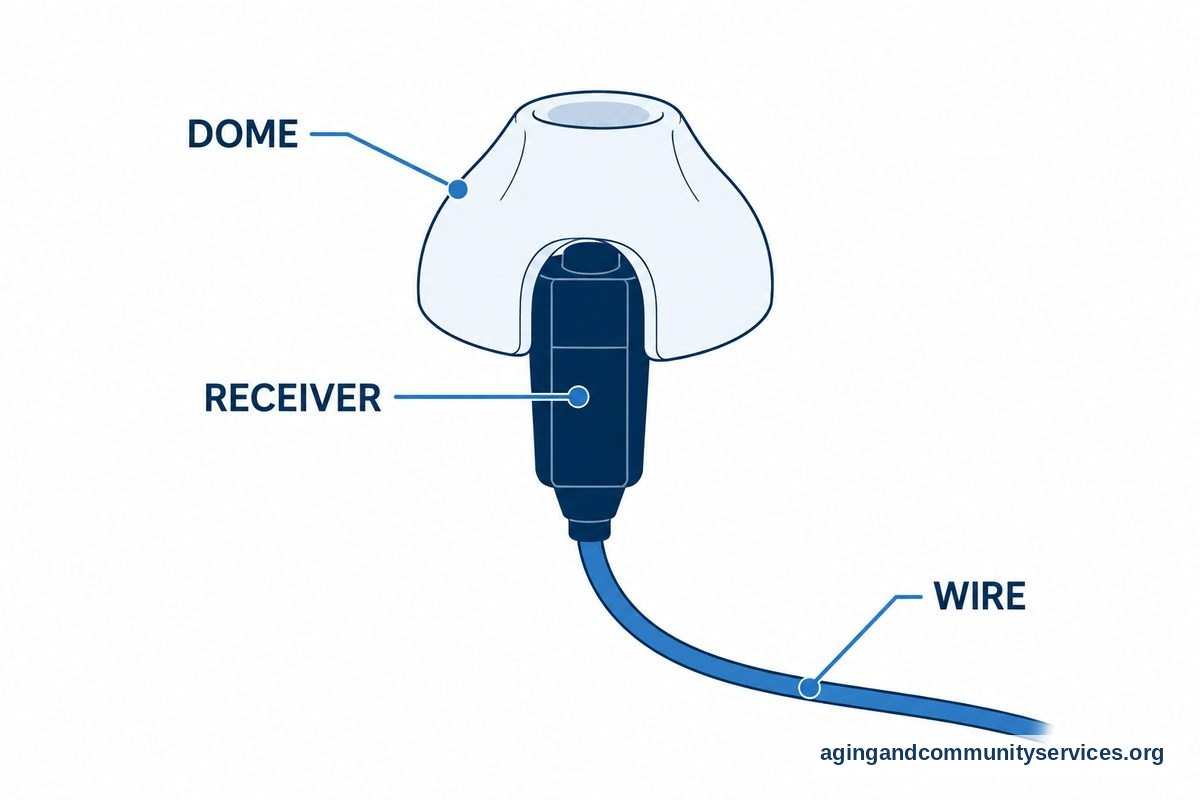
Learning how to choose hearing aid domes comes down to matching your ear shape, your degree of hearing support, and your daily comfort. Hearing aid domes are the small silicone tips that slip onto the end of thin-tube or receiver-in-canal devices. The right choice keeps your device secure in your ear canal while delivering clear, balanced sound throughout the day.

Understanding What a Hearing Aid Dome Does
Hearing aid domes sit gently inside your ear canal. They hold the speaker or sound tube in the proper position. Because ears come in all shapes, these soft pieces are made from flexible silicone that bends to your natural contours.
Beyond holding the device in place, domes direct sound toward your eardrum. They also control how much natural air and outside noise can enter your ear. This balance between natural sound and amplified sound affects how your own voice sounds to you.
If you are still learning how to choose a hearing aid, you will notice that domes are used mainly on open-fit and receiver-in-the-ear models. Unlike custom-molded earpieces, silicone domes are easy to replace at home and come in many ready-made styles.
The Main Types of Hearing Aid Domes
Domes are grouped by how much they seal the ear canal. The style you pick plays a large role in overall sound quality.
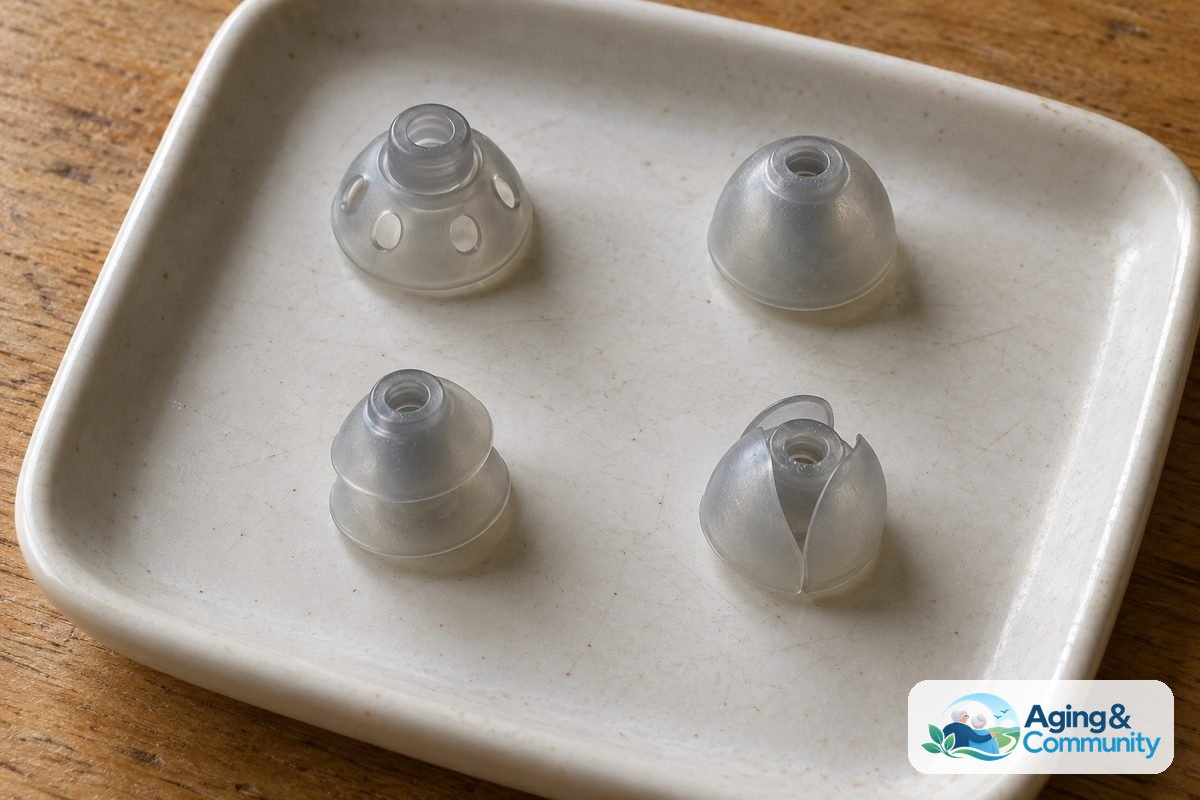
- Open Domes: These have small holes or vents around the edges. They let low-frequency sounds travel naturally in and out of the ear canal. Open styles help your own voice sound natural, which reduces the hollow, echoing sound known as the occlusion effect. They work well for mild or high-frequency hearing needs.
- Closed Domes: These form a firmer seal with fewer or no vent holes. By keeping sound trapped in the canal, closed domes provide stronger bass and higher overall amplification. They are useful for moderate sound loss, though they may make your voice sound slightly boomy at first.
- Power Domes: Also called double domes, these feature two silicone layers stacked together. They create the tightest seal possible without a custom mold. Power domes give maximum boost for higher sound needs and help stop high-pitched whistling, also known as feedback.
- Tulip Domes: These look like overlapping flower petals. They offer a middle ground between open and closed domes. Tulip styles adapt well to narrow or curved ear canals where standard round shapes might cause soreness.
Selecting the Correct Size for Your Ears
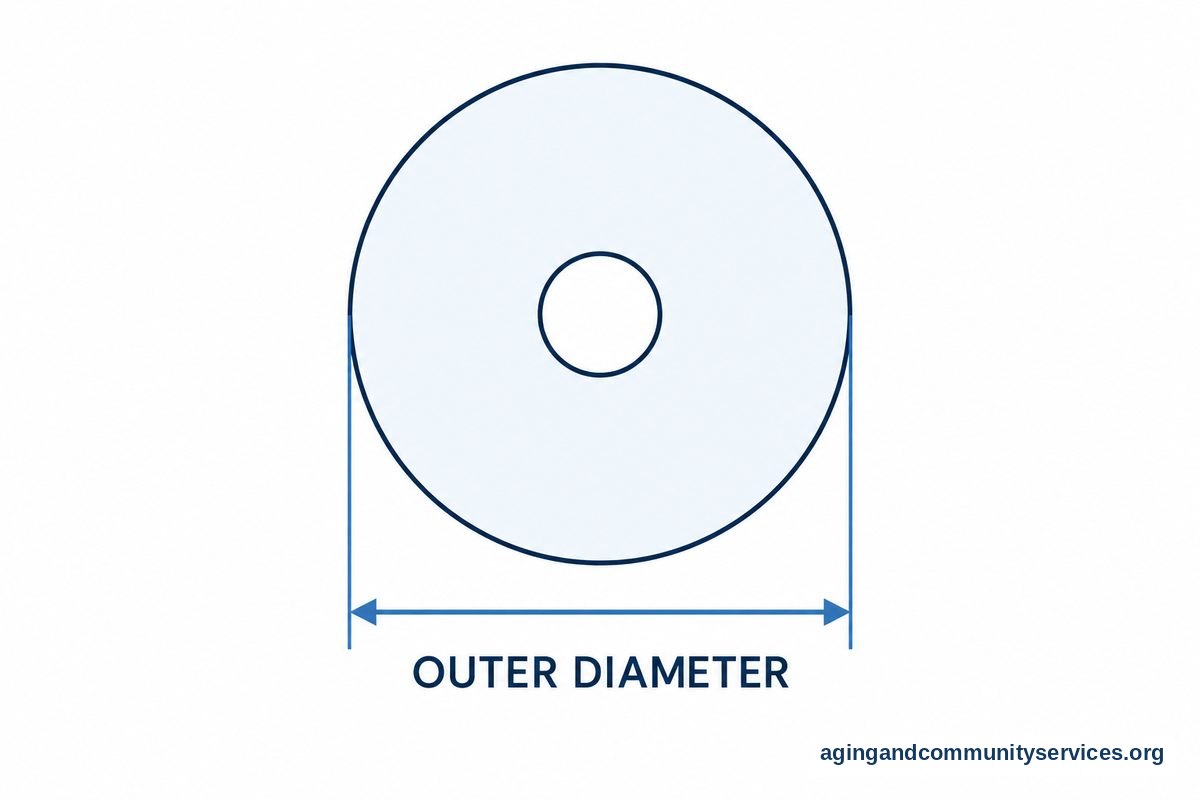
Once you understand the basic types, you must pick the right diameter. Most manufacturers offer domes in small, medium, and large sizes, usually measured in millimeters from around six millimeters up to twelve millimeters.
The right size should feel snug but never painful. If a dome is too small, it can slide out when you talk, chew, or turn your head. A loose dome also allows amplified sound to escape, which can trigger annoying feedback squeaks.
If a dome is too large, it will press hard against the sensitive lining of your canal. This pressure causes aching, itching, and soreness after an hour or two of wear. A good fit rests comfortably in place so that you forget you are wearing it during your morning routine, much like learning how to choose protective underwear.
Matching Your Dome to Your Listening Needs
Your hearing profile is the biggest factor in this decision. People who hear deep sounds clearly but miss higher pitches, like birdsong or soft speech, usually do best with open domes. The open design allows normal low tones to enter without extra boost.
People who need volume across all sound frequencies often need closed or power domes. Knowing your exact profile helps you avoid the common pitfalls found when comparing a hearing aid vs hearing amplifier, since true prescription devices are tuned precisely around the seal your dome provides.
Your daily environment matters as well. Staying active and confident at home helps with aging in place safely. Being able to hear family members, doorbells, and phone calls clearly starts with a dome that stays in place during chores and hobbies.
Caring for and Replacing Your Domes
Silicone domes live in a warm, moist environment where wax naturally builds up. You can learn how to use hearing aid drying capsules, and regular cleaning keeps the tiny sound openings clear so your device works reliably.
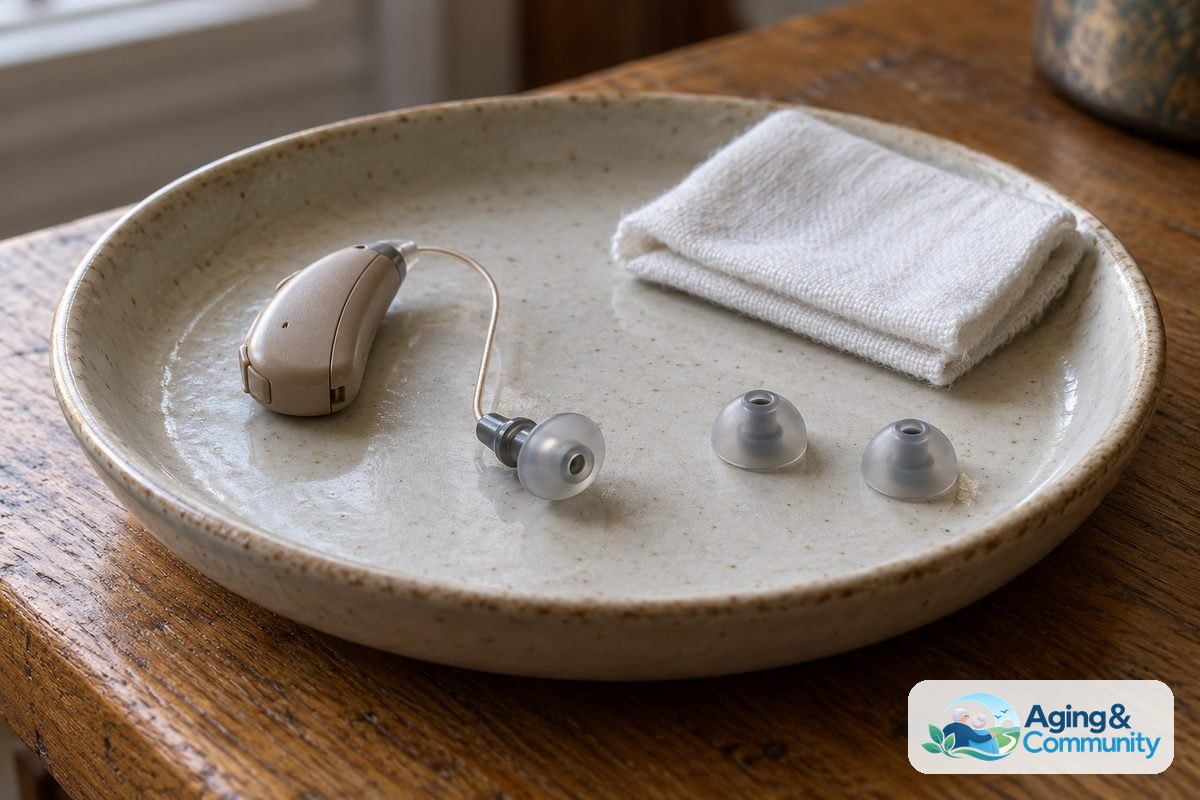
- Wipe the outside of the dome each evening with a dry, soft cloth or tissue.
- Look at the tip to see if earwax is blocking the opening.
- Never use alcohol, cleaning sprays, or water on the electronic parts of your hearing aid.
- Gently pull the dome off the speaker stem once a month to wash it in warm, soapy water, making sure it is fully dry before putting it back on.
Because soft silicone weakens over time, replace your domes with fresh ones every two to three months. If a dome feels stiff, discolored, cracked, or loose on the stem, switch it out immediately so it does not detach inside your ear.
What to Do Next
If you want to update your current setup or try a new style, take these straightforward steps to get started:
- Check your current brand: Look at your device packaging or user manual. Domes are not universal, so you need the brand and line designed specifically for your device make.
- Note your comfort level: Over the next two days, write down how your ears feel at midday. If your ears itch or ache, write down where the pressure seems to be. If sound whistles when you hug someone, note that as well.
- Order a sample pack: Many manufacturers sell multi-size packs with small, medium, and large domes of the same style. This allows you to test sizes at home without ordering bulk supplies.
- Consult your specialist: If changing sizes does not fix whistling or discomfort, make an appointment with your audiologist or hearing specialist. You can also explore how to choose a hearing aid provider if you are looking for local care.
Frequently Asked Questions
How do I know what size hearing aid dome I have?
Most hearing aid domes do not have sizes printed on them because they are very small. You can check the original packaging or the receipt from your clinic. You can also place the dome against a millimeter ruler to measure the widest circle across the base. A measurement of around seven to eight millimeters is usually a medium.
Can I change the dome style on my own?
You can change the physical dome easily by pulling the old one off and pushing the new one onto the stem. However, changing from an open dome to a closed dome alters how much sound reaches your eardrum. It is wise to check with your hearing professional before switching styles, as your device programming may need a small adjustment.
Why does my hearing aid dome keep coming off in my ear?
Domes usually slip off if they are worn out, stretched, or attached to the wrong receiver brand. Always push the dome firmly onto the ridged sound post until you feel it click or seat securely. If a dome ever gets stuck in your canal, stay calm and have a family member or doctor remove it with proper tools rather than poking with tweezers.
How often should older adults replace their domes?
Most manufacturers recommend replacing silicone domes every two to three months. Doing so keeps the silicone soft and flexible, which maintains a safe grip on your device stem. If you produce heavy earwax, you may prefer to change your domes every four to six weeks for better hygiene and sound clarity.