

Learning how to use a hearing aid dehumidifier is a simple daily habit that protects your devices from sweat, humidity, and ear moisture. Most units work overnight while you sleep, using either a gentle electric warming cycle or a replaceable drying brick to pull trapped moisture from sensitive internal parts. Following a few easy steps each evening keeps your sound clear and helps your devices stay in good working order.
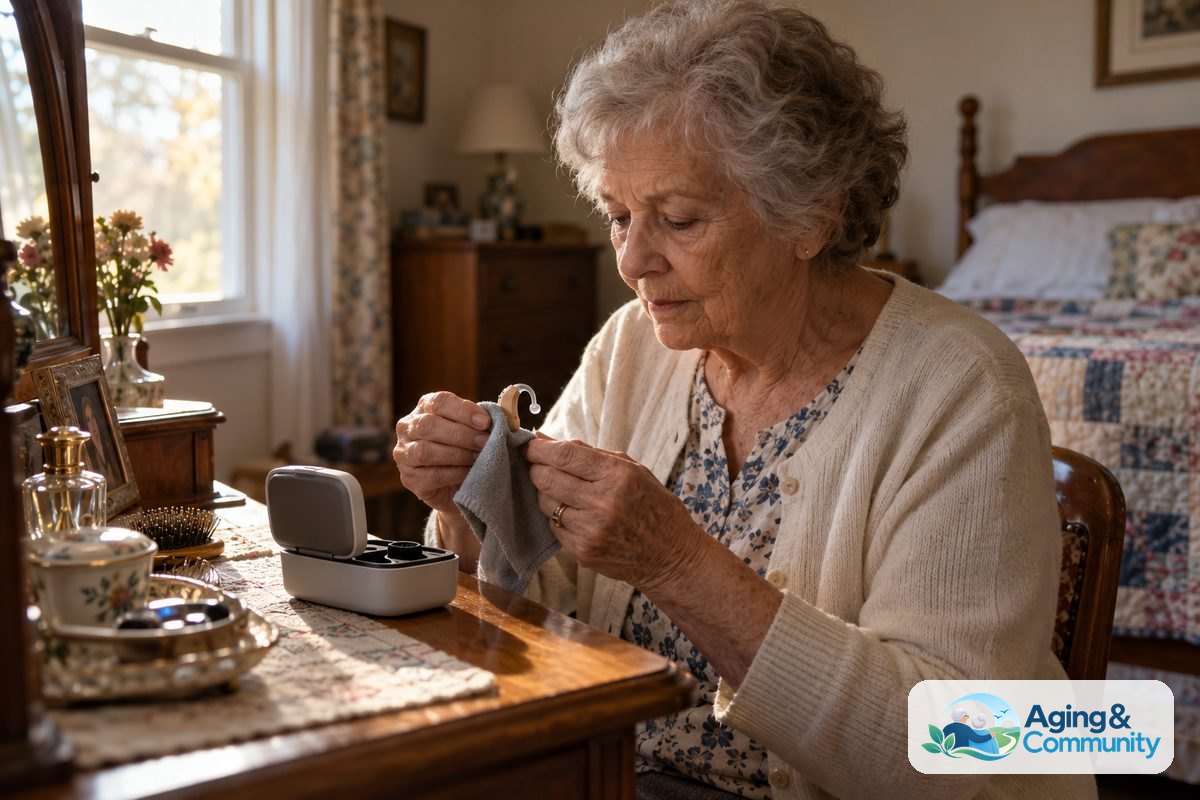
Steps for Using Your Hearing Aid Drying Unit
- Wipe down your devices first. Clean off visible earwax, dust, and body oils with a dry tissue or soft microfiber cloth before opening any compartments.
- Turn off your hearing aids. Power down the units, or check if placing them in the chamber automatically turns them off based on your device style.
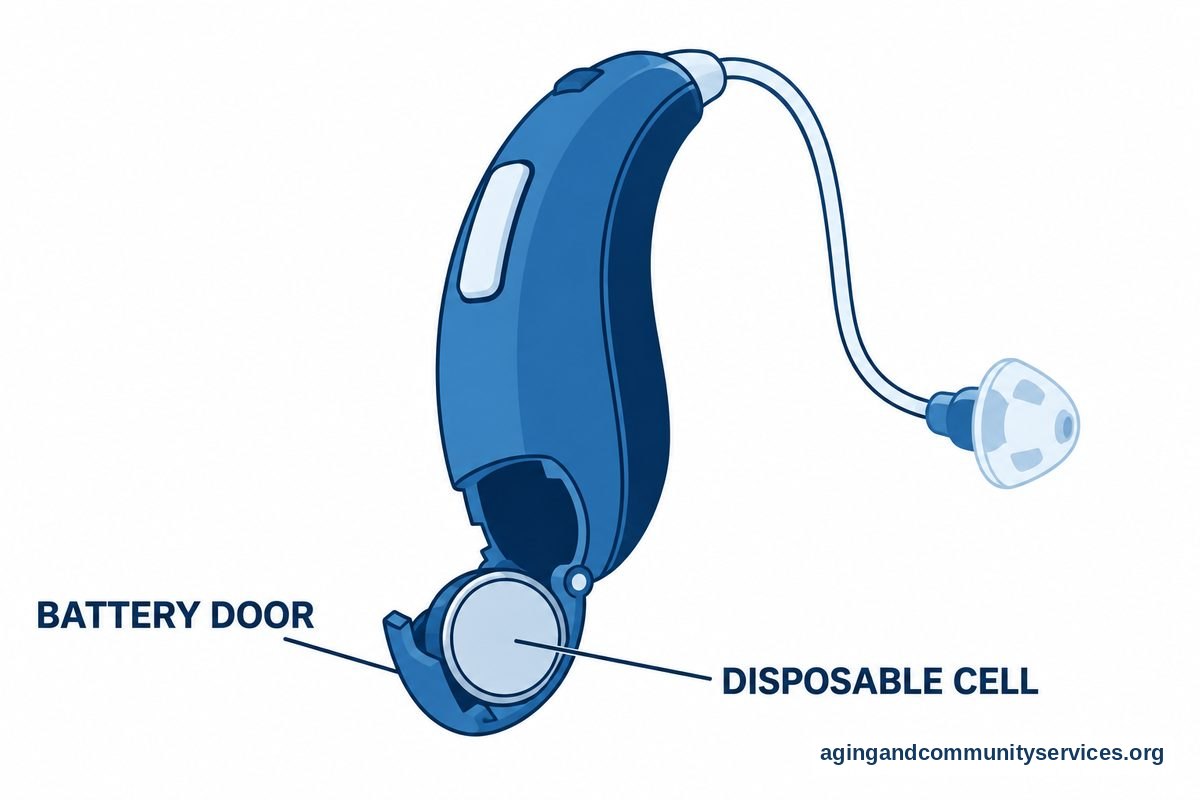
- Open the battery doors for disposable cells. Swing the battery compartment wide open and leave the zinc-air battery inside or set it aside, allowing trapped air to escape the internal compartment freely.
- Position rechargeable devices correctly. Place rechargeable models inside according to manufacturer directions, ensuring charging contacts line up if your dryer doubles as a charger base.
- Close the lid securely. Shut the cover completely so the drying chamber creates a sealed space away from the ambient room air.
- Activate the drying cycle. Press the start button on electric models to begin the timed heat cycle, or simply let passive drying cups sit undisturbed overnight.
- Remove your devices in the morning. Take your clean, dry hearing aids out when you wake up, close the battery doors, and enjoy clear daily hearing.
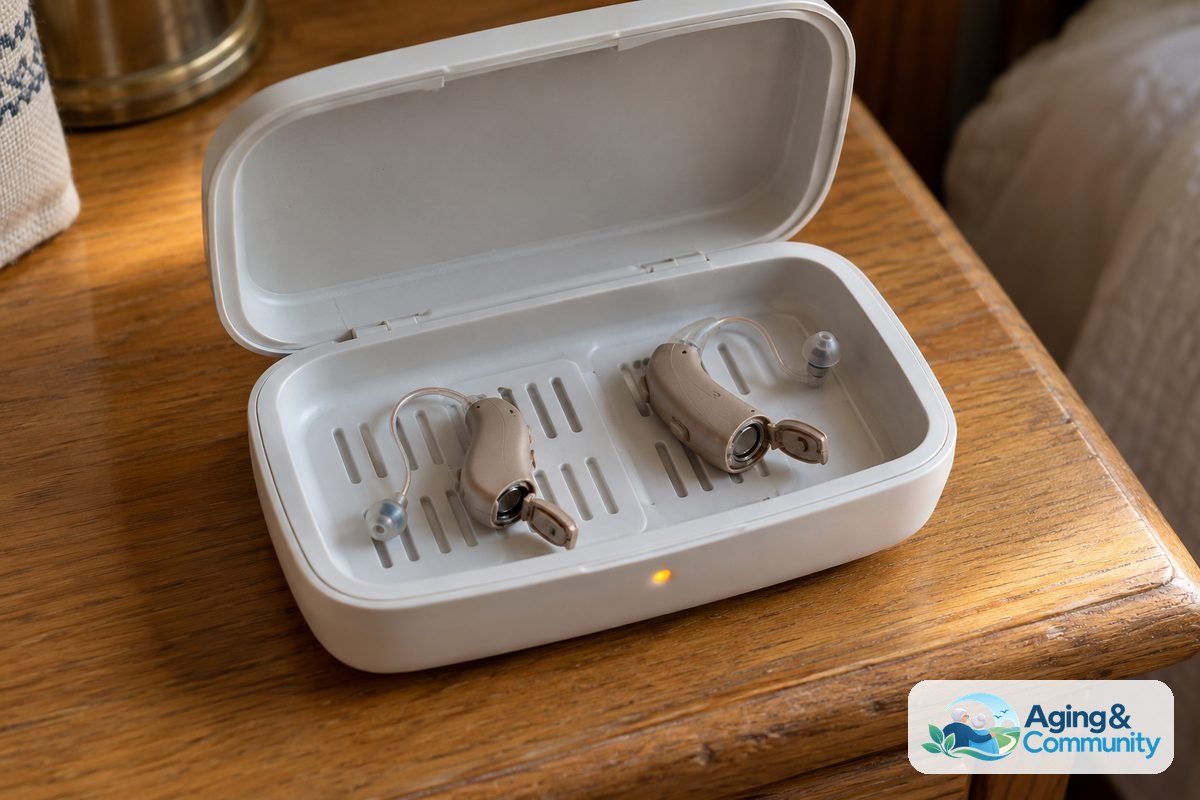
Common Mistakes to Avoid
- Leaving battery doors snapped shut: Trapped moisture cannot escape the internal electronics if the battery swing door remains tightly closed during the cycle.
- Putting wet devices directly into the box: Heavy drops of water from rain or showers should be gently patted off with a towel before using the unit.
- Using passive desiccant bricks past their prime: Drying crystals and blocks lose their absorbing power over time and must be replaced or reactivated when their color changes.
- Leaving the drying container lid unlatched: An open lid pulls moisture from the bedroom air rather than drawing dampness out of your hearing equipment.
- Exposing devices to household kitchen heat: Never attempt to dry sound devices in an oven, microwave, or with a hot hair dryer, as extreme heat melts tiny plastic parts.
- Forgetting to inspect the soft ear tips: Take time to clean the silicone pieces and review how to choose hearing aid domes if your current tips look stiff, discolored, or torn.
When to Call an Audiologist or Hearing Specialist
A drying unit solves everyday humidity problems, but it cannot repair internal mechanical failure. Along with learning how to use hearing aid cleaning tools, reach out to your hearing clinic if your device sounds muffled, weak, or distorted even after a full night in the drying box. An audiologist has special vacuums and diagnostic tools that clear deep wax clogs and test speaker integrity.
You should also call your hearing care provider if you notice crackling noises, rapid battery drain, or corrosion inside the battery compartment. When you call, describe what you hear, how long the issue has lasted, and whether you recently got caught in the rain or heavy perspiration. For older adults who need help arranging local transportation to a clinic, the Eldercare Locator connects families to convenient community support services.
Understanding Electric Dryers Versus Non-Electric Drying Jars
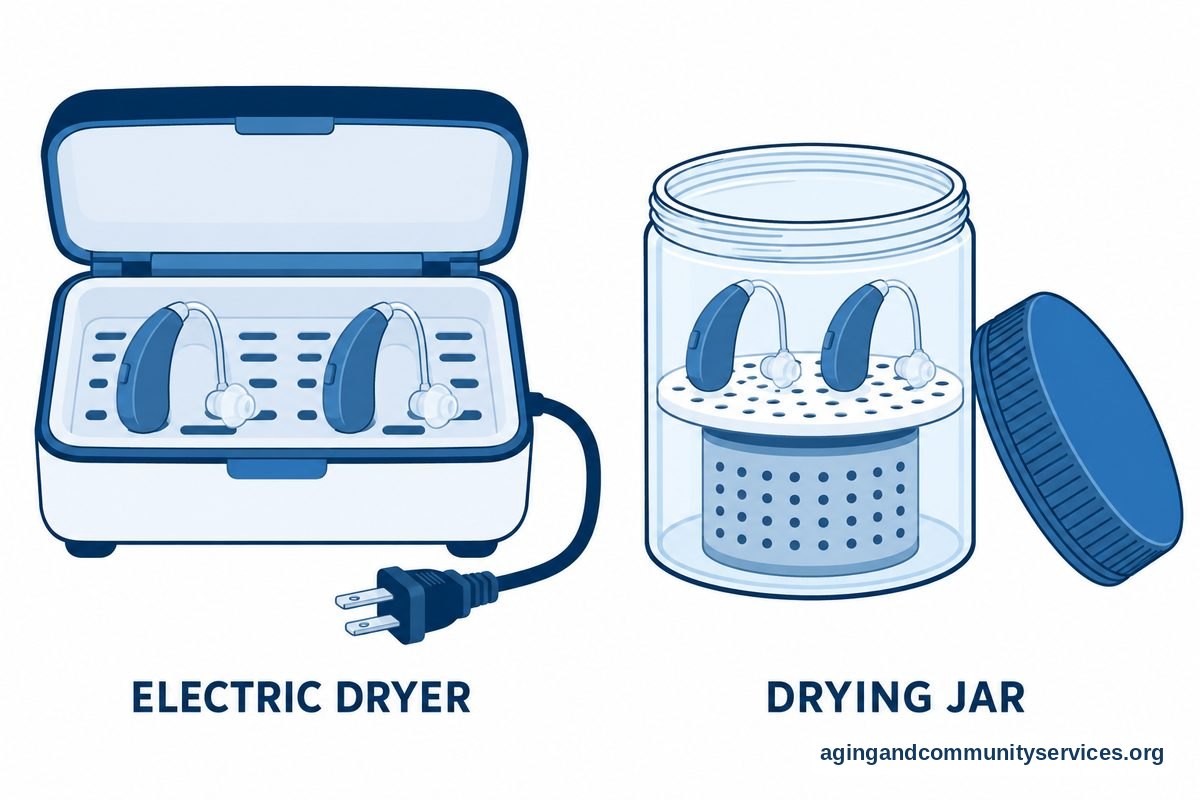
Hearing aid drying systems generally come in two basic styles. The first style is an active electronic box. These units plug into a standard wall outlet or USB port. They use gentle, low-level warm air circulation to evaporate dampness over a three to eight hour cycle. Many electric models also feature gentle blue or ultraviolet light systems designed to keep the surface of your ear pieces clean and fresh.
The second style is a passive desiccant jar or cup. Learning how to use a drying cup is simple. These non-electric containers rely on a small disc, brick, or canister filled with silica gel beads. You place your open devices inside the jar and screw the lid tight. The drying beads quietly pull dampness out through chemical absorption. Non-electric jars require no cords, making them convenient for travel, camping, or bedside tables without nearby electrical outlets.
| Feature | Electronic Dryers | Passive Desiccant Jars |
|---|---|---|
| Power Source | Wall outlet or USB cord | No power required |
| Drying Method | Gentle warm air circulation | Silica gel absorption |
| Cycle Duration | Preset timer of 3 to 8 hours | Overnight or continuous |
| Ongoing Supplies | Minimal parts to replace | Desiccant bricks or beads need regular renewal |
| Portability | Requires power adapter | Lightweight and easy for travel |
Daily Habits for Battery Care and Device Longevity
Proper moisture control works hand in hand with good power management. Zinc-air batteries need oxygen to produce power, but heavy sweat or moisture inside the compartment can weaken their output. If your sound cuts out unexpectedly, checking your cell with a guide on how to use a hearing aid battery tester helps you confirm whether the problem stems from a flat cell or a damp receiver.
Rechargeable hearing aids have sealed lithium-ion power cells that do not open. For these devices, always check your user manual before using a traditional heated drying box. Some manufacturers supply specialized combination units that dry and charge simultaneously. Choosing the right care routine is a key part of maintaining the right hearing aid for elderly users who want dependable everyday communication without unnecessary fuss.
Creating a Safe Nighttime Station
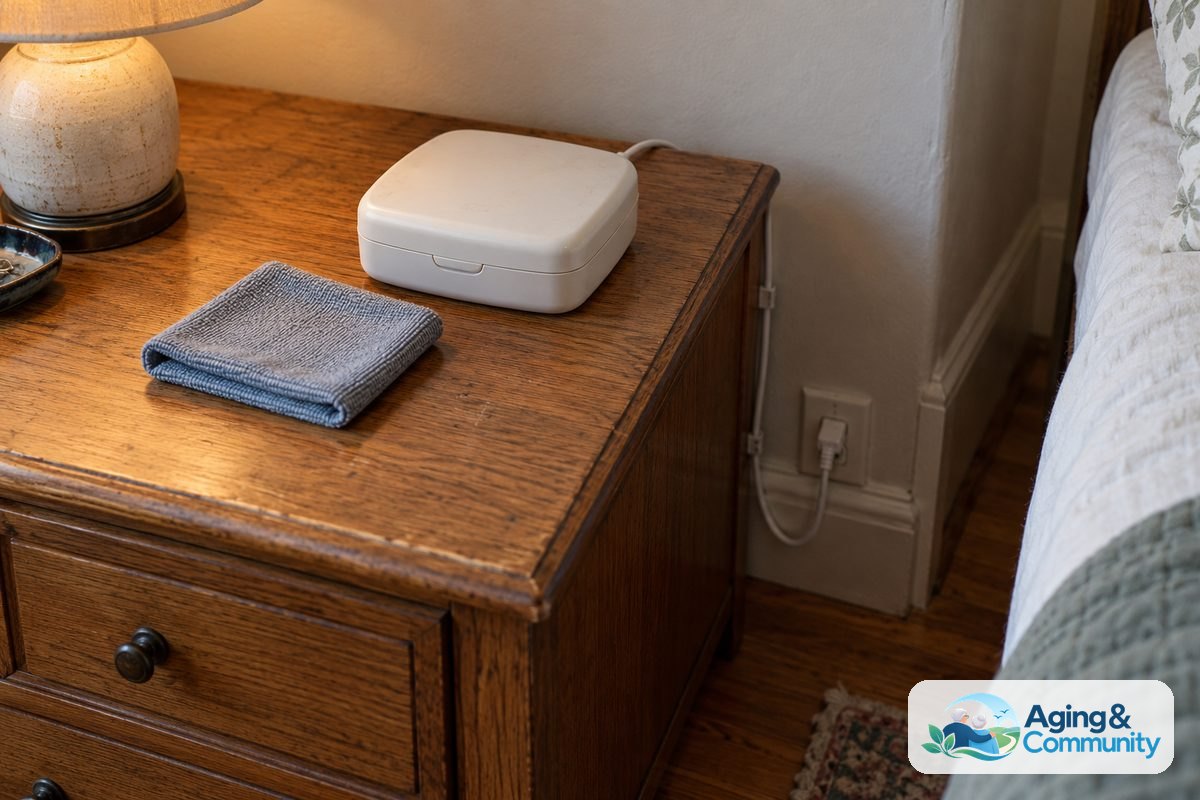
Setting up your drying box in a secure, convenient spot makes it easy to stick to a healthy nightly habit. Pick a flat, stable surface in your bedroom, such as a nightstand or dresser top. Avoid placing drying equipment in the bathroom, where high humidity from showers and baths fills the room air and works against the dehumidifier.
Keep your nightstand clear of clutter so you can reach your devices easily in the dark or early morning. Having good lighting and an accessible path to your bedside table also helps support safe movement around the home at night. You can review tips from the National Institute on Aging: Falls and Falls Prevention to keep your bedroom pathways free from tripping hazards like loose cords or stray throw rugs.
Frequently Asked Questions
Can I put my hearing aid batteries inside the dehumidifier?
Yes, you can usually leave standard disposable zinc-air batteries inside the opened door while using gentle warm air or desiccant jars. The dry air will not harm them, though it is wise to open the compartment fully so the entire battery chamber gets ventilated. However, if your electric dryer runs a very warm cycle, check your manual, as some high-heat models recommend taking disposable cells out entirely.
How often should I use a hearing aid dehumidifier?
Most hearing specialists recommend placing your hearing devices inside a drying unit every single night. Everyday use creates a predictable routine and clears out the small amounts of perspiration and natural humidity that collect during a normal day of wear. Daily drying is especially helpful during warm summer months or if you exercise regularly.
How do I know when to replace a desiccant drying brick?
Desiccant bricks and discs usually have a color indicator dot on the top or side. When the brick is fresh and ready to absorb dampness, the indicator often looks bright orange or gold. As it absorbs moisture over several weeks or months, the dot turns pale, green, or dark blue, showing that the material is fully saturated and ready for replacement.
Can a drying unit fix a hearing aid that fell in water?
A drying unit can help pull out moisture if a device was dropped in water for a brief moment, provided you act quickly. Immediately retrieve the device, turn it off, remove disposable batteries, gently blot the exterior with a towel, and place it in the dryer. If the hearing aid still does not produce clear sound after several drying cycles, take it to your hearing care provider for a professional inspection.
Can I leave my devices in the dehumidifier all day?
Yes, leaving your hearing aids inside a closed, completed drying unit during the day is perfectly safe. Once an electric cycle finishes, the gentle warming shuts off automatically, leaving the chamber as a secure, dust-free storage case until you are ready to put your devices back on.