

Learning how to use bedside commode over toilet fixtures helps create a steady, elevated seat right in your home bathroom. Most standard units, often called three-in-one frames, let you remove the waste pail and slide the open frame straight over your regular porcelain bowl. This setup gives you sturdy armrests for pushing up and raises the overall height so sitting down is much easier on your joints.
Using a commode this way is a practical choice for many older adults who want to stay comfortable at home. It combines the support of safety rails with the height of an elevated seat, making bathroom visits far more manageable. A few simple adjustments ensure the frame remains rock-solid every time you use it.

Steps to Set Up and Use a Commode Over the Toilet
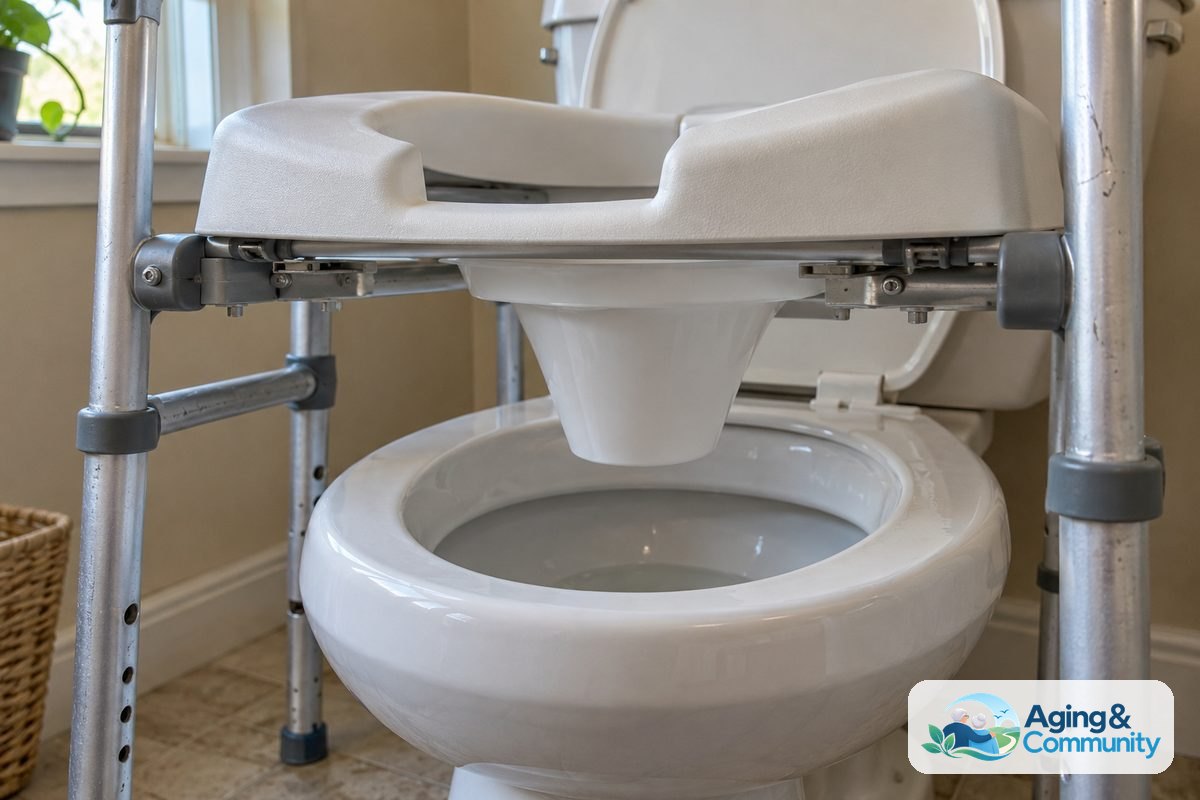
- Remove the bucket and lid: Take out the removable waste container from underneath the commode seat and set it aside, as you will not need it over a plumbed toilet.
- Attach the splash guard: Slide the plastic funnel or splash sleeve into the frame tracks where the bucket usually goes to direct waste straight down into the bowl.
- Lift the standard toilet lid: Raise the permanent lid and seat on your household toilet so they rest back against the tank, or remove them entirely if the frame fits better without them.
- Position the frame over the bowl: Slide the commode backward over the porcelain fixture until the splash guard sits centered directly over the opening.
- Adjust the leg height evenly: Push the brass detent buttons on each leg to raise or lower the frame so your feet rest flat on the floor when seated, ensuring all four legs lock at the exact same number.
- Check for steady contact: Press down firmly on both armrests with your body weight to verify that all four rubber feet grip the floor without any rocking or sliding.
- Sit down using both armrests: Back up slowly until the backs of your legs touch the frame, reach back with both hands to grip the handles, and gently lower yourself onto the seat.
Common Mistakes to Avoid
- Leaving the waste bucket attached: Forgetting to swap the bucket for the open splash sleeve can cause messy spills and block normal plumbing drainage.
- Uneven leg adjustments: Setting one leg higher or lower than the others makes the frame wobble, which creates an unstable surface when sitting down.
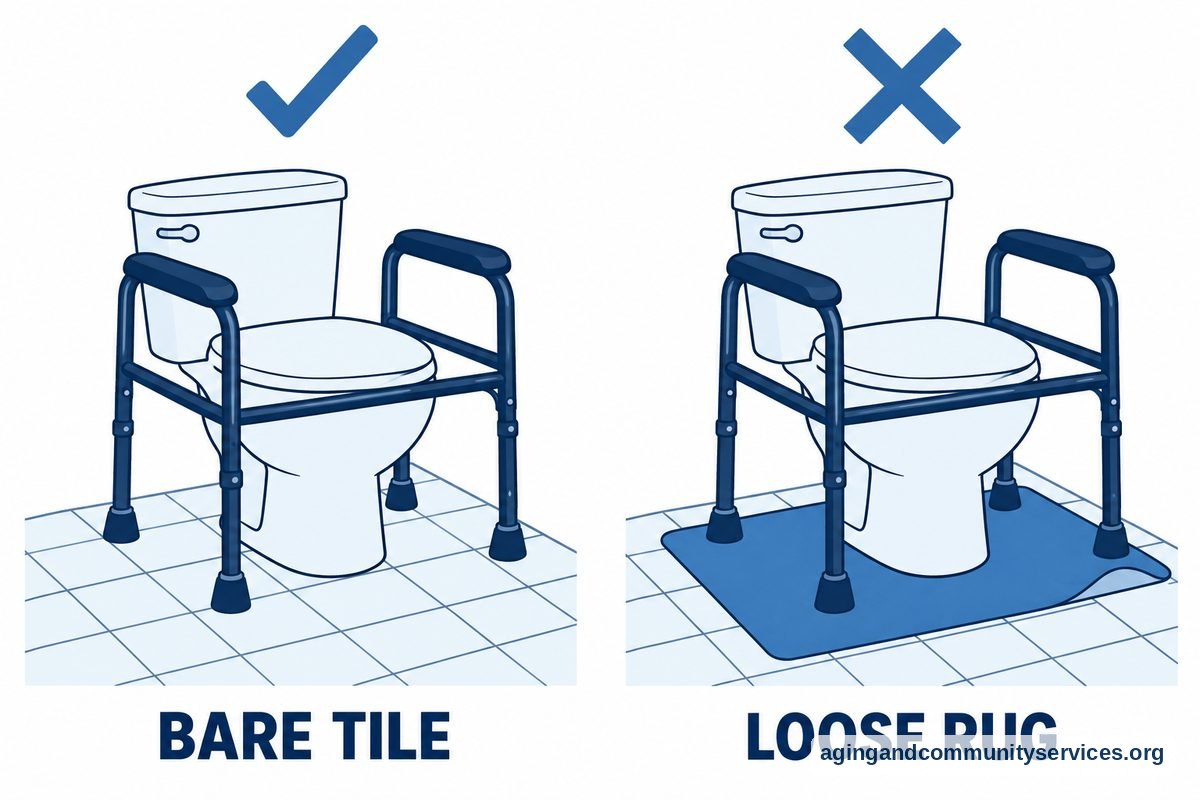
- Placing rubber feet on bathroom rugs: Putting the legs on top of loose mats or bath rugs can cause the frame to slide unexpectedly during transfers.
- Grabbing only one armrest: Placing all your weight on a single side while standing up can tip the chair sideways and compromise your balance.
- Skipping the push test: Failing to test the frame with a downward push before each use means you might miss a loose leg pin or an uneven stance.
When to Call for Professional Advice
Setting up bathroom equipment should feel simple and secure. If you try to position the frame and notice it wobbles against the baseboards or does not clear the toilet tank, it is time to ask for guidance. An occupational therapist or a physical therapist can visit your home to assess your space and recommend the right setup for your specific needs.
When you speak to a therapist or your primary care doctor, tell them the exact measurements of your bathroom and describe any challenges you face during transfers. You can explain if your knees hurt when standing up, or if you feel unsteady while turning around in tight corners. For community programs that help with home safety assessments, the Eldercare Locator connects families to local resources and certified specialists.
Learning about simple home changes can support your goal of aging in place comfortably. A professional can also review how you move and help you decide between different bathroom aids.
Comparing Commodes and Other Bathroom Supports
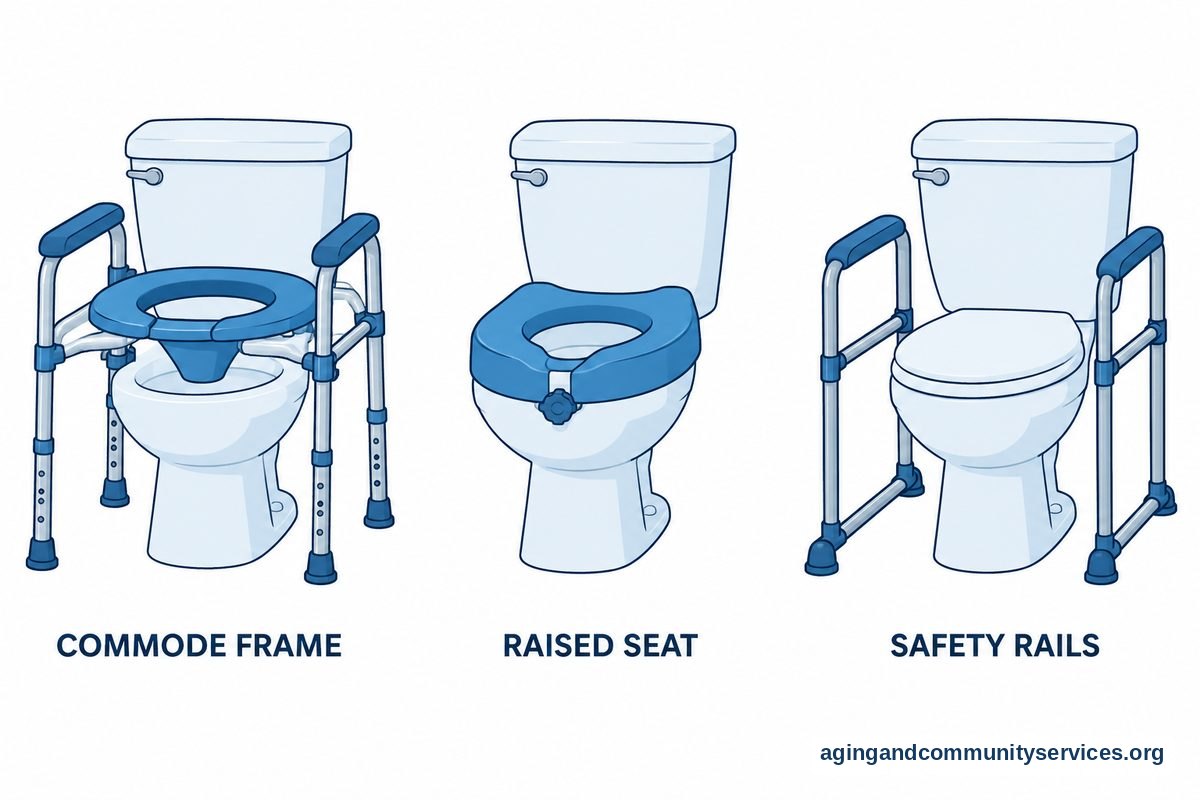
Many people wonder whether a full frame is necessary or if a smaller accessory would work just as well. Exploring the differences in a raised toilet seat vs commode can help clarify which design matches your strength and balance. Raised seats attach directly to the bowl, while commodes rest their weight on the floor, providing broader support.
If your toilet is already at an accessible height and you simply need balance help, standalone toilet safety rails for elderly family members might be an alternative. However, a commode frame provides the unique advantage of adjustable height combined with dual armrests. The National Institute on Aging shares helpful tips on falls and falls prevention, noting that simple physical adjustments around the home can lower the risk of accidents.
For people recovering from surgery or managing chronic joint stiffness, heavy-duty raised commode chairs offer wider platforms and higher weight capacities. Understanding the broader instructions on how to use bedside commode equipment in different rooms ensures you get the most utility out of a single purchase.
Cleaning and Maintaining Your Commode Frame
Keeping your equipment clean ensures it remains sanitary and functions smoothly for years to come. Because the splash guard directs liquids into the porcelain bowl, it should be wiped down regularly with warm water and mild household disinfectant. Avoid abrasive scouring pads that might scratch the plastic or scrape the protective coating off the metal tubing.
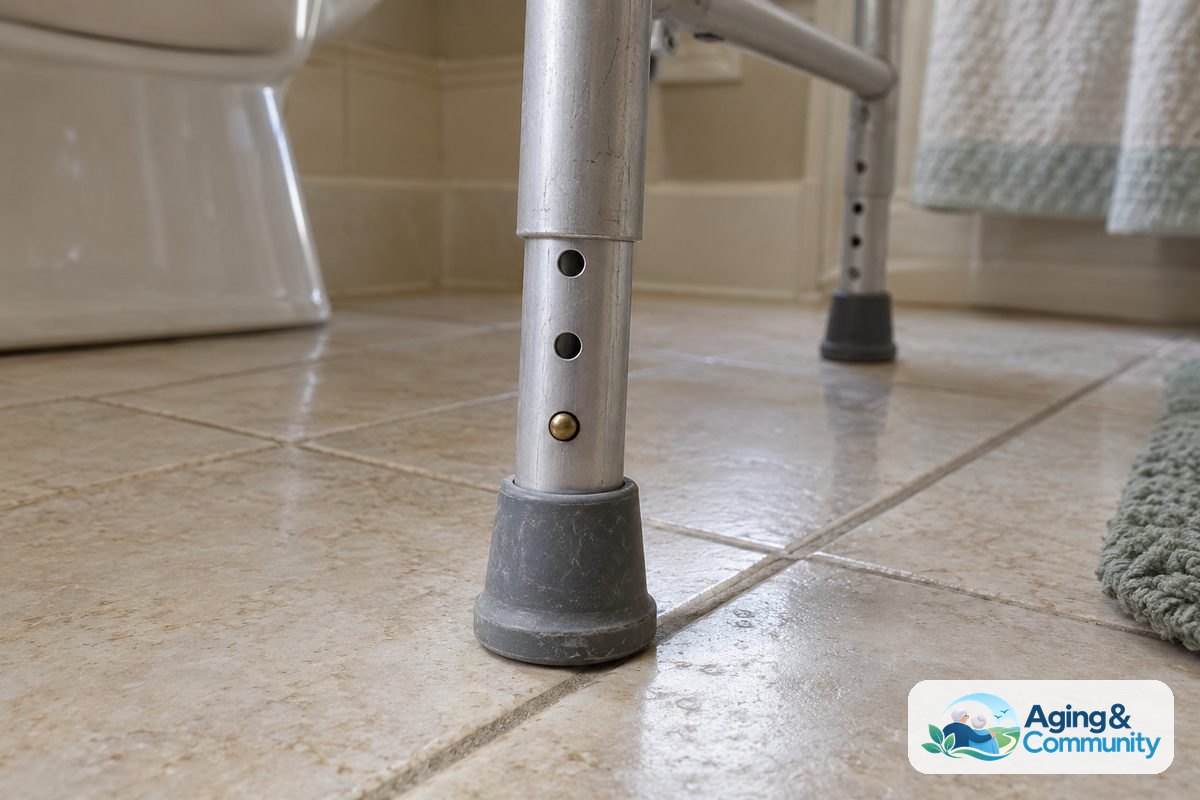
Inspect the rubber tips on the bottom of the legs every month. Over time, friction against bathroom tile can wear down the tread. If the rubber begins to crack, tear, or harden, replace the tips immediately to keep the chair from slipping on slick floors. A quick check of the push buttons also confirms they remain fully popped out through the adjustment holes.
Frequently Asked Questions
Do I need to remove my regular toilet seat?
In most homes, you do not need to unscrew or remove the existing toilet seat. You can simply lift both the seat and lid upright against the tank and slide the commode over the bowl. However, if your bathroom has an unusually thick seat or a tight space between the bowl and tank, removing the standard seat can provide a tighter, cleaner fit for the frame.
How high should the commode seat be set?
The ideal height allows your feet to rest completely flat on the floor while your knees bend at a ninety-degree angle. If your knees are raised higher than your hips, the seat is too low and will be difficult to stand up from. If your heels lift off the floor or your legs dangle, the frame is too high and may place pressure on the backs of your thighs.
What is the plastic cone piece that came with the chair?
That cone-shaped piece is a splash guard, sometimes called a commode funnel. When using the frame beside a bed, you slide in a solid bucket with a handle. When using the frame directly over an existing toilet, you remove the bucket and slide in this open-ended cone, which directs waste straight down into the water without splashing the frame or the floor.
Can a commode frame fit over an elongated toilet bowl?
Most modern commode frames are designed to clear both round and elongated toilet fixtures. Elongated bowls stick out a few inches further in front, so you may need to adjust the frame slightly forward to ensure the splash guard aligns with the center of the opening. Always measure the width between your bathroom walls or nearby vanities to make sure the outer legs have enough clearance.
Will the metal legs rust in a humid bathroom?
Most commode frames are built from anodized aluminum or powder-coated steel to resist moisture from daily showers and baths. While they resist corrosion well, wiping down the metal legs after humid showers helps extend their lifespan. If you notice any rust developing on steel hardware or adjustment springs, consult a medical supply retailer for replacement parts.