

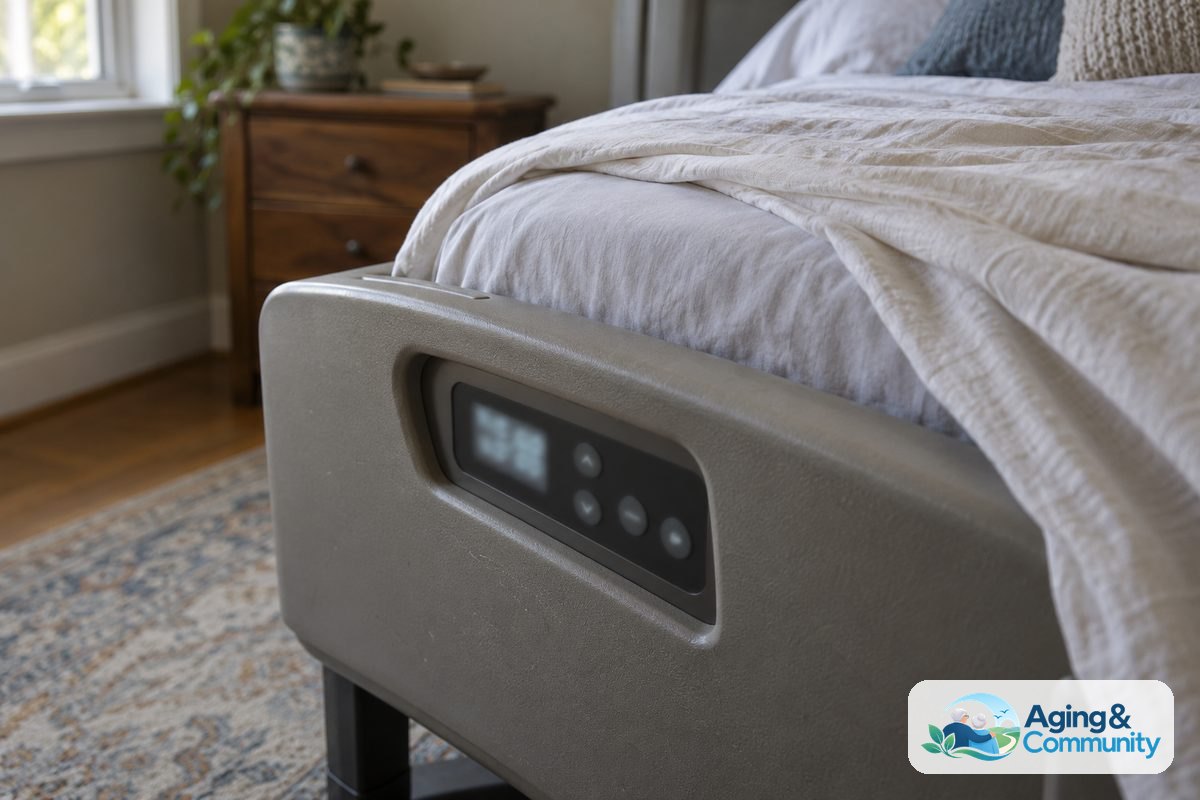
Learning how to use hospital bed scale features lets you track weight changes without moving someone out of bed. To get an accurate reading, you set the scale to zero with clean bedding in place, help your loved one lie still in the center, and press the weigh button on the digital control board. This built-in tool makes daily health monitoring safe, gentle, and quiet for everyone involved.

Step-by-Step Guide to Operating the Bed Scale
- Clear all extra items from the mattress: Remove heavy blankets, extra pillows, tissue boxes, and medical equipment cords that do not belong to the frame before starting. Leaving these items on the mattress will alter the total weight reading.
- Zero out or tare the scale: Press the zero or tare button while only the fitted sheet and a light top sheet rest on the bed, ideally before the person gets into bed. This sets the base measurement so the system only registers your loved one.
- Position the person in the center: Ask your loved one to lie flat on their back directly in the middle of the mattress with their arms and legs resting within the frame boundaries. Having weight distributed evenly across the frame sensors ensures the most precise reading.
- Flatten the bed frame: Adjust the head and foot sections until the mattress is completely horizontal. Reading weights while the head is elevated can shift pressure unevenly across the load cells.
- Disconnect or drape tubing freely: Check that intravenous lines, catheter bags, and oxygen tubing hang freely without resting on the floor or pulling on the headboard. Any line pulling downward or resting on a side table will distort the displayed numbers.
- Press the weigh button: Tap the weight measurement button once and wait a few seconds while the display calculates the numbers. Ask your loved one to breathe normally and stay still until the final number flashes or beeps.
- Record the reading promptly: Write down the number, date, and time of day in a dedicated notebook or mobile health log. Logging this data daily helps doctors notice steady shifts in body fluid or nutrition.
Common Mistakes to Avoid
- Weighing with extra gear on the bed: Forgetting to take off heavy winter quilts, weighted lap blankets, or visiting pets will cause false weight gains.
- Leaving parts of the body off the frame: Allowing arms, legs, or feet to dangle off the edge of the mattress keeps the sensors from capturing the full body mass.
- Leaning against the bed rails: Caregivers resting their hands or leaning against the frame while pressing the weigh button will accidentally add their own body weight to the display.
- Ignoring equipment resting on the floor: Letting drainage bags or heavy monitor cables drag on the floor removes weight that the bed sensors should be counting.
- Skipping the zero process after linen changes: Adding a thick waterproof pad, a pressure relief topper, or fresh sheets without re-zeroing the system leads to inaccurate records over time.

When to Call for Help or Professional Advice
Regular weight logs give healthcare teams helpful clues about hydration, heart health, and nutrition. You should contact a primary care physician, home health nurse, or physical therapist if you see sudden, unexplained weight shifts. For example, a gain of two or more pounds in a single day often needs a quick phone call to the care team.
When you call the nurse or doctor, have your logbook open in front of you. Tell them the exact numbers from the past three to five days, the time of each reading, and any other symptoms you observe, like swelling around the ankles or shortness of breath. If the bed screen shows error codes such as Err, Tilt, or uncalibrated readings that do not clear after a restart, call the medical equipment supplier who delivered the frame to request a service visit.
Preparing the Bed Frame and Surroundings
Before weighing someone, take a moment to look at the room around you. The bed should sit on a hard, level floor surface away from thick area rugs. When wheels sit half on carpet and half on bare floor, the weight balance can tilt. Knowing how to use hospital bed leveling features keeps the frame stable and secure.
Check the walls and nearby nightstands as well. The headboard, footboard, and side edges should not touch any walls, tables, or dressers. Even light friction against a drywall surface can absorb some of the downward pressure, giving a false reading. A clear safety zone of several inches around low height beds makes your measurement dependable.

Managing Bed Accessories and Remotes During Weighing
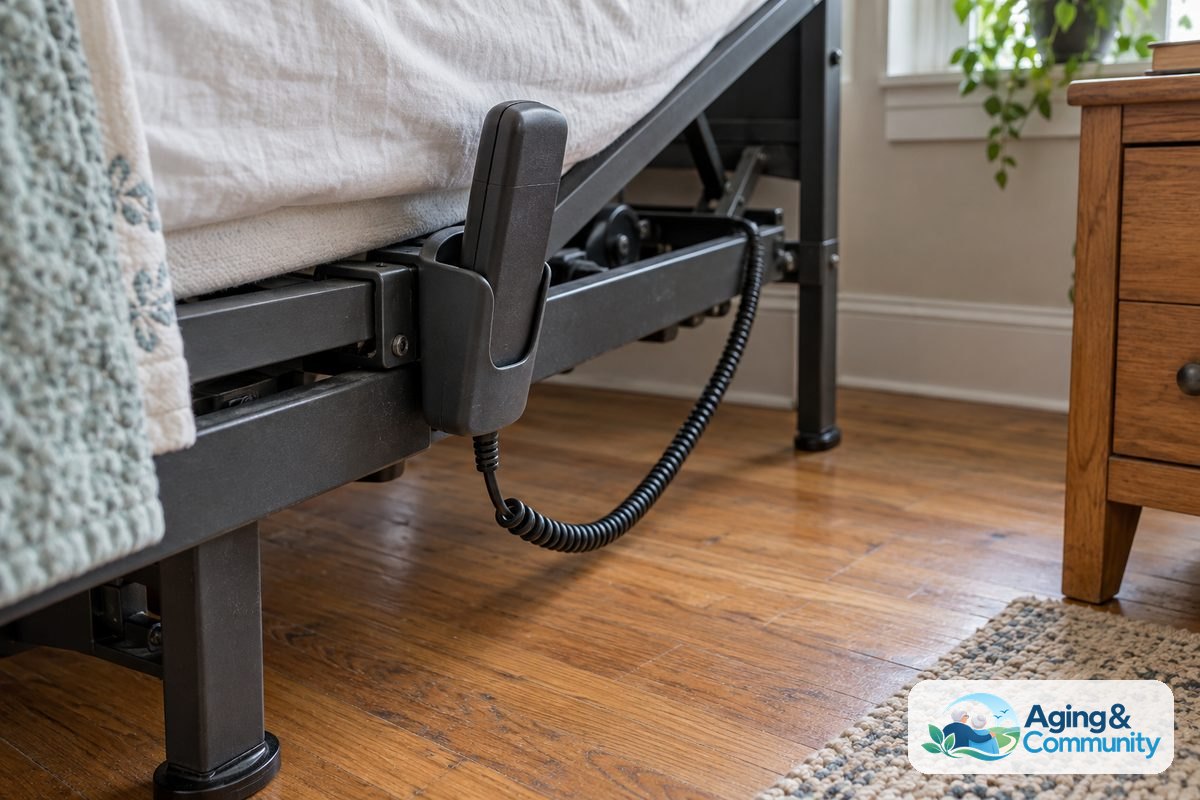
Many modern electric frames come with handheld pendants that manage comfort settings. Learning how to use hospital bed remote buttons allows you to bring the mattress flat quickly before starting the scale function. Keep the remote control lying directly on the mattress or clipped into its designated holster on the side.
Safety rails also play an important role during daily care routines. Understanding how to use bed rail for elderly family members helps you keep side supports locked safely upward while the person lies still. Just be sure no one pulls or pushes on the rails during the ten seconds the scale takes to lock in the final number.
Supporting Safe Daily Care at Home
Weighing a family member in bed is one part of helping older adults remain comfortable in their familiar surroundings. Resources on aging in place offer helpful ideas for organizing a living space for long-term health and independence. Using bed scales cuts down on the physical strain of moving to a standard bathroom scale each morning.
Keeping family members safe from slips and trips remains a top priority during morning care. Reading guidance on falls and falls prevention can help you spot room hazards like loose throw rugs or cords near the bed base. If you ever feel overwhelmed by caregiving tasks, community support is available through the Eldercare Locator to connect you with local respite and medical equipment resources.
Frequently Asked Questions
Can you weigh someone while the head of the bed is raised?
Most manufacturers recommend lowering the head and foot sections completely flat before taking a reading. When the mattress bends, the person’s body weight shifts toward the center hinge, which can alter the load cell response. If your loved one cannot lie completely flat due to breathing comfort, check your user manual to see if the model has a compensated angle mode.
What does it mean to tare or zero a hospital bed scale?
Taring means telling the bed computer to ignore the weight of the frame, mattress, and bedding. When you press zero, the display resets to 0.0 pounds. That way, when your loved one lies down, the digital monitor counts only their body weight rather than the sheets and mattress core.
How often should a hospital bed scale be calibrated?
Under normal home use, professional calibration once a year is usually sufficient. However, if the bed is moved across thresholds, bumped during room reorganization, or begins showing erratic numbers, ask your medical equipment supplier to check it. They use certified test weights to balance the load cells properly.
Why does the bed scale show a different weight two minutes later?
Slight changes can happen if the person shifts their body position, leans against a side rail, or if extra blankets were tossed back onto the bed. Fluid lines or power cords that were bumped can also alter the load. For the most consistent numbers, take measurements at the same time each morning after emptying drainage bags and before breakfast.