

Learning how to use rollator wheelchair combo devices gives you the flexibility to walk when you feel strong and ride when you get tired. These hybrid models switch between a rolling walker and a seated transport chair with a few quick adjustments. Operating one correctly keeps you steady on your feet and comfortable while seated.
Many families choose a 2-in-1 hybrid because it supports staying active in everyday life. Understanding rollator versus wheelchair designs helps you see why these tools work so well for community outings. With the right setup, you can move smoothly between walking independently and relaxing while a companion pushes you.

How to Use a Rollator Wheelchair Step by Step
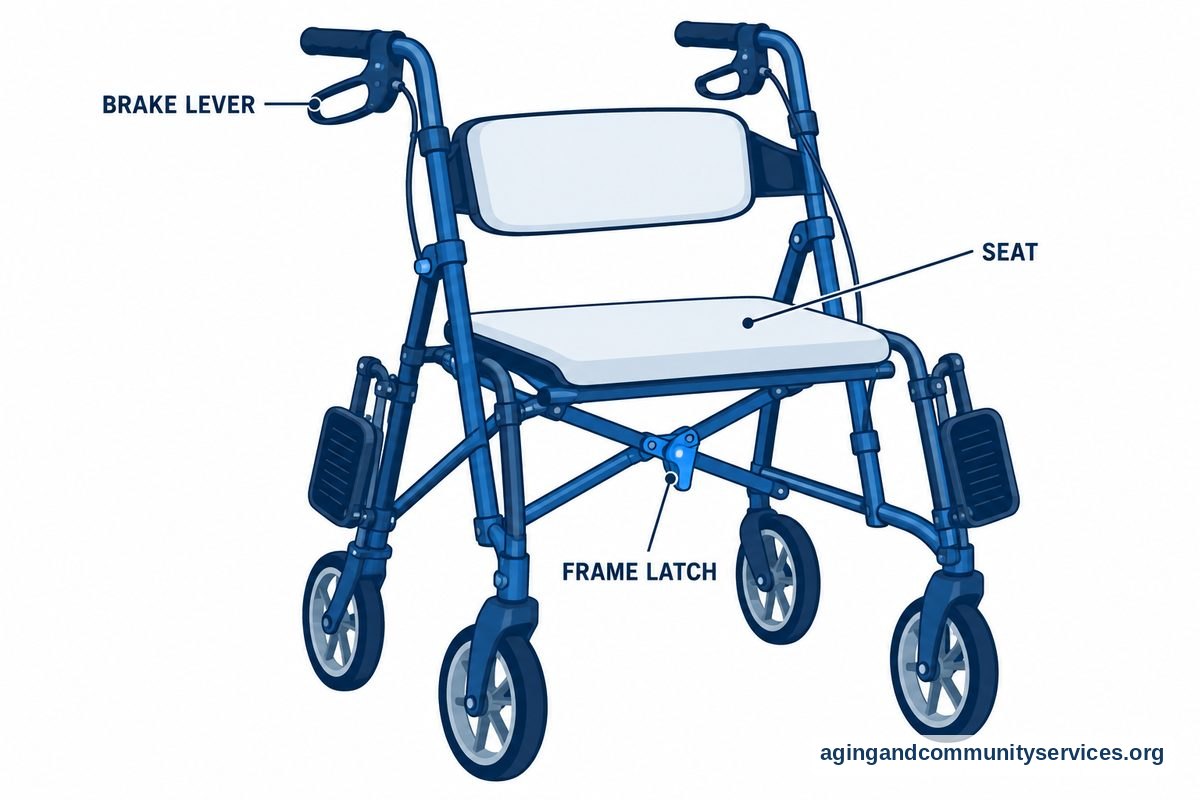
- Check the frame and unfold completely. Open the frame until the crossbar clicks firmly into place, ensuring the seat is flat and the latch is fully secured before you put any weight on it.
- Adjust the handle height for walking. Stand upright with your arms resting at your sides, and set the grip height so it lines up level with the natural crease of your wrist.
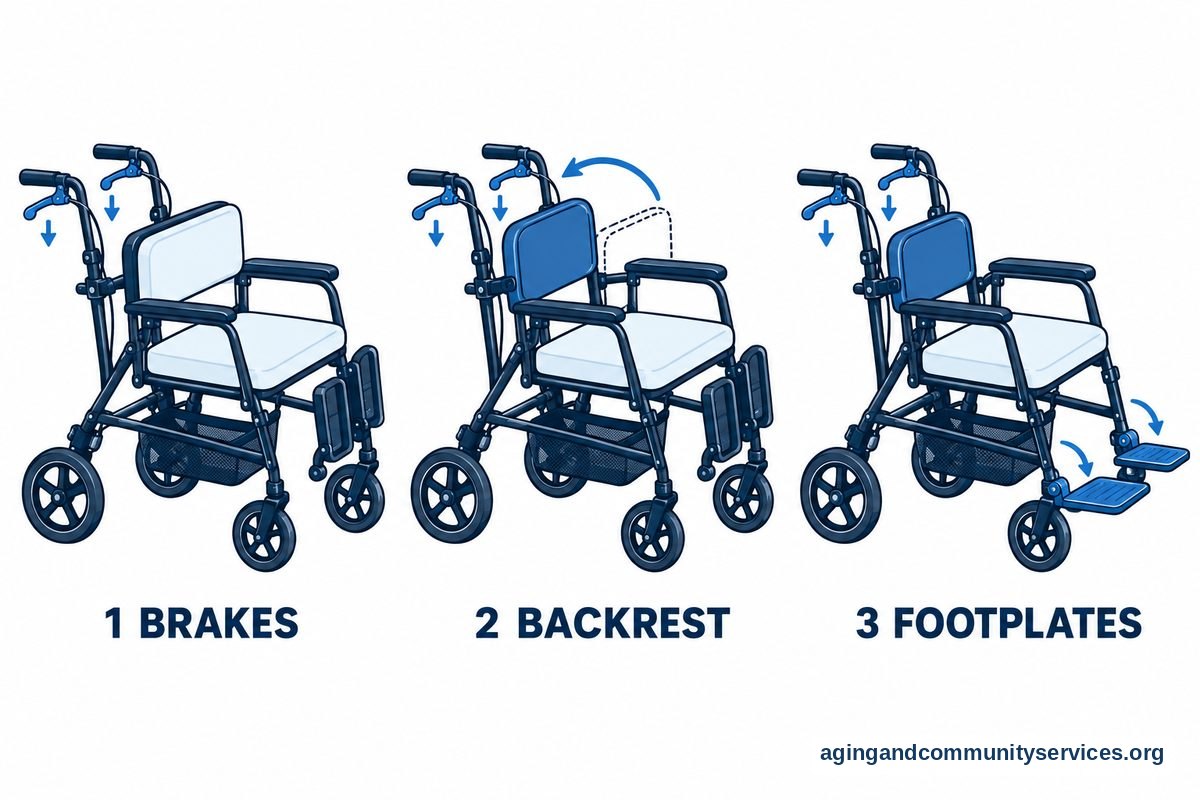
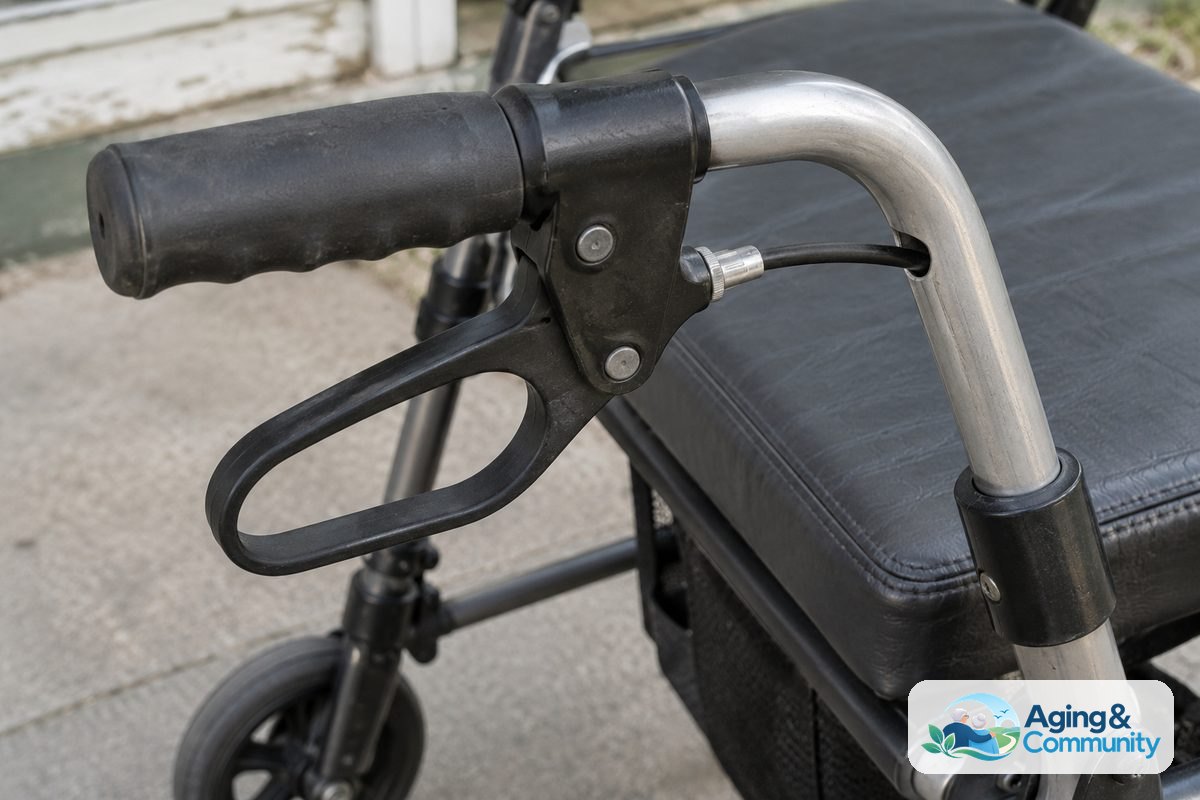
- Lock the brakes before sitting down. Push the hand brake levers downward until they click into the locked position, making sure the wheels cannot turn before you turn around to sit.
- Flip the backrest for riding mode. Swing the padded backrest to the opposite side so your back has firm support while you face forward as a passenger.
- Lower the footrests into position. Fold down the footplates from the side frame so you can rest your feet securely off the floor before your companion starts pushing.
- Release the parking brakes to roll. Have your helper squeeze the brake levers up to unlock the wheels, then push the chair forward at a steady, gentle pace.
Common Mistakes to Avoid
- Riding without footrests in place. Letting your feet hang down or drag on the floor while being pushed can catch your shoes and cause tipping.
- Forgetting to lock brakes during transfers. Trying to sit down or stand up while the wheels can roll makes the frame slide away from your body.
- Walking too far behind the frame. Pushing the device far out in front forces you to hunch over, which strains your back and reduces stability.
- Propelling yourself while seated. Using your feet to scoot forward like an office chair can lead to falls because the small front casters can catch on small bumps.
- Overloading the storage pouch. Hanging heavy bags or purses on the handlebars makes the rear wheels light and increases the chance of tipping backward.
When to Get Professional Advice
Getting advice from a physical therapist or occupational therapist is a wonderful way to protect your balance and posture. A therapist can check your walking pattern, measure your body for a custom fit, and teach your caregiver safe pushing habits. You should contact a professional if you experience persistent joint pain, feel off-balance during transitions, or feel unsure about handle heights.
When you speak to a physical therapist or doctor, tell them where you plan to use the device most often, such as on thick carpets, sidewalk ramps, or gravel paths. Explain any challenges you have with grip strength or standing stamina. The National Institute on Aging: Falls and Falls Prevention resources highlight how working with healthcare providers can lower the risk of balance troubles. If you need help finding local mobility clinics, the Eldercare Locator connects older adults with support services right in their home area.
Setting Up the Device for Walking Support
When you use the hybrid device as a walker, tuck the footrests away completely. Most models allow the footplates to clip neatly to the outer frame or fold flat against the side bars. This keeps your walking path clear so your shins do not bump into metal parts as you step forward.
Keep your body centered inside the frame rather than trailing behind it. Your hips should stay aligned between the rear wheels while your elbows maintain a slight, comfortable bend. Reviewing the basic rules of how to use rollator units can help you build good walking rhythm and posture. Squeeze the brakes gently whenever you walk down a slight ramp to control your speed.

Switching to Transport Seating Safely
Converting the hybrid unit into a transport chair requires care and a smooth surface. Always park on level ground and lock both hand brakes before making any adjustments. If you want to review parking controls, guide sheets on how to use wheelchair brakes offer helpful reminders on keeping wheels stationary.
Flip the backrest so it supports you when facing forward, then lower the footrests until they click into their horizontal slots. Sit down slowly by reaching back for the armrests or seat edges with both hands. Place your feet flat on the footrests and keep your hands in your lap. Remind your caregiver to look ahead for cracks, door thresholds, or uneven tiles before pushing forward.
Taking Rests on Solo Outings
If you are out on your own without a companion, you can still use the padded seat for quick rests. Practice the safe methods found in guides on how to use a rollator walker with seat options, or read about how different rollator designs are explained. In this situation, you do not use the footrests at all.
Simply lock the hand brakes firmly, turn around so the backs of your legs touch the seat cushion, and ease yourself down. Keep your feet planted firmly on the ground while resting. Remember that you must never attempt to push the chair forward with your feet while seated alone, as the frame is not designed for self-propulsion.
Frequently Asked Questions
Can I push myself while sitting in a rollator wheelchair?
No, you should never push yourself while seated in a combination unit. The wheels are placed for caregiver pushing or forward walking support, so scooting yourself with your feet can cause the front casters to catch and tip the frame.
How do I know what handle height to choose?
Stand naturally with your regular walking shoes on and let your arms hang loosely at your sides. The top of the hand grips should match the height of your inner wrist crease, allowing a comfortable bend in your elbows as you walk.
Can a rollator wheelchair be used on outdoor grass or gravel?
These devices roll best on smooth, hard surfaces like concrete, wood, and firm tile. While larger wheels handle short grass or packed dirt, soft lawns, deep gravel, and sand can stop the wheels suddenly and make pushing difficult.
How do I fold the combo chair to put it in a car?
First, swing the footrests up or remove them if they are detachable. Pull up on the center handle located on the seat fabric or crossbar, which releases the frame lock and brings the two sides together into a compact, flat shape.
What is the difference between this and a standard transport chair?
A standard transport chair can only be pushed by a helper and has no forward-facing walker handles. A combo unit features reversible backrests, dual-purpose brakes, and forward handles so you can walk independently whenever you choose.