

Learning how to use stair lift equipment properly can make moving between floors simple, comfortable, and safe. To operate the lift, you lower the seat, sit down completely, fasten the seatbelt, and hold the control switch in the direction you want to travel. Once the chair reaches the landing, you swivel the seat toward the floor, release the belt, and stand up with balanced footing.

How to Use a Stair Lift in 7 Steps
- Lower the folded parts. Fold down the seat, the armrests, and the footrest so the lift is fully open and ready for you to sit.
- Sit down securely. Back up gently until the back of your knees touch the chair, then lower yourself into the center of the seat with both feet flat on the footrest.
- Fasten the safety belt. Pull the belt across your lap and click the buckle into place, making sure it fits snugly around your hips.
- Press and hold the control toggle. Push the control lever or toggle on the armrest toward the direction you want to go, keeping light pressure on it throughout the ride.
- Keep your limbs inside the footrest. Keep your elbows tucked near the armrests and keep your feet firmly on the platform while the chair glides along the rail.
- Wait for the chair to stop fully. Release the switch only after the motor stops moving at the top or bottom landing of your staircase.
- Swivel the seat and stand. Use the swivel lever under the armrest to turn the seat toward the flat floor, lock it in place, unbuckle your belt, and stand up smoothly.
Common Mistakes to Avoid
- Riding without the seatbelt fastened: Skipping the lap belt can lead to slipping forward if the chair stops suddenly or touches an obstacle.
- Letting feet hang off the footplate: Allowing toes or heels to hang over the edge can cause your shoes to catch against the steps or the rail.
- Standing up before the seat is swiveled: Trying to step out while facing the open drop of the stairs creates an unnecessary slip hazard.
- Releasing the control too early: Letting go of the control switch mid-flight stops the lift on the stairs instead of letting it reach the charging dock.
- Carrying heavy, bulky packages: Holding oversized baskets or laundry bags while riding can throw off your balance and block your view of the track.

When to Call for Help or Professional Advice
Stair lifts are dependable machines, but they require regular care to run smoothly. If your lift begins to beep continuously, moves at an unusual speed, or stops midway without an obvious obstacle, it is time to call your local equipment dealer or certified technician. When you call, provide the brand name, model number, and a clear description of any flashing lights or error codes on the armrest display.
For personal health needs, speak with a doctor, physical therapist, or occupational therapist. An occupational therapist can evaluate your balance, transfer habits, and overall strength to make sure you move in and out of the chair safely. The team at the Eldercare Locator can also help you find local community support services and home modification specialists in your area.
Daily Safety Checks and Maintenance Tips
A few seconds of care before each ride helps keep your equipment in top shape. Always look down the stairway before starting your trip to make sure pets, blankets, or shoes are not resting on the steps. Stair lifts have sensitive safety sensors on the footrest and chassis that stop the motor if they touch an object, but keeping the path clear makes every ride smooth.
Always park the chair on its designated charging stations at the very top or bottom of the rail. These parking points keep the internal batteries charged in case your home experiences a temporary power outage. If you plan to make broader upgrades for accessible living, reviewing the National Institute on Aging: Aging in Place resources can help you plan your living space for long-term comfort.

Using Remote Controls and Shared Lifts
Most home stair lifts come with two handheld remote controls, usually mounted on the wall near each landing. These remotes are useful when two people share the lift or when you need to send the empty chair away to clear space in a narrow hallway. Pressing the directional arrow on the remote summons the chair to your floor so you never have to climb the stairs to retrieve it.
When sharing a lift, remember to fold the seat, armrests, and footrest after each use. Folding the unit leaves maximum room on the staircase for others who walk up and down the steps. Many older adults find that combining a lift with practical stair safety for elderly family members, such as solid handrails and bright lighting, creates a supportive home for everyone.

Choosing the Right Equipment for Your Needs
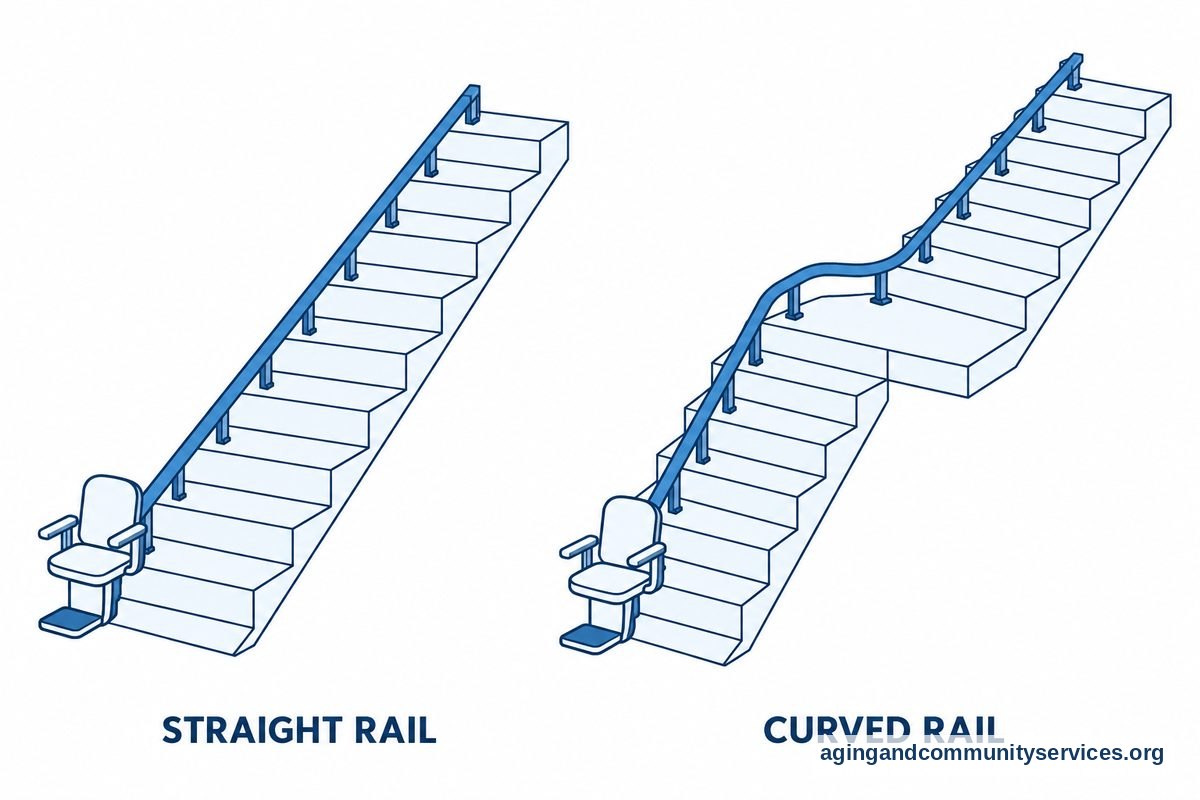
Every home has a unique staircase design, ranging from straight runs to curved flights with middle landings. Exploring suitable stair lifts for seniors ensures you find a model with the right swivel options, weight capacities, and track layouts for your space. Some individuals may also consider other mobility aids, such as dedicated stair assist devices for elderly users who still prefer walking with extra physical support.
Planning your budget is another helpful step. Many families wonder does medicare cover stair lift chairs when mobility needs change. While standard Medicare rarely pays for the purchase or installation of a home stair lift, state assistance programs and veteran benefits often provide practical funding options to explore.
Frequently Asked Questions
How does a stair lift work during a power outage?
Most modern home stair lifts run on internal rechargeable batteries that continuously charge when the unit is parked. If the power in your home goes out, the chair continues to work for multiple trips up and down the stairs on battery reserves.
What should I do if the stair lift stops midway on the stairs?
First, check to see if an object on the steps has touched the safety edge of the footplate. Reverse the switch slightly to back away from the object, remove the item safely, and resume your trip. If the lift does not move, remain seated and call out to a family member or use your mobile phone to ask for help.
Can I leave the stair lift parked anywhere on the rail?
It is best to park the lift at the top or bottom landing where the metal charging strips are located. Leaving the chair in the middle of the stairs can drain the battery over time and may block the walking path for others.
How do I swivel the seat at the top of the stairs?
When the lift reaches the top landing, lift or push down the manual swivel lever located beneath the seat cushion or armrest. Turn your body toward the flat hallway floor until the seat clicks firmly into a locked position before unclipping your belt and standing.
Can you fold up the stair lift when not in use?
Yes, the seat, armrests, and footrest fold upward against the wall. Keeping the chair folded when parked keeps the stairway open for family members and guests who walk up and down the steps.