

When comparing a lift chair vs hoyer lift, the right choice comes down to how much physical support a person needs to stand or move. A power lift chair helps someone who has some leg strength gently rise from a seated position on their own. In contrast, a Hoyer lift is a medical device that does all the heavy work, allowing a caregiver to lift and transfer a person who cannot bear weight at all.
Both pieces of equipment can support comfort and safety at home. Choosing between them depends on physical strength, living space, and whether a caregiver is available to help throughout the day. Talking with a doctor, physical therapist, or occupational therapist is always an important first step before making a final decision.
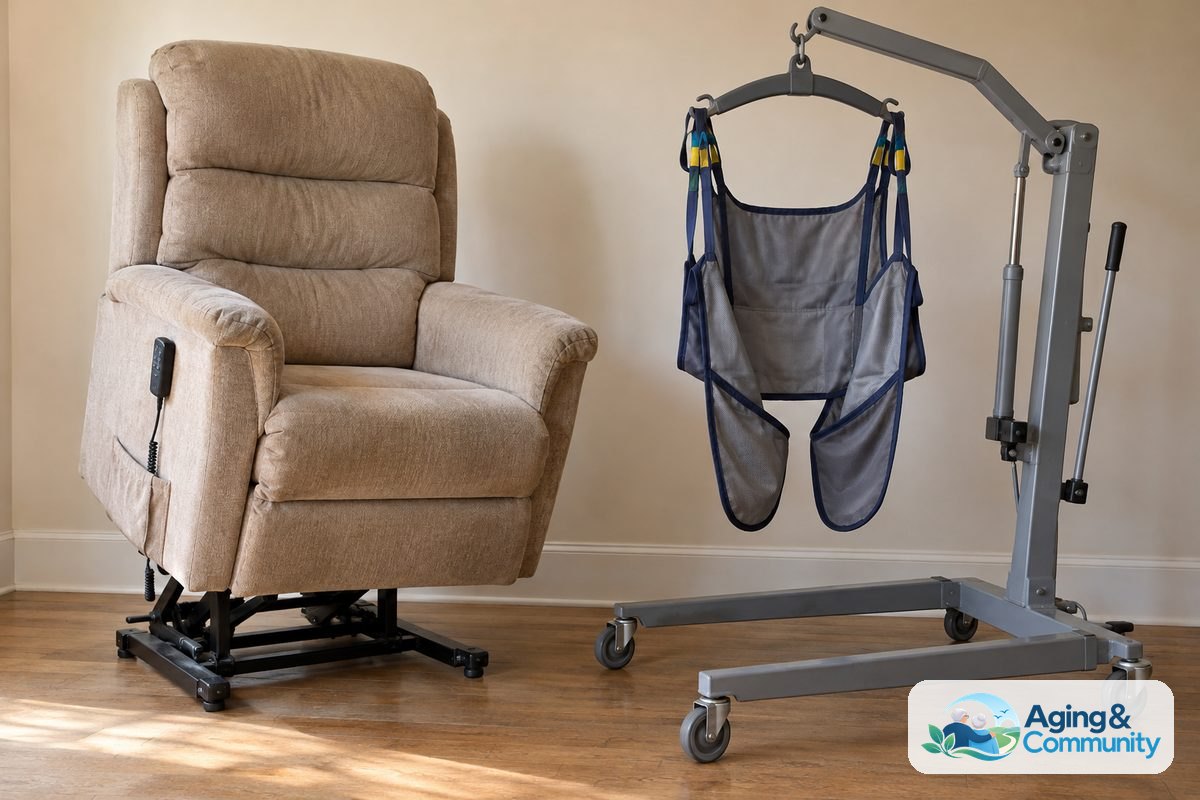
Comparison of Key Differences
While both tools help people move more easily, they serve completely different daily needs. Here is how they compare across several practical factors:
| Feature | Power Lift Chair | Hoyer Lift (Full-Body Patient Lift) |
|---|---|---|
| Primary Purpose | Helps a person stand up from a seated position | Transfers a person between surfaces (such as bed to wheelchair) |
| Physical Ability Needed | User must be able to bear weight on their legs | User does not need to bear any weight |
| Caregiver Requirement | Can be operated independently with a hand control | Requires at least one trained caregiver to operate safely |
| Mobility | Stationary living room recliner | Wheeled base moved from room to room |
| Power Source | Plugs into a standard wall electrical outlet | Manual hydraulic pump or rechargeable battery pack |
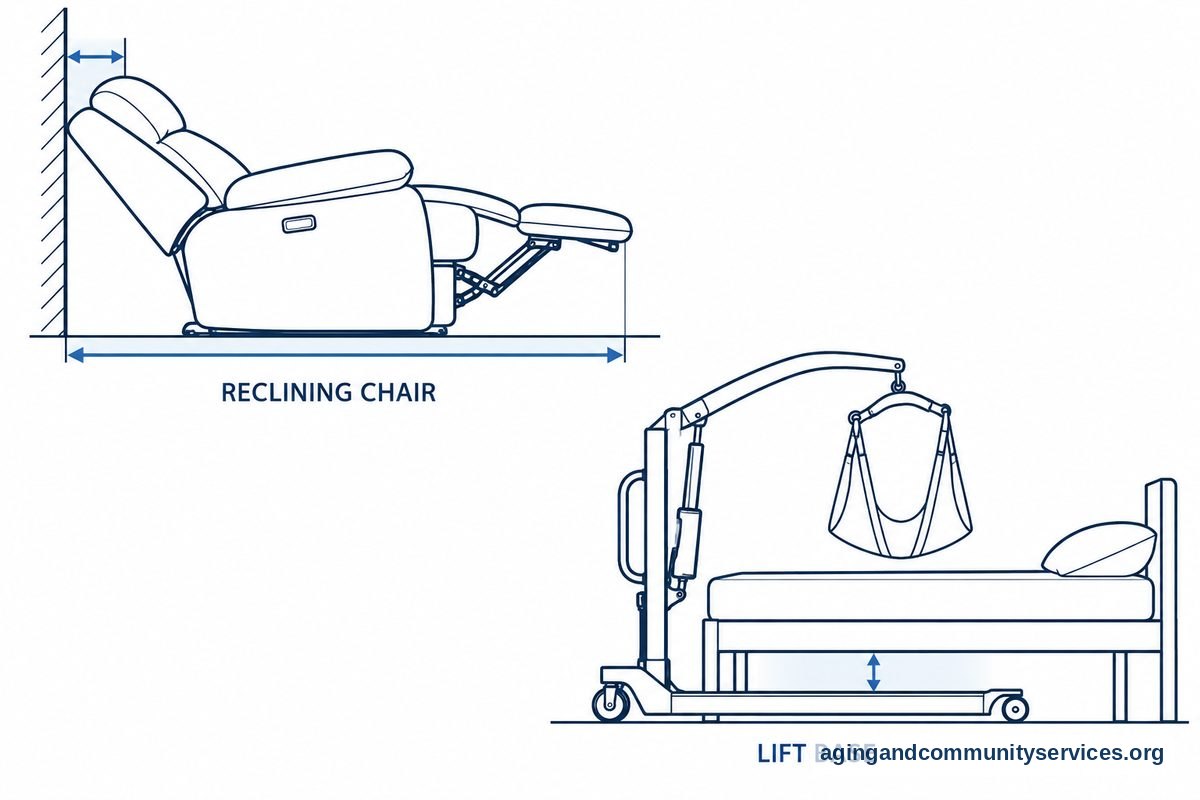
| Space Needed | Requires clear floor space for reclining | Requires wide doorways and open floor space under beds |
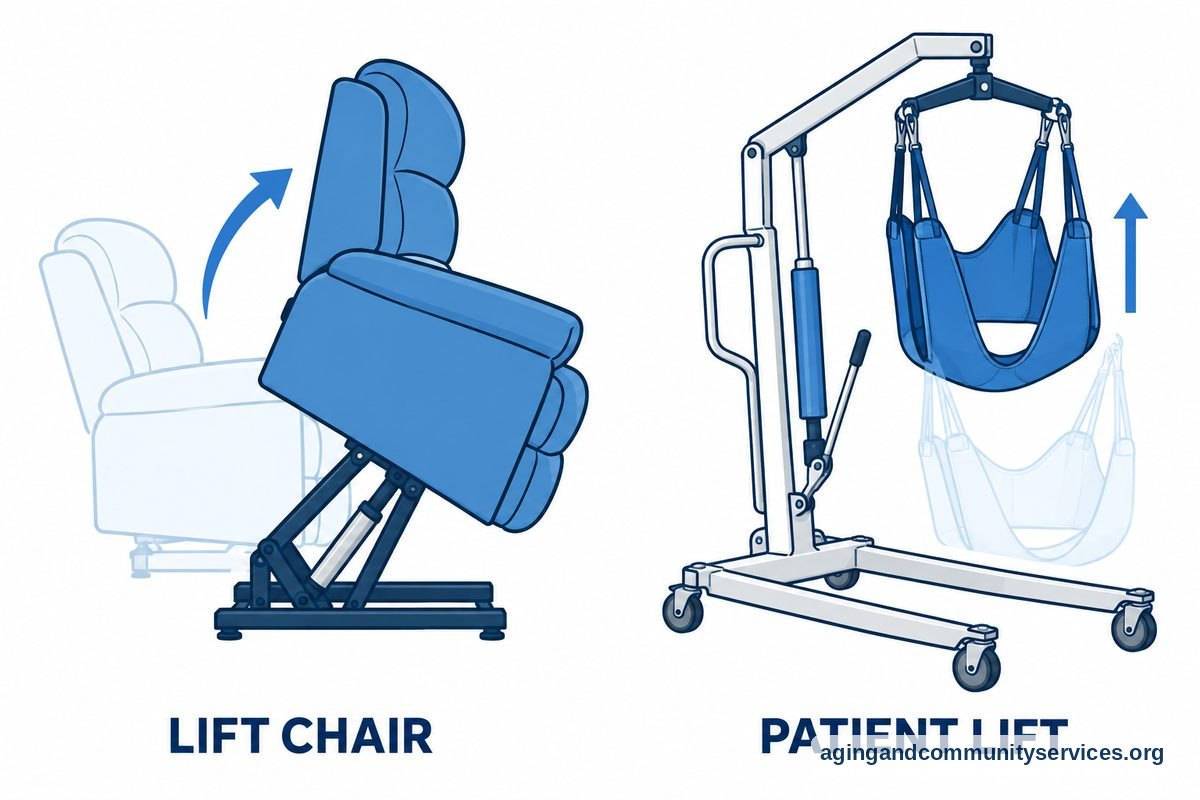
Understanding Power Lift Chairs
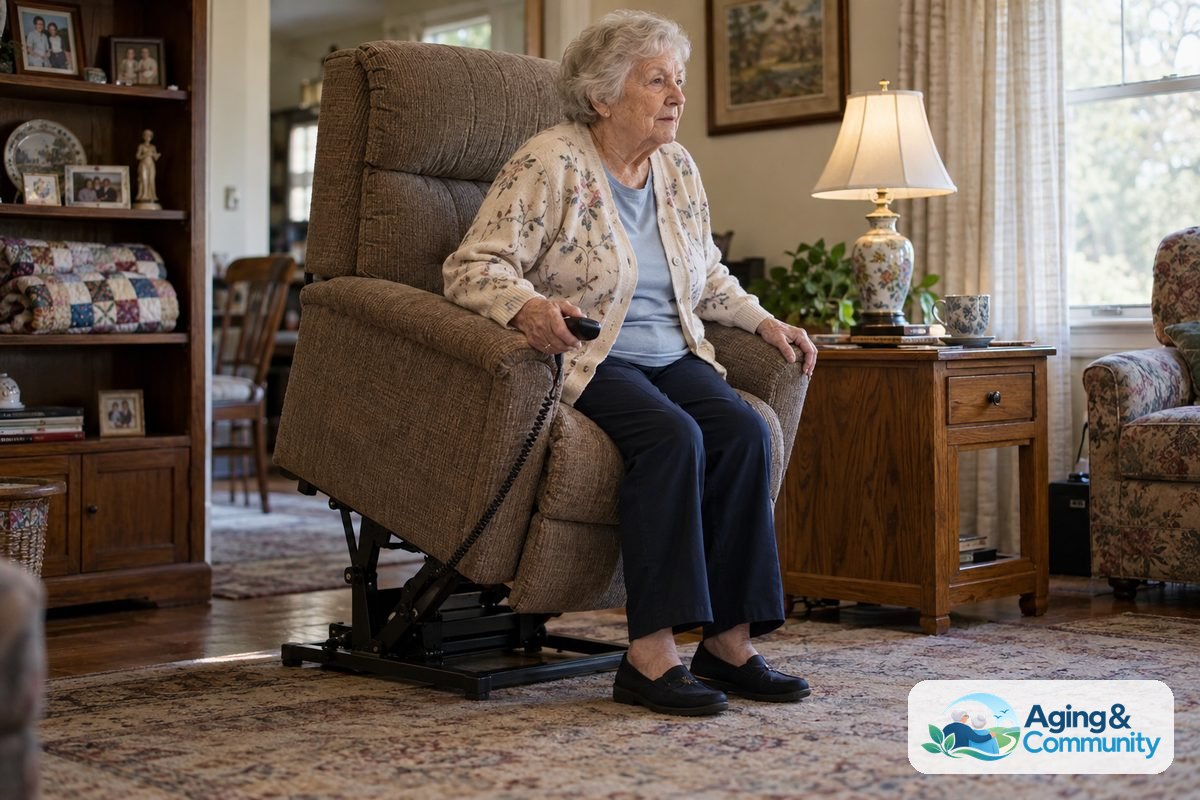
A power lift chair looks and feels like a standard, comfortable living room recliner. The main difference is an internal electric motor that tilts the base and back forward. This gentle motion helps bring the user to a steady standing position without straining their knees, hips, or lower back.
These chairs are designed for older adults who want to maintain their independence. If you have mild stiffness or joint pain, the chair provides just enough boost to make standing up safe and smooth. Many models also recline deeply for napping, reading, or watching television. Families often explore lift chairs for elderly family members who spend significant parts of the day in a favorite armchair.
However, lift chairs have clear limitations. The user must still have enough balance and leg strength to support their body once the chair brings them up. They cannot move a person across the room or assist with getting into a bed. Additionally, questions often arise regarding financial support for these seats, so it is helpful to look into does medicare cover lift chair recliners before shopping.
Understanding Hoyer Lifts
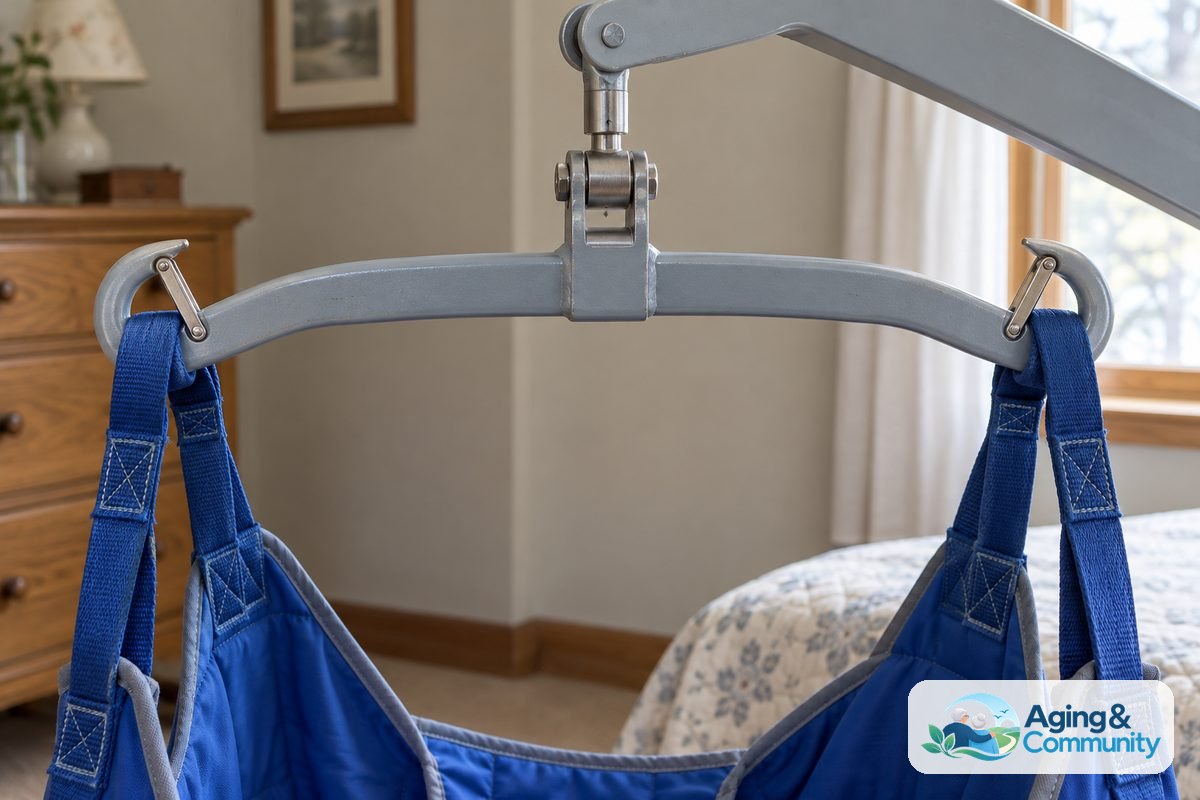
A Hoyer lift is a type of mechanical patient lift designed to carry the entire body weight of an individual. It uses a strong metal frame on wheels, a supportive fabric sling, and either a hydraulic jack or an electric motor. The sling is carefully placed under the person while they are lying down or seated, and the machine lifts them completely off the surface.
This device is essential for individuals who cannot bear any weight on their legs or who have severe balance challenges. It allows a single family member or aide to transfer a loved one safely between a bed, wheelchair, commode, or shower chair. Practicing proper techniques on how to use patient lift equipment helps keep both the individual and the caregiver safe from back strain.
The main limitation of a Hoyer lift is that it cannot be used alone. A caregiver must always be present to position the sling, connect the straps, and guide the frame. The equipment also requires hard, level flooring, open clearance beneath the bed or furniture, and wide doorways to roll smoothly through the house.
How to Decide
Matching the equipment to your loved one’s physical capabilities is the best way to ensure safety. The National Institute on Aging provides guidance on aging in place that emphasizes setting up the home environment to match personal needs. Consider these common scenarios to guide your choice:
- Choose a lift chair if your loved one can walk with or without a cane or walker once they are on their feet.
- Choose a lift chair if the primary challenge is getting up from a deep, soft couch or armchair.
- Choose a lift chair if your loved one spends alone time during the day and needs to stand independently to use the restroom.
- Choose a Hoyer lift if your loved one is bedbound, has limited trunk control, or cannot bear weight on their legs.
- Choose a Hoyer lift if transferring your loved one manually puts the caregiver at risk of physical injury.
- Choose a Hoyer lift if you need a reliable method to move between multiple surfaces, such as from a bed directly into a wheelchair.
If you are unsure where to start or need assistance finding home resources, the Eldercare Locator can connect your family with local support programs and equipment specialists.
Frequently Asked Questions
What is the difference between a patient lift vs hoyer lift?
There is no practical difference between the two terms. Hoyer is a brand name that has become a common term for all full-body patient lifts. Just as people often use the word Kleenex to describe any facial tissue, people frequently say Hoyer lift when referring to any brand of mechanical patient lift.
How does a hoyer lift vs gait belt compare?
A gait belt is a sturdy canvas or nylon strap that fastens around a person’s waist. It gives a caregiver secure handholds to steady someone who can already stand and walk with assistance. The National Institute on Aging notes that practical supports and movement aids can lower the risk of falls during daily activities. Unlike a gait belt, a Hoyer lift carries all of a person’s weight through a sling, making it suitable for those who cannot stand at all.
What is the difference between a hoyer lift vs sara stedy?
A Sara Stedy is a manual sit-to-stand transfer device. The user sits on small swiveling seat pads, places their feet on a footrest, and holds onto a handlebar while a caregiver rolls them to a new seat. The user must have enough upper body strength to hold on and some ability to bear weight. A Hoyer lift, on the other hand, requires no strength or effort from the user.
How does a hoyer lift vs trapeze assist a person in bed?
A bed trapeze is an overhead bar suspended from a frame or ceiling above a hospital bed. A person grasps the bar with their hands to adjust their own position, sit up, or help reposition themselves in bed. It requires good arm and grip strength. A Hoyer lift lifts the person completely off the bed using a sling, requiring no arm strength or physical effort from the user.
What is the difference between a hoyer lift vs ez stand?
An EZ Stand is a powered sit-to-stand lift designed for people who have partial weight-bearing capability. It uses a strap around the torso and lifts the person into a supported standing position with their feet planted on a base. A standard Hoyer lift is a passive full-body lift that suspends the person in a seated or reclined sling without requiring them to stand. For minor seated shifts, some families also learn how to use a transfer board instead of a mechanical lift.
How does a hoyer lift vs maxi move or golvo compare?
Maxi Move and Golvo are specific premium brand names of mechanical patient lifts. The Maxi Move is a battery-powered mobile lift known for vertical lifting stability. The Golvo uses an overhead strap mechanism within a mobile frame to lift straight up smoothly. Both function as full-body patient lifts, serving the same core purpose as a traditional Hoyer lift.
Is a hoyer lift related to a hoyer lift vs cherry picker?
A cherry picker is an industrial machine with a hydraulic boom used by utility workers to reach telephone poles, trees, or high roofs. Sometimes people affectionately nickname a Hoyer lift a cherry picker because the metal arm looks similar. However, a cherry picker is heavy construction machinery, while a Hoyer lift is an indoor medical device designed for home care.