

Preventing falls at home room by room starts with looking at the spaces used every day and making small, steady changes. A clear path, good lighting, sturdy support, and easy to reach items can make a home feel safer and easier to move through.
For older adults and the family members who help them, the goal is not to make the home feel clinical. The goal is to support normal routines with less clutter, fewer trip spots, and more confidence. The National Institute on Aging says practical steps can lower the risk of falls, including reviewing hazards at home and talking with a health care professional about balance, vision, and medicines in its guide to falls prevention.
Start With A Whole Home Walkthrough
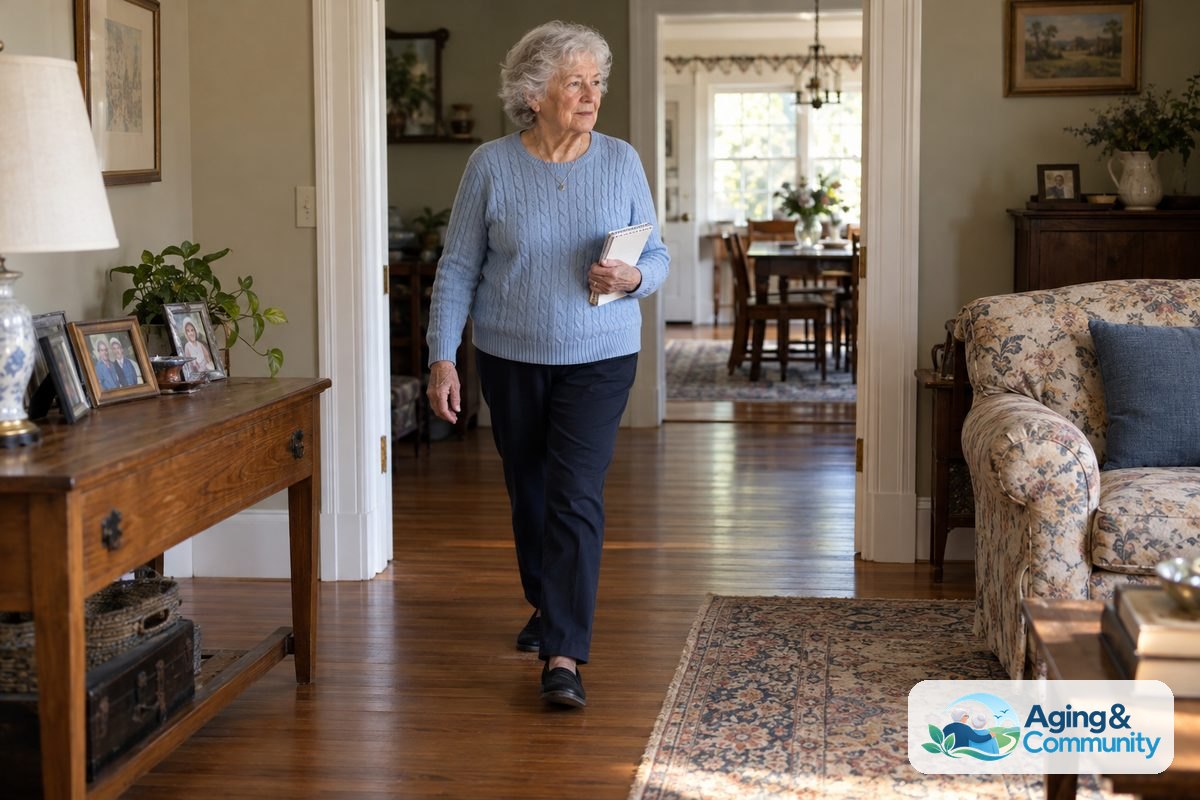
Before going room by room, take a slow walk through the home at the same pace the person usually moves. Notice what catches a foot, blocks a handrail, or makes someone reach too far. It helps to do this during the day and again in the evening, since lighting changes what you can see.
Use a simple checklist and take notes. If you want a broader guide, a home safety checklist can help you look at floors, cords, stairs, lighting, and storage without missing common trouble spots.
- Move loose shoes, bags, baskets, and pet items out of walkways.
- Keep floors dry and clean, especially near doors, sinks, and appliances.
- Remove or secure loose rugs that slide or curl at the edges.
- Place often used items between waist and shoulder height.
- Check that chairs, tables, and shelves do not wobble.
- Make sure light switches are easy to reach at room entrances.
Try to make one change at a time, then watch how it works in daily life. A change that looks good on paper should also feel natural for the person using the space.
Entryways, Hallways, And Stairs
Entryways are busy places. People carry groceries, mail, bags, canes, or keys, often while stepping over thresholds. A safer entry starts with a clear landing area, a place to set items down, and steady lighting.
Keep doormats flat and firm. If a mat bunches, slides, or has a curled edge, it can become a trip point. A small bench or sturdy chair near the door may help with changing shoes, as long as it does not block the walking path.
- Use bright bulbs in entry lights, hall lights, and porch lights.
- Keep keys, glasses, and shoes in one regular place.
- Clear snow, leaves, and wet items from outdoor steps and walkways when possible.
- Mark raised thresholds with contrasting tape if they are hard to see.
- Use handrails on both sides of stairs when possible.
Hallways should be wide enough to walk through without turning sideways. Move narrow tables, plant stands, or storage bins if they make the path tight. Night lights can help with evening trips to the bathroom or kitchen.
On stairs, check for loose carpet, uneven edges, or items left on steps. Stairs are not a good storage area, even for things that need to go up or down later. If stairs feel hard to manage, ask a physical therapist or occupational therapist for ideas that fit the person and the home.

Bathroom Safety And Daily Routines
The bathroom often needs extra attention because floors can be wet, spaces are small, and people move between sitting, standing, and stepping. A few practical changes can make the room easier to use without changing the whole layout.
Start with the tub, shower, and toilet area. For more detail, a guide to bathroom safety can help families think through grab bars, shower seating, bath mats, and storage.
- Use non slip mats or strips inside the tub or shower.
- Place a non slip rug outside the tub, and remove any rug that slides.
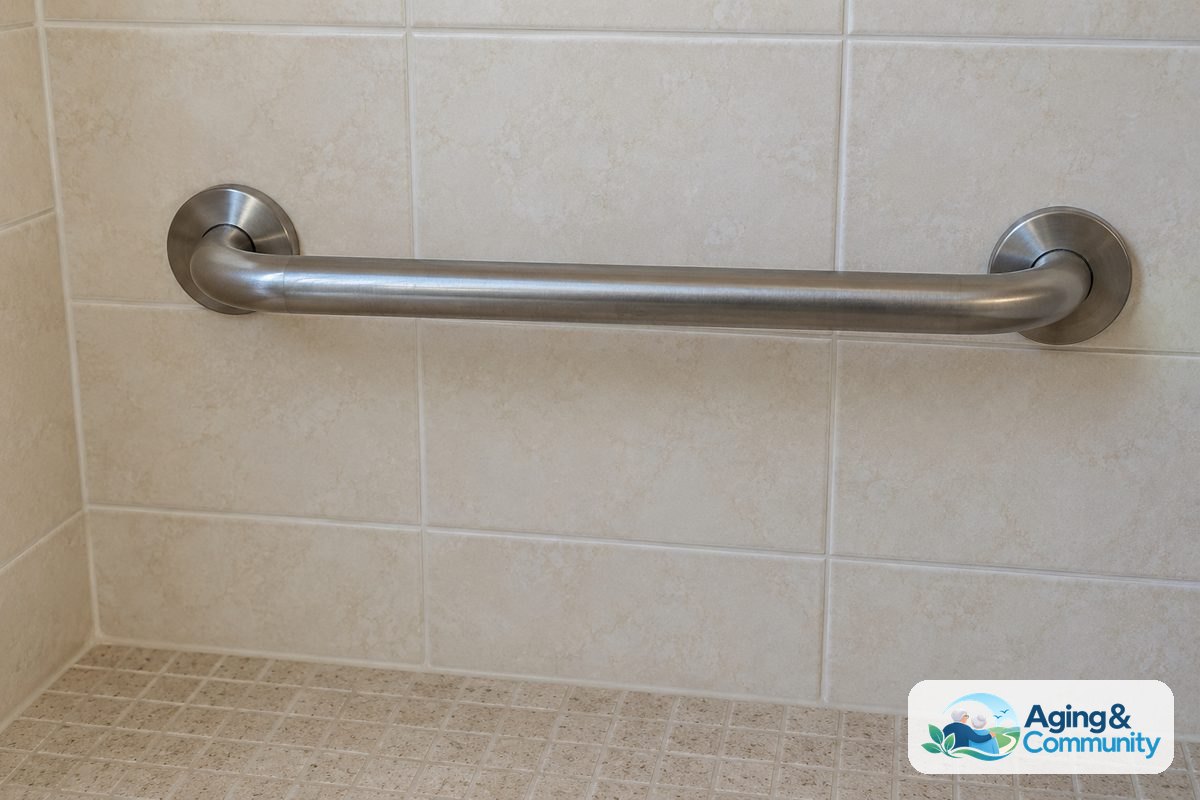
- Install grab bars where they are needed, using proper wall support.
- Keep soap, shampoo, towels, and toilet paper within easy reach.
- Use a night light or motion light for nighttime bathroom visits.
- Clean up water on the floor right away.
A towel bar is not the same as a grab bar. It may not be built to hold body weight. If support is needed near the toilet or shower, ask a qualified installer or occupational therapist about safe placement.
Routines matter too. Rushing to the bathroom can make movement less steady. Clear paths, easy clothing fasteners, and a well lit route from the bedroom may help the person move with less hurry.
Kitchen And Dining Areas
The kitchen has many moving parts: hot items, water, cabinets, appliances, and foot traffic. A safe kitchen is one where the most used tools are easy to reach and there is enough open space to turn, carry, and set things down.
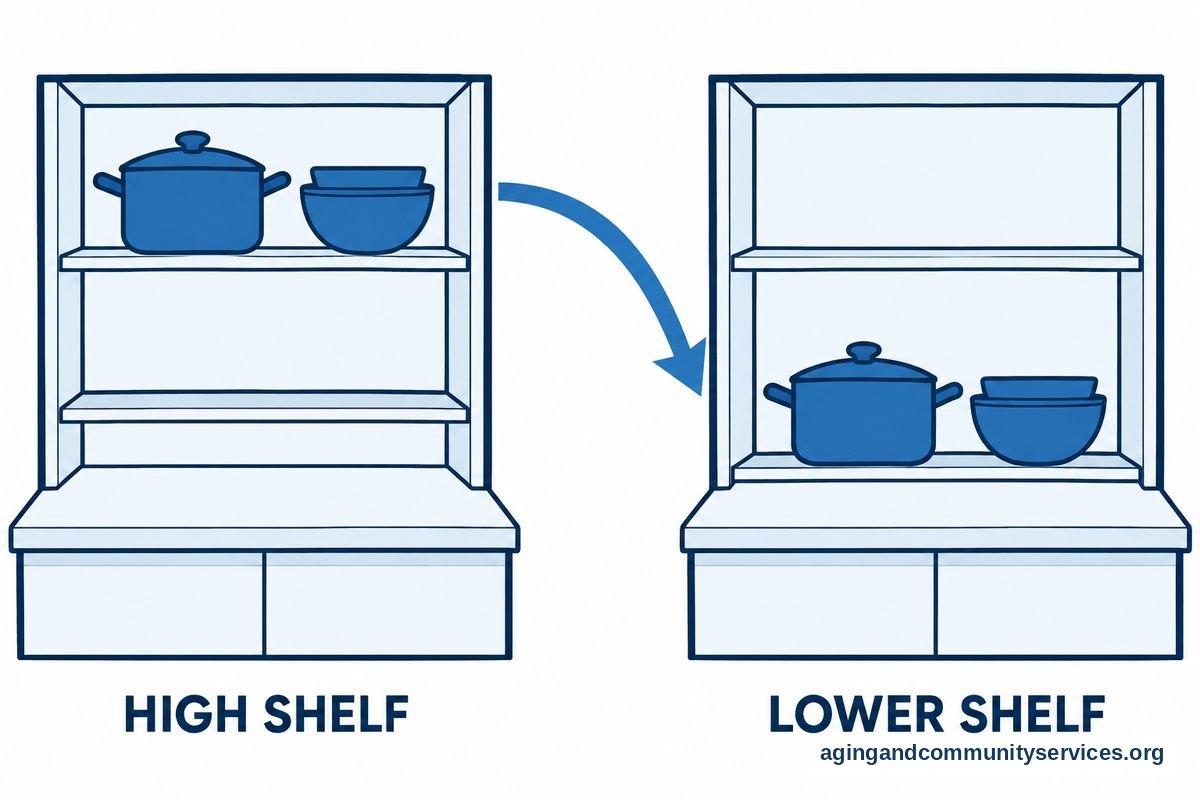
Store heavy pots, pans, mixing bowls, and small appliances at a comfortable height. Try not to keep daily items on high shelves or in deep lower cabinets that require bending and reaching. A kitchen safety guide can help you review storage, lighting, flooring, and cooking routines.
- Wipe spills as soon as they happen.
- Keep cords from coffee makers, slow cookers, and other appliances off the floor.
- Use a stable step stool only if reaching is safe and necessary.
- Keep a clear space near the stove and sink.
- Choose chairs that are steady and easy to get in and out of.
- Keep pet bowls away from main walking paths.
If reaching high cabinets is common, think about moving those items lower instead of relying on a stool. If a stool is used, it should have a wide base and a handhold. Climbing on chairs is not a safe substitute.
In the dining area, leave enough room to pull out a chair without backing into furniture. Watch for rug edges under the table. If the rug catches feet or makes chairs hard to move, consider removing it or using a safer option.
Bedroom, Living Room, And Nighttime Movement
Bedrooms and living rooms should support rest, movement, and easy daily habits. These rooms often gather cords, blankets, magazines, baskets, and furniture over time. A few minutes of clearing can make the room easier to cross.
In the bedroom, focus on the route from the bed to the door, closet, and bathroom. A resource on bedroom safety can help you look at bed height, lighting, rugs, and storage.
- Keep a lamp, phone, glasses, and water within easy reach of the bed.
- Use night lights along the path to the bathroom.
- Place clothing and shoes where they can be reached without rushing.
- Keep blankets, cords, and laundry off the floor.
- Make sure the bed is not too high or too low for safe sitting and standing.
In the living room, look at how people move between the sofa, TV, phone, and door. Coffee tables, footstools, and low baskets can be hard to see, especially in dim light. Arrange furniture so there is a clear walking path.
Cords deserve special attention. Lamp cords, phone chargers, oxygen tubing, and extension cords can cross a path without being noticed. Run cords along walls when possible, and avoid placing them under rugs where they can create a raised edge.

What You Can Do Next
Start with the room used most often or the room where a fall has nearly happened. You do not need to fix everything in one day. A calm, step by step approach is easier to keep up.
- Walk through each room with a notepad and list trip spots, poor lighting, loose rugs, and hard to reach items.
- Pick the three easiest changes, such as moving cords, clearing a hallway, or adding a night light.
- Use a fall prevention checklist to review the home again after changes are made.
- Ask the person who lives there what feels awkward, unsafe, or tiring during the day.
- Talk with a doctor, physical therapist, or occupational therapist if balance, dizziness, vision, footwear, or medicine side effects are concerns.
- Review the home again after furniture is moved, new equipment is added, or routines change.
If you need help finding local support, the Eldercare Locator offers a way to search for services through local aging resources. Local programs may vary, but they can be a useful place to ask about home safety support, caregiver help, and community services.
Keep the tone practical and respectful. The home belongs to the person living there, so changes should fit their comfort, habits, and choices whenever possible.
Frequently Asked Questions
What room should I check first for fall risks at home?
Start with the room where the person spends the most time or the room used most often at night. For many homes, that means the bedroom, bathroom, hallway, or kitchen. A room that has clutter, poor lighting, or wet floors should also move to the top of the list.
Are rugs always unsafe for someone at risk of falling?
Not always, but rugs should be flat, secure, and easy to walk over. Rugs with curled corners, thick edges, or slippery backing can create trip spots. If a rug slides or catches a foot, removing it is often the simplest choice.
How can I make the bathroom safer without remodeling?
Begin with small changes: improve lighting, remove sliding rugs, add non slip surfaces, and keep towels and toiletries within reach. If grab bars are needed, they should be installed into proper support, not just attached like towel bars. An occupational therapist can suggest placement based on the person and the bathroom layout.
What lighting changes help most at night?
Use night lights in the bedroom, hallway, and bathroom. Place lamps where they can be turned on before getting out of bed or entering a dark room. Motion lights can also help in areas where switches are hard to reach.
When should we ask a professional for help?
Ask a doctor, physical therapist, or occupational therapist if there are concerns about balance, dizziness, vision, walking, footwear, or getting in and out of chairs, beds, tubs, or cars. A professional can give guidance that fits the person, not just the room.