

What happens when an elderly person falls can range from a brief scare to an injury that needs medical care. The most important first steps are to stay nearby, check for pain or confusion, and avoid rushing the person up before you know how they feel.
A fall can affect the body, the home routine, and the person’s confidence. Even when there is no clear injury, it is wise to watch for changes and share the fall with a doctor, physical therapist, or occupational therapist.
What Can Happen Right After a Fall
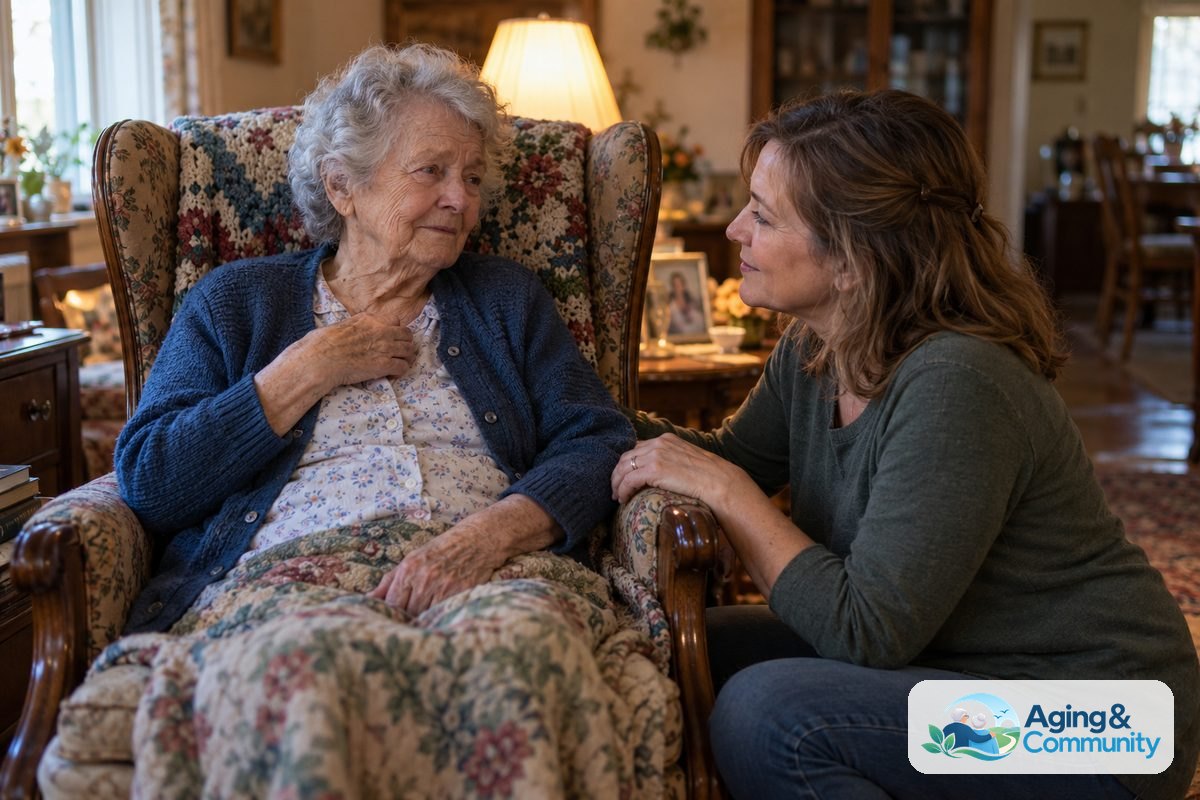
After a fall, the person may feel shaken, sore, embarrassed, or unsure what happened. Some people can explain the fall clearly. Others may be confused, quiet, or focused on getting up quickly.
Common things to look for include pain, swelling, bruising, bleeding, dizziness, weakness, or trouble moving a limb. A fall may also cause the person to lose confidence in walking, bathing, or using stairs.
Do not assume the fall was minor just because the person says they are fine. Some injuries are not easy to see right away. A short check of the person and the area around them can help you decide what to do next.
- Ask where it hurts and whether they hit their head.
- Look for bleeding, swelling, or a limb that looks out of place.
- Ask if they feel dizzy, faint, short of breath, or confused.
- Notice whether they can move as usual.
- Check whether glasses, hearing aids, shoes, or a walker were involved.
What to Do When an Elderly Person Falls at Home
If an elderly person falls at home, take a slow and steady approach. Speak in a clear voice and tell them you are going to help. If they are on the floor, ask them not to stand until you have checked for pain, dizziness, or injury.
Call emergency services right away if the person is unconscious, has severe pain, cannot move, has heavy bleeding, has chest pain, has trouble breathing, or may have a broken bone. Also call if they hit their head and have concerning symptoms such as confusion, vomiting, a worsening headache, unusual sleepiness, or new weakness.
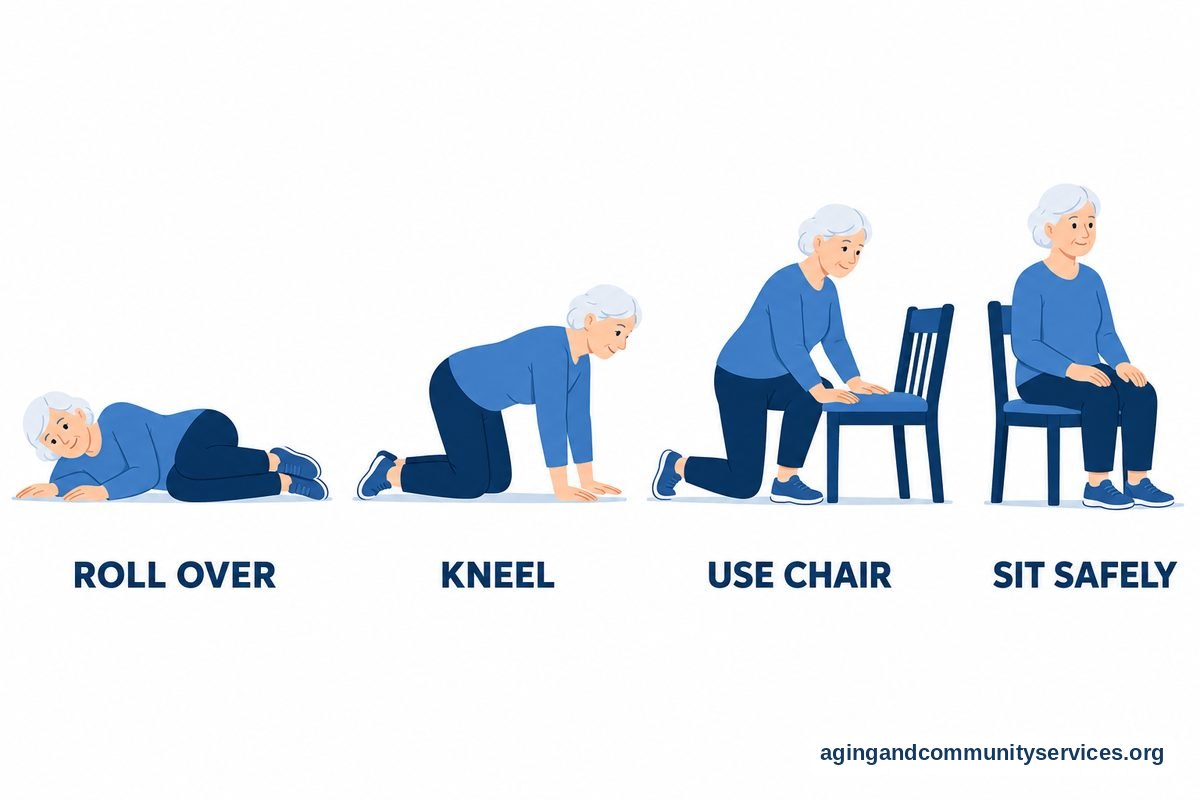
If there are no urgent signs, help them move only if you can do it safely. Do not pull them up by the arms. If you are unsure, call for help rather than risking another fall or an injury to yourself.
- Stay with the person and keep them as comfortable as possible.
- Ask simple questions, such as their name, where they are, and what happened.
- Check for pain before helping them sit or stand.
- Use a sturdy chair for support if they can get up safely.
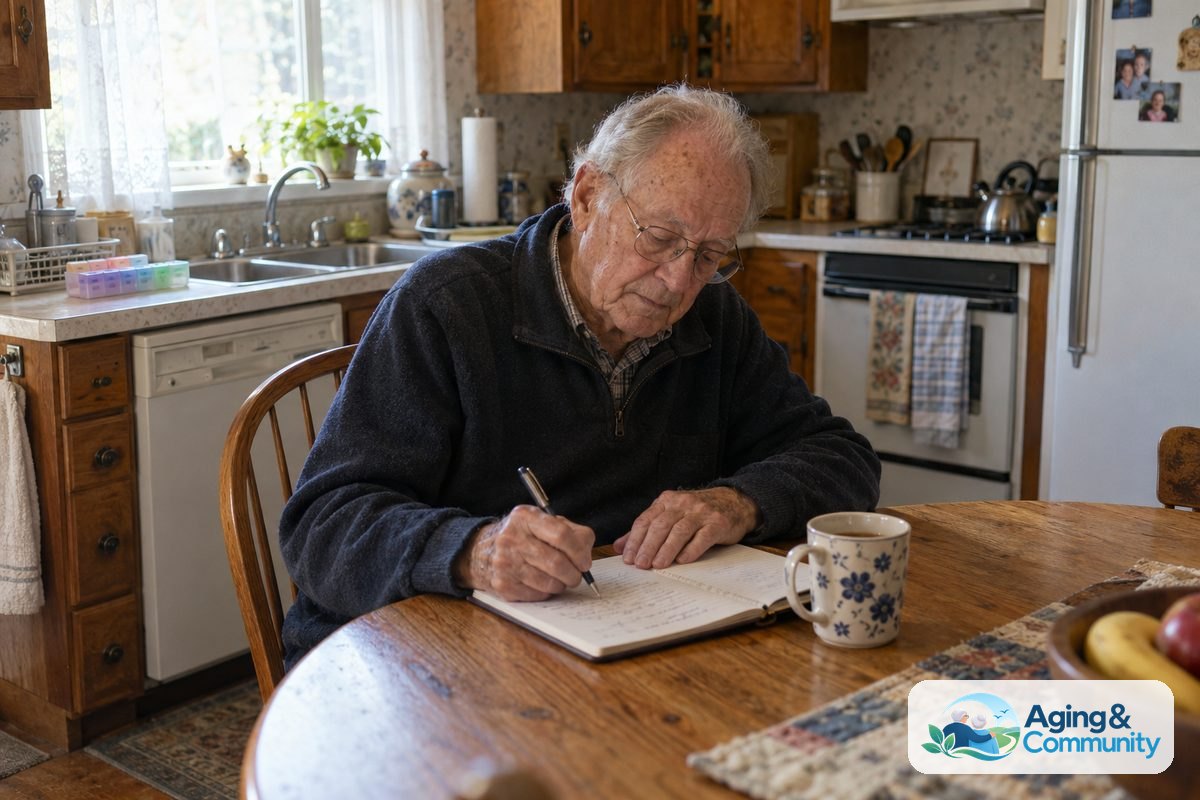
- Write down the time of the fall and any symptoms you notice.
- Contact their doctor to ask what follow-up is needed.
If falls are becoming more common, it may help to review why elderly people fall and bring those notes to a medical visit.
If the Person Hit Their Head
A head hit deserves careful attention, even if the person seems okay at first. This is especially important if they take blood thinners, have a bleeding condition, or cannot clearly describe what happened.
Call for medical help right away if there is loss of consciousness, repeated vomiting, a seizure, new confusion, slurred speech, weakness on one side, a severe or worsening headache, fluid or blood from the ears or nose, or trouble waking up. If you are not sure whether symptoms are serious, it is safer to ask a medical professional.
For a mild bump with no urgent signs, watch the person closely and follow a doctor’s advice. Keep notes on what changed, when it changed, and how long it lasted. These details can help the care team understand the situation.
Do not give new medicines, food, or alcohol after a head hit unless a medical professional says it is okay. If the person wants to sleep, ask a doctor or nurse what kind of monitoring is right for them.
Signs to Look For After an Elderly Person Falls
Some signs show up later, after the first rush of the moment has passed. Watch the person over the next day or two, and keep checking in if they live alone.
Look for changes in walking, balance, speech, alertness, mood, sleep, appetite, or bathroom habits. Also watch for pain that gets worse, new bruising, swelling, or trouble using a hand, arm, leg, or foot.
| What You Notice | What It May Mean | What to Do |
|---|---|---|
| New confusion or unusual sleepiness | The person needs medical advice | Call a doctor or emergency services based on severity |
| Pain when standing or walking | There may be an injury | Avoid pushing through pain and ask for medical guidance |
| Bruising or swelling that grows | The area needs closer attention | Take notes and call the doctor |
| Fear of walking again | Confidence may be affected | Ask about physical or occupational therapy |
| Another fall soon after | The person may need a full review | Contact the care team promptly |
Falls in elderly patients are not always caused by one thing. Shoes, vision, lighting, clutter, medicines, weakness, illness, and uneven floors can all play a role. Sudden falls in elderly people should be shared with a doctor, especially when the cause is not clear.
Why a Fall Should Be Shared With a Doctor
Even if the person gets up and feels better, it is still useful to tell their doctor. A fall can be a clue that something in the body, home, or daily routine needs attention.
The doctor may ask about medicines, blood pressure, vision, hearing, pain, sleep, bathroom trips, and any recent illness. They may also suggest a visit with a physical therapist or occupational therapist. These professionals can look at strength, walking, balance, home setup, and daily tasks.
The National Institute on Aging explains that falls and fall prevention often involve many small factors, not just one mistake. The National Council on Aging also notes that practical steps can lower the risk of falls when they match the person’s needs.
If worry about falling starts to limit daily life, it may help to read about fear of falling and bring up those feelings at an appointment. Fear is common, and it deserves the same respectful attention as pain or weakness.

How to Make the Home Safer After a Fall
After the person is safe and any urgent care is handled, look at the space where the fall happened. The goal is not to blame anyone. The goal is to learn what made that moment harder and make small changes where possible.
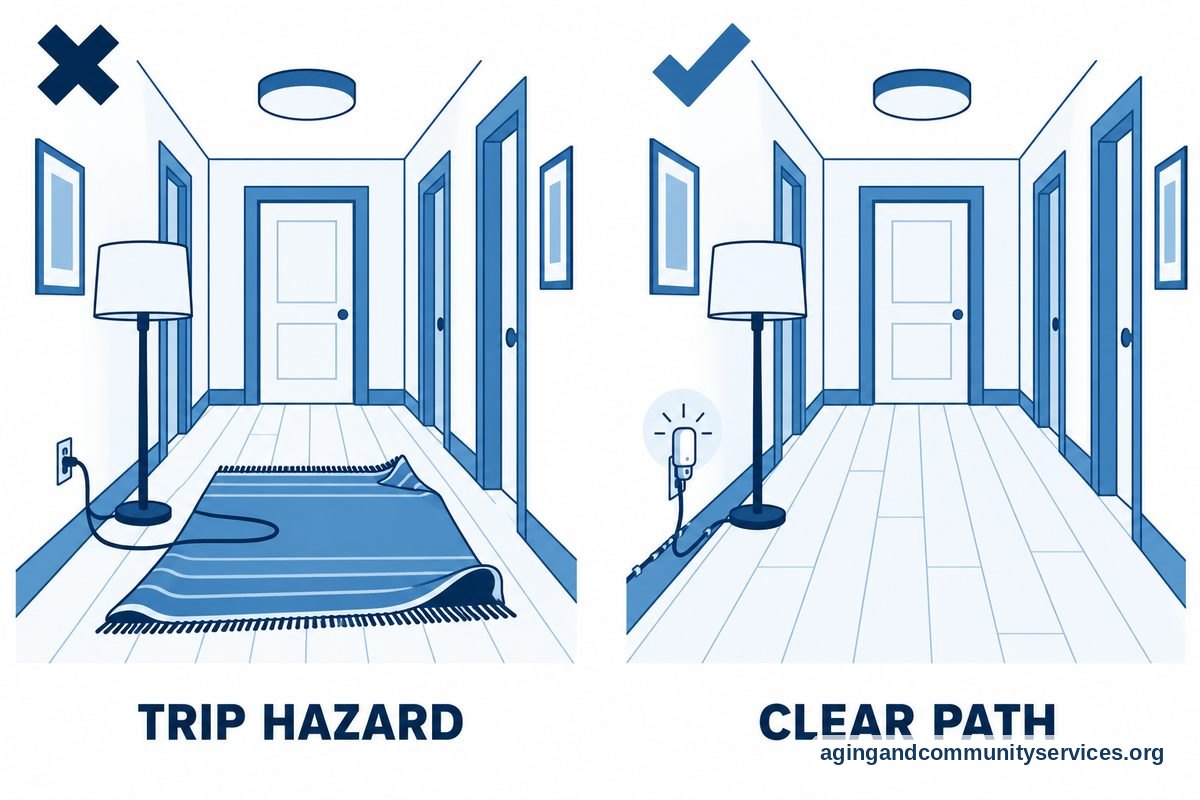
Start with the path the person was using. Was the light low? Was there a rug edge, cord, pet bowl, wet floor, or crowded walkway? Were they rushing to the bathroom or reaching for something without support?
- Clear walking paths in bedrooms, hallways, and bathrooms.
- Move cords, loose rugs, and low items out of the way.
- Place often-used items within easy reach.
- Check that shoes fit well and have good grip.
- Add night lights where the person walks after dark.
- Ask a professional about grab bars, seating, and safer bathroom routines.
A room-by-room home safety checklist can make this easier to handle without feeling overwhelmed. Families may also want to compare elderly fall alert devices if the person spends time alone.
For a broader plan, a guide to fall prevention for seniors can help organize questions before talking with a doctor, physical therapist, or occupational therapist.
What You Can Do Next
Once the immediate situation is settled, make a short plan. Keep it simple enough that the person and family can actually follow it.
- Write down where, when, and how the fall happened.
- List symptoms, even if they seem small.
- Call the doctor and ask whether the person should be seen.
- Review medicines only with a doctor or pharmacist.
- Ask whether a physical therapy or occupational therapy visit would help.
- Check the home for lighting, clutter, bathroom risks, and walking paths.
If you need help finding local support, the Eldercare Locator can connect families with aging services in their area. Keep the conversation respectful and practical. Many people feel embarrassed after a fall, and a calm response can make it easier to accept help.
Frequently Asked Questions
What do you do when an elderly person falls at home?
Stay with them, speak calmly, and check for pain, bleeding, dizziness, confusion, or trouble moving. Do not rush them to stand. Call emergency services for serious symptoms, and contact their doctor even if the fall seems minor.
What should you do if an elderly person falls and hits their head?
Watch closely and call for medical help if there is confusion, vomiting, loss of consciousness, a worsening headache, weakness, slurred speech, or trouble waking. If they take blood thinners or you are unsure what to do, contact a medical professional right away.
What signs should you look for after an elderly person falls?
Look for new pain, swelling, bruising, trouble walking, dizziness, confusion, sleepiness, mood changes, or changes in speech. Also notice whether the person becomes afraid to move around. Share these signs with their doctor.
What can happen if an elderly person falls?
A fall can cause soreness, bruising, cuts, head injury, broken bones, or a loss of confidence. Sometimes there is no clear injury. Because some problems show up later, it is wise to monitor the person and ask a doctor what follow-up is needed.
Why do sudden falls in elderly people happen?
Sudden falls can happen for many reasons, including balance changes, poor lighting, clutter, footwear, medicines, illness, or a surface that is hard to walk on. A doctor can help review possible causes and decide what steps make sense.