

Winter safety for families starts with a simple plan for warmth, safe movement, meals, rides, and check-ins during cold weather. A little planning can make winter days easier for everyone, especially when relatives live alone or need extra help at home. The goal is not to worry more, but to make common winter tasks more manageable.
Families often do best when they divide the work. One person may handle weather alerts, another may check supplies, and another may help with home safety. Small steps, done before the next storm, can lower stress and make it easier to respond calmly.
Start With A Simple Winter Home Check
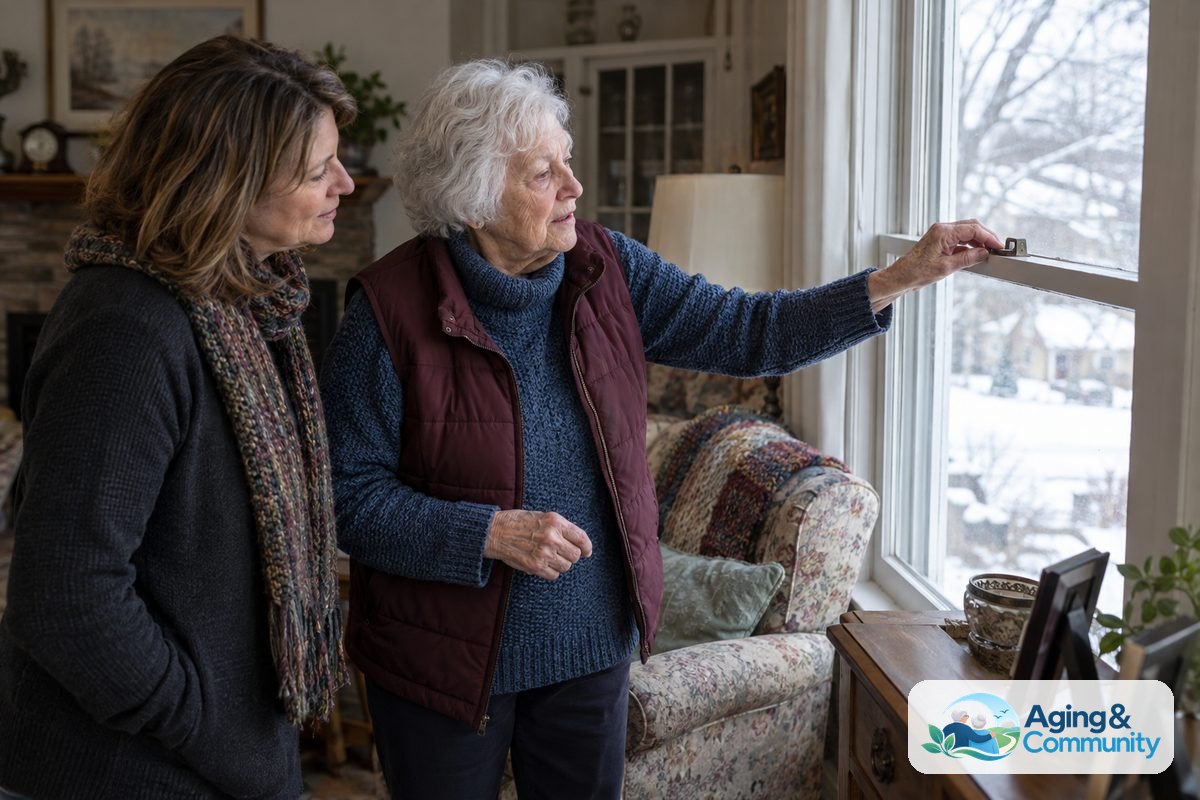
A winter home check helps you see what may need attention before cold weather causes trouble. Walk through the home slowly, room by room. Look for anything that could make it harder to stay warm, move around, cook, or call for help.
Focus on basics first. Heat, lighting, food, medicine access, and clear paths matter more than making the home perfect. If you help a relative, ask what feels hard during winter instead of assuming you already know.
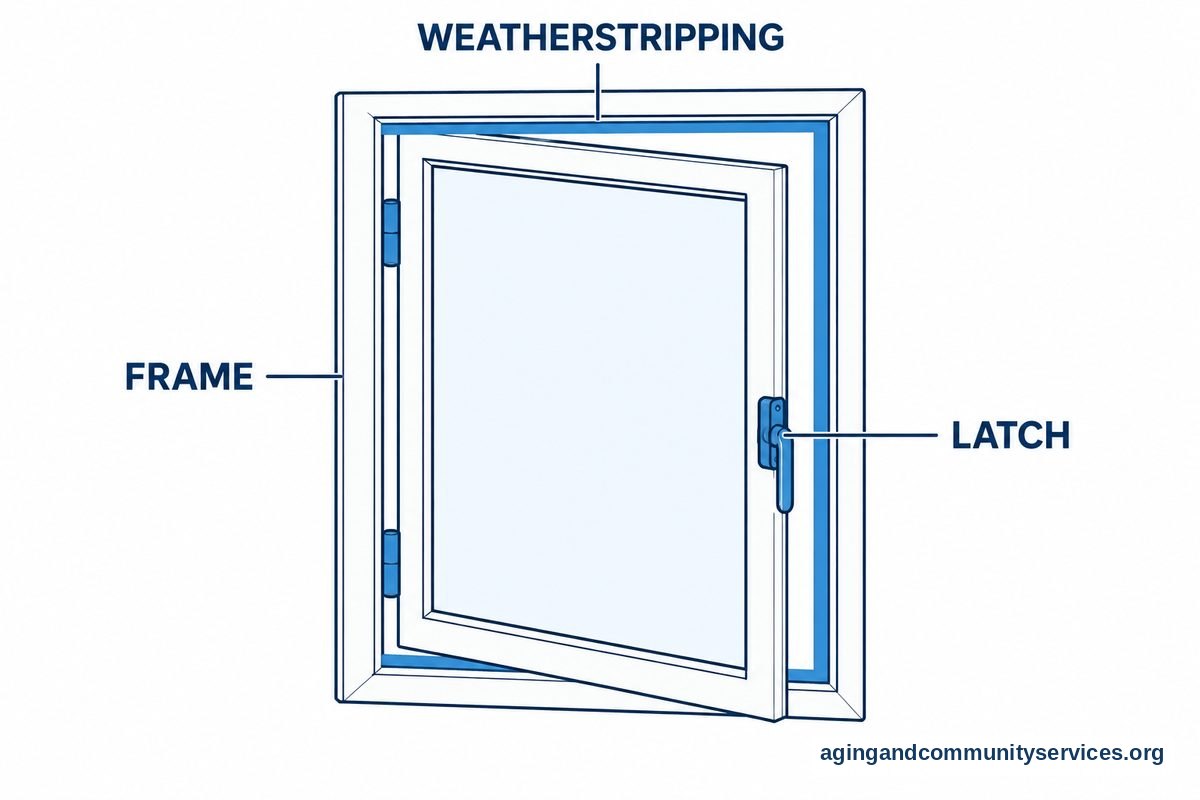
- Check that doors and windows close well.
- Make sure flashlights are easy to reach.
- Place extra blankets where they are simple to find.
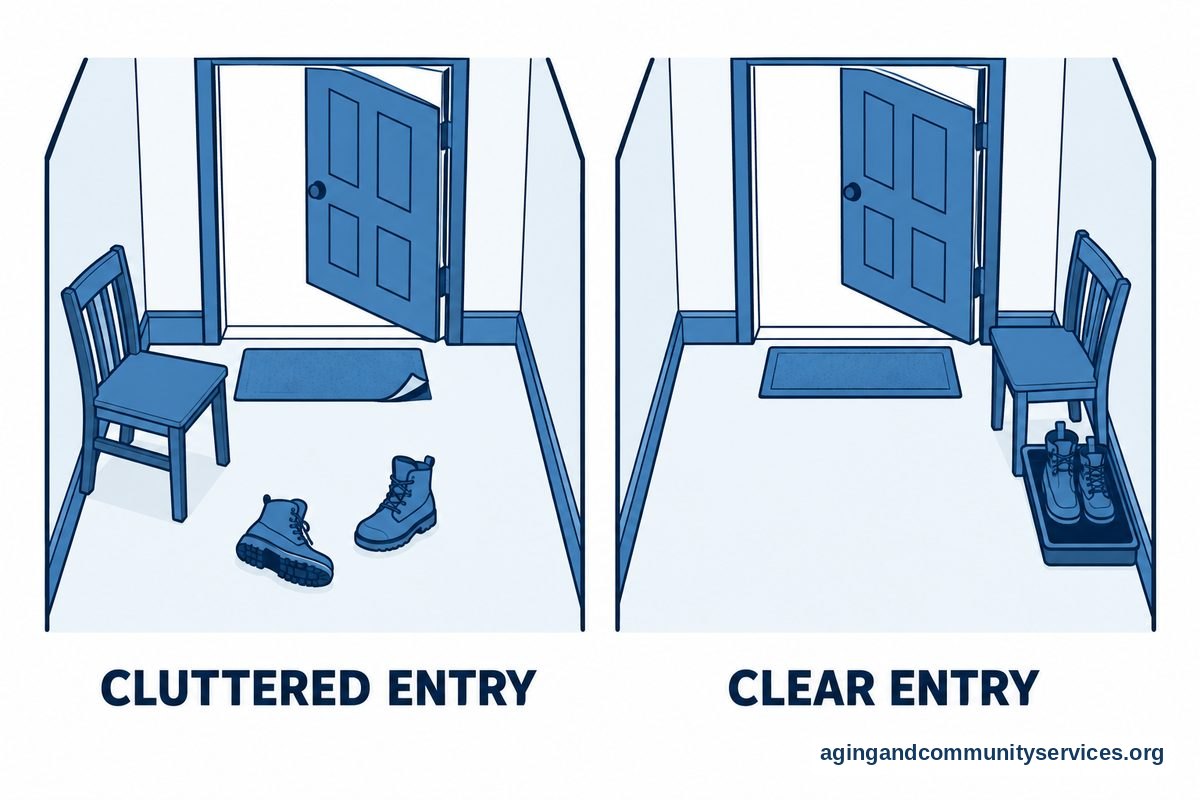
- Move cords, shoes, and small rugs away from walking paths.
- Keep a charged phone near the main sitting and sleeping areas.
- Write down key contacts and place the list in a visible spot.
A broader home safety checklist can help families spot indoor risks that are easy to miss. Keep the checklist short enough that it can be used again after a storm or power outage.
Keep Warmth Safe And Comfortable
Cold weather can make a home feel uncomfortable even when the heat is on. Drafts, wet clothing, and long periods of sitting can all make a person feel chilled. The National Institute on Aging shares cold weather safety guidance that may be useful for families supporting older adults.
Talk about what temperature feels comfortable and what steps help most. Some people like layers, while others prefer a warm throw, socks, or a heated room used for most daily activities. If a person feels cold often or has health concerns, it is wise to ask a doctor what is safe for their situation.
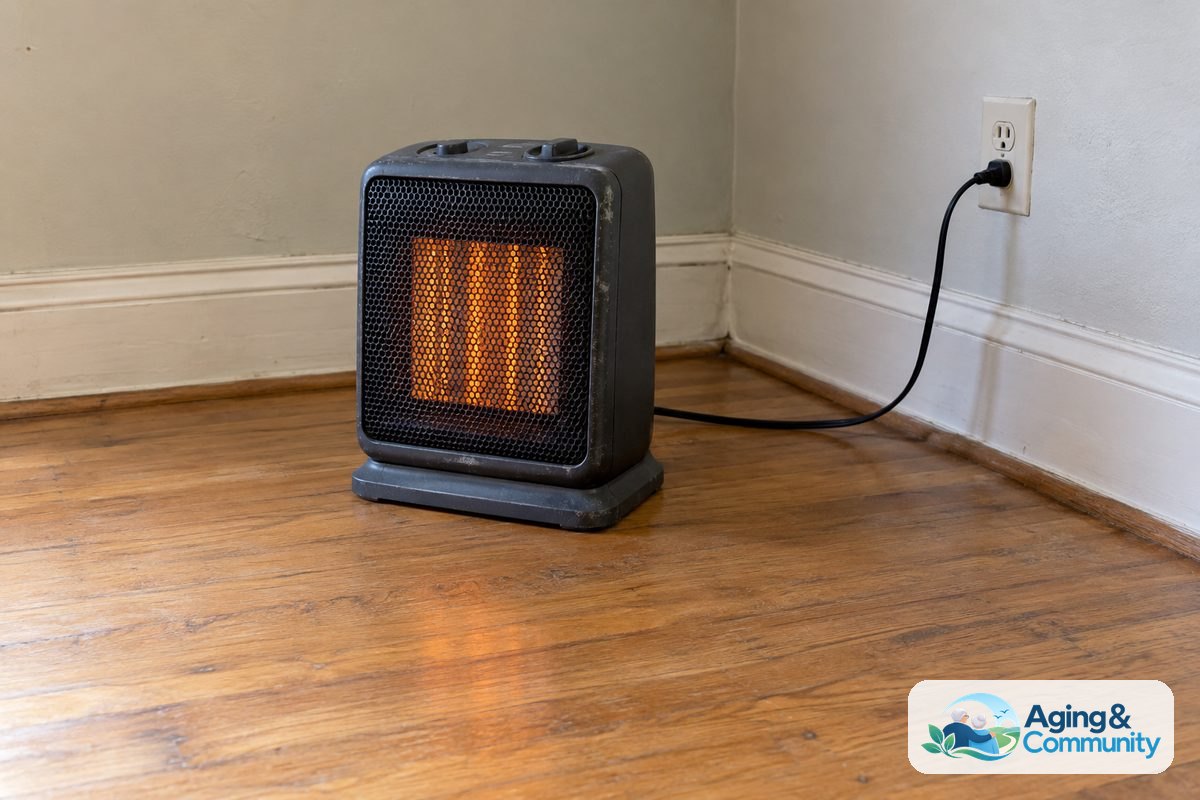
Use space heaters with care if they are part of the home routine. Place them on a flat surface, away from bedding, papers, curtains, and furniture. Turn them off before sleeping or leaving the room, unless the product instructions clearly say otherwise.
Families can also review guidance on safe room temperature when deciding how to manage heat at home. If heating bills, repairs, or fuel delivery are a concern, the Eldercare Locator may help connect families with local support options.
Make Walking Areas Easier To Use
Ice, wet floors, heavy coats, and bulky boots can make moving around harder. Inside the home, melted snow can leave slick spots near doors. Outside, steps, porches, driveways, and sidewalks may need extra attention.
Set up a landing area by the door. Place a sturdy mat inside, a place for wet shoes, and a chair if someone needs to sit while changing footwear. Keep towels nearby so puddles can be wiped up quickly.
- Use shoes or boots with good grip.
- Keep salt, sand, or ice melt near the door.
- Ask someone to clear steps before they are needed.
- Improve lighting near entrances and walkways.
- Carry fewer bags at one time.
- Use handrails when going up or down steps.
If walking feels unsteady, a doctor, physical therapist, or occupational therapist can suggest safer ways to move through the home and community. A guide to fall prevention may also help families talk through common trouble spots without blame.
Plan For Storms, Outages, And Errands
Winter storms can make normal errands harder. A short plan can help families avoid last-minute rushes. The plan should cover food, water, medicine refills, pet needs, transportation, and how to reach each other if service is poor.
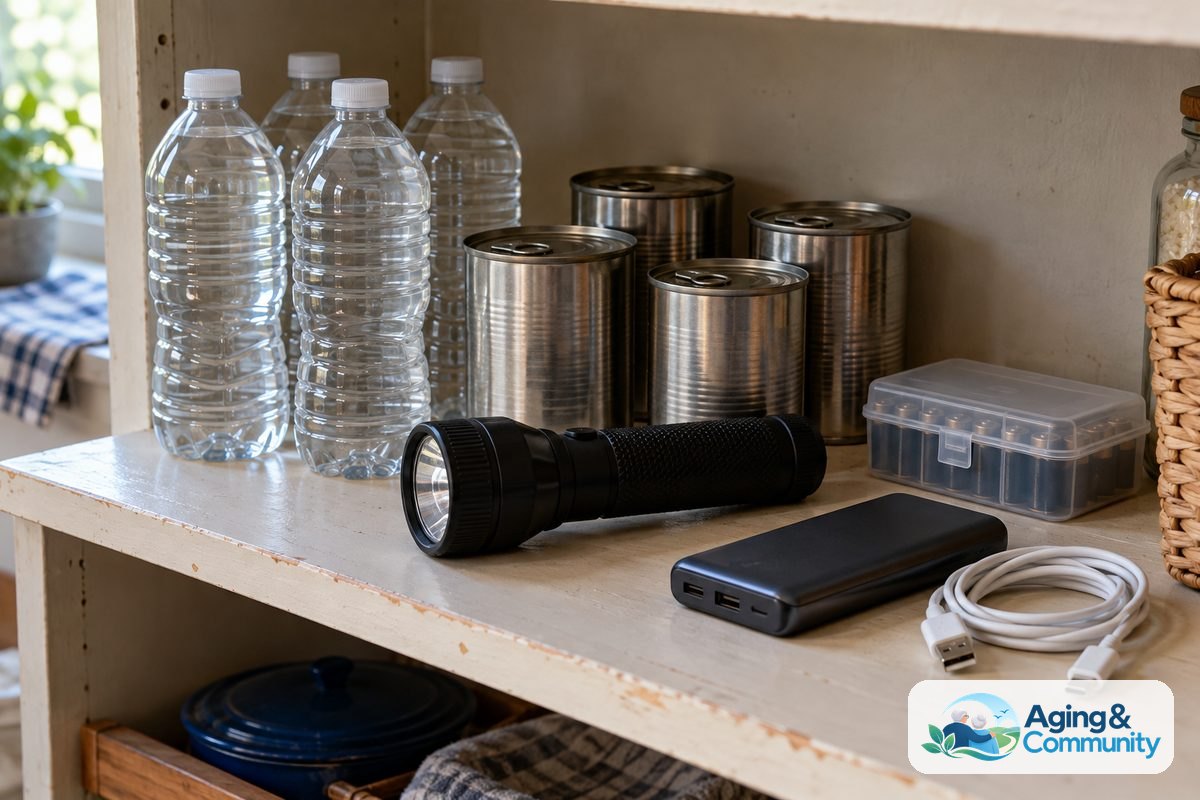
Keep a small supply area that is easy to reach. Include shelf-stable foods, bottled water if needed, batteries, a flashlight, a phone charger, and basic hygiene items. If someone uses medical equipment that needs power, speak with the equipment provider or health care team about safe backup steps.
Weather alerts can guide decisions about travel and outdoor tasks. The National Weather Service offers cold weather safety information that families can use when planning ahead. Choose one family member to watch forecasts so everyone is not trying to track the same updates.
For errands, make a short list of must-do items and nice-to-do items. Pick up refills, groceries, and household supplies before roads get difficult when possible. If a trip can wait, let it wait.
| Need | Family Plan |
|---|---|
| Food | Keep easy meals that do not require much cooking. |
| Communication | Share phone numbers and choose a check-in time. |
| Medicine | Review refill timing before severe weather. |
| Transportation | Know who can drive and who should stay home. |
| Power | Keep flashlights, chargers, and backup plans ready. |
Support Safe Daily Routines
Winter can change routines in small ways. Mail may pile up, trash may be hard to take out, and walks may be skipped because sidewalks are icy. These changes can make the home feel less settled, so it helps to create a simpler winter version of the usual routine.
Ask what tasks feel hardest during cold weather. Some people may need help carrying laundry, getting to appointments, or moving trash bins. Others may mostly need company, a ride, or help placing an online grocery order.
Try to keep meals, fluids, rest, and movement on a regular schedule. If a person has diet limits or health concerns, ask a doctor or dietitian before making major changes. For movement, a physical therapist can suggest safe indoor options if outdoor walking is not a good fit.
Families who provide regular care may want to review winter elder care safety ideas together. A shared plan can reduce confusion when more than one person helps.
Talk About Check-Ins With Respect
Check-ins work best when they feel supportive, not controlling. Ask what kind of contact feels helpful. Some people like a daily call, while others prefer a text, a neighbor visit, or a call only during bad weather.
Agree on what should happen if someone does not answer. For example, the next step might be a second call, a text, a call to a neighbor, or a visit from a family member. Write the plan down so no one has to guess.
Keep the tone practical. Instead of saying, We need to check on you all the time, try, Let us agree on a winter plan so everyone knows what to do during storms. Respect builds trust, and trust makes it easier to accept help.
It may also help to make a shared list of winter jobs. One person can shovel, another can handle groceries, and another can manage appointments. When roles are clear, family support feels less rushed.
What You Can Do Next
Start with one calm conversation and one short home walk-through. You do not need to solve every winter concern at once. Pick the tasks that would make the next cold week easier.
- Choose one family contact person for weather updates.
- Make a written check-in plan for storms and cold days.
- Review heat, lighting, food, medicine access, and phone charging.
- Clear the main walking paths inside and outside the home.
- Place winter supplies where they are easy to reach.
- Ask a doctor, physical therapist, or occupational therapist about any safety concern that involves health, balance, mobility, or daily care.
If your family needs a broader seasonal review, a guide to winter safety for seniors can help you build on the basics. Keep the plan simple, update it when needs change, and make sure everyone knows their part.
Frequently Asked Questions
What should families do first for winter safety?
Start with heat, safe walking paths, food, medicine access, and communication. These basics affect daily comfort and the ability to get help when needed. A short checklist is often better than a long plan that no one uses.
How can we help a relative stay warm at home?
Check for drafts, make warm layers easy to reach, and keep commonly used rooms comfortable. Ask what feels cold during the day and at night. If there are health concerns or ongoing chills, speak with a doctor for guidance.
What should be in a winter storm plan?
A winter storm plan should include emergency contacts, check-in times, food, water if needed, medicine refills, pet supplies, lighting, phone charging, and transportation choices. It should also say what to do if someone does not answer the phone.
How can families make icy areas safer?
Clear snow early when possible, use salt or sand as appropriate, improve lighting, and keep handrails clear. Inside, place mats near doors and wipe up melted snow quickly. If balance is a concern, ask a physical therapist or occupational therapist for advice.
How often should families check in during cold weather?
The right schedule depends on the person, the weather, and the level of support needed. Some families use daily calls during storms and less frequent check-ins during mild weather. Agree on the plan together so it feels respectful and useful.
When should we ask for outside help?
Ask for outside help when home heat, food access, mobility, transportation, or daily care feels difficult to manage. A local agency, health care professional, or trusted community group may be able to suggest options. If the need is urgent, follow local emergency guidance.