

A senior safety medical checklist helps you review the home, health information, medicines, and daily routines in one calm walk-through. Use it to spot small changes that may make daily life easier, then decide what to fix now and what to discuss with a doctor, physical therapist, or occupational therapist.
This checklist is written for older adults who live alone, live with family, or spend part of the day by themselves. It can also help family members, neighbors, and care partners ask useful questions without taking over.
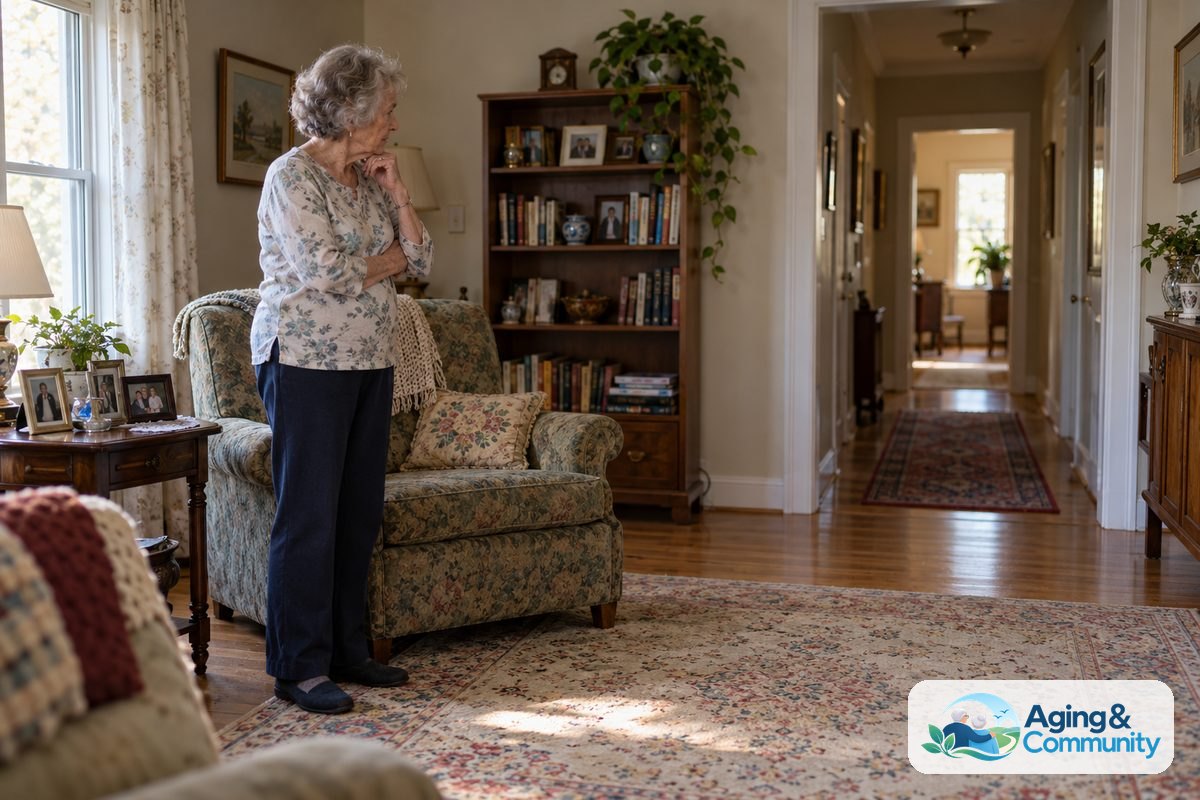
Entryways, Walkways, and Stairs
- Check that every outside path, porch, and step has steady lighting after dark.
- Move shoes, packages, cords, hoses, and plant pots away from walking paths.
- Add handrails on both sides of stairs when possible, and make sure they do not wobble.
- Replace loose mats with non-slip mats, or remove them if they slide.
- Check that door thresholds are easy to see and not raised higher than needed.
- Add a chair or bench near the entry if sitting helps with shoes, bags, or keys.
- Check that house numbers are clear from the street for visitors and emergency responders.
Living Room and Main Walking Areas
- Move furniture so there is a clear path from room to room.
- Check that area rugs lie flat and have non-slip backing on all edges.
- Replace low tables, footstools, or baskets that are easy to bump into.
- Add bright bulbs to lamps used for reading, walking, and evening routines.
- Move cords along the wall and secure them so they do not cross walkways.
- Check that favorite chairs are high enough to stand from without rocking or sliding.
- Add a phone or alert device within reach of the usual sitting spot.
Kitchen Safety and Daily Meals
- Move often-used dishes, pans, and food to shelves between waist and shoulder height.
- Replace unstable step stools with a sturdy option that has a handhold, or avoid climbing.
- Check that the stove, oven, and small appliances are turned off after use.
- Add clear labels to containers if vision, memory, or hand strength makes cooking harder.
- Move heavy items, such as large pots or bags of food, to easy-to-lift locations.
- Check that spills are wiped right away and that floor mats do not slide.
- Add a simple meal plan note on the refrigerator if skipped meals are becoming common.
Bathroom Safety
- Check that the path to the bathroom is lit at night.
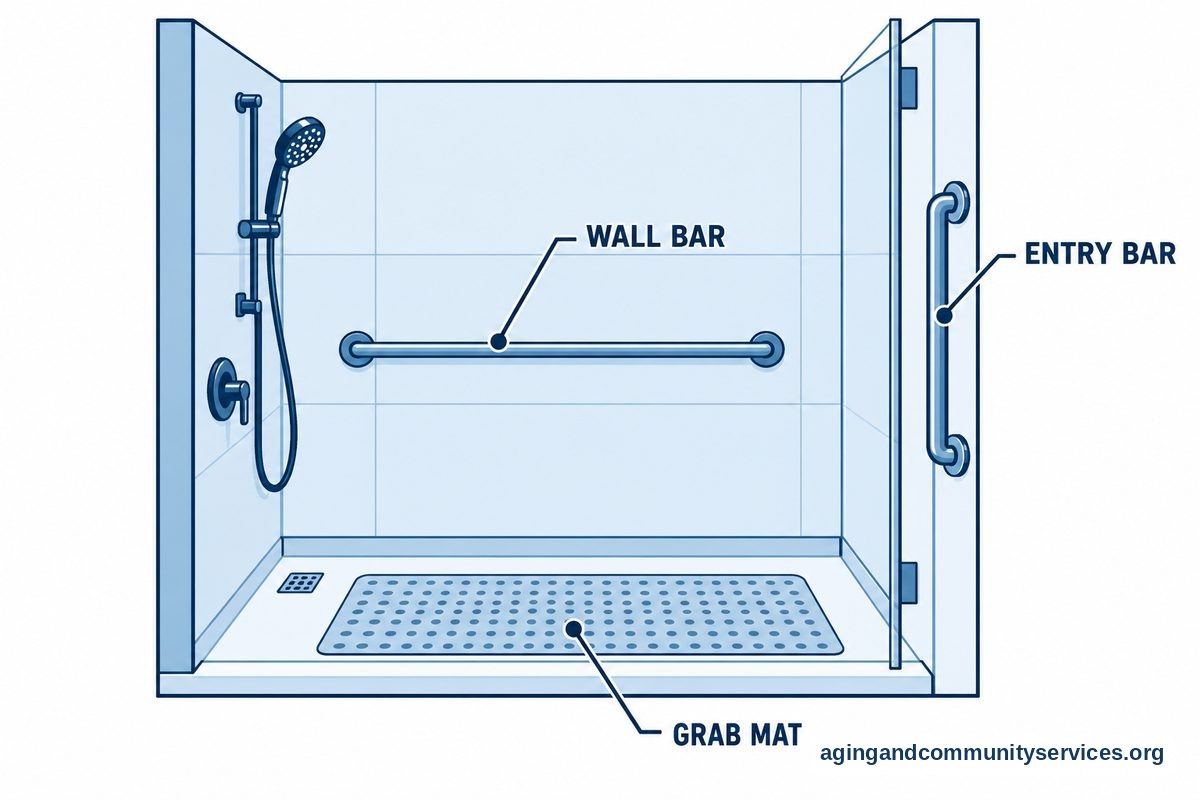
- Add grab bars near the toilet and in the tub or shower, installed into solid support.
- Replace towel bars used for balance with true grab bars made for support.
- Add a non-slip mat or textured strips inside the tub or shower.
- Move shampoo, soap, and towels within easy reach to reduce bending or stretching.
- Check that the toilet height works well, and ask an occupational therapist about options if standing is hard.
- Review bathroom safety for seniors if this room needs a more detailed look.
Bedroom and Nighttime Routine
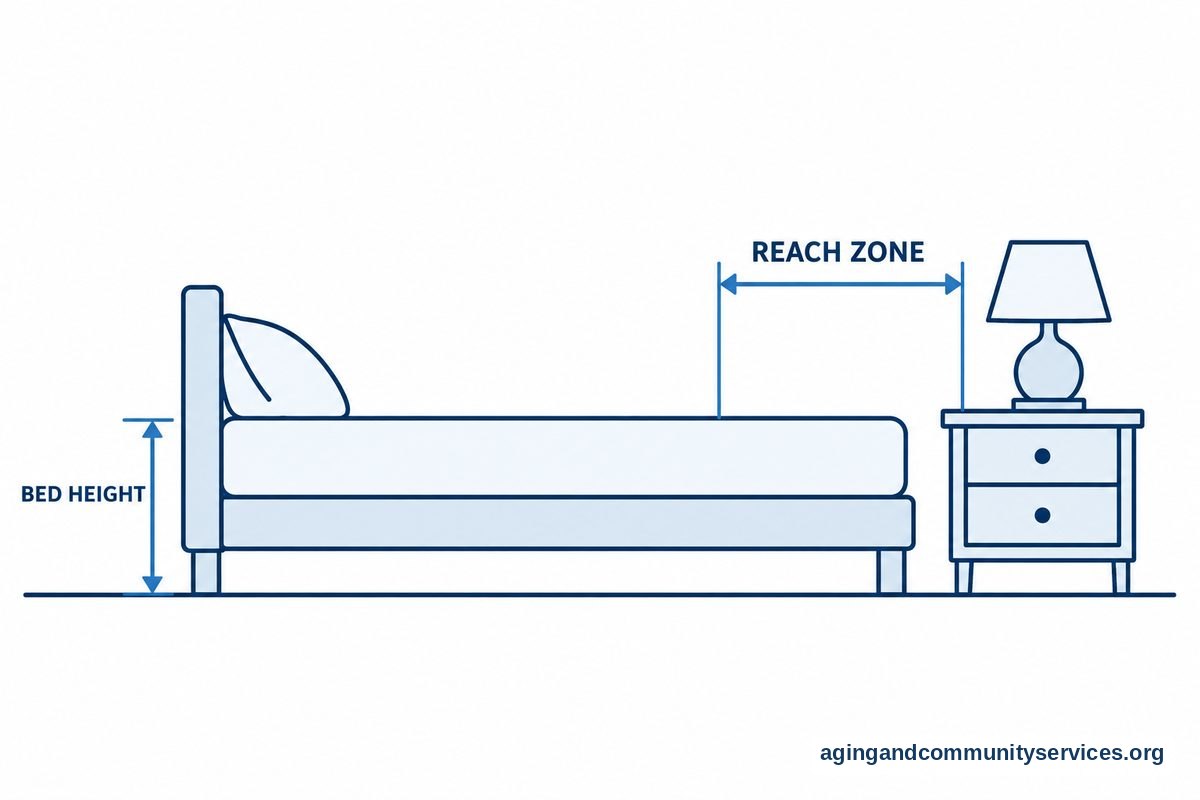
- Check that a lamp, phone, glasses, water, and tissues are within reach of the bed.
- Add night lights between the bed and bathroom.
- Move throw rugs, laundry baskets, and pet beds away from the bedside path.
- Replace bedding that hangs onto the floor or catches underfoot.
- Check that the bed height allows both feet to rest flat before standing.
- Add a stable chair for dressing if balance or energy is limited in the morning.
- Move slippers or shoes to the same spot each night so they are easy to find.
Medicines, Health Papers, and Supplies
- Check all medicine labels for the right name, dose, and timing as listed by the prescriber.
- Move expired or unused medicines to a safe location until they can be disposed of properly.
- Add a current medicine list that includes prescriptions, over-the-counter items, vitamins, and allergies.
- Check that pill organizers are filled correctly, or ask a pharmacist for help setting up a system.
- Replace hard-to-read labels with large print notes if the pharmacy can provide them.
- Add the names of doctors, pharmacy, preferred hospital, and emergency contacts to one easy-to-find page.
- Check with a doctor or pharmacist before changing how any medicine is taken.

Vision, Hearing, and Mobility Supports
- Check that glasses, hearing aids, canes, walkers, and braces are clean and easy to reach.
- Replace worn cane tips, walker glides, or rubber feet when they look smooth or uneven.
- Add bright task lighting where reading, cooking, grooming, and medicine sorting happen.
- Move mobility aids out of corners and place them where they are used most often.
- Check that walking aids are the right height with help from a physical therapist if unsure.
- Add a plan for charging hearing aids, phones, and alert devices every day.
- Ask a physical therapist or occupational therapist about fit, home layout, and safe ways to move.

Fall Risk and Balance Questions
- Check whether there have been recent slips, trips, near falls, or changes in walking speed.
- Ask a doctor whether dizziness, foot pain, vision changes, or medicine side effects should be reviewed.
- Move clutter from floors, stairs, and landings before adding new equipment.
- Add exercises only after asking a doctor or physical therapist what is appropriate.
- Review the National Institute on Aging guidance on falls and falls prevention, which says practical home changes and health reviews can lower the risk of falls.
- Use a room-by-room fall prevention checklist when balance, vision, or strength has changed.
Memory, Dementia, and Alzheimer’s Home Safety
- Check that cleaning supplies, sharp tools, and medicines are stored in secure, consistent places.
- Add labels, pictures, or simple signs if they make rooms, drawers, or switches easier to use.
- Move car keys, lighters, and unsafe tools if a doctor or care team has raised concerns.
- Replace knobs, locks, or appliance settings only after thinking through daily independence and dignity.
- Check smoke alarms, carbon monoxide alarms, and appliance shutoff habits on a regular schedule.
- Add a written daily routine in a visible place if it helps reduce confusion.
- Ask a doctor, occupational therapist, or dementia care professional before making major safety changes.
Emergency Planning and Communication
- Check that emergency contacts are posted near the phone and saved in the cell phone.
- Add a list of medicines, allergies, medical conditions, doctors, and preferred pharmacy to an easy-to-find folder.
- Move important papers, insurance cards, and advance care documents to one known location.
- Replace dead batteries in flashlights, radios, smoke alarms, and other key devices.
- Check that a trusted person has a way to enter the home if help is needed.
- Add a simple check-in plan with a neighbor, friend, or family member.
- Use the Eldercare Locator to look for local aging services when more support is needed.
Home Safety Equipment and Repairs
- Check that smoke alarms and carbon monoxide alarms are placed where local guidance recommends.
- Add non-slip backing, brighter lighting, lever handles, or raised seating where they fit the home.
- Replace broken locks, loose railings, uneven flooring, and cracked steps as soon as practical.
- Move heavy extension cord use to safer outlets with help from a qualified repair person.
- Check whether equipment is being used correctly, not just stored nearby.
- Review home safety equipment before buying items so the choice matches the need.
- Ask an occupational therapist about an elderly home safety assessment tool if the home layout is complex.
How to Use This Checklist
Walk through the home when the person is rested and there is enough light. Start with the rooms used most often, then work outward to storage areas, laundry space, garage, and outdoor paths.
Invite the right helper. A family member can notice clutter or lighting needs, a pharmacist can review medicine questions, and a doctor, physical therapist, or occupational therapist can help with balance, mobility, memory, and equipment concerns. The National Institute on Aging also has practical guidance on aging in place.
Repeat the checklist after a move, hospital stay, new diagnosis, medicine change, fall, or change in eyesight, hearing, strength, or memory. If life is steady, a simple seasonal review can keep small home issues from piling up. For a wider room-by-room guide, compare this list with a home safety checklist.
Frequently Asked Questions
What should be on a checklist for elderly living alone?
A checklist for elderly living alone should include clear walking paths, good lighting, working alarms, safe bathroom setup, current medicine list, emergency contacts, and a check-in plan. It should also ask whether the person can reach food, phone, glasses, mobility aids, and help without rushing.
Is a checklist elderly living alone different from a regular home checklist?
Yes, it often adds more detail about communication, backup help, and daily routines. A regular home checklist may focus on repairs, while a living-alone checklist should also include medicine access, meal routines, transportation, and who notices changes.
Where can I find a CDC fall prevention home safety checklist?
Many people search for a CDC fall prevention home safety checklist or CDC fall prevention home checklist when they want a trusted starting point. If you use any fall checklist, pair it with advice from a doctor, physical therapist, or occupational therapist, especially after a fall, dizziness, or a change in walking.
What is included in a home safety inspection checklist for elderly people?
A home safety inspection checklist for elderly people usually covers entrances, stairs, floors, bathroom, bedroom, kitchen, lighting, alarms, medicines, and emergency plans. It should also include home safety questions for elderly residents, such as what feels hard, what feels unsafe, and what they want to keep doing on their own.
What is an elderly home safety assessment tool?
An elderly home safety assessment tool is a structured way to review risks and supports in the home. It may be a printed checklist, a therapist-led visit, or a room-by-room form that looks at mobility, memory, vision, reach, and daily tasks.
What belongs on a home safety checklist for Alzheimer’s disease?
A home safety checklist for Alzheimer’s disease should include medicines, cooking, wandering concerns, locks, labels, alarms, sharp items, cleaning products, and emergency contacts. It should be updated with guidance from the care team because needs can change over time.