

Elderly living alone mental health can be shaped by daily routine, social contact, health changes, grief, and how safe a person feels at home. Living alone does not mean someone is lonely or unwell, but it can make changes harder for family and friends to notice.
A calm plan can help. The goal is not to take over, but to support independence, connection, and comfort while knowing when to ask for help from a doctor or another trusted professional.
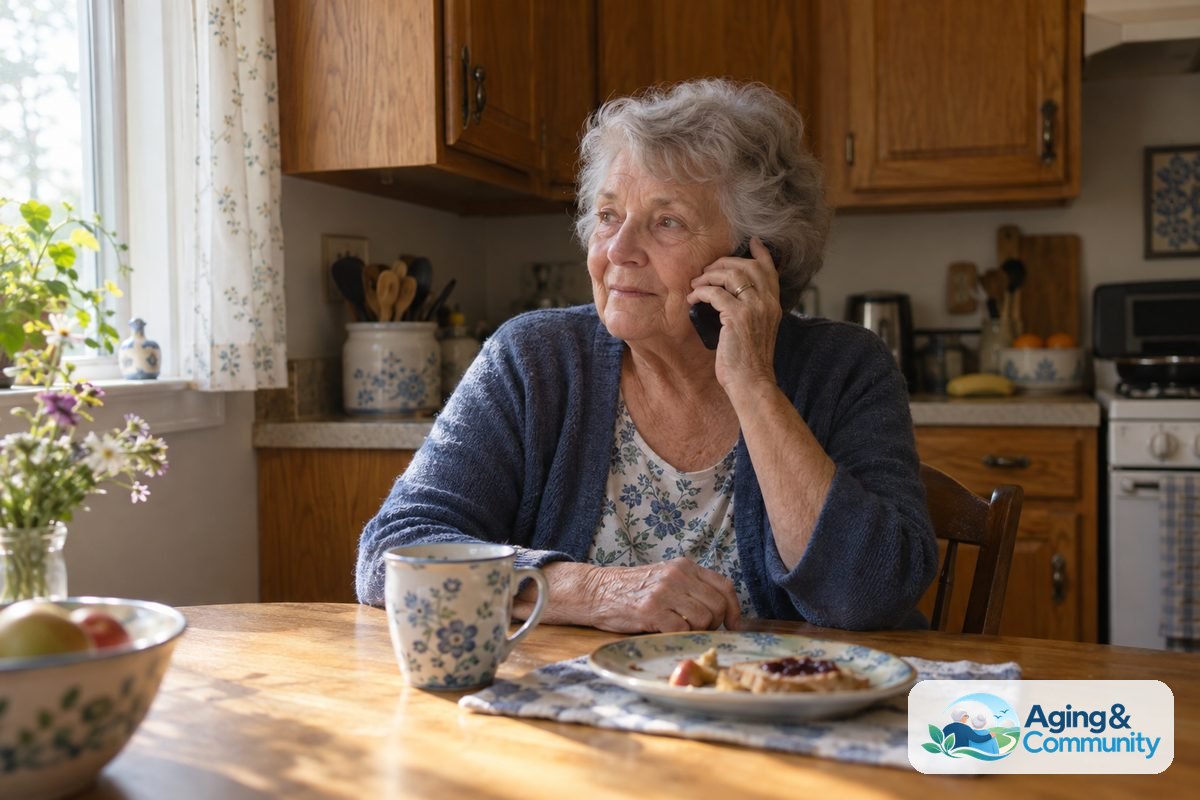
Why Living Alone Can Affect Mental Well Being
Many people do well on their own and value the quiet, privacy, and control of their home. At the same time, daily life can become harder when there is less casual contact with others. Small problems may build up before anyone sees them.
Mental well being is often tied to ordinary parts of the day. Meals, sleep, light, movement, errands, hobbies, and phone calls all matter. When these routines change, mood and energy can change too.
Common pressures may include:
- Less face to face time with family, friends, neighbors, or faith groups
- Grief after the death of a spouse, sibling, friend, or pet
- Worry about falls, driving, money, home repairs, or health needs
- Changes in hearing, vision, pain, sleep, or memory
- Feeling unsure about asking for help
It can help to look at the whole picture, not just one behavior. A person may say they are fine but still be missing meals, skipping activities, or avoiding calls. Families who want a broader view can read more about elderly living alone and the everyday needs that may come with it.
Signs That Extra Support May Be Helpful
Changes do not always mean there is a serious problem. Still, they are worth noticing, especially when they last or affect daily life. A gentle check in can open the door without making the person feel watched.
Look for patterns such as:
- Less interest in favorite activities, calls, visitors, or outings
- Changes in sleep, appetite, grooming, or home upkeep
- More missed appointments, unpaid bills, or unopened mail
- New confusion about familiar tasks or places
- More worry, sadness, irritability, or tearfulness
- Frequent comments about being a burden or having no purpose
These signs are not a diagnosis. They are reasons to talk and, when needed, suggest a visit with a doctor. A doctor can review health changes, medicines, sleep, pain, hearing, vision, and mood concerns.
If walking, balance, bathing, cooking, or home tasks are getting harder, a physical therapist or occupational therapist may also help. They can suggest safer ways to move and manage daily routines. The National Institute on Aging explains that practical changes can lower the risk of falls in its guide to falls and prevention.
How Family Can Talk About Mental Health Respectfully
The way the topic is raised matters. Many people dislike feeling inspected or corrected. A respectful tone can make the conversation easier for everyone.
Start with what you have noticed, not what you assume. For example, say, “I noticed you have not gone to cards lately. I miss hearing about it. How have you been feeling?” This is gentler than saying someone seems lonely or depressed.
Helpful conversation habits include:
- Ask one question at a time
- Use a calm voice and allow pauses
- Listen without rushing to fix everything
- Offer choices instead of orders
- Respect privacy when the person says no
- Come back later if the talk feels tense
It may also help to ask what kind of support feels acceptable. Some people welcome daily calls. Others prefer a weekly visit, a shared meal, or help with one errand. Support works better when it fits the person, not just the family’s worries.
If the person is a widow or widower, grief may affect routines, friendships, and identity in quiet ways. Families can learn more about elderly widows living alone and the kind of support that may feel respectful after loss.
Daily Routines That Support Connection And Purpose
A simple routine can give shape to the day. It does not need to be strict. The best routine is one the person can follow and adjust.
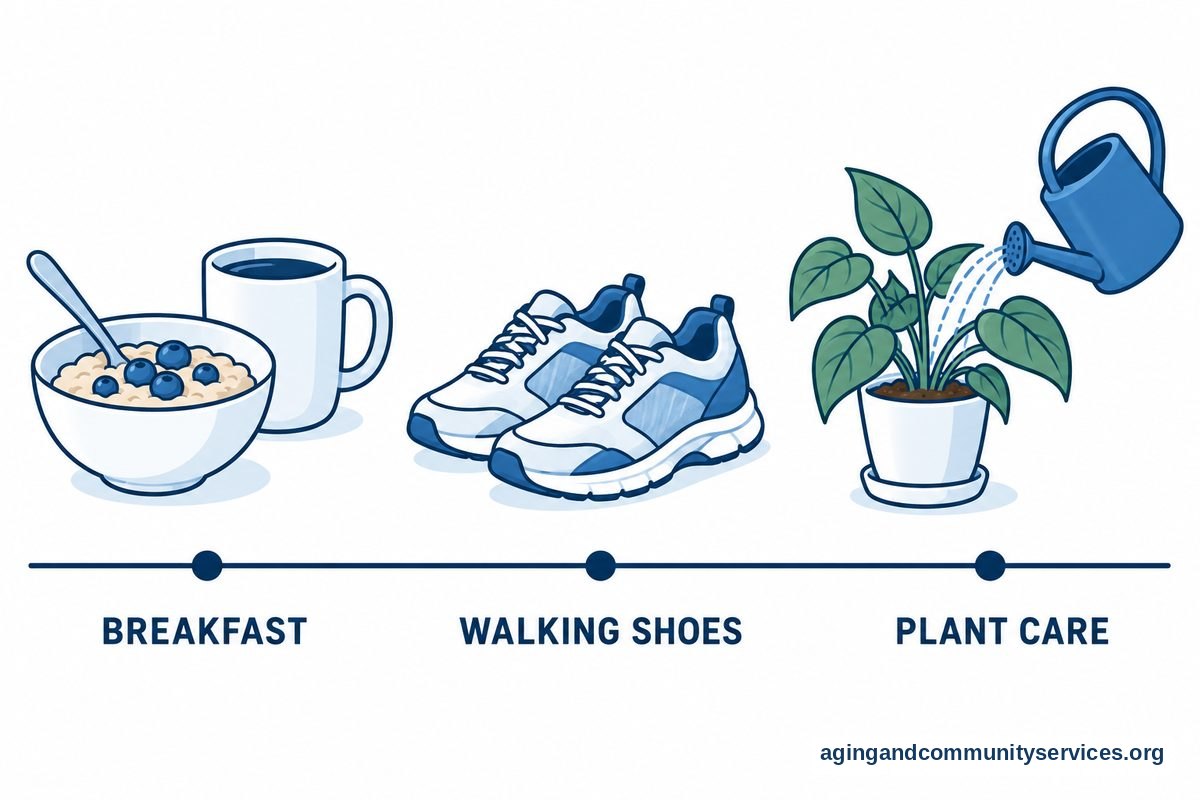
Start with steady anchors. These may include morning light, breakfast, a short walk, a phone call, a puzzle, a TV program, watering plants, or sitting outside. Small habits can make the day feel more settled.
Practical ideas include:
- Set a regular time for phone or video calls
- Plan one shared meal each week, in person or by phone
- Keep a simple calendar in a visible place
- Encourage hobbies that can be done at home or nearby
- Arrange rides to faith services, clubs, classes, or the library
- Invite neighbors or family to stop by at predictable times
Technology can help when it feels easy to use. A tablet or smart display can make faces part of the week, especially when family lives far away. If setup is a barrier, a guide to video calls for elderly family members may help make the process less frustrating.
Purpose is also important. Many people feel better when they are needed, not just cared for. Ask for advice, recipes, stories, help with family history, or opinions on real decisions. This shows respect and keeps the relationship two way.
Home Safety, Independence, And Peace Of Mind
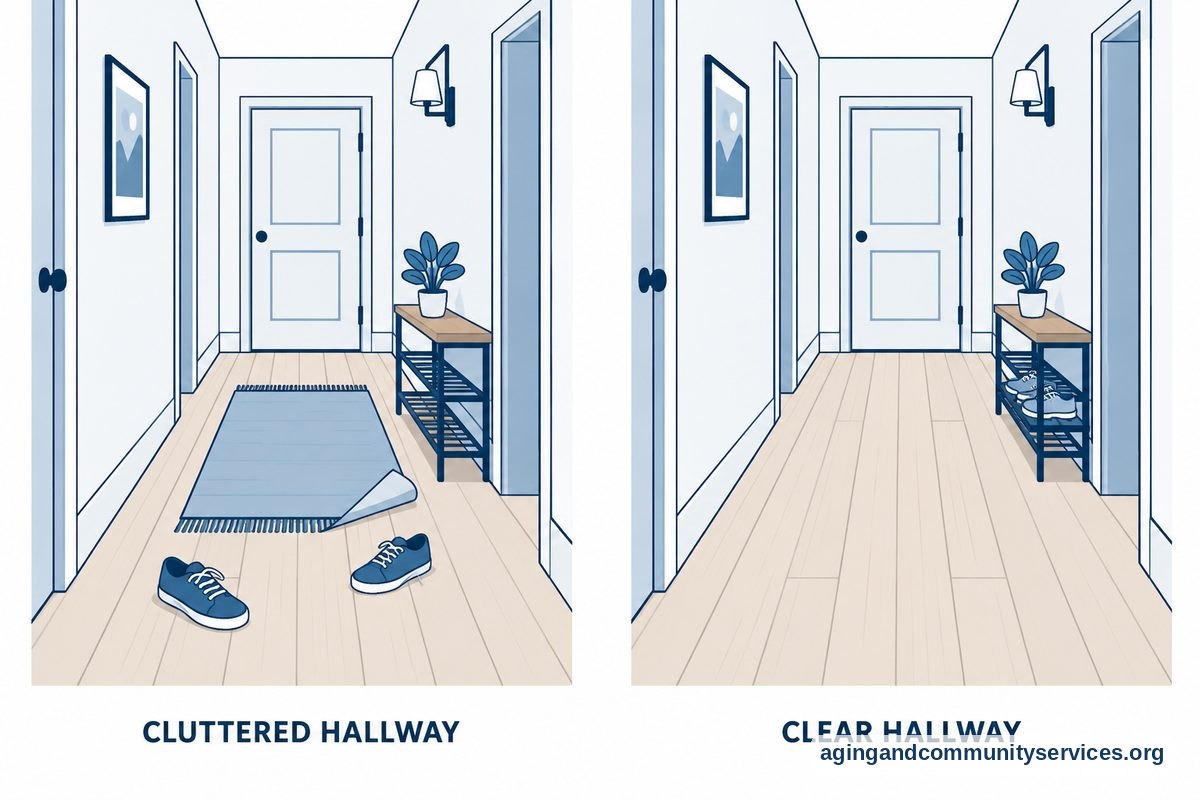
Feeling safe at home can support peace of mind. Worry about falling, forgetting something, or not reaching help can make a person pull back from normal life. Home changes should be framed as tools for independence, not signs of failure.
Useful non-medical steps may include:
- Improve lighting in halls, bathrooms, and entryways
- Remove loose rugs or clutter from walking paths
- Keep often used items within easy reach
- Add grab bars or a shower chair if a professional recommends them
- Place emergency contacts near the phone
- Use a simple pill organizer if the doctor or pharmacist agrees
The National Institute on Aging offers practical guidance on aging in place, including home setup and planning. Families can use this as a starting point for a calm home review.
Monitoring should be discussed with care. Some people like check in apps, door sensors, or shared calendars. Others find them too intrusive. A family plan for monitoring elderly living alone should protect dignity as well as safety.
It is often best to agree on what will happen if a call is missed. For example, the family might call again, then call a neighbor, then visit. Clear steps can reduce worry on both sides.
When To Involve A Doctor Or Local Support
Family support is valuable, but it should not replace professional advice when changes are ongoing or concerning. A doctor can look for health issues that may affect mood, sleep, energy, appetite, memory, or behavior. Bring notes about what has changed and when it started.
It may be time to suggest a medical visit when there are repeated missed meals, falls, confusion, strong mood changes, or trouble managing daily tasks. If the person agrees, a family member can attend the visit or send notes ahead of time.
Local services may also help with transportation, meals, home support, caregiver guidance, and social programs. The Eldercare Locator can help families find aging services in their area.
Support needs can change over time. A person may be fine with weekly help now and need more help later, or the opposite. Keeping the plan flexible can reduce conflict and make changes feel less like a loss of control.

What You Can Do Next
Start small. One thoughtful step is often better than a long list of changes. Choose something the person is likely to accept and build from there.
- Have one gentle conversation. Ask how the person has been feeling and what would make daily life easier.
- Set a contact rhythm. Agree on calls, visits, or video chats that feel welcome, not forced.
- Review the home together. Look for lighting, clutter, trip hazards, and hard to reach items.
- Write down key contacts. Include family, neighbors, doctors, pharmacy, and preferred helpers.
- Plan one social connection. This could be a meal, library visit, faith group, hobby group, or neighbor visit.
- Ask about medical follow up. If mood, sleep, memory, appetite, or balance has changed, suggest a doctor visit.
If you are helping from a distance, keep the plan simple and shared. A calendar, call schedule, and local backup person can make a big difference. It may also help to learn about common challenges living alone so you can plan without taking over.

Frequently Asked Questions
Can living alone affect mental health in later life?
Yes, it can affect some people, but not everyone in the same way. Living alone may reduce daily contact, which can make sadness, worry, or changes in routine harder to notice. Many people still live alone happily when they have support, purpose, and ways to stay connected.
How can I tell if my parent is lonely or just private?
Look for changes from their normal pattern. If they have always enjoyed quiet time, privacy may be normal for them. If they stop calling, avoid visitors, skip hobbies, or seem less interested in daily life, it may be worth asking gently how they are doing.
What should I say if they do not want help?
Respect the answer and keep the door open. You might say, “I understand. If there is one thing that would make the week easier, I would like to help with that.” Offering one small choice often works better than pushing a full plan.
Are video calls a good idea for someone living alone?
Video calls can be helpful if the person likes them and the device is simple to use. They allow family to share faces, meals, birthdays, and everyday moments. If the technology causes stress, regular phone calls or in person visits may be better.
When should family talk to a doctor?
Talk to a doctor when changes in mood, sleep, appetite, memory, balance, or daily tasks continue or get in the way of normal life. A doctor can review possible health factors and suggest next steps. If the person agrees, bring clear notes instead of general worries.
How often should someone check in?
There is no single schedule that fits every home. Some people like a daily call, while others prefer a few planned contacts each week. The best plan is clear, respectful, and agreed on by the person living alone whenever possible.