

Finding the right technology enabled care suppliers for elderly and disabled adults makes it easier to stay safe and connected at home. These specialized companies provide devices, software, and response services that assist with daily routines and safety needs. With thoughtful planning, these tools help individuals preserve their independence while giving family caregivers greater peace of mind.
What Are Technology Enabled Care Suppliers?
Technology enabled care suppliers are organizations that offer equipment and digital systems designed to support daily living. They often combine physical equipment, such as alert buttons or sensors, with active monitoring networks. These services work together to create a reliable safety net throughout the home.
Many families turn to these providers when considering aging in place safely. Instead of relying on a single gadget, these companies deliver complete packages that can adjust as an individual’s needs shift over time. They often handle everything from device setup to ongoing customer support.
Different suppliers specialize in different areas of daily support. Some focus primarily on home safety and emergency response, while others focus on daily health tracking, memory prompts, or mobility aids. Understanding what each company provides helps families make choices that fit their unique living arrangements.
Common Systems Offered by Care Suppliers
Modern suppliers offer a wide variety of tools created specifically for accessibility and ease of use. These systems can be simple, single-purpose items or integrated networks that cover the whole house.
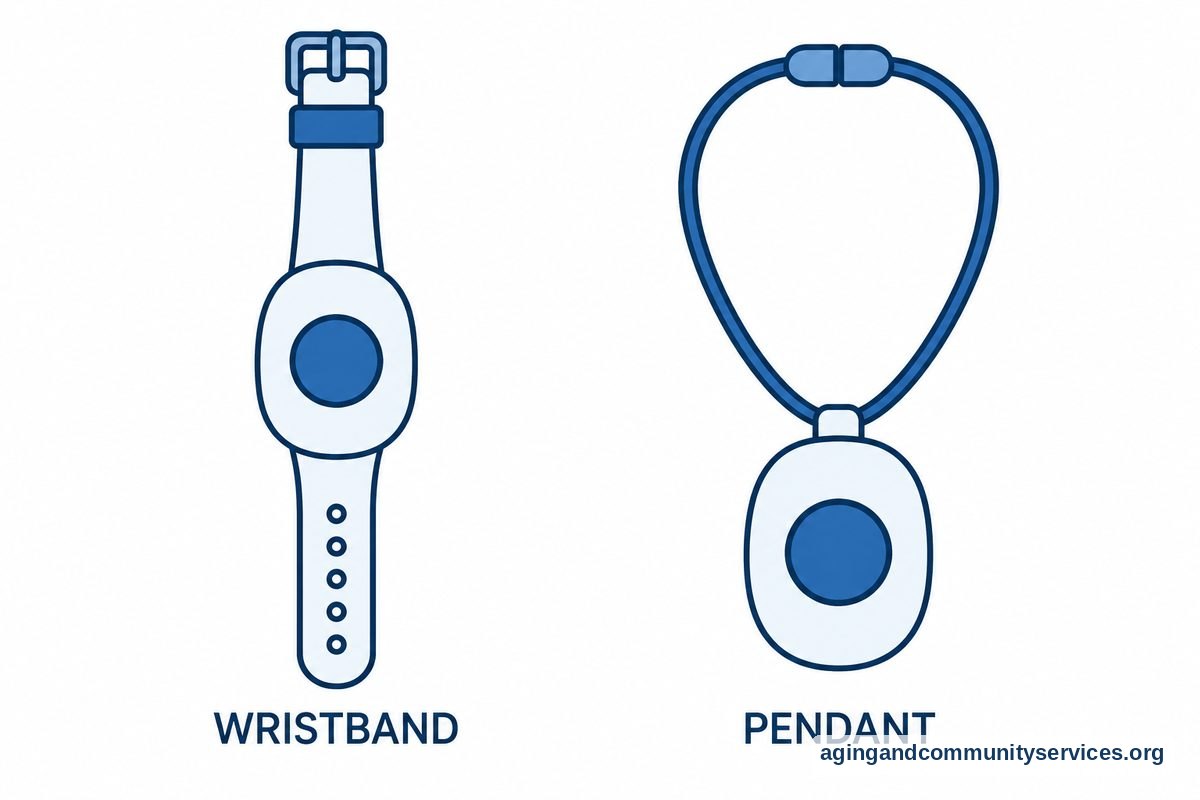
- Personal emergency response systems: Wearable pendants or wristbands that connect the user to a trained operator with a single press.
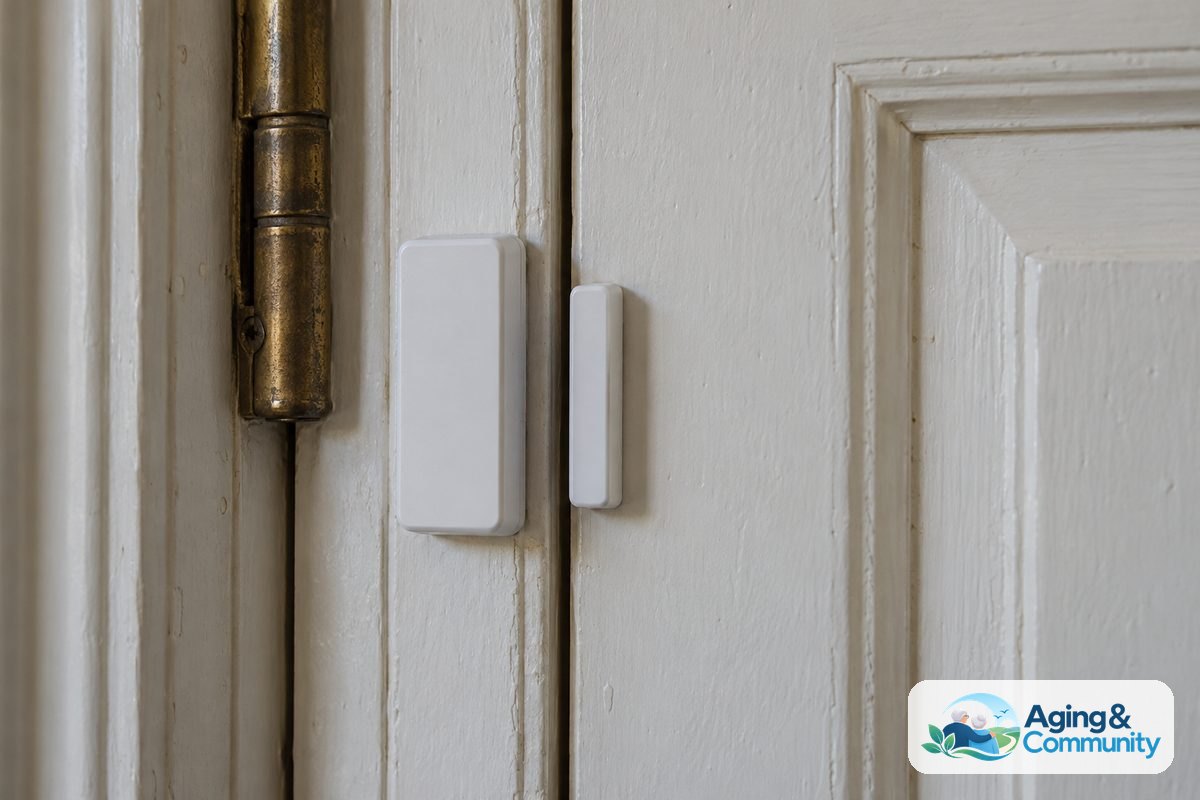
- Environmental sensors: Wall or doorway monitors that detect unusual activity, changes in temperature, or water leaks without invading personal privacy.
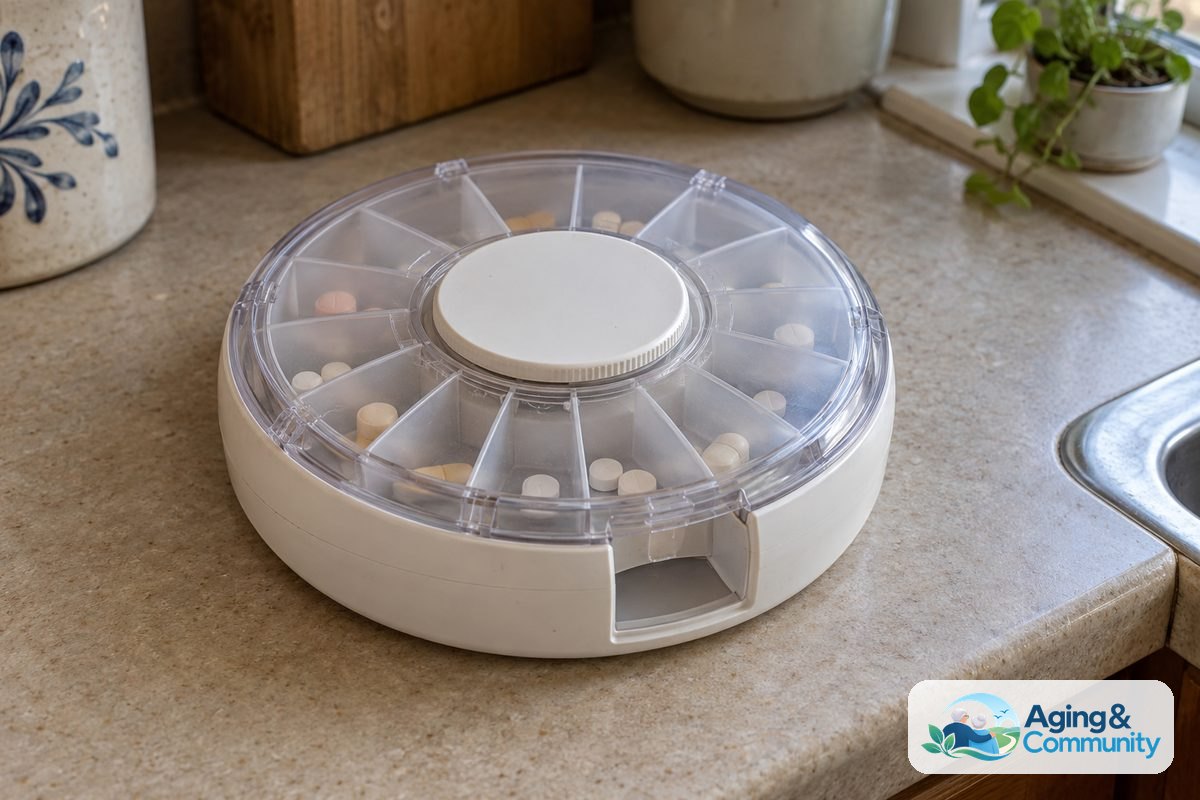
- Medication organizers: Automated dispensers that unlock and sound a gentle reminder when it is time to take prescribed doses.
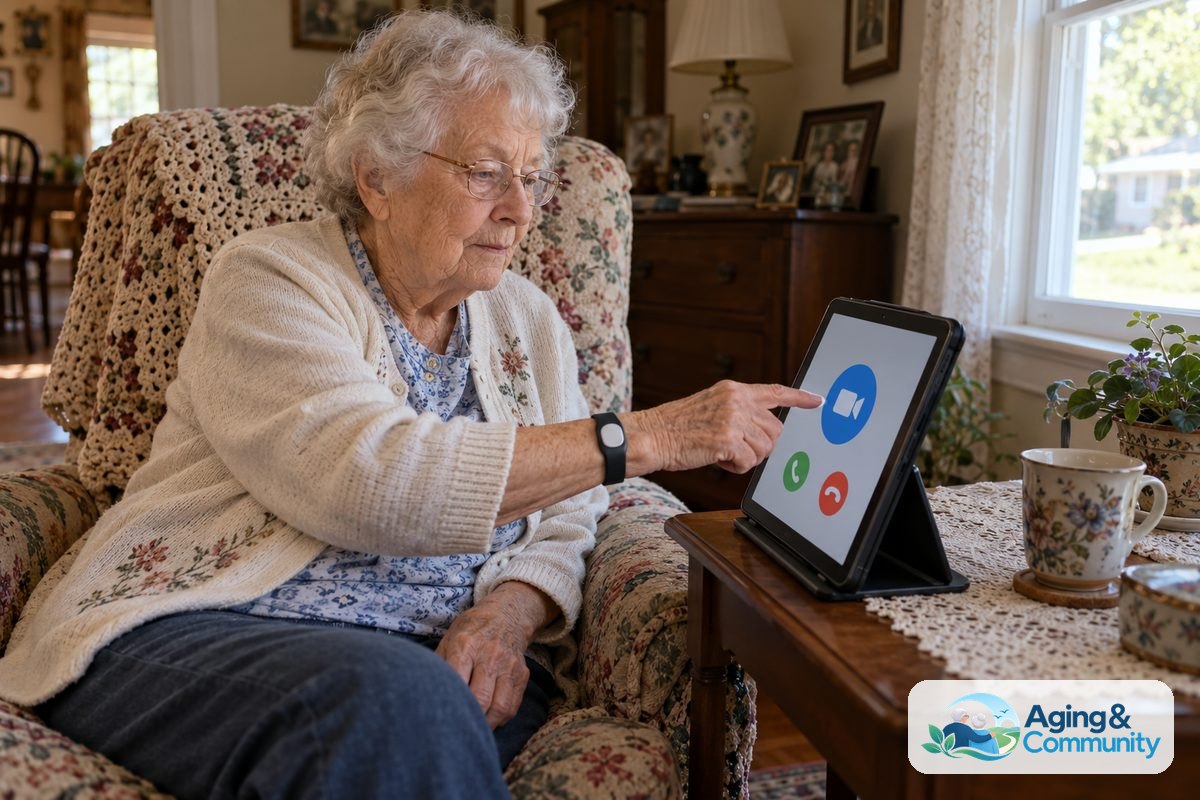
- Communication tablets: Simplified touchscreens built with large text, clear icons, and one-touch video calls to family members.
Using supportive technology for aging and disability can significantly simplify basic household tasks. When exploring these choices, consider whether the person prefers wearable items or passive tools that work quietly in the background.
How Technology Enabled Care Enhances Home Safety
Maintaining safety within the house is a primary goal for many households. Specialized tools allow individuals to live in familiar surroundings while ensuring help is reachable whenever it is needed.
Balance changes can happen naturally over time, making immediate communication essential. Learning about falls and falls prevention provides valuable context on why prompt assistance matters after an unexpected slip. Automatic fall detection built into certain alert devices can signal monitoring centers even if a person cannot press the button themselves.
Many households find that incorporating technology to help seniors age in place reduces stress for everyone involved. Remote notifications can alert family members if an exterior door opens during the night or if kitchen appliances stay on too long. These subtle protections allow people to go about their normal days with confidence.
Key Features to Look for in a Provider
Not all providers deliver the same level of assistance or customer care. Taking time to compare how companies operate helps ensure a smooth experience for your family.
| Feature | Why It Matters | Questions to Ask |
|---|---|---|
| Customer Support | Ensures equipment stays working properly | Is live technical support available outside standard business hours? |
| Ease of Installation | Reduces frustration during initial setup | Can family set it up, or is professional installation available? |
| Connectivity Options | Keeps devices online during service interruptions | Does the base unit rely on a landline, Wi-Fi, or cellular network? |
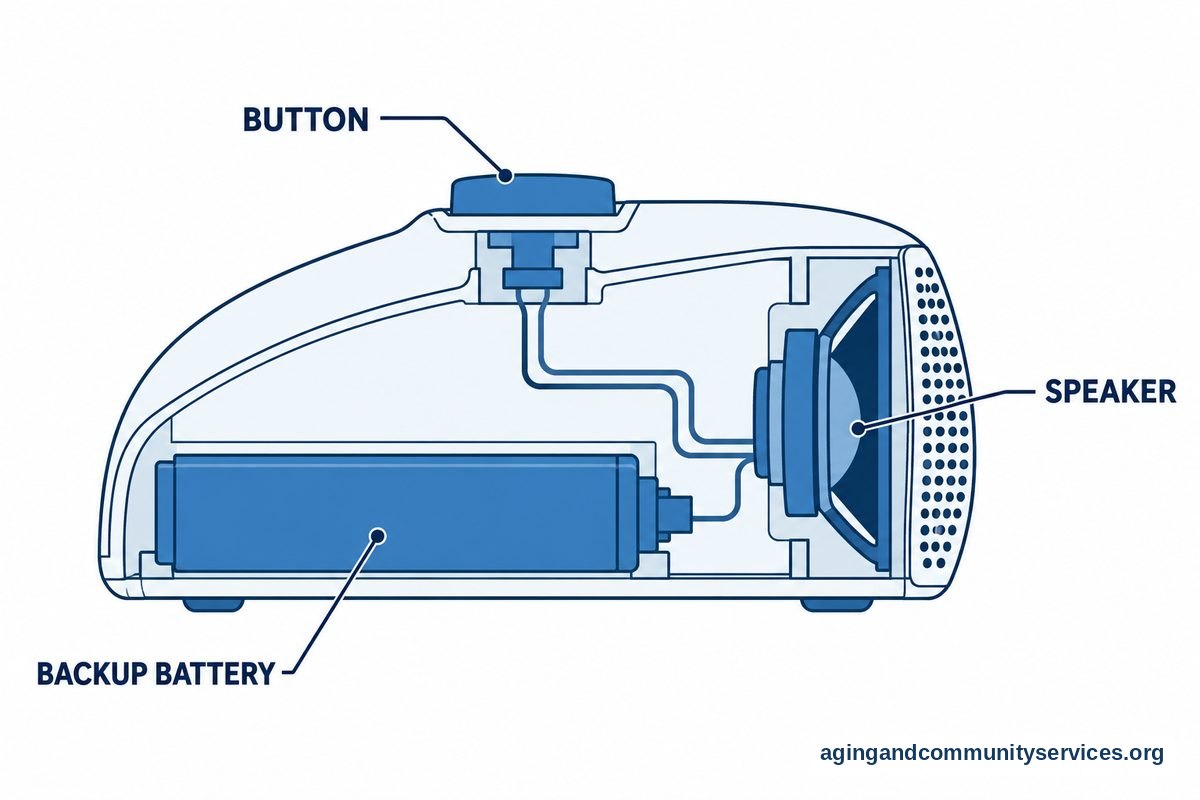
| Battery Backup | Maintains safety during unexpected power outages | How long does the backup power last if electricity goes out? |
Exploring dedicated technology services for seniors allows you to see how different networks manage technical glitches and battery replacements. Consistent service is just as important as the physical hardware you place inside the home.
How to Select the Right Supplier for Your Household
Choosing a partner for your supportive equipment requires an honest look at daily habits and personal preferences. An overly complicated system may end up sitting in a drawer unused, defeating its original purpose.
First, involve the person who will use the equipment in every conversation. Comfort and willingness to wear or use the items are essential for success. Some people prefer discreet wristbands that look like modern watches, while others favor a traditional pendant or wall-mounted buttons.
Second, review the reliability of local communication signals. A cellular-based system requires strong mobile reception inside the home, while Wi-Fi systems require stable internet coverage across every room. Reputable companies will help you check coverage maps before completing your order.
Finally, consider how the equipment fits with other caregiving routines. The right technology for elderly care should work smoothly alongside family check-ins and professional home care visits. Choose companies that allow you to adjust contact lists and emergency response instructions whenever your circumstances change.
Practical Next Steps to Get Started
You can begin exploring care options today through straightforward research and open family conversations. Here are constructive steps you can take right now:
- Walk through the living space: Note areas where communication might be difficult, such as the bathroom, basement, or outdoor garden paths.
- List daily routines and challenges: Identify specific tasks that cause worry, such as remembering daily tablets, answering the front door, or moving safely at night.
- Speak with professionals: Ask a doctor, physical therapist, or occupational therapist for input on what types of adaptive devices might support daily independence.
- Consult public resources: Contact the Eldercare Locator to find community programs, local area agencies, and guidance on supportive home services.
- Request product guides: Contact two or three reputable suppliers to ask for clear equipment manuals and service terms before making any commitments.
Frequently Asked Questions
What does technology enabled care mean?
Technology enabled care refers to devices, sensors, and communication networks that help people manage personal safety and daily routines at home. This includes medical alert pendants, automatic pill reminders, and remote home monitoring systems.
How do emergency response systems work during a power outage?
Most reputable base units include a built-in backup battery designed to keep the system running for several hours if power fails. Cellular-based units continue to transmit signals even when home internet or landline services drop out.
Can an occupational therapist help choose home care devices?
Yes. An occupational therapist can evaluate a person’s living space, physical mobility, and daily routines. They offer neutral, personalized guidance on which adaptive tools and buttons match the individual’s abilities.
Are family members notified during an alert?
Most modern systems allow you to establish a custom emergency call list. You can specify whether the monitoring center should contact designated family members first, or dispatch local emergency personnel immediately based on the situation.
Do these tools require a traditional landline telephone?
No. While landline options still exist, most current suppliers utilize built-in cellular chips or home Wi-Fi networks. This enables flexible placement anywhere in the home without needing telephone jacks.