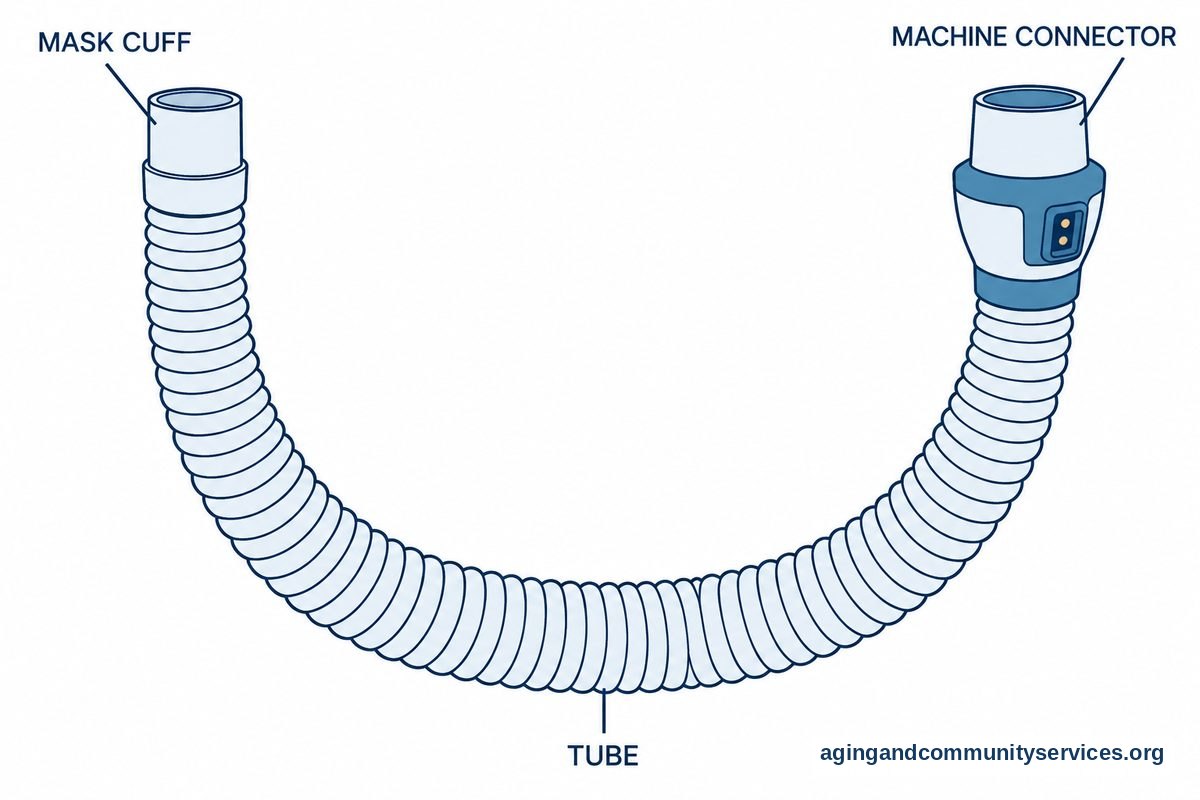
Learning how to use a cpap cleaning machine is a simple way to keep your sleep equipment fresh and ready for each night. Most devices use either ozone gas or ultraviolet light to sanitize your mask, tubing, and water chamber with the press of a single button. Taking a few moments each morning to wipe your parts and run a cycle helps keep your daily routine smooth and manageable.
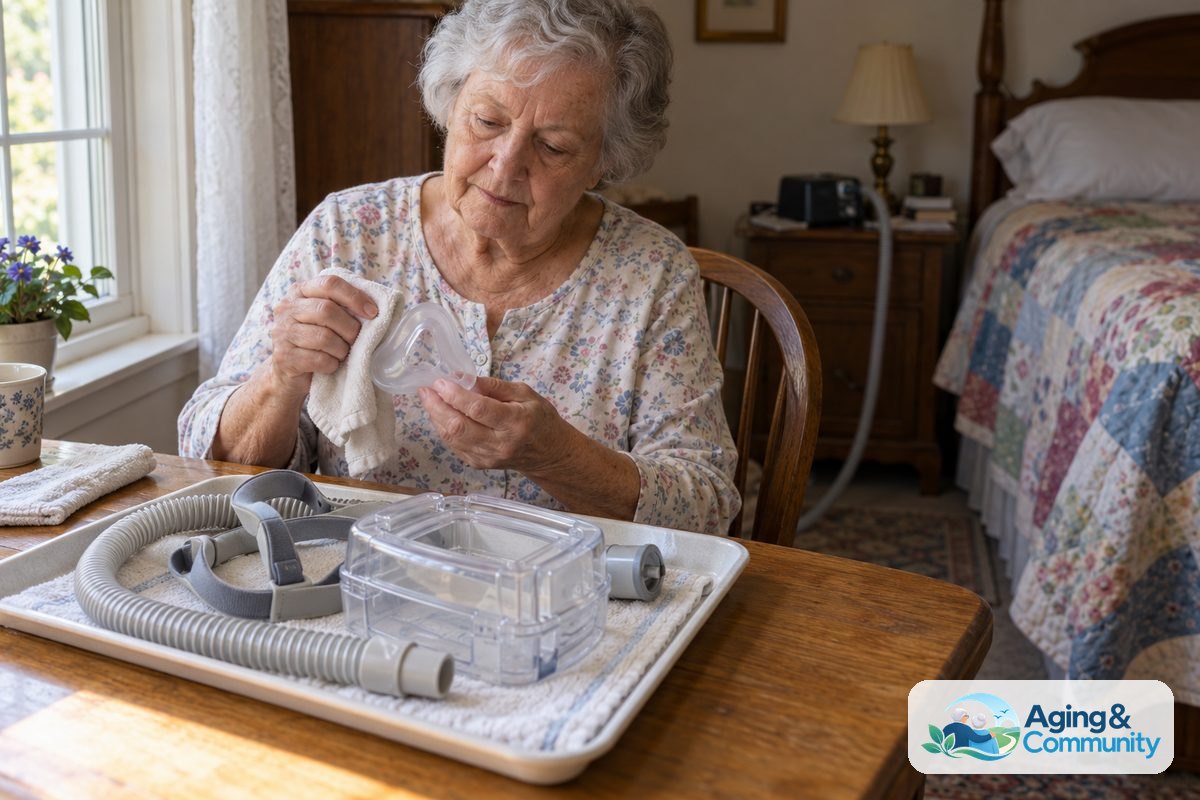
Step-by-Step Guide to Using Your Machine
- Wipe away facial oils first: Use a damp cloth or gentle, fragrance-free wipe to clean the surface of your silicone mask cushion and tubing before placing them into the device.
- Empty and dry the water tub: Pour out any leftover distilled water from your humidifier chamber and dry it with a clean towel so no standing water remains.
- Place the parts inside the sanitizing chamber: Open the lid or drawer of your device and set your mask, headgear, and empty water tub inside without overlapping them.
- Connect the hose if required: Hook your tubing directly to the machine port or tuck it completely into the main compartment depending on the specific model design.
- Close the lid tightly: Shut the door, lid, or bag securely so the safety latches engage and keep the sanitizing cycle contained.
- Press the start button: Push the power or cycle button to begin the cleaning cycle, which usually runs anywhere from five minutes to half an hour.
- Allow the waiting period to finish: Wait until the full resting period ends before opening the chamber, especially if your device uses activated oxygen that needs time to dissipate safely.
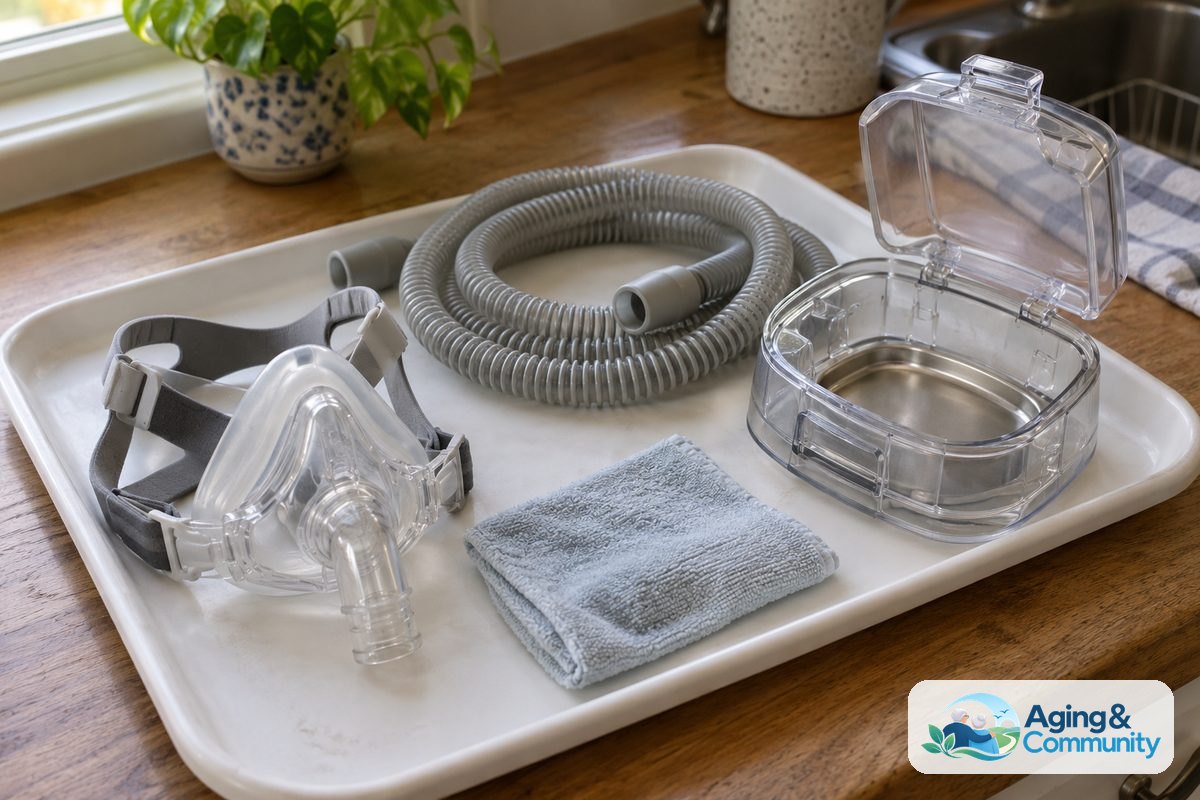
Common Mistakes to Avoid
While automated sanitizers are very convenient, small missteps can keep them from working properly or could even cause premature wear on your supplies.
- Skipping the pre-wash step when visible skin oils, makeup, or dirt are stuck on the silicone cushion.
- Leaving standing water inside the humidifier chamber, which can prevent light or gas from touching all internal surfaces.
- Opening an ozone-based sanitizer before the resting timer completes, releasing strong odors into your bedroom.
- Cramming too many accessories into the chamber at once so that parts block each other from receiving proper exposure.
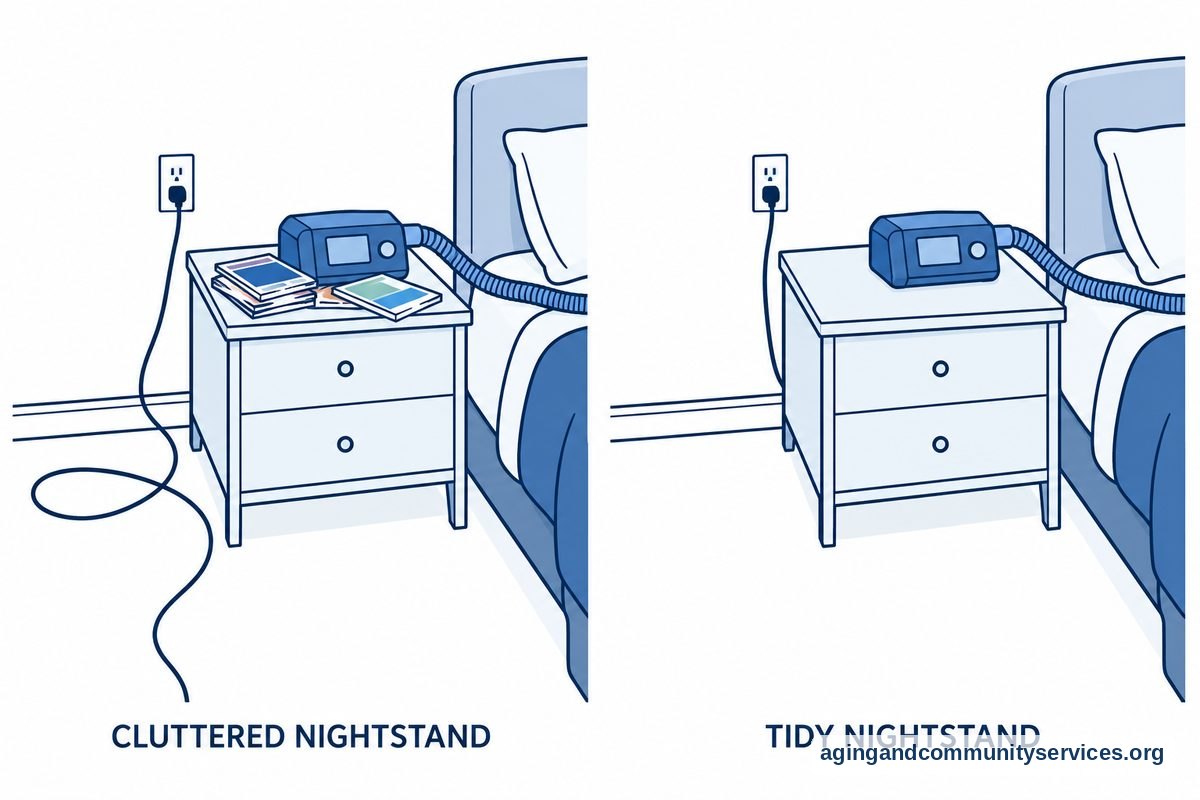
- Placing the sanitizing unit on a cluttered nightstand where power cords could create a tripping hazard, an important safety consideration discussed in resources on falls and falls prevention.
- Neglecting to replace internal device filters or ozone adapter bags as recommended by the equipment manufacturer.
When to Ask for Professional Guidance
Most issues with cleaning units are easy to solve at home, but certain situations call for expert help. If your machine displays an error code, fails to turn on, or produces a persistent burning odor, stop using it right away. Contact the medical supply company or durable medical equipment provider that issued your supplies. You can also reach out to your sleep clinic nurse or respiratory therapist.
When you call, have the make and model number of your cleaning device ready. Tell the technician how long you have had the unit, the exact lights or error codes showing on the display, and whether your mask or tubing has changed color or developed an unusual smell. If you need help finding local resources or medical supply vendors, community programs like the Eldercare Locator can connect you with trusted neighborhood aging services.
Understanding Ozone and Ultraviolet Sanitizers
There are two primary styles of sanitizers on the market today. Knowing which type sits on your table helps you use it with confidence.
Ultraviolet light devices use a specific wavelength of light to break down organic matter on hard surfaces. These units do not create odors and usually finish their cycle in five to ten minutes. Because light travels in straight lines, you must place your supplies so the light can shine directly onto every surface. For example, if you are learning how to choose a cpap machine and mask, you may find that smaller nasal pillows fit into light boxes more easily than large full-face masks.
Activated oxygen or ozone devices generate a mild gas that fills a sealed compartment or travels through the tubing. The gas reaches into small crevices and bends where light cannot travel. These machines require a mandatory resting period after the active cycle. This waiting time allows the gas to revert back into regular oxygen before you open the lid. Running these devices in a room with good air circulation helps keep your bedroom air fresh.
Integrating Cleaning into Your Morning Routine
Setting up an easy morning routine ensures your sleep equipment is clean long before bedtime arrives. For older adults, keeping nightstands tidy and organized makes daily maintenance much simpler and supports comfortable aging in place.
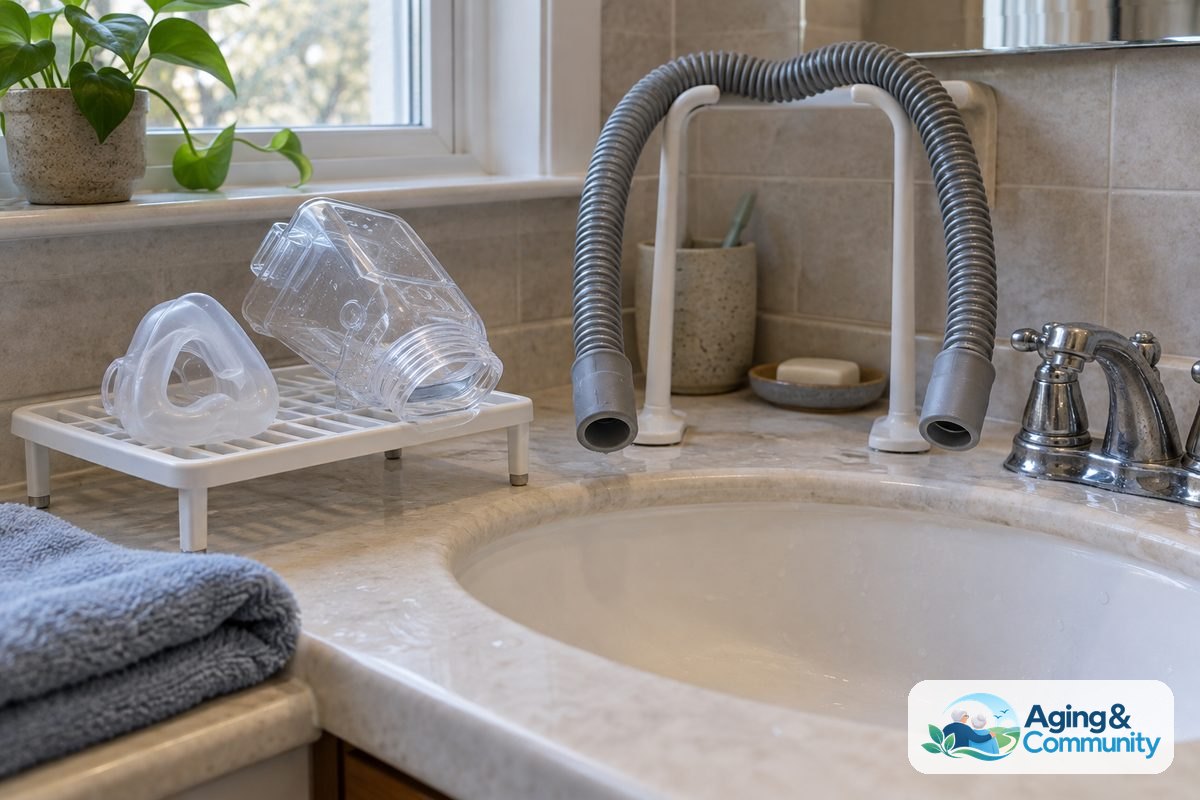
When you wake up, take off your mask and disconnect the tubing. Give the silicone cushion a quick wipe with a clean cloth to pick up facial oils. Empty the water chamber into the sink and dry it with a soft cloth. Place these items inside your sanitizer, press the start switch, and let the machine do its work while you eat breakfast. By the time you return to make your bed, the cycle and waiting period will be finished, and your parts will be dry and ready for the evening.
If you sleep with specialty bedding, such as learning how to choose a cpap pillow, remember that cloth pillow covers still need a standard laundry wash. Sanitizing boxes are built for durable medical plastic and silicone, not thick fabric linens.
Insurance and Machine Care Considerations
Many people wonder if their insurance policy covers automated sanitizers. Private insurers and federal plans typically view automated cleaners as comfort items rather than medical necessities. If you are reviewing does medicare cover cpap machines, keep in mind that standard coverage pays for the primary therapy unit, replacement masks, filters, and hoses, but rarely pays for standalone cleaning devices.
Because you pay out of pocket for these units, caring for the cleaner itself protects your investment, as explained in our walk-in tub Medicare guide. Wipe down the outside of the cleaner with a soft cloth once a week. Never submerge the sanitizing unit in water, and check the power cord regularly to make sure it remains free of kinks or cracks.
Frequently Asked Questions
Do I still need to wash my parts with soap and water?
Yes, sanitizing devices do not remove physical particles like dust, facial oils, or mineral deposits. Most manufacturers advise washing your mask and hose in warm water with mild dish soap once a week. The sanitizing machine serves as an extra daily layer of cleanliness, not a total replacement for washing.
Can I clean heated tubing inside a sanitizing unit?
Most modern heated hoses can be placed inside ultraviolet boxes, but you must check your specific tubing manual first. Some heated hoses contain sensitive copper wiring that should not be exposed to ozone gas. Check with your medical equipment supplier to confirm your hose material.
Why does my mask smell strange after using the sanitizer?
A distinct scent is common after an ozone cycle. If your mask has a sweet or metallic smell, let it air out in a well-ventilated room for an extra hour before bedtime. Running your therapy machine for two minutes without wearing the mask can also blow out any lingering odors.
How often should I use the cleaning machine?
Most users run their device once per day, usually in the morning after waking up. Running the cycle right after waking gives the unit plenty of time to complete its cycle and allows any odors to clear long before you go to sleep.
Will a cleaning machine void my therapy unit warranty?
Some major equipment manufacturers state that damage caused by ozone gas may not be covered under their repair warranties. If you are unsure, avoid connecting the sanitizer directly to your main blower box. Simply sanitize the mask, hose, and water tank separately to keep your main therapy unit protected.