

Learning how to use a hearing aid takes a little time and regular practice. To use your device, you put in a fresh battery or charge it, place the unit securely in your ear, and slowly adjust to everyday sounds around your home. With a steady daily routine, handling your device will quickly become second nature.

Steps for Using Your Hearing Aid
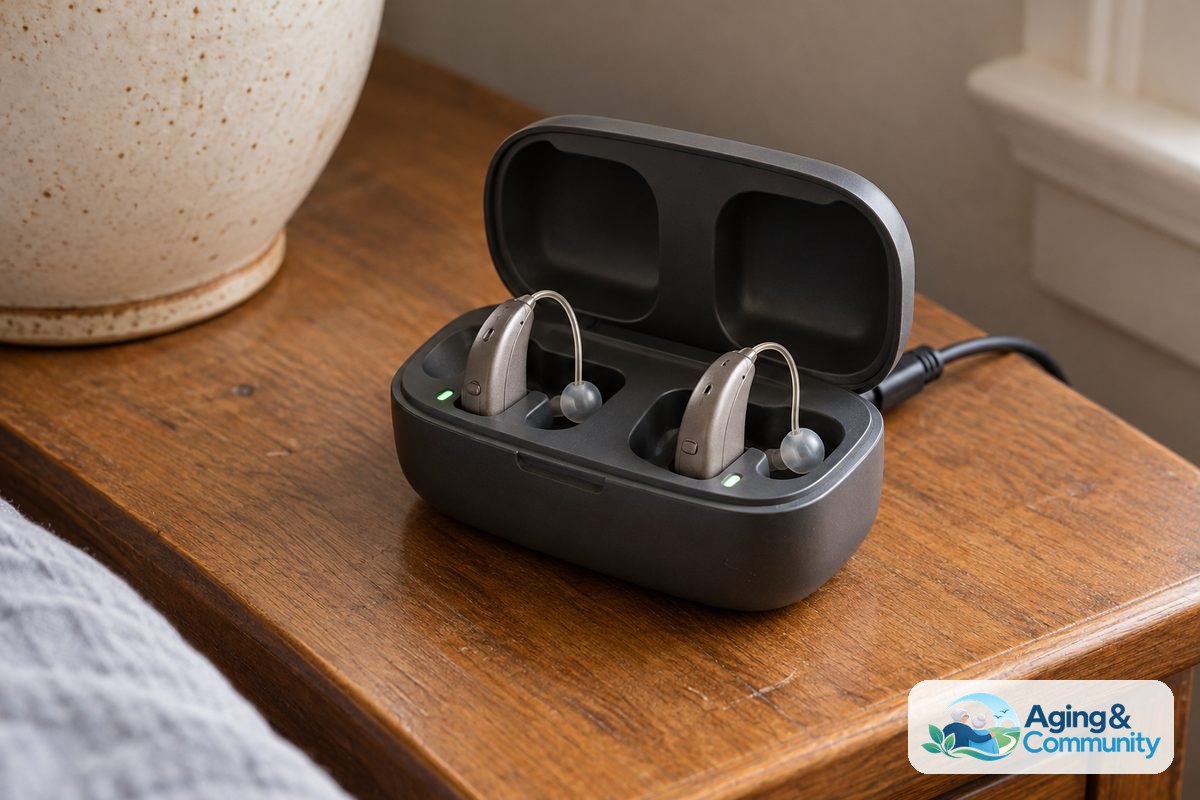
- Check the power source: Make sure your device is fully charged in its case or has a fresh disposable battery installed with the correct side facing up.
- Identify the correct ear: Look for the small color marker on the casing, where red always marks the right ear and blue marks the left ear.
- Position the device in your ear: Place the main body gently over the top of your ear, then slide the soft tip or custom mold smoothly into your ear canal until it feels snug.
- Turn the power on: Close the battery door completely or press the main button to turn the unit on once it rests securely in place.
- Adjust the volume gently: Keep the sound at a comfortable, moderate level so speech sounds clear without background noise feeling too sharp.
- Start in quiet spaces: Wear the device for a few hours each day in a calm room before using it in busy stores or noisy family gatherings.
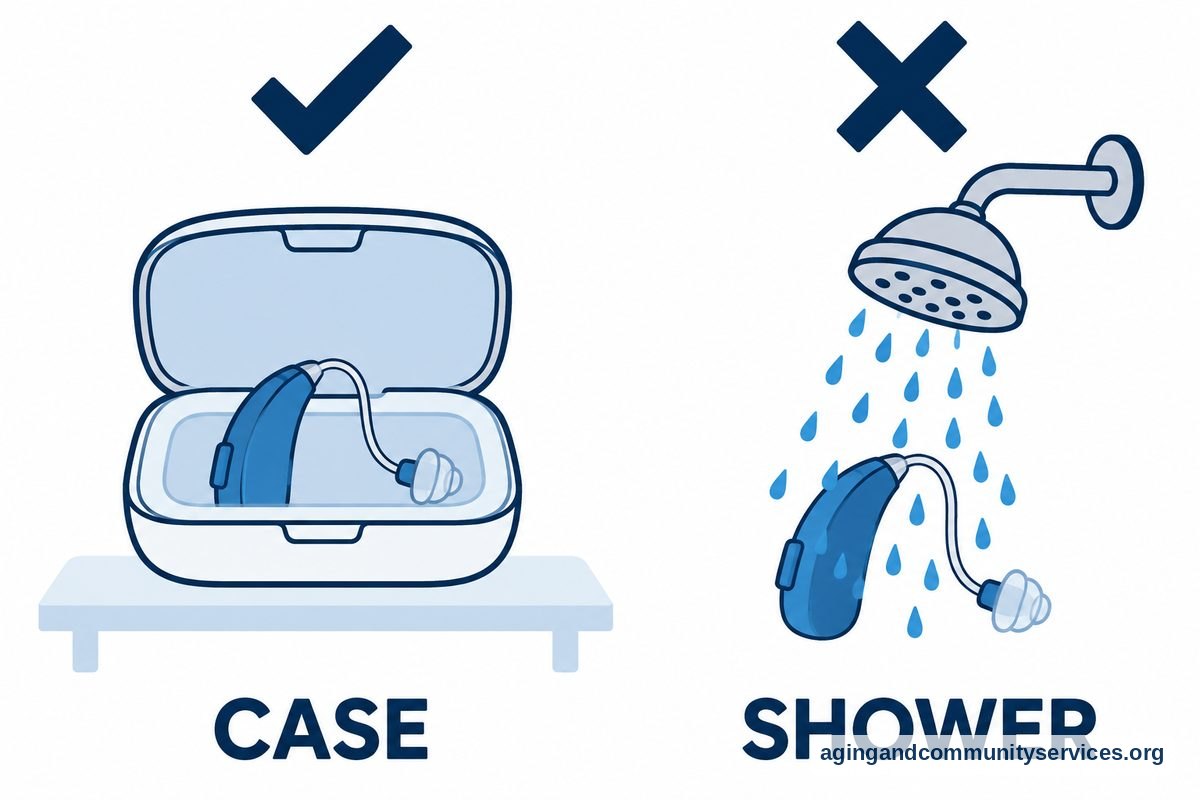
- Remove and store safely: Take the device out before bedtime, wipe it clean with a soft dry cloth, and keep it safe in its storage case.

Common Mistakes to Avoid
- Turning the volume up too high right away: Loud settings can cause sudden squealing noises and make everyday background sounds feel overwhelming.
- Getting the device wet: Never wear your device in the shower, while swimming, or when spraying hair products near your face.
- Skipping daily cleaning: Earwax can quickly block the tiny sound openings and stop the device from working properly.
- Forcing the fit: Pushing the tip too deep can irritate the skin of your ear canal and cause soreness.
- Leaving dead batteries inside: Old disposable batteries can leak moisture and harm the delicate electronic parts inside the case.
When to Call for Professional Help
Getting used to new sounds takes time, but you should not have to deal with physical pain. If your ear canal feels tender, itchy, or sore, call the hearing care clinic where you received your device. Tell the staff exactly where the mold rubs your skin so they can adjust the shape or size for you.
You should also seek assistance if the device whistles constantly, sounds muffled, or cuts out during normal conversations. A hearing specialist can check for wax buildup inside your ear canal or retest the internal programming. If you need help finding local clinics or transportation to appointments, the Eldercare Locator can connect you with trusted community resources in your area.
Caring for Your Hearing Aid Every Day
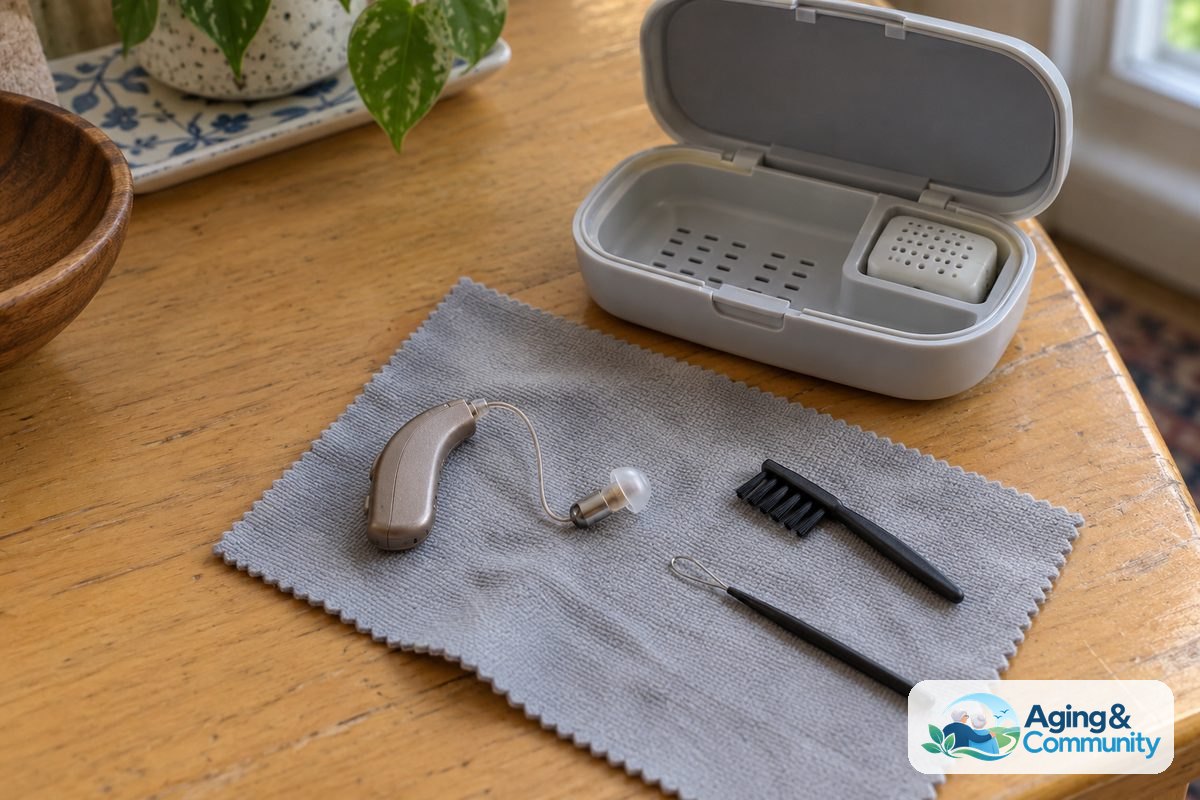
A good daily maintenance routine keeps your device working clearly and extends its life, especially if you learn how to use hearing aid wax guards regularly. Moisture from sweat and humidity can settle inside the small internal microphones over time. Using an overnight storage box or learning how to use a hearing aid dehumidifier helps dry out harmful moisture while you sleep.
Clean the exterior surface each morning using the small brush and wax pick that came in your kit. Check the flexible silicone ear tip for wax deposits before you put it on. If your tips become worn, stiff, or torn, learning how to choose hearing aid domes ensures you get the right replacement shape and size for a comfortable seal.
Managing Power and Everyday Sounds
Staying on top of your battery life prevents your device from shutting off unexpectedly during a conversation. If you use traditional disposable coin cells, knowing how to use a hearing aid battery tester allows you to check whether a cell is weak before you leave home. Many older adults keep spare batteries in a purse, pocket, or bedside drawer for quick changes.
If you are still exploring options for better hearing, it helps to understand the difference between prescription medical devices and basic sound amplifiers. Reading about a hearing aid vs hearing amplifier can show you how custom programming targets specific speech frequencies rather than simply making every background sound louder.
Adapting to New Sounds in Your Home
When you first wear your device, your brain has to relearn how to filter out background noises that you may not have heard for years. The hum of the refrigerator, running tap water, and the rustle of clothing can seem surprisingly loud at first. This is completely normal and fades as your brain gets used to the sound input.
Begin by wearing your device for two to three hours each day while reading aloud to yourself or watching the news. Talking to yourself helps you get comfortable with the sound of your own voice, which may sound slightly hollow or boomy in the beginning. Gradually add an hour of wear time each day until you can comfortably wear your devices from morning until night.
Clear hearing also plays a helpful role in staying safe and independent at home. Good sensory awareness helps you notice footsteps, pets, and household warning sounds more easily. The team at the National Institute on Aging: Aging in Place offers helpful ideas for setting up your living space so you can remain comfortable in your own home for years to come.
Frequently Asked Questions
Why does my hearing aid whistle when I put it in?
A high-pitched whistling sound, often called feedback, happens when sound leaking out of your ear canal gets picked up again by the microphone. Make sure the silicone tip or mold is seated snugly in your ear. The whistling should stop once the device is in place, but if it continues, an audiologist may need to adjust the fit.
How long will disposable hearing aid batteries last?
Most standard button batteries last between three and ten days, depending on the size of the battery and how many hours you wear the device each day. Advanced features like wireless phone streaming can use up battery power more quickly. Always keep an extra set of batteries with you so you never get caught without sound.
Can I wear my hearing aid while sleeping?
It is best to take your devices out before going to bed at night. Sleeping with them can press the hard plastic painfully into your ear canal and cause loud feedback against your pillow. Removing them overnight also gives your ears a rest and lets the devices air out inside a storage case.
How do I know if my hearing aid is turned on?
Many modern devices play a gentle chime or musical tune in your ear a few seconds after they power on. You can also cup the device loosely in your closed hand before putting it in your ear. If it emits a faint squeak or whistle while cupped, you know the power is on and working.
What should I do if my hearing aid gets wet?
If your device gets splashed or falls into water, take it out immediately and open the battery door. Wipe the outside dry with a towel, remove the battery, and place the unit in a dry container or learn how to use a hearing aid drying cup safely. Never use high heat from a hairdryer, microwave, or oven to dry the device, as intense heat will destroy the delicate electronics.