

Learning how to use grab bars properly gives you reliable support during daily routines like bathing or using the toilet. These sturdy fixtures work best when you wrap your whole hand around them and keep your body weight centered over your feet. Using them correctly helps maintain your balance and builds steady confidence at home.

Key Steps for Using Bathroom Grab Bars
- Test your grip first. Make sure your hands are dry, or rest your palm on a textured surface, before placing your full weight on the bar.
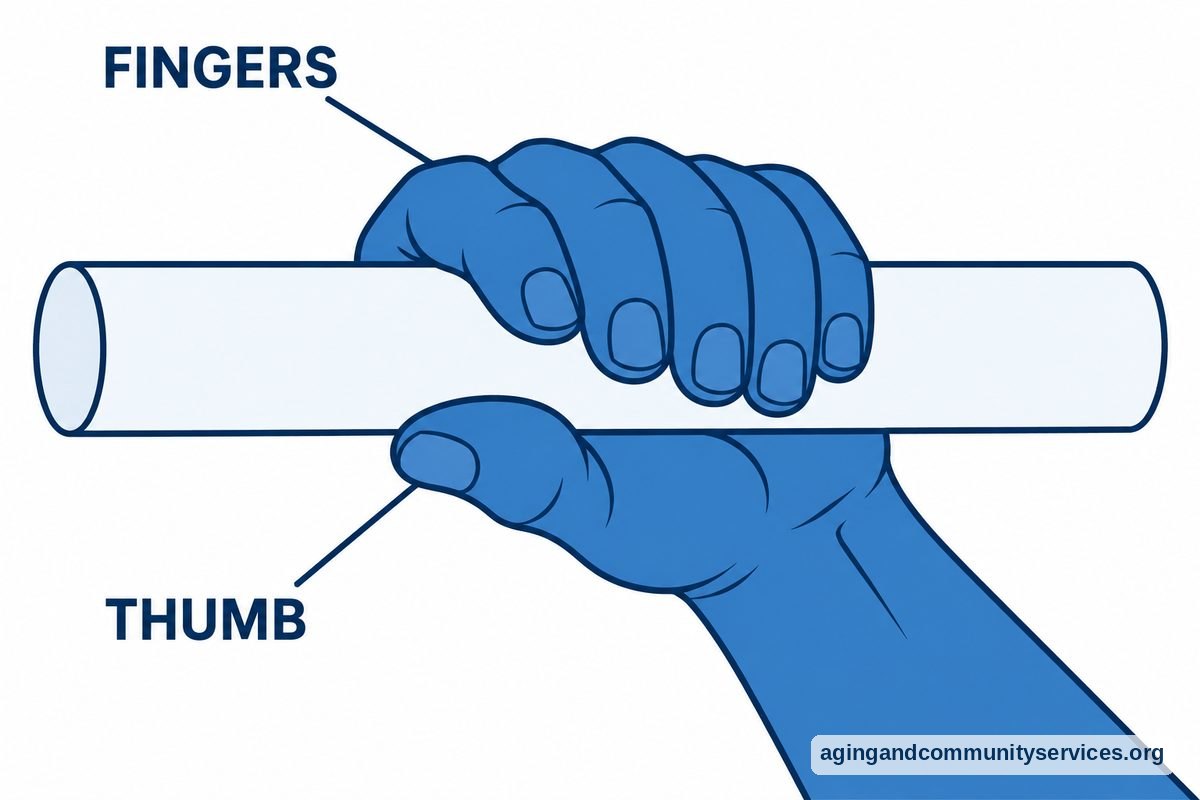
- Wrap your fingers completely around the bar. Grip the bar with your thumb wrapped underneath the tube rather than resting on top so your hand cannot slide off.
- Step with your body close to the bar. Stay near the bar while moving your feet rather than leaning far away, which keeps your center of gravity stable.
- Push down rather than pulling sideways. Apply downward pressure with your palm when rising from a shower bench or toilet seat to give your legs better leverage.
- Move one hand at a time. Keep at least one hand securely planted on a bar or sturdy surface while reaching for the next hold.
Common Mistakes to Avoid
- Relying on towel bars, soap dishes, or sliding shower doors for support instead of true safety bars.
- Pulling back on a bar with straight arms, which can pull your balance backward.
- Grabbing a bar with soapy, wet hands that can easily slip off smooth metal.
- Rushing through transitions instead of pausing between sitting and standing.
- Reaching too far across the tub, which forces you to bend at an awkward angle.
When to Get Professional Advice
If you feel unsteady even while holding onto wall bars, it may be time to consult an expert. A physical therapist or an occupational therapist can watch how you move and recommend personalized techniques. They can help you determine whether your bars sit at the right distance for your reach, or if you need extra support like a shower chair.
For help finding local resources, you can call the Eldercare Locator to connect with community support services in your area. Tell the specialist that you want home modification guidance or a mobility assessment. They can link you to licensed contractors or therapy programs designed to support safe living at home.
How to Use Grab Bars for the Shower and Tub
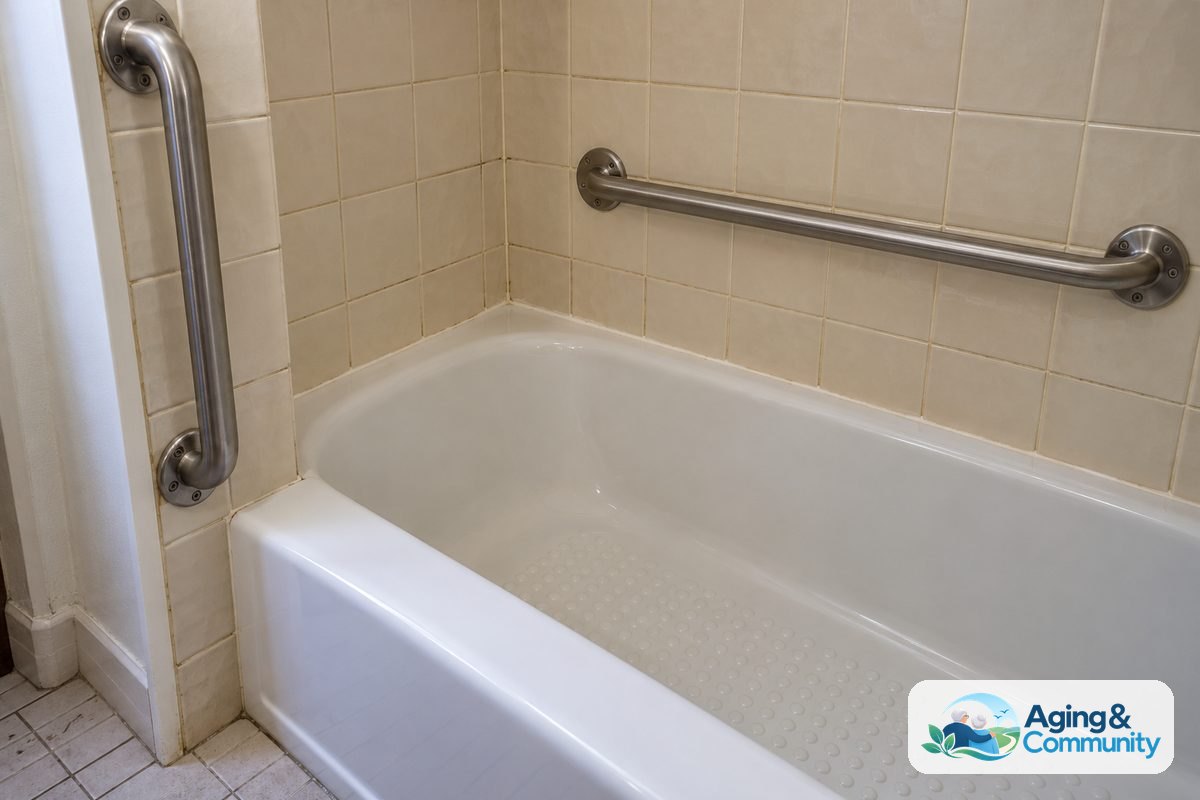
Getting in and out of a bathtub requires careful coordination. When stepping over the tub rim, face forward or slightly toward the shower wall. Hold the vertical entry bar with the hand closest to the wall, step over with your outer leg, and plant your foot flat on the non-slip floor. Once balanced, bring your second foot into the tub while keeping a firm grip.
While standing inside the shower, keep one hand on a horizontal wall bar whenever you wash your feet or close your eyes under the water. If you use a shower seat, place your hand firmly on the horizontal bar beside you to guide yourself down slowly. Reviewing proper grab bar placement can help you make sure your bars are within comfortable arm reach for these movements.
How to Use Grab Bars Near the Toilet
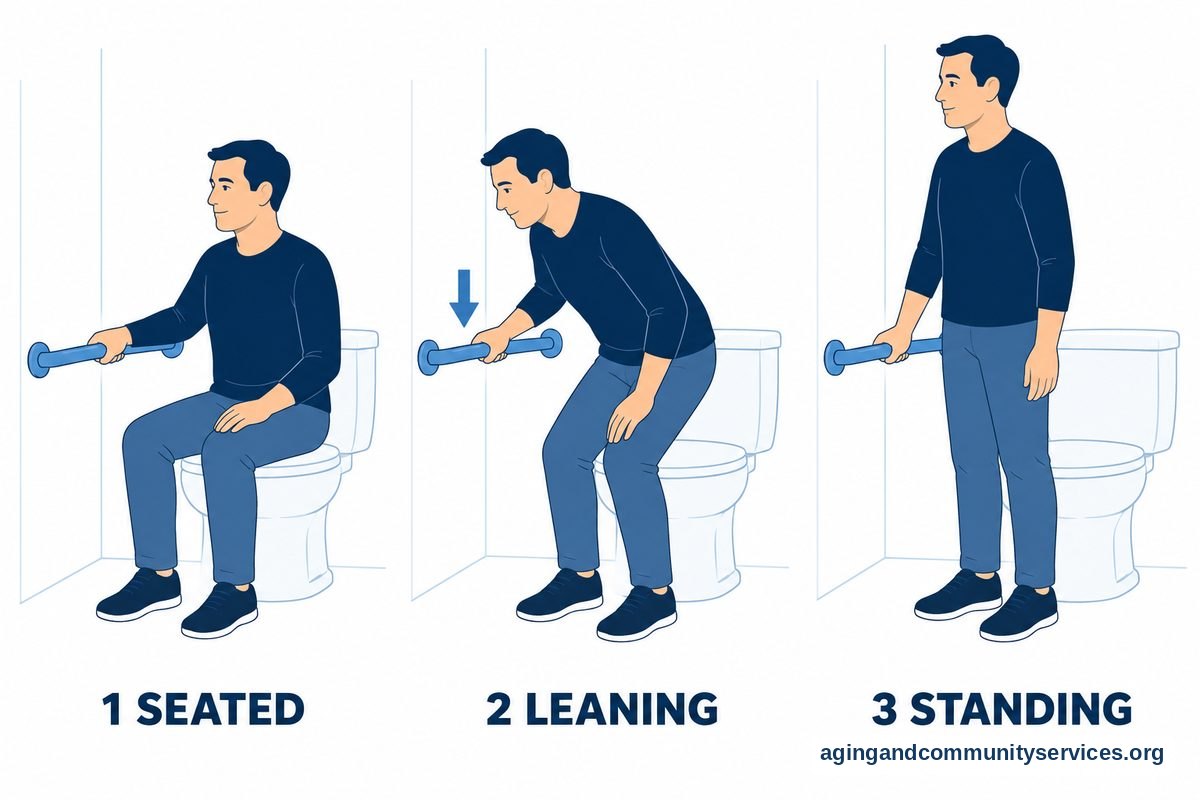
Sitting down on and standing up from a low toilet seat can put strain on your knees and back. As you prepare to sit, back up until the back of your legs lightly touch the bowl. Reach back with one or both hands to find the side wall bar, lean forward slightly from your hips, and lower your body gently onto the seat.
When standing back up, place your feet flat on the floor directly beneath your knees. Lean forward so your nose is over your toes, grip the bar, and push downward through your legs and hands together. Verifying the correct grab bar height ensures you do not have to strain your shoulders while pushing up. Resources from the National Institute on Aging: Falls and Falls Prevention show that simple bathroom modifications can lower the risk of balance troubles during these daily transfers.
Choosing and Placing Bars for Your Home
Proper use starts with having the right equipment installed where you need it most. When considering where should grab bars be placed, think about your natural movement path from the bathroom doorway to the shower and toilet. Bars should always be anchored securely into wall studs or specialized masonry anchors rather than dry wall alone.
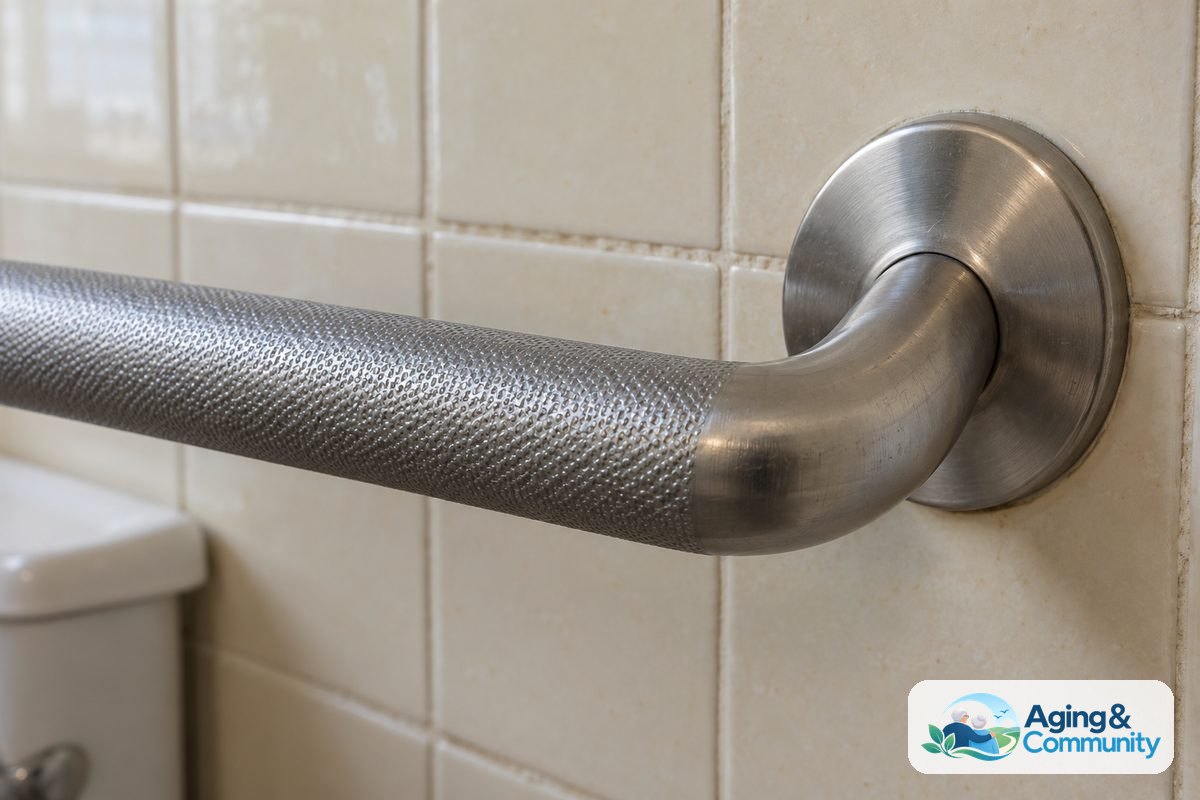
Learning how to choose grab bars helps you pick models with textured finishes or non-slip grips that work well even in damp spaces. The National Institute on Aging: Aging in Place materials suggest that planning ahead with secure home features makes everyday life easier for older adults who want to stay independent in their own homes.
Frequently Asked Questions
Should I pull or push on a grab bar when standing up?
Pushing down on the bar is generally safer and more effective than pulling toward yourself. Pushing down engages your arm and leg muscles together and keeps your body centered over your feet.
Can I use suction cup grab bars the same way as permanent bars?
Suction cup bars are designed only to assist with balance, not to support full body weight. Permanent bars screwed into wall studs provide the steady strength needed to safely support you during a slip or transfer.
What should I do if my hands slip on smooth metal?
You can choose bars with textured surfaces, peened finishes, or rubberized grips. Keeping a dry washcloth nearby to dry your hands before gripping the bar also helps maintain a firm hold.
Is it better to hold a grab bar with one hand or two?
Using two hands provides the most stability when rising from a seat or stepping over a threshold. When moving around the shower, keeping one hand securely on a bar while using the other hand to wash or adjust water controls is standard practice.
Can grab bars help if I already use a walker?
Yes, grab bars work alongside walking aids by giving you something solid to hold while you transition away from your walker into the shower or onto the toilet seat. Talk with a physical therapist to learn the safest sequence for your specific routine.