

Yes, Medicare does cover patient lift devices under specific circumstances. Medicare Part B covers these tools as durable medical equipment when your doctor prescribes one as medically necessary for home use. The lift must be required to help you transfer safely between a bed, chair, or wheelchair.
Moving safely around the home can make a major difference in daily comfort for older adults and family caregivers. However, the exact rules determine what Medicare pays for and what comes out of your own pocket.
What Medicare Covers and What It Doesn’t
Original Medicare Part B covers durable medical equipment when a Medicare-enrolled doctor or other healthcare provider writes a prescription for it. The equipment must be deemed medically necessary and intended for use inside your home. Depending on the specific equipment, Medicare may decide the item must be rented or purchased outright.
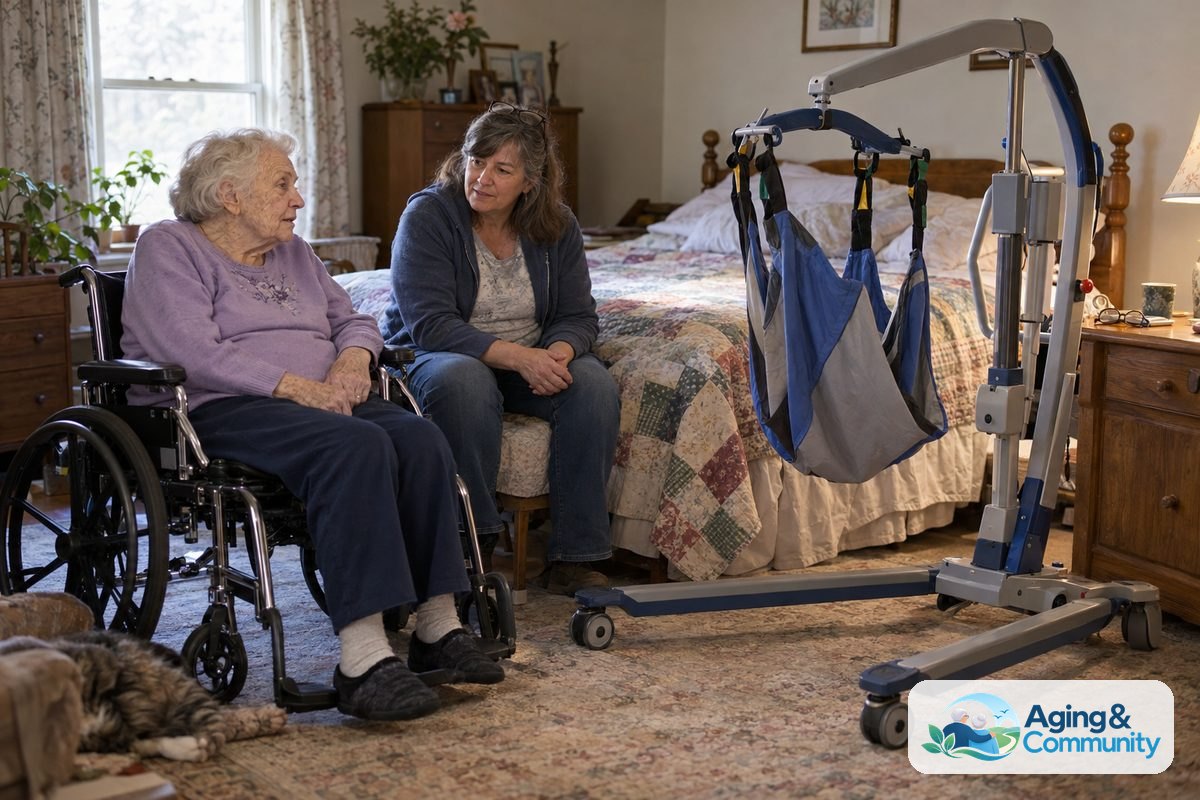
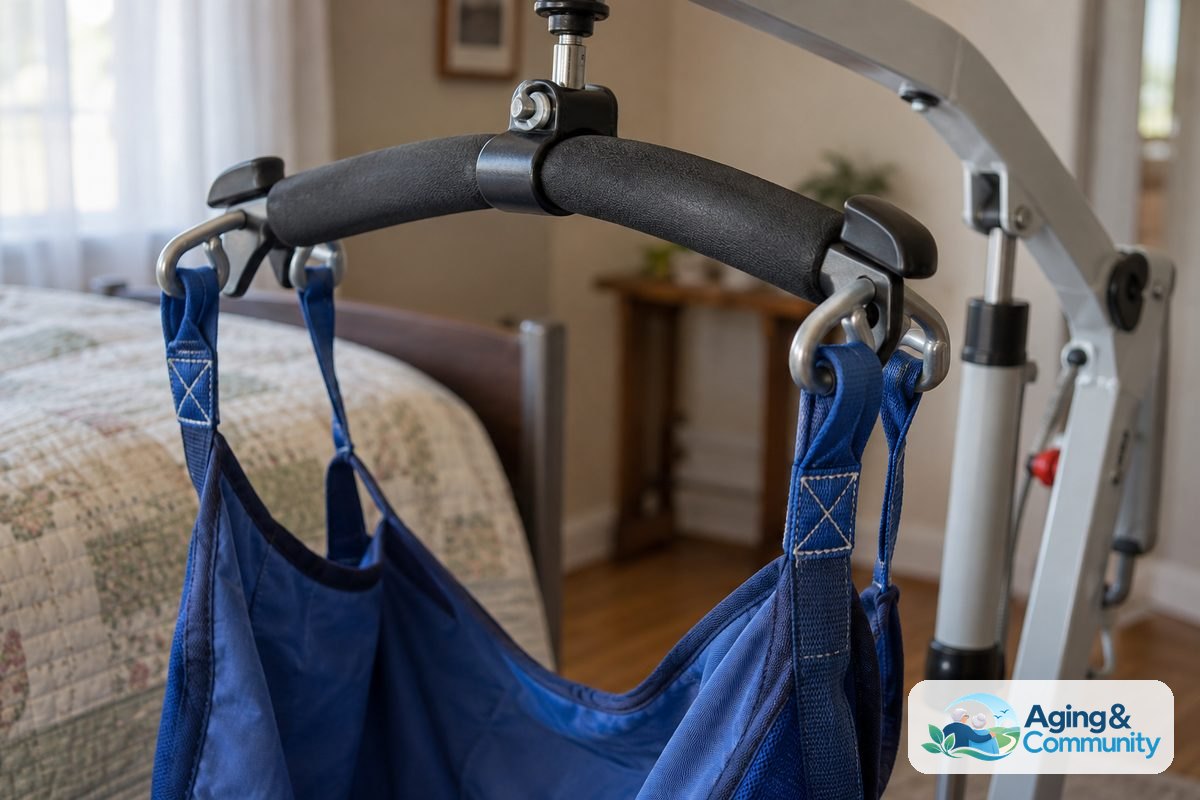
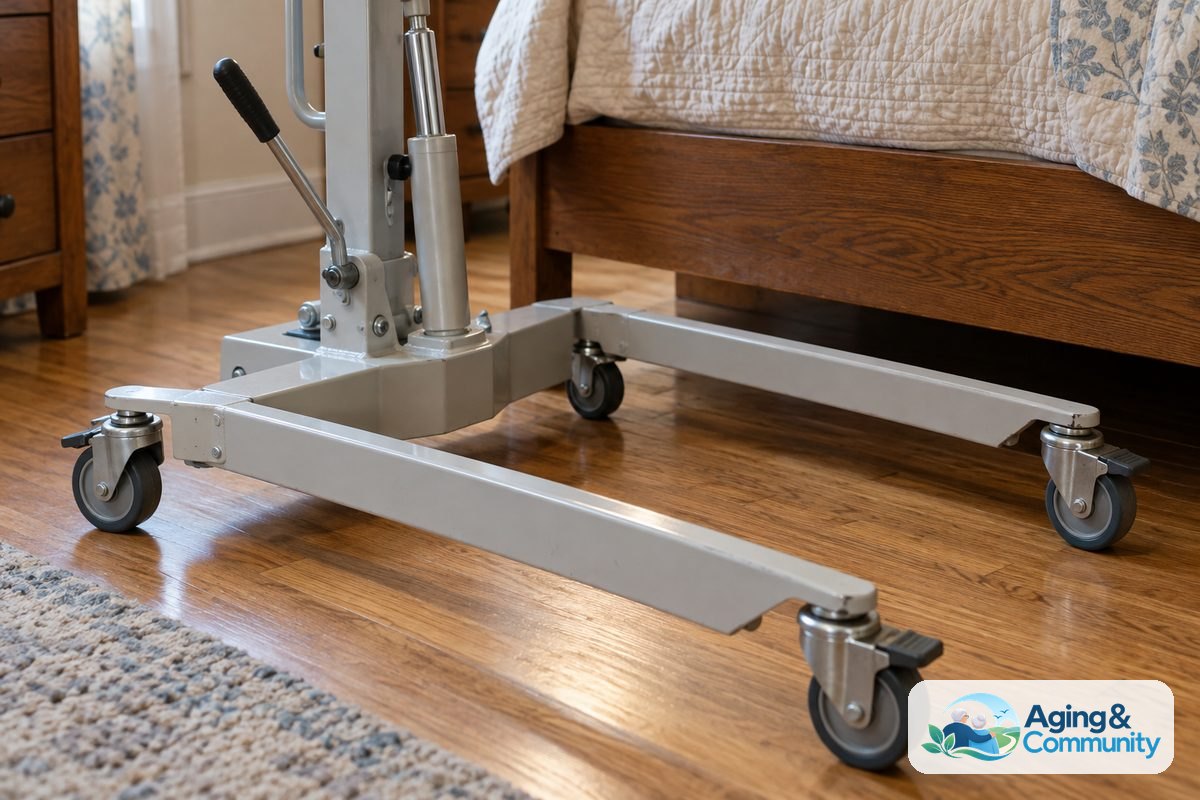
When looking at lifting equipment, it helps to understand that Medicare categorizes different devices in different ways. For instance, comparing a lift chair vs hoyer lift shows how rules change based on function. A Hoyer-style patient body lift can be fully covered as medical equipment if you meet the clinical criteria. Understanding how to use patient lift equipment properly is something you can review with a physical therapist or occupational therapist.
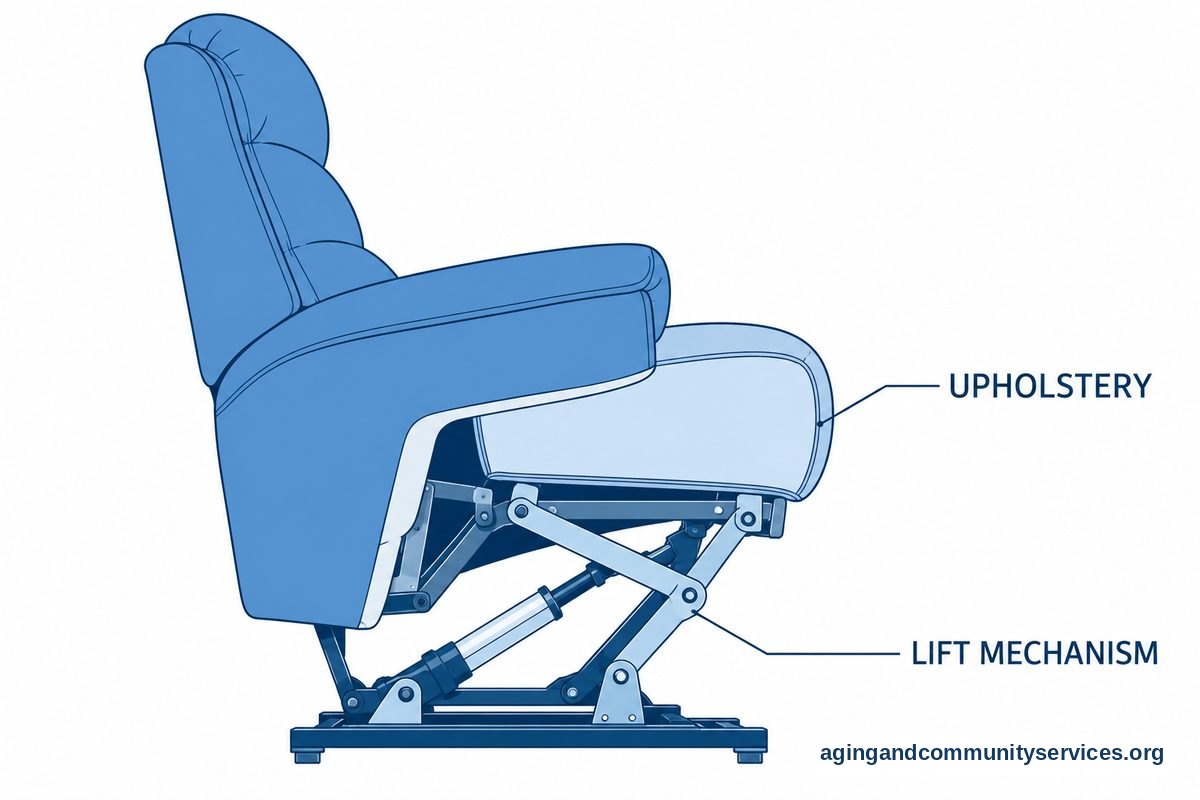
For lift chairs, the rules are very specific. Medicare Part B may cover the seat lift mechanism itself as medical equipment. This motorized lifting part helps raise a person to a standing position. However, Medicare does not pay for the chair itself. The fabric, frame, and reclining functions are classified as personal furniture rather than medical gear.
Medicare also covers related transfer tools when prescribed for medical need. For example, some people wonder does medicare cover trapeze bar attachments, and the answer is yes, when tied to a medical need for bed mobility. Similarly, you may look into whether does medicare cover hospital bed rentals to create a complete transfer setup at home.
On the other hand, Original Medicare generally does not pay for items it considers convenience items or home modifications. These non-covered items include:
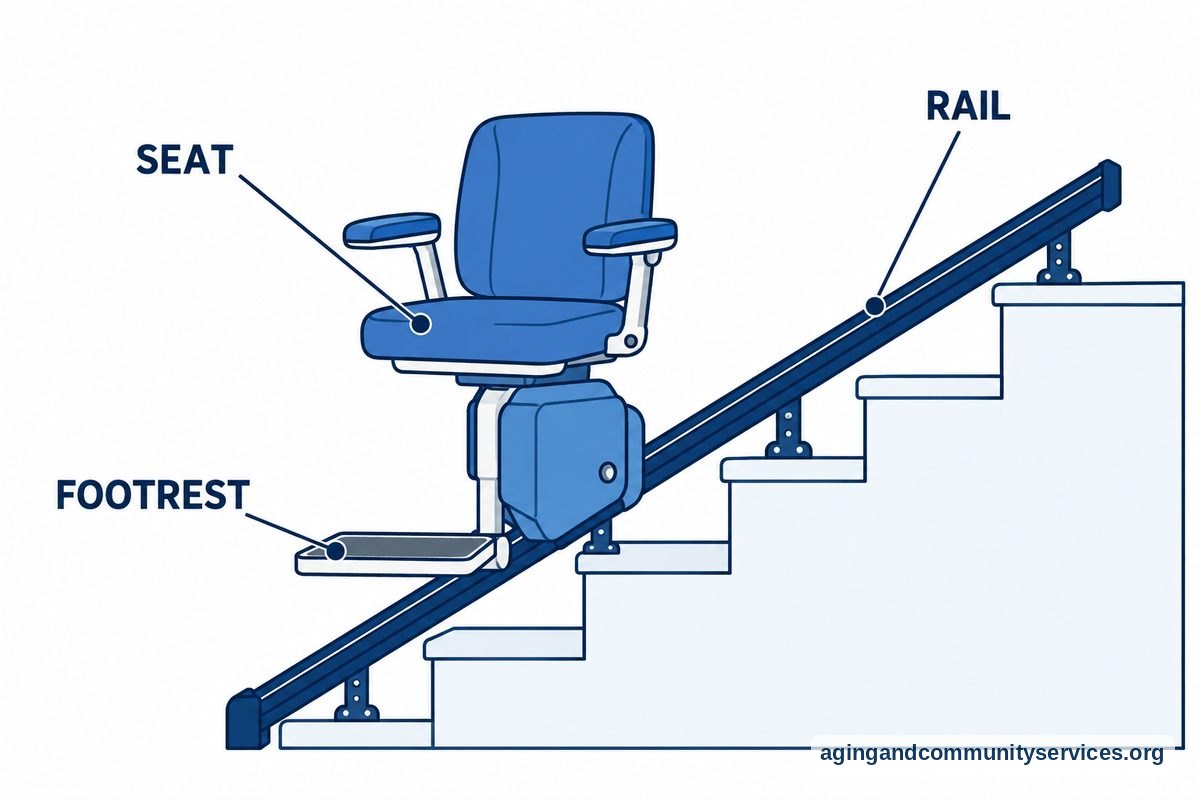
- Stair lifts designed to move a person between floor levels
- Grab bars installed on walls
- Bath safety rails
- Walk-in tubs
- Hearing aids or routine exams for fitting them
Reviewing official rules for durable medical equipment coverage helps you confirm whether your specific device fits the criteria before placing an order.
How to Get It Covered
Getting Medicare to pay for a lift device requires following a set process with your healthcare team. Missing a single administrative step can lead to a surprise bill.
- Schedule a consultation: Visit a Medicare-enrolled doctor, physical therapist, or occupational therapist to review your mobility needs and transfer challenges in the home.
- Obtain a written prescription: Your doctor must document that the patient lift is medically necessary and write a detailed prescription for the equipment.
- Locate an enrolled supplier: You must use a medical supply company that is enrolled in Medicare. You can use the official directory to find medical equipment suppliers in your local area.
- Verify assignment status: Confirm that the supplier accepts assignment. Suppliers that accept assignment agree to charge only the Medicare-approved amount, protecting you from extra charges.
- Submit the claim: The approved supplier will submit the paperwork and claim directly to Medicare on your behalf.
What You Might Pay
Even when Medicare approves your claim, you will usually share part of the cost. First, you must meet your yearly Part B deductible before coverage begins.
Once you satisfy that yearly deductible, you typically pay twenty percent of the Medicare-approved amount for the device. Medicare pays the remaining eighty percent directly to the medical equipment supplier.
If you choose a supplier that is not enrolled in Medicare, Medicare will not pay anything toward your device. You can read more about sharing expenses on the medicare costs page to prepare your household budget.
If Medicare Won’t Pay
If Medicare denies coverage for a lift device, you have options to challenge the decision or look for alternative financial support.
First, you have the right to appeal. You can ask Medicare for a written explanation describing why the claim was denied. Your quarterly Medicare Summary Notice provides clear instructions on how and when to file your appeal.
If you have a Medicare Advantage plan, check your plan documents. Medicare Advantage plans must cover everything Original Medicare covers, but many offer extra benefits. Rules, provider networks, and prior approval requirements differ by plan, so speak directly with your plan representative.
Other programs may also assist with equipment or home modifications that Medicare excludes:
- Medicaid: State Medicaid programs often provide broader coverage for mobility equipment and home safety items than Medicare.
- Veterans Affairs: The VA provides medical equipment and home grants for eligible veterans needing transfer assistance.
- Area Agencies on Aging: Local agencies, which you can locate through the Eldercare Locator, often know about community loan closets, grants, or local programs that help provide lifting equipment.
Frequently Asked Questions
Does Medicare cover the full cost of a patient lift?
No, Medicare does not pay the total cost. After you meet your yearly Part B deductible, Medicare pays eighty percent of the approved cost, leaving you responsible for the remaining twenty percent.
Will Medicare buy a stair lift for my home?
No. Original Medicare views stair lifts as home modifications and convenience items rather than durable medical equipment. Because of this, Medicare does not cover stair lifts.
Can I get a patient lift through a Medicare Advantage plan?
Yes. Medicare Advantage plans must cover the same durable medical equipment as Original Medicare. However, you will need to follow your specific plan rules, use in-network medical suppliers, and obtain any required prior authorizations.
Why did Medicare only pay for part of my lift chair?
Medicare Part B covers only the motorized lifting mechanism of a lift chair when prescribed by a doctor. It does not cover the chair itself, such as the upholstery, cushions, and frame, because those parts are considered household furniture.