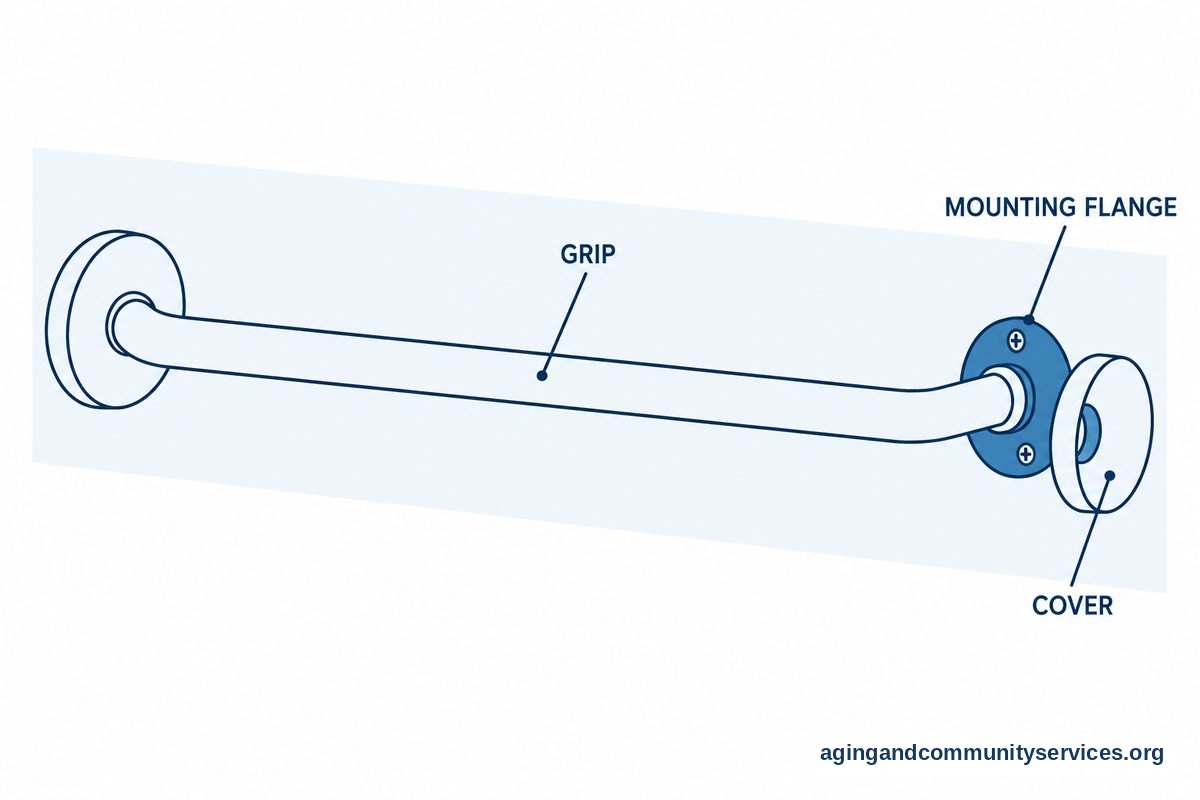
The short answer is no, Original Medicare does not cover grab bars. While these safety features are common in many homes, Medicare considers them convenience items or home modifications rather than medical equipment. Because of this rule, Medicare Part B will not pay for the bars or the labor to install them.
Understanding your options can still help you make your home safer. Many families look into other programs, such as Medicare Advantage or local community programs, to help cover the costs of these simple bathroom updates.

What Medicare Covers and What It Doesn’t
Original Medicare Part B covers durable medical equipment when a Medicare-enrolled doctor or healthcare provider prescribes it as medically necessary for use in your home. This medical equipment must be able to withstand repeated use and serve a clear medical purpose. Items like walkers, wheelchairs, and hospital beds often meet these strict rules.
Original Medicare generally does not cover items it views as convenience items or home modifications. This exclusion includes grab bars, stair lifts, bath safety rails, and walk-in tubs. It also does not cover items like hearing aids or exams for fitting them.
Some related items have limited coverage under specific rules. For example, Medicare Part B may cover the seat lift mechanism of a lift chair when a doctor prescribes it. However, it only pays for the motorized lifting part as medical equipment. It does not pay for the chair itself, such as the upholstery, frame, or recliner functions, which Medicare views as furniture.
If you are exploring other bathroom equipment, you might also wonder about bathing seats. You can read more about how Medicare handles these items in our guide on does medicare cover shower chair dme.
| Item or Service | Original Medicare Coverage Status | Coverage Details |
|---|---|---|
| Grab bars and safety rails | Not covered | Viewed as home modifications or convenience items. |
| Walk-in tubs and stair lifts | Not covered | Considered home modifications rather than medical equipment. |
| Seat lift mechanisms | Partly covered | Only the motorized lifting device is covered with a prescription. |
| Durable medical equipment | Covered | Must be medically necessary and prescribed by an enrolled doctor. |
How to Get It Covered
While Original Medicare will not pay for grab bars, you may be able to get assistance through other paths. Following these practical steps can help you explore all available options for your home.
- Talk with your doctor or therapist: Ask a doctor, physical therapist, or occupational therapist to evaluate your home safety needs. They can provide a written recommendation describing which safety tools support your daily activities.
- Review your Medicare Advantage plan: If you have a Medicare Advantage plan, contact your plan provider directly. These plans must cover everything Original Medicare covers, but some plans choose to offer extra benefits for bathroom safety or home updates.
- Check your network rules: If your Medicare Advantage plan offers safety benefits, ask if you need prior approval. You should also ask which suppliers you must use to ensure the plan pays its share.
- Explore outside assistance: If your health plan denies the request or does not offer the benefit, look into community resources. Local programs and state agencies often provide support for home safety projects.
If you decide to purchase and install safety rails on your own, selecting the right model is essential. You can review practical styles and designs in our guide on bathroom grab bars for elderly.

What You Might Pay
If you purchase standard grab bars for your home, you will usually pay the entire cost yourself. Original Medicare will not contribute toward the purchase price or the installation fees.
For other equipment that Medicare Part B does cover, the payment rules are consistent. First, you must meet your yearly Part B deductible. After meeting that deductible, you usually pay twenty percent of the Medicare-approved amount for the equipment.
To keep your costs as low as possible for approved items, the supplier must be enrolled in Medicare. Suppliers that accept assignment agree to accept the Medicare-approved amount as full payment. If you use a supplier that is not enrolled, Medicare might pay nothing at all. You can review the general guidelines on the official durable medical equipment coverage page.
Depending on the type of medical equipment, Medicare may require you to rent the item, or it may allow you to buy it outright. You can learn more about out-of-pocket rules on the official medicare costs resource.

If Medicare Won’t Pay
When Medicare will not pay for grab bars, you have several dependable alternatives to consider. You do not have to handle home updates entirely alone.
File an Appeal
If you submitted a claim for an item through Medicare and received a denial, you have the right to ask for a written explanation. You can file an appeal if you believe the decision was made in error. Your Medicare Summary Notice will explain the exact steps you need to take to submit an appeal.
Medicare Advantage Plans
Medicare Advantage plans, also known as Part C, must provide the same basic coverage as Original Medicare. However, many of these private plans offer extra benefits that Original Medicare does not include. Some plans include allowances for home safety devices or minor home modifications. Rules, provider networks, and prior approval requirements differ by plan, so always call your plan directly to verify your benefits.
Medicaid Programs
Medicaid programs are run by individual states and often have different coverage rules than Medicare. Many state Medicaid programs offer home and community-based services that help older adults remain safely in their homes. These programs may pay for basic safety equipment, including grab bars and professional installation.
Veterans Affairs Benefits
If you are a military veteran enrolled in VA healthcare, you may qualify for home safety improvements. The Department of Veterans Affairs offers programs and grants that help veterans modify their bathrooms to support independent living. Speak with your VA primary care team to request a home safety evaluation.
Area Agencies on Aging
Your local Area Agency on Aging is a valuable community resource. These agencies connect residents with local programs, volunteer groups, and supportive funding. You can find your local agency through the Eldercare Locator service. Many of these agencies can direct you to grants for home modifications for the elderly that assist with home repairs.
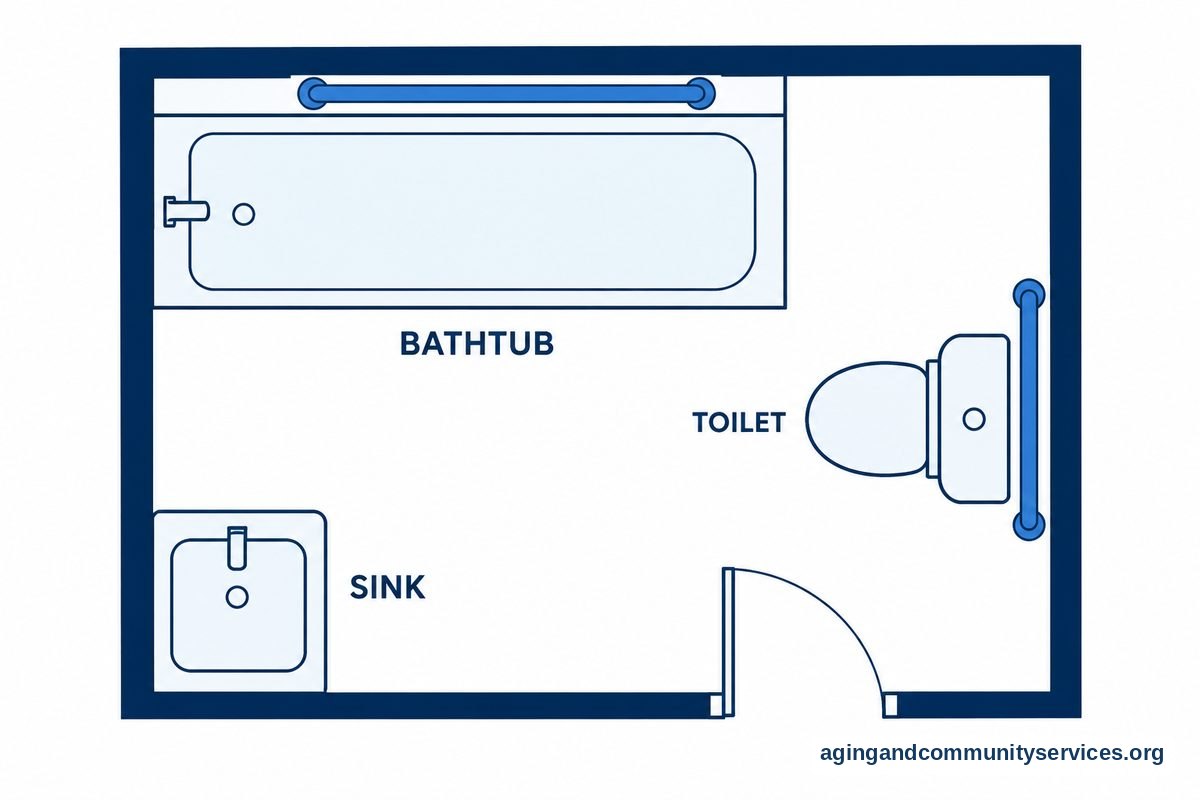
Knowing proper placement can also make a major difference before you begin any work. You can learn more by reading about where should grab bars be placed to ensure they offer sturdy support.
Frequently Asked Questions
Does Medicare cover grab bars in bathroom?
No, Original Medicare does not cover grab bars in the bathroom. Medicare considers these items to be home modifications rather than durable medical equipment. Because they are classified as convenience items, you must pay for them out of pocket unless you have a Medicare Advantage plan that includes home safety benefits.
Does Medicare cover grab bars for shower?
Original Medicare does not cover grab bars for shower walls or tubs. Even if a doctor recommends installing them for personal stability, Medicare Part B will not pay for the bars or their installation. You may, however, find assistance through state Medicaid programs, VA benefits, or local aging agencies.
Does Medicare cover grab bars for elderly?
Original Medicare does not cover grab bars for older individuals, regardless of age or physical mobility. Medicare only pays for items that meet its strict definition of medical equipment. If you need financial help adding safety bars to your home, check with your local Area Agency on Aging or review supplemental options like grab bars for seniors to find affordable solutions.
Does Medicare Advantage cover bathroom safety rails?
Some Medicare Advantage plans may cover bathroom safety rails as an added supplemental benefit. Because each private plan sets its own rules, coverage varies widely. Contact your specific plan customer service department to ask if your policy covers bathroom safety equipment or home modification allowances.