

After an elderly fall on blood thinners, it is wise to take the fall seriously, even if the person says they feel fine. Blood thinners can make bleeding harder to notice, so the safest next step is to contact a doctor, urgent care, or emergency services based on symptoms and the situation.
Stay calm, help the person remain still for a moment, and look for pain, confusion, bleeding, weakness, or a head hit. If you are unsure what to do, it is better to ask a medical professional for guidance than to wait and guess.
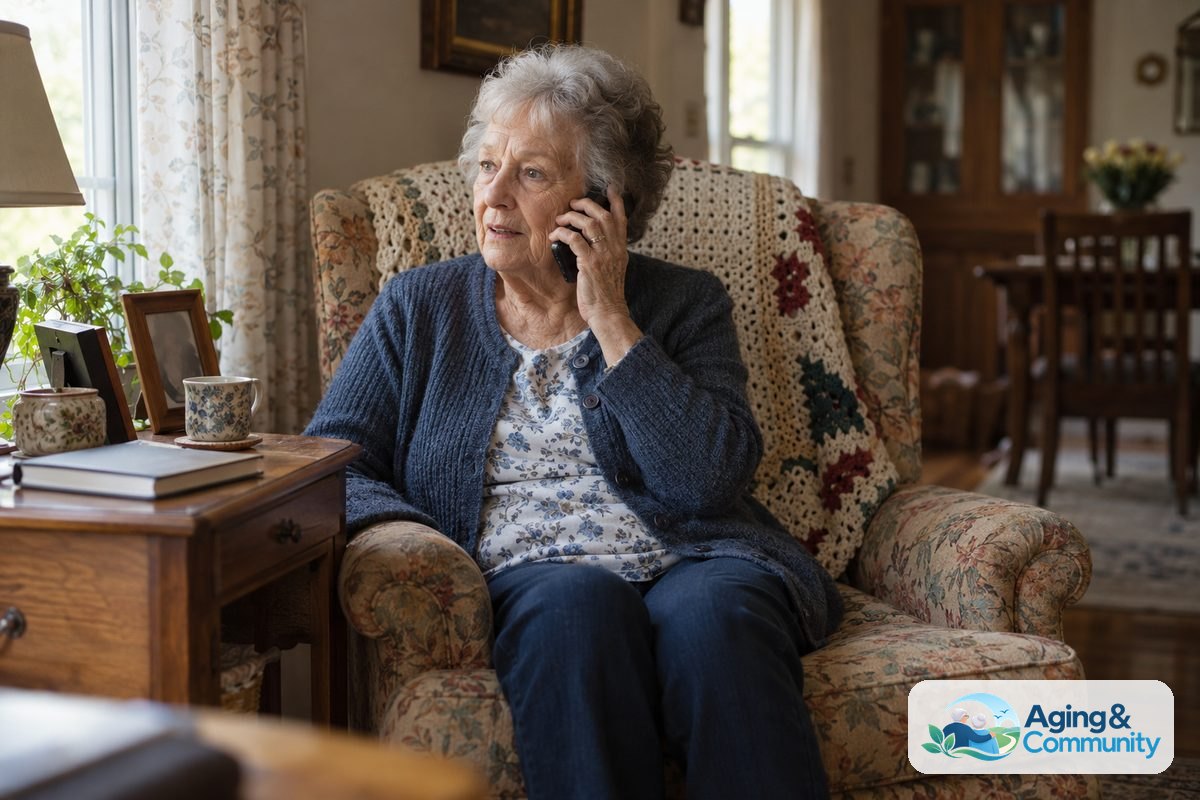
Why a Fall Can Be Different When Someone Takes Blood Thinners
Blood thinners are medicines that affect how blood clots. Some people take them after a heart rhythm issue, a clot, a valve procedure, or another health concern. These medicines can be very important, but they can also change what happens after a bump, cut, or fall.
The main concern after a fall is that bleeding may not be easy to see. A bruise may grow slowly. A head bump may look small at first. A person may feel steady, then later seem more tired, confused, or weak.
This does not mean every fall leads to a serious problem. It does mean the fall deserves careful attention. A doctor can help decide whether the person needs an exam, imaging, medicine review, or simple monitoring at home.
Do not stop or change blood thinner medicine unless the prescribing doctor tells you to. If you are worried about the medicine after a fall, call the doctor, pharmacist, or clinic and ask what they recommend.
What to Do Right Away After the Fall
First, pause and check the person before helping them up. A quick lift can make pain or injury worse if there is a fracture, head injury, or strong dizziness. Speak in a calm voice and ask what hurts.
- Ask if they hit their head, face, neck, back, hip, or ribs.
- Look for bleeding, swelling, bruising, or a cut that will not slow down.
- Ask if they feel dizzy, weak, short of breath, confused, or very sleepy.
- Check whether they can move arms and legs as usual.
- Notice if their speech, vision, balance, or behavior seems different.
If there is heavy bleeding, chest pain, trouble breathing, a possible broken bone, fainting, new confusion, or a head hit with concerning symptoms, call emergency services. If symptoms are mild but the person takes blood thinners, call their doctor, nurse line, or urgent care for advice.
For a fuller walk-through of first steps after a fall, the guide on what happens after a fall can help families think through the moment without rushing. If you are not sure whom to contact, a guide on who to call may also be useful.
When to Get Medical Help
Any fall with a head hit should be taken seriously when the person is on blood thinners. Call a doctor or seek urgent care guidance, even if the person feels okay. The medical team can decide what level of care is needed.
Get medical help promptly if you notice any of these signs:
- New or worsening headache.
- Confusion, unusual sleepiness, or behavior changes.
- Vomiting, fainting, or seizure-like activity.
- Weakness, numbness, trouble walking, or slurred speech.
- Bleeding that does not slow with gentle pressure.
- Large or growing bruises, swelling, or severe pain.
- Hip, back, neck, rib, or shoulder pain after the fall.
If the person fell because of dizziness, fainting, or a possible medicine side effect, tell the doctor. Falls are not always caused by tripping. Vision changes, blood pressure changes, dehydration, clutter, medicine timing, and footwear choices like choosing what compression or diabetic socks to wear can all play a role.
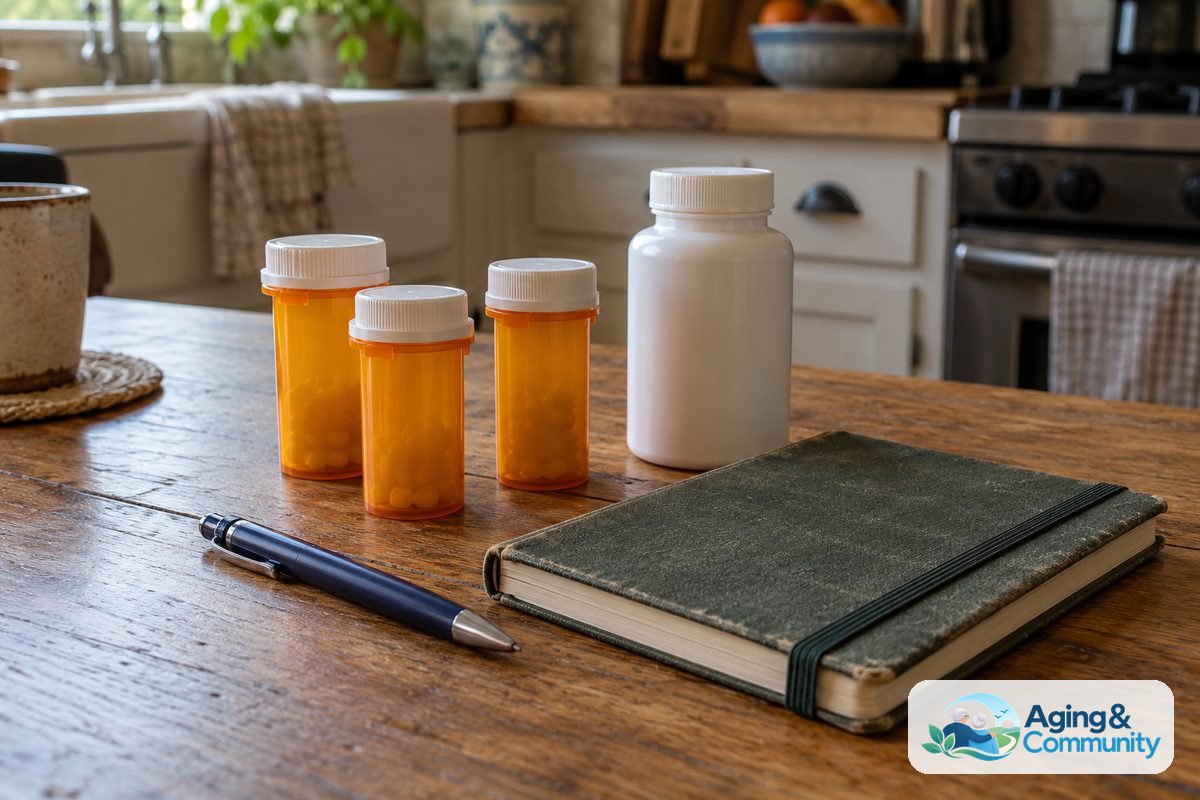
Bring a current medicine list to the appointment or keep it ready during a phone call. Include prescription medicines, over-the-counter pain relievers, sleep aids, supplements, and vitamins. Some products can affect bleeding risk or balance, so the doctor or pharmacist needs the full picture.
What Information to Share With the Doctor
Clear details help the medical team decide what to do next. Write down what happened while it is still fresh. If someone saw the fall, ask them to describe it in plain words.
| Detail | Why It Helps |
|---|---|
| Time of the fall | Helps track symptoms and changes after the fall. |
| Where they landed | Shows whether the head, hip, back, or arm may need attention. |
| Blood thinner name | Helps the doctor understand medicine-related concerns. |
| New symptoms | Helps guide next steps and urgency. |
| Recent medicine changes | May point to dizziness, sleepiness, or balance issues. |
Tell the doctor if the person has fallen before, even if those falls seemed minor. A pattern can point to home hazards, weakness, balance changes, footwear problems, or medicine side effects. A physical therapist or occupational therapist may suggest safer ways to move, transfer, bathe, and manage daily tasks.
You can also ask whether a medicine review is helpful. A pharmacist or doctor can look at the full list and explain whether any medicine may add to dizziness, sleepiness, or bleeding concerns. Do not make changes on your own.
How to Watch for Changes After the Fall
If a medical professional says the person can be observed at home, ask exactly what to watch for and for how long. Write the instructions down. Keep the person in a place where someone can check on them with respect and privacy.
Watch for changes in alertness, speech, walking, pain, bruising, and bleeding. Also notice smaller changes, such as not wanting to eat, acting unlike themselves, or needing more help than usual. These changes do not always mean something serious, but they are worth reporting.
A simple check-in list can help:
- Is the person more confused or sleepy than usual?
- Is pain getting worse instead of better?
- Is a bruise spreading or becoming very firm?
- Is there bleeding from a cut, nose, mouth, urine, or stool?
- Is walking, balance, or grip strength different?
If symptoms change, call the doctor or seek urgent help based on the advice you were given. If you are worried and cannot reach the doctor, use urgent care or emergency services as appropriate.
Reducing Fall Risk Without Blame
A fall can feel upsetting, but it is not a personal failure. Many things can raise fall risk, and many are practical. Small changes at home can make daily movement easier and more steady.
The National Institute on Aging says steps such as exercise, vision checks, medicine review, and home safety changes can lower the risk of falls in its guidance on falls and safety. The right mix depends on the person, their health, and their home.
Consider these home steps:
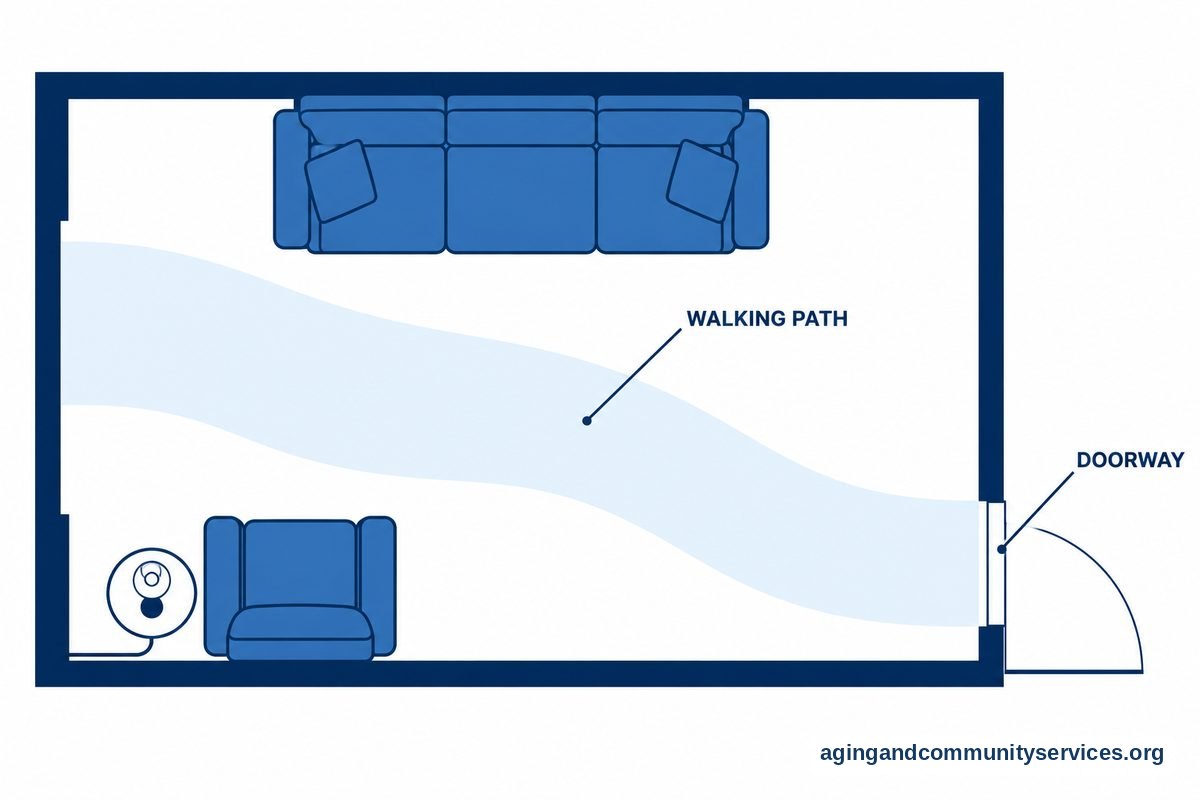
- Clear walking paths of cords, loose rugs, and low clutter.
- Add brighter lighting in halls, stairs, bathrooms, and bedrooms.
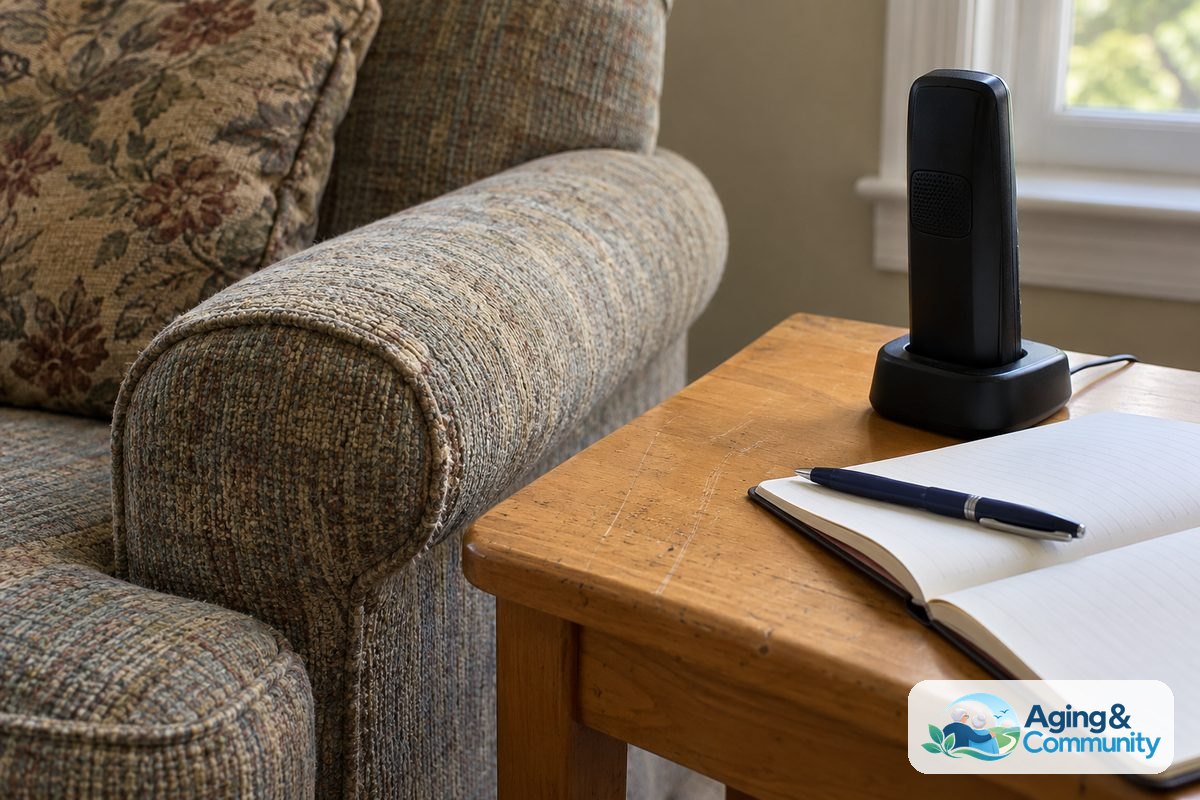
- Keep a phone or alert button within easy reach.
- Use non-slip mats and grab bars where recommended.
- Choose shoes with backs, good fit, and steady soles.
- Place often-used items where they can be reached without climbing.
A physical therapist can check strength, balance, walking, and assistive device fit. An occupational therapist can look at home routines, bathing, toileting, cooking, and transfers. For more planning ideas, see this guide to managing falls and this overview of fall risk reduction.
For some families, an alert device may add peace of mind, especially when a person spends time alone. It is not a substitute for medical care, but it can make it easier to call for help. A guide to fall alert devices explains common options.
What You Can Do Next
Start with the most immediate need. If the fall just happened and the person is hurt, confused, bleeding, or may have hit their head, contact medical help now. If the person is stable, call their doctor and explain that they take blood thinners.
- Write down what happened, including time, symptoms, and where they landed.
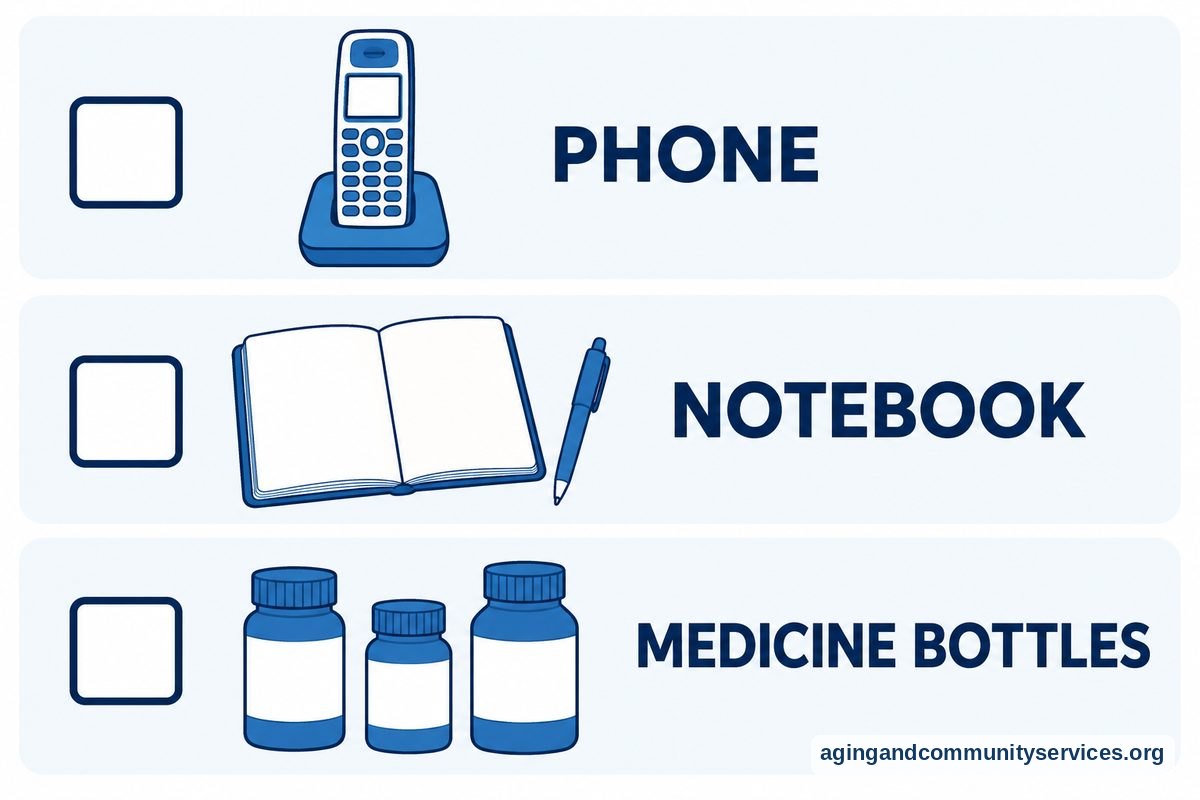
- Make a current medicine list, including the blood thinner name and dose if known.
- Ask the doctor what symptoms should lead to urgent care or emergency services.
- Schedule a follow-up if advised, especially after a head hit or repeated falls.
- Ask about a medicine review with the doctor or pharmacist.
- Consider a home safety review with an occupational therapist or local aging service.
If you need help finding local support, transportation, home safety programs, or caregiver resources, the Eldercare Locator can connect families with local services. Keep the tone supportive when talking with the person who fell. The goal is comfort, safety, and practical next steps, not blame.
Frequently Asked Questions
Should an elderly person on blood thinners go to the hospital after a fall?
It depends on the fall, symptoms, and medical history. A head hit, confusion, fainting, heavy bleeding, severe pain, or trouble walking should be checked urgently. If you are unsure, call the doctor, nurse line, urgent care, or emergency services for guidance.
What should I watch for after an elderly fall blood thinners situation?
Watch for headache, confusion, sleepiness, vomiting, weakness, slurred speech, worsening pain, growing bruises, and bleeding that does not slow. Also watch for changes in walking, mood, or normal routines. Report changes to a medical professional.
Can someone on blood thinners seem fine after a fall?
Yes, a person may seem fine at first. That is why it helps to call the doctor for advice, especially after a head hit. Follow the instructions you receive about observation, activity, and when to seek urgent help.
Should blood thinners be stopped after a fall?
Do not stop blood thinners unless the prescribing doctor tells you to. Stopping or changing medicine can carry risks that depend on the person’s health history. Call the doctor or pharmacist if you are worried about the medicine after a fall.
What information should I have ready when calling the doctor?
Have the medicine list, blood thinner name, time of the fall, where the person landed, symptoms, and any changes in alertness or movement. Mention past falls and recent medicine changes. Clear details help the care team guide you.
How can we make another fall less likely?
Ask the doctor about a medicine review, vision check, and referral to physical or occupational therapy. At home, improve lighting, remove tripping hazards, keep needed items within reach, and consider grab bars or an alert device if appropriate.