

An elderly fall screening test is a short check that helps a doctor, physical therapist, or occupational therapist understand a person’s fall risk. It may include questions about recent falls, walking, balance, medicines, vision, home safety, and daily activities.
The goal is not to label someone as frail or take away independence. It is to spot practical changes that may make daily life steadier and more comfortable for older adults and the people who help them.

What Is an Elderly Fall Screening Test?
A fall screening test is a simple review of factors that can make a fall more likely. It is often done during a primary care visit, a therapy visit, a hospital follow-up, or a wellness check.
The screening may be as simple as a few questions. It may also include watching how a person stands up, walks a short distance, turns, and sits back down. The person doing the screening may ask about balance, strength, pain, dizziness, shoes, glasses, and the home setup.
A screening is not the same as a full medical diagnosis. It is a starting point. If something stands out, the clinician may suggest a more complete evaluation, a medication review, therapy, or home safety changes.
Common Questions Asked During Screening
Many fall screenings begin with a calm conversation. The person may be asked whether they have fallen recently, felt unsteady, or worried about falling. Honest answers help the clinician understand what daily life is really like.
Common questions may include:
- Have you fallen in the past few months?
- Did you get hurt or need help getting up?
- Do you feel dizzy when standing or walking?
- Do you use a cane, walker, handrail, or furniture for support?
- Have your medicines changed recently?
- Do you have trouble seeing steps, rugs, or uneven ground?
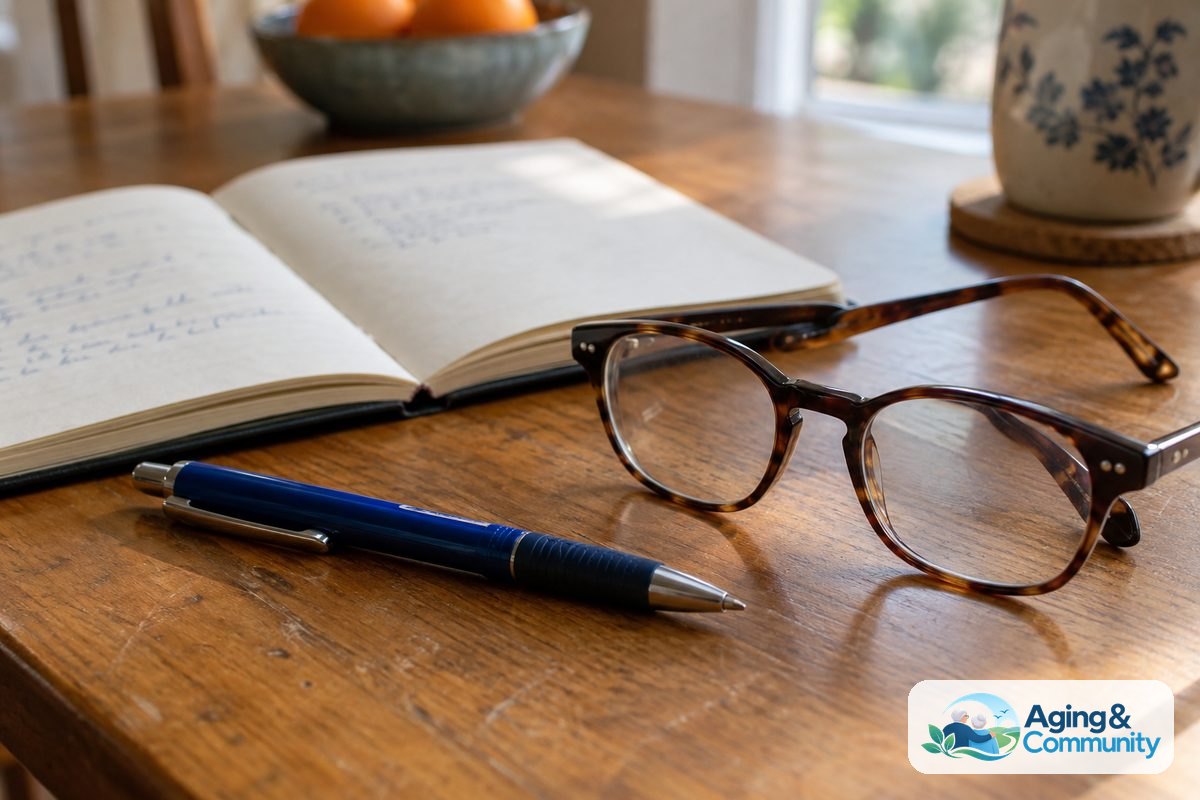
It can help to bring notes instead of trying to remember everything during the visit. If a family member noticed a change in walking, balance, or confidence, that may be useful to share in a respectful way.
Simple Balance and Walking Checks
A clinician may use short movement checks to see how someone moves in a real-world way. These checks are usually brief and are done with safety in mind. The person should not try them alone at home unless a clinician says it is safe.
One common check asks a person to stand from a chair, walk a short distance, turn, walk back, and sit down. Another may involve standing with feet in different positions or rising from a chair without using the arms, if safe.
The clinician is not only watching speed. They may also notice steadiness, foot placement, posture, turning, use of hands, pain, and whether the person seems unsure. These details can point to next steps, such as a referral to physical therapy or occupational therapy.
If balance or strength exercises are suggested, ask for clear instructions. A therapist can choose movements that fit the person’s ability, space, and health needs. For more background, a guide to fall prevention exercises can help families understand the kinds of activities that may be discussed.

What the Results May Mean
Screening results often place a person into a general level of concern, such as lower, moderate, or higher risk. These words are not a judgment. They simply help the care team decide what support may be useful.
A lower-risk result may still lead to simple advice, such as staying active, checking vision, and keeping walkways clear. A moderate or higher-risk result may lead to more follow-up, such as therapy, a medication review, or a home safety review.
The National Institute on Aging says several steps can lower the risk of falls, including talking with a health care provider, having eyes checked, being physically active when appropriate, and making the home safer. These steps should be matched to the person’s health and comfort level.
If the result is confusing, ask the clinician to explain it in plain language. Helpful questions include, What did you notice?, What should we do first?, and Who should we follow up with?
How to Prepare for a Fall Screening Visit
A little preparation can make the visit more useful. Bring a list of recent falls or near-falls, even if no one was hurt. Include where it happened, what the person was doing, and whether dizziness, weakness, pets, clutter, or poor lighting played a role.
It is also wise to bring a current medicine list. Include prescription medicines, over-the-counter products, sleep aids, supplements, and eye drops. Do not stop or change medicines without asking a doctor or pharmacist.
Before the visit, consider writing down:
- Any falls, slips, trips, or near-falls
- New trouble with stairs, bathing, dressing, or getting out of a chair
- Changes in eyesight, hearing, sleep, or appetite
- New pain, numbness, weakness, or dizziness
- Concerns about rugs, cords, lighting, pets, or bathroom safety
If home hazards seem to be part of the concern, a home safety checklist can help organize what to look at before or after the appointment. If you are trying to understand the bigger picture, a plain-English guide on why elderly fall may also be useful.
What You Can Do Next
After a screening, focus on one or two practical steps rather than trying to change everything at once. Small changes are easier to keep and easier to review with a clinician.
Consider these non-medical steps:
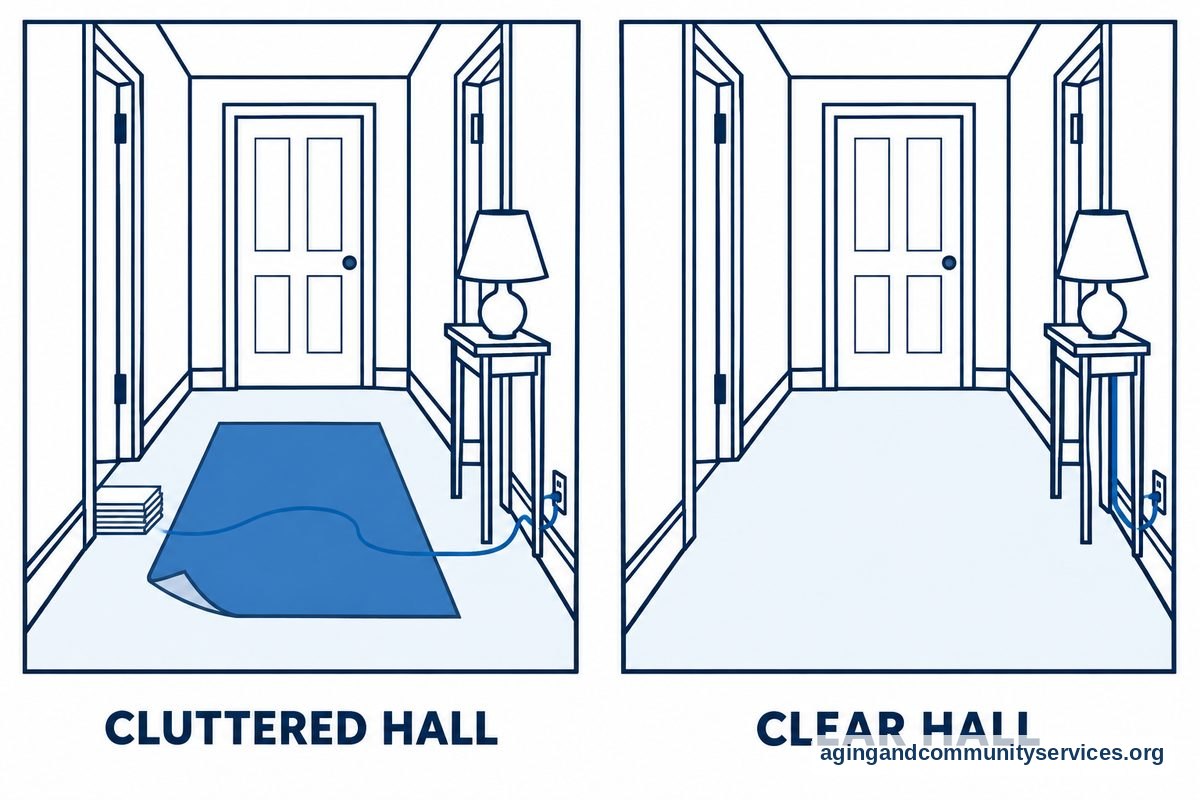
- Clear the main walking paths from the bed to the bathroom, kitchen, and front door.
- Move loose cords, stacks of papers, low stools, and small rugs out of common paths.
- Improve lighting in hallways, stair areas, bathrooms, and entryways.
- Place often-used items within easy reach to reduce climbing or stretching.
- Check that shoes fit well and have stable soles.
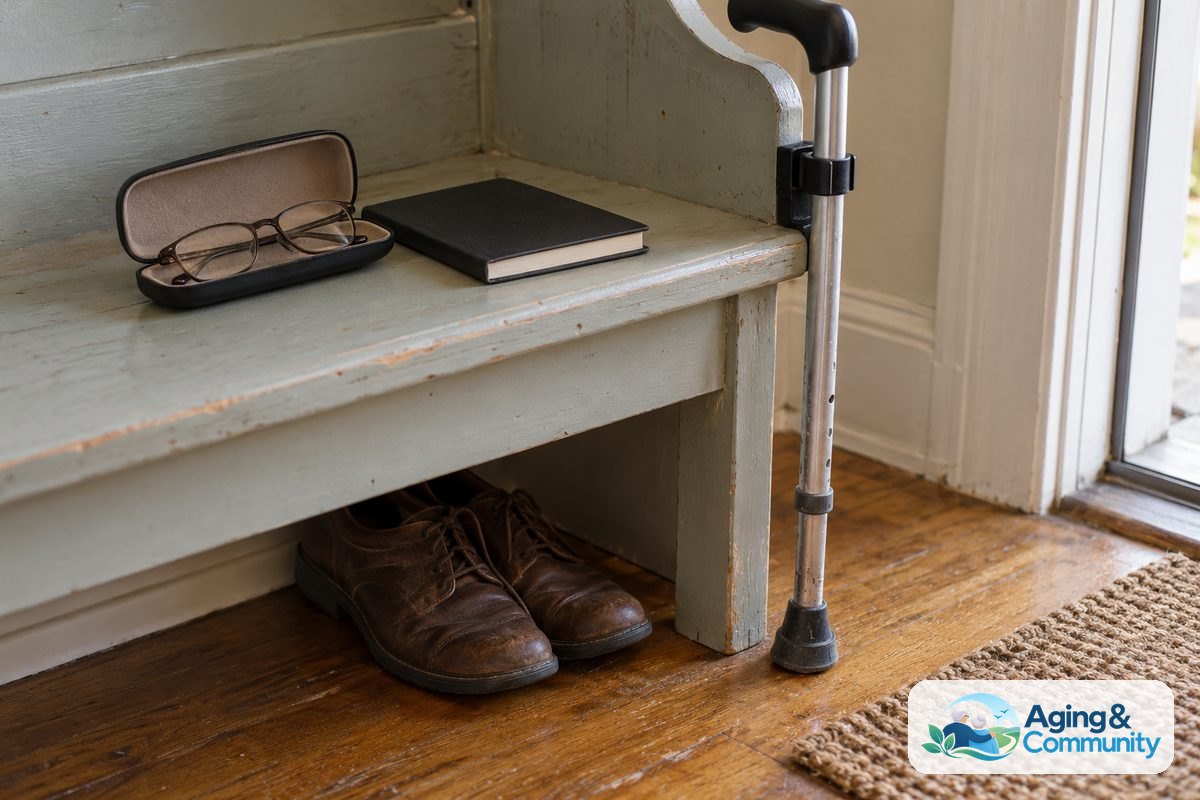
- Keep glasses, hearing aids, mobility aids, and phones in easy-to-find places.
Some families also talk about ways to call for help if a fall happens. A guide to fall alert devices can help you think through features and questions to ask, without rushing a decision.
If you are unsure where to start, ask the doctor whether a physical therapist or occupational therapist would be helpful. A physical therapist can look at strength, walking, and balance. An occupational therapist can look at daily routines and the home setup.
The Eldercare Locator can also help families find local aging services. Local programs vary, so it may take a few calls to learn what is available in your area.
Frequently Asked Questions
Who Should Ask About a Fall Screening?
Anyone who has fallen, nearly fallen, feels unsteady, or has become worried about walking should ask a doctor about screening. Family members can also bring up concerns if they notice changes in balance, movement, or confidence.
It is best to frame the conversation around support and daily comfort. For example, say, We noticed the stairs seem harder lately. Could a fall risk screening help us know what to work on?
Is a Fall Screening Test Painful?
A fall screening is usually not painful. It often includes questions and simple movement checks, such as standing from a chair or walking a short distance.
If any movement hurts, the person should say so right away. The clinician can adjust the check, stop, or choose another way to learn what is needed.
Can I Do a Fall Screening at Home?
You can write down concerns at home, look for household hazards, and notice changes in walking or balance. However, movement tests should be done with care, especially if the person already feels unsteady.
A doctor, physical therapist, or occupational therapist can help decide which checks are safe and useful. If you use an online checklist, treat it as a conversation starter, not a final answer.
What Happens If Someone Is at Higher Risk?
A higher-risk result usually means the care team may suggest more follow-up. This could include a medicine review, vision check, therapy referral, home safety review, or a discussion about assistive devices.
The next step should fit the person’s goals and daily routine. Ask which action matters most first, so the plan feels manageable.
How Often Should Fall Risk Be Checked?
Ask a doctor how often screening makes sense. It may be discussed after a fall, after a hospital stay, when medicines change, or when walking and balance seem different.
It can also be brought up during routine visits. You do not have to wait for a major problem to ask a calm, practical question about steadiness.
What Should I Bring to the Appointment?
Bring a medicine list, notes about recent falls or near-falls, glasses or hearing aids if used, and any cane or walker normally used. Wear regular shoes, not special shoes that are only used for appointments.
If a family member comes along, they can help remember details and take notes. The person being screened should still be included in the conversation and treated as the main voice in the room.